How To Make Dog Stop Barking At People: Easy Tips
Learn how to make dog stop barking at people with calm, proven training tips that reduce reactivity and build better behavior.
Use calm training, reward quiet behavior, and slowly change how your dog feels about people.
Learning how to make dog stop barking at people takes patience, clear steps, and good timing. Dogs bark for many reasons, including fear, excitement, boredom, guarding, or a wish for attention. The best plan does not punish the sound alone. It finds the cause, lowers your dog’s stress, and teaches a better response. This guide explains proven dog training methods, common mistakes, safety tips, and simple routines you can use at home.

Why Dogs Bark at People
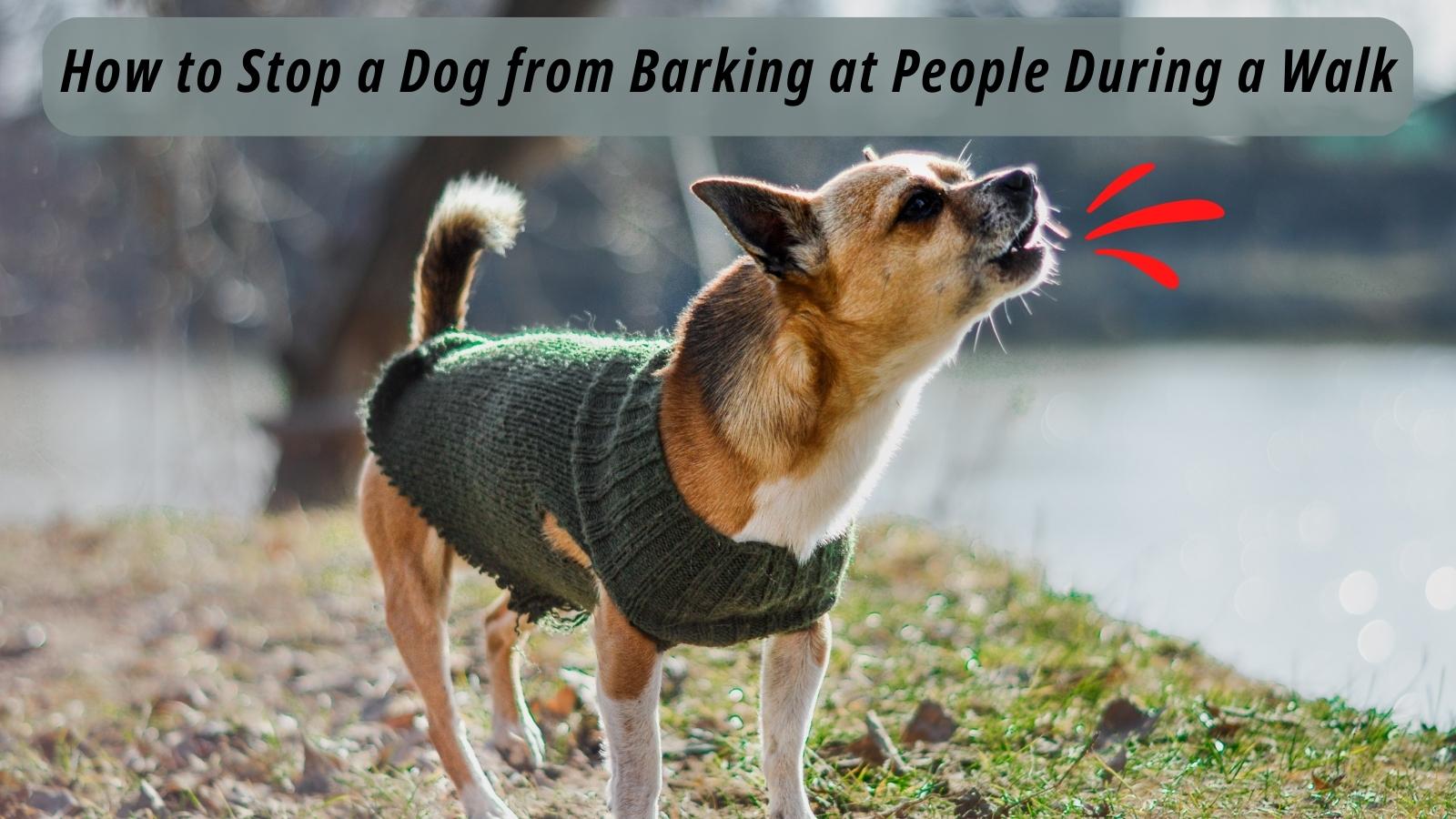
Barking is normal dog communication. It can mean, “Stay away,” “I am excited,” “I want to say hello,” or “Something is new.” Before you learn how to make dog stop barking at people, watch the full body language.
A dog that feels afraid may lean back, lower its body, tuck its tail, lick its lips, or show the whites of its eyes. A confident guard dog may stand tall, raise its hackles, stare hard, and move toward the person. An excited dog may jump, wag its tail, pull on the leash, and bark in short bursts.
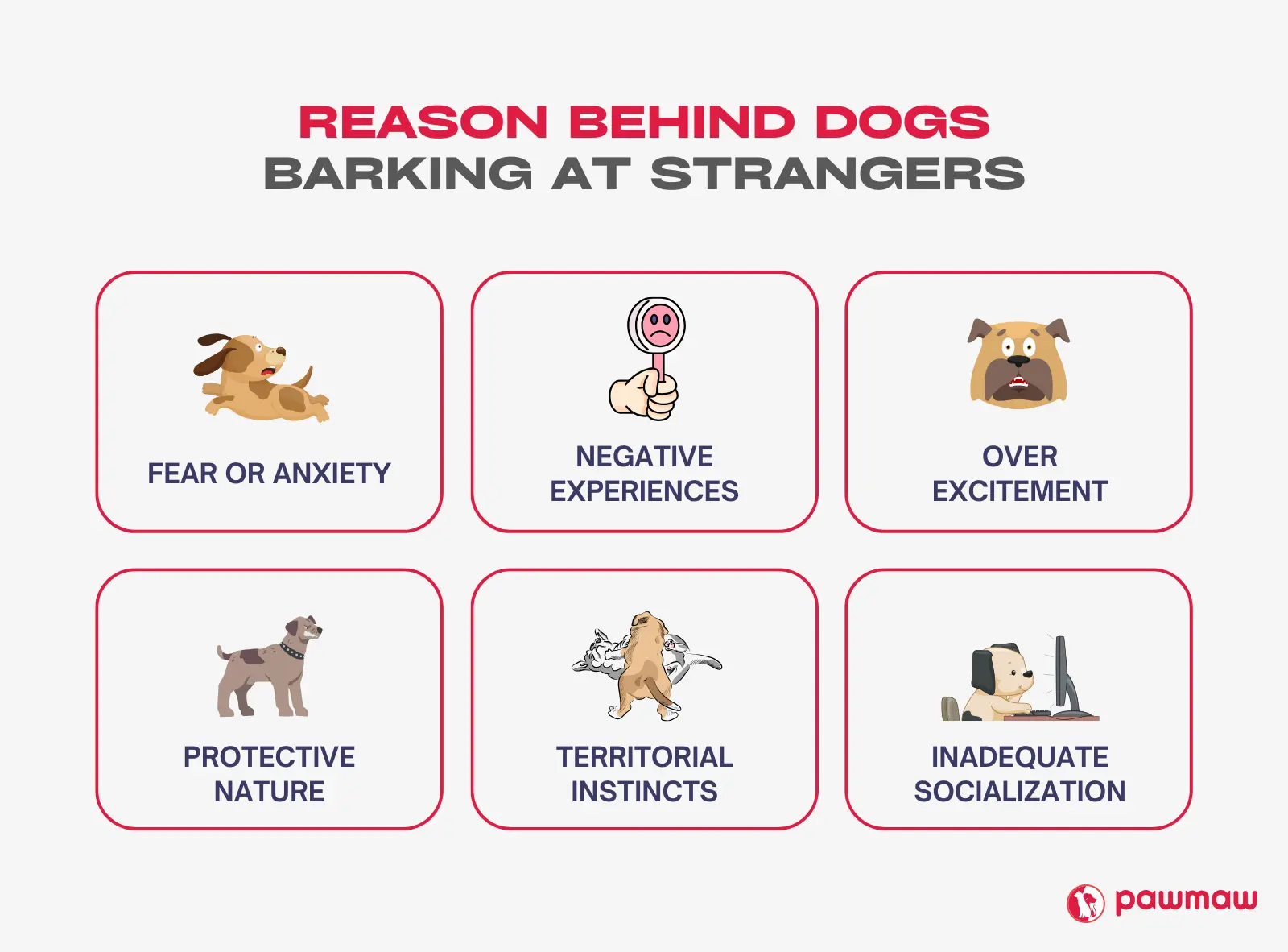
Common causes include:
• Fear or anxiety around strangers
• Territorial behavior near windows, doors, yards, or cars
• Excitement during walks or greetings
• Frustration from being unable to reach a person
• A history of receiving attention after barking
• Poor socialization during puppyhood
• Pain, hearing loss, or other health changes
The same bark can have different causes. A small dog barking from behind a window may feel safe because the glass acts like a shield. A dog barking on a leash may feel trapped. Treating both dogs in the same way often makes the problem worse.
A useful rule is to ask, “What happens right before the bark, and what happens right after it?” This simple pattern often reveals what your dog has learned.
Rule Out Health and Safety Problems First
A sudden change in barking deserves attention. Pain, age-related confusion, hearing loss, vision loss, and some medical conditions can change a dog’s behavior. Schedule a veterinary exam if your dog begins barking at people without a clear reason or seems unusually tense.
Safety also comes first. Do not force your dog to greet strangers. Keep your dog behind a secure gate, on a well-fitted harness, or on a leash when visitors arrive. If your dog has snapped, bitten, lunged hard, or cannot settle near people, contact a certified veterinary behaviorist or a qualified positive-reinforcement trainer.
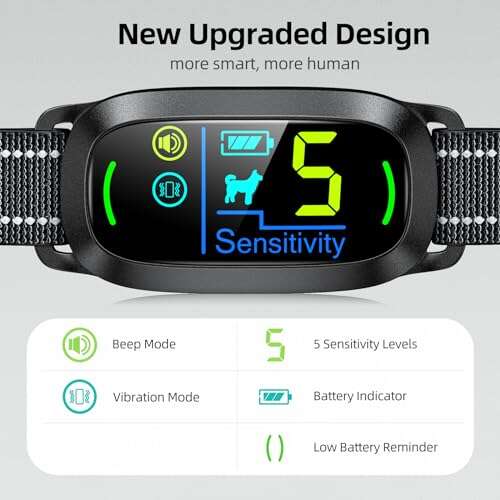
Avoid shock collars, leash jerks, yelling, and physical corrections. These methods may stop a bark for a moment, but they can add fear and may teach the dog that people bring pain. Professional behavior groups commonly warn against punishment-based training for fear and aggression.
Use extra care with children. Never ask a child to approach a barking dog, stare at it, hug it, or offer food from an open hand. A calm adult should manage the dog and the space.

Learn Your Dog’s Barking Trigger
The first training step is careful observation. Keep a small record for several days. Write down where the barking happens, who appears, how close the person is, and how long your dog takes to calm down.
Look for patterns such as:
• Barking at people through the window
• Barking when someone walks past the yard
• Barking at guests inside the home
• Barking at people on walks
• Barking at people wearing hats, uniforms, or backpacks
• Barking only at night or in low light
Distance matters. Your dog may stay calm when a person is 100 feet away but bark at 30 feet. The distance where your dog can notice a person and still eat a treat is called the working distance.
Stay outside that distance at first. Training fails when the dog is already barking, lunging, or refusing food. At that point, the brain is in alarm mode, so learning becomes much harder.
In my experience, many owners begin too close because they want fast progress. Moving farther away often feels like a step back, but it is usually the move that allows real learning to begin.

Teach a Calm Alternative
To make dog stop barking at people, give your dog a behavior to perform instead. “Be quiet” is not very clear if your dog does not know what to do next. A simple alternative may be looking at you, touching your hand, sitting, or going to a mat.
Start in a quiet room with no visitors.
-
Say your dog’s name once.
-
When your dog looks at you, give a small treat.
-
Repeat until your dog turns toward you quickly.
-
Add a hand target by placing your palm near your dog’s nose.
-
Reward when your dog gently touches your palm.
-
Practice the cue in different rooms.
Next, teach “go to your mat.” Toss a treat onto a mat. When your dog steps on it, say “yes” and give another treat. Slowly reward longer stays. Keep each session short, such as three to five minutes.
Do not wait for perfect silence before rewarding. At first, reward a pause of one second. Then reward two seconds, five seconds, and ten seconds. Small wins build the habit.
The goal is not to erase every bark. A useful goal is a dog that notices a person, checks in with you, and settles faster.
Use the Look-at-That Training Method
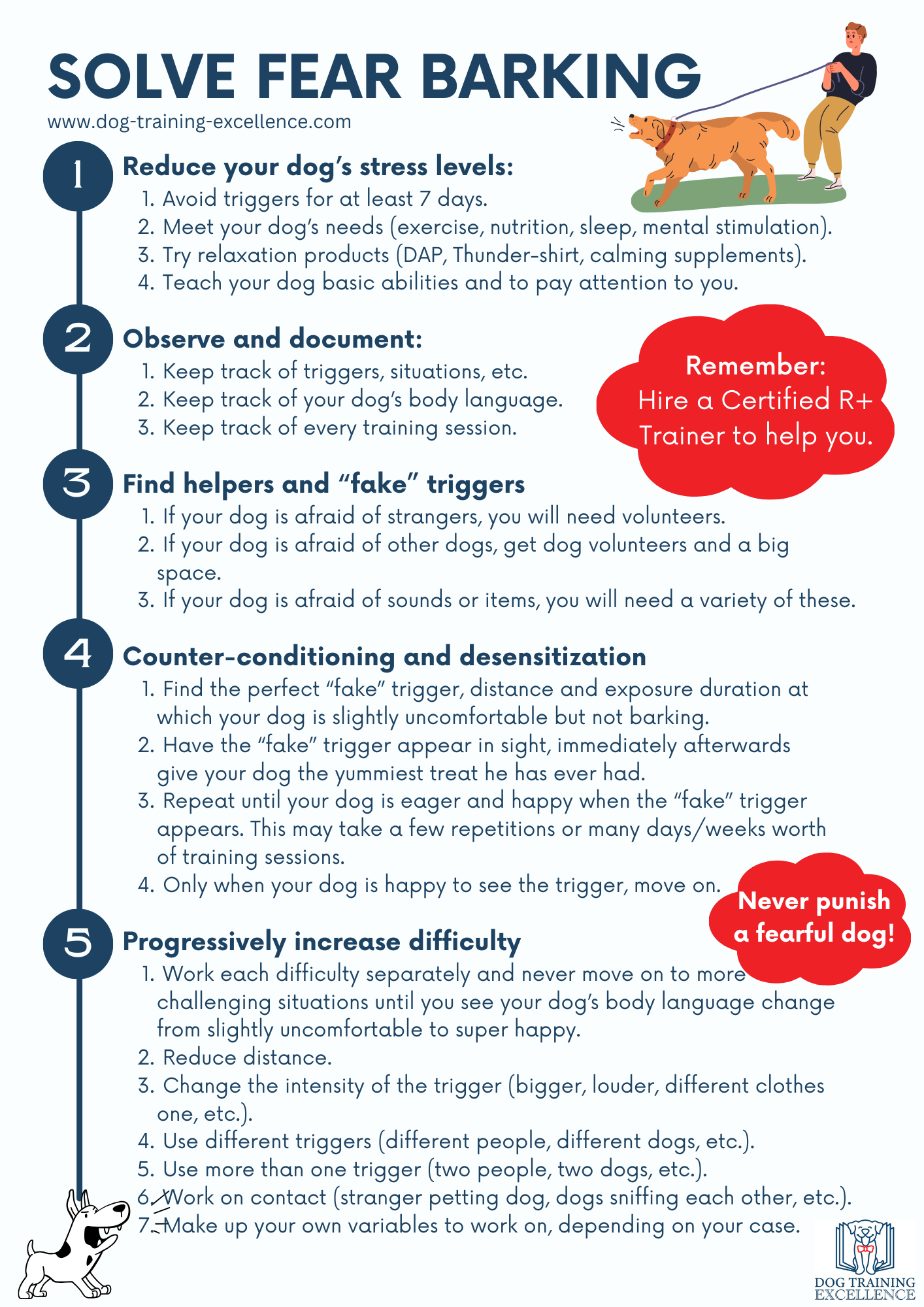
Look-at-that training helps change your dog’s emotional response. Instead of seeing a person as a threat or an overwhelming event, your dog learns that noticing a person predicts something good.
Begin with a person far enough away that your dog remains calm.
-
The moment your dog sees the person, mark the moment with “yes.”
-
Give a high-value treat, such as cooked chicken or soft cheese.
-
When the person moves away, stop giving treats.
-
Repeat several times.
Your timing matters. Give the treat after your dog notices the person but before barking starts. If your dog barks, increase the distance and wait for calm. Do not drag the dog closer.
Use short sessions. Five calm repetitions are more useful than 20 stressful ones. End while your dog is still successful.
Over time, reduce the distance by a few feet. If barking returns, move back to the last distance that worked. This process is called desensitization and counterconditioning. It is widely used in behavior work because it changes both the response and the feeling behind the response.
Stop Barking at People Through the Window
Windows can create a daily rehearsal of barking. Each person who passes may strengthen the habit, especially if the person keeps walking away. Your dog may believe that barking made the “intruder” leave.
Manage the view while you train:
• Close blinds during busy hours
• Use removable privacy film on lower windows
• Move furniture away from the window
• Play soft background sound
• Keep your dog in another room when needed
• Reward your dog for resting away from the window
You can also teach a window routine. When your dog notices someone, call the dog away from the glass and reward a hand touch or mat stay. Practice when the street is quiet before trying it during busy times.
Do not shout from across the room. To your dog, your loud voice may sound like you are joining the alarm. Calmly guide your dog away, reward quiet, and reduce the chance to practice the unwanted behavior.
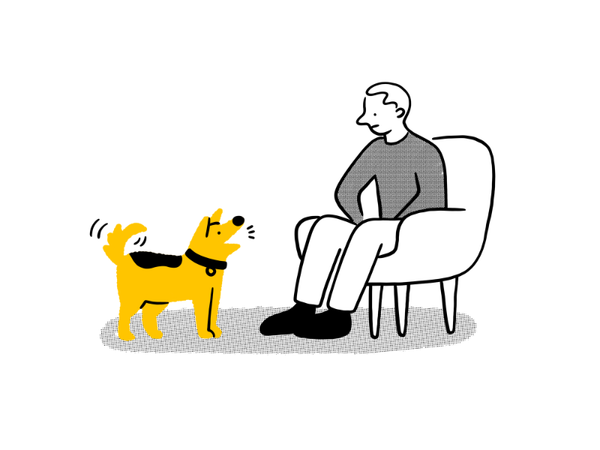
Help Your Dog Stay Calm Around People on Walks
Leash barking often comes from fear, excitement, or frustration. A tight leash can make the dog feel trapped, while a crowded sidewalk may leave no room to move away.
Choose quiet places for early training. Use a comfortable harness and bring small, soft treats. When you see a person at a safe distance, feed your dog while continuing to walk or while standing still.
If your dog cannot eat, turns stiff, or starts lunging, the person is too close. Cross the street, step behind a parked car, or turn and walk away. Leaving is not failure. It is good handling.
Try these helpful skills:
• Teach a cheerful U-turn cue at home
• Reward your dog for checking in with you
• Walk during less busy hours
• Keep greetings optional
• Ask strangers to ignore your dog
• Avoid retractable leashes in crowded areas
A person does not need to pet your dog. A polite “My dog is training” can protect your dog’s space and prevent setbacks.
Manage Visitors at Home
Visitors can create a large burst of noise because the doorbell, footsteps, voices, and movement happen at once. Set up a plan before opening the door.
Put your dog behind a baby gate or in a comfortable room. Give a food puzzle, stuffed toy, or long-lasting chew. Ask guests to enter quietly and ignore the dog at first.
Once your dog settles, you can begin controlled practice. Ask the visitor to stand still at a distance. Reward your dog for looking at the visitor and then looking back at you. Let the dog choose whether to come closer.
Do not allow guests to reach over your dog’s head. A side turn, soft voice, and tossed treat are less threatening. Some dogs may never enjoy close greetings, and that is acceptable.
One common mistake I have seen is releasing the dog too soon. The dog may appear quiet but still feel tense. Wait for loose body language, normal breathing, and the ability to respond to a simple cue.
Reward Quiet Behavior Throughout the Day
Many owners only react when barking starts. Dogs also need rewards for calm behavior that happens naturally. If your dog lies quietly while people pass, gently place a treat near the dog.
Reward calm moments such as:
• Resting on a bed
• Looking at a person without barking
• Turning away from the window
• Sniffing during a walk
• Responding to its name
• Choosing to move away from a trigger
Keep rewards small. A few pieces of kibble may work at home, while chicken or turkey may help outdoors. Match the reward to the difficulty of the task.
Exercise can help, but exhaustion is not a complete solution. A tired dog may still bark if the root cause is fear. Combine physical activity with sniffing, chewing, training games, and enough sleep.
Dogs often need 12 to 16 hours of sleep in a day, depending on age and individual needs. Poor rest can make reactions stronger.
Avoid These Common Training Mistakes
Knowing what not to do is a major part of learning how to make dog stop barking at people. Some methods seem logical but can increase stress or reward the bark by accident.
Avoid these mistakes:
• Yelling “quiet” again and again
• Punishing a warning growl
• Forcing greetings
• Holding the dog close to a trigger
• Using treats after a long barking episode without changing the setup
• Practicing for too long
• Expecting instant results
• Allowing some family members to encourage barking
A growl is useful information. Punishing it may remove the warning while leaving the fear in place. Always take a growl seriously and create more space.
Also avoid relying on bark collars as the main solution. They may suppress sound without teaching calm behavior. They can be especially harmful when barking comes from fear or anxiety.
Consistency matters more than intensity. Ten calm minutes each day can do more than one hard session each week.
Build a Simple Seven-Day Training Plan
A clear schedule makes it easier to stay consistent. Adjust the pace if your dog becomes worried or stops taking treats.
Days 1 and 2: Find the trigger
Record when barking happens. Block unsafe views and choose high-value rewards. Practice your dog’s name, hand target, and mat cue indoors.
Days 3 and 4: Train at a safe distance
Work with a calm helper or observe people from far away. Reward your dog each time it notices a person without barking. Keep sessions short.
Days 5 and 6: Add movement
Ask the helper to walk slowly across the space. Continue feeding while your dog stays relaxed. Increase distance if the dog becomes tense.
Day 7: Practice real-life skills
Use quiet streets, short visitor practice, or brief window sessions. End early while your dog is successful.
Track progress by measuring recovery time, distance, and calm check-ins. Do not measure success only by total silence. A dog that used to bark for five minutes but now settles in 30 seconds has made meaningful progress.
When to Get Professional Help
Some barking problems need more than home training. Contact a professional if your dog has bitten, made contact with a person, redirected aggression toward you, or shows severe panic.
Professional help is also wise when:
• Your dog cannot eat near people
• The behavior is getting worse
• Your dog lunges despite careful distance
• The barking happens in many settings
• You feel unsafe handling the dog
• There is a sudden behavior change
Look for a certified veterinary behaviorist, a certified applied animal behaviorist, or a trainer who clearly uses reward-based methods. Ask what tools they use and how they handle fear, aggression, and anxiety.
A professional should observe the dog’s body language, take a detailed history, and create a gradual plan. Medication may help some dogs with severe anxiety, but it should support behavior training rather than replace it. Only a veterinarian can assess and prescribe medication safely.
Frequently Asked Questions About How to Make Dog Stop Barking at People
How long does it take to stop a dog from barking at people?
Some dogs improve within a few weeks, while others need several months. The timeline depends on the cause, the dog’s age, past experiences, health, and how often the barking occurs.
Should I yell at my dog to be quiet?
No. Yelling can sound like barking and may increase your dog’s excitement or fear. Calmly create distance, wait for a pause, and reward quiet behavior instead.
Should I let my dog greet every person?
No. Dogs do not need to greet everyone. Allowing calm, optional greetings is safer than forcing contact, especially when your dog is fearful or easily overwhelmed.
Can treats stop my dog from barking at strangers?
Treats can help when you use them before the dog becomes highly aroused. Pair the sight of a person with food, keep a safe distance, and slowly build tolerance over time.
Why does my dog bark at people only when on a leash?
A leash can limit escape and increase frustration. Give your dog more space, use a comfortable harness, practice U-turns, and reward calm attention before the person gets close.
Should I punish my dog for growling at people?
No. A growl is a warning that your dog feels uncomfortable. Increase distance and seek professional help if the warning is frequent, intense, or linked to lunging or biting.
What if my dog keeps barking even after training?
Review the distance, reward timing, and trigger level. If your dog is still unable to relax or the behavior is worsening, ask your veterinarian or a qualified behavior professional for an individual plan.
Conclusion
Learning how to make dog stop barking at people starts with understanding the reason behind the bark. Use management to prevent repeated outbursts, reward calm choices, teach an alternative behavior, and work below your dog’s stress limit.
Progress may come in small steps. A quiet glance, a quick check-in, or a faster recovery all count. Begin today with one calm session, protect your dog’s space, and contact a qualified professional if safety is a concern. Share your experience with a trusted trainer or explore more reward-based dog behavior resources for continued support.

Pet Care Writer & Researcher
Daniel writes practical guides on daily care, feeding, and safety, turning complex topics into simple, actionable advice.