Why Does A Dog Bark At You: Reasons Explained
Why does a dog bark at you? Learn the common reasons behind this behavior and how to respond calmly and effectively.
A dog may bark at you because it feels excited, afraid, threatened, protective, or eager to communicate.
Understanding why does a dog bark at you starts with more than the sound itself. A bark is part of a dog’s body language, and its meaning depends on tone, posture, surroundings, and what happens next. This guide explains the most common causes, how to read the signals, and how to respond safely and calmly.
Why Does a Dog Bark at You?
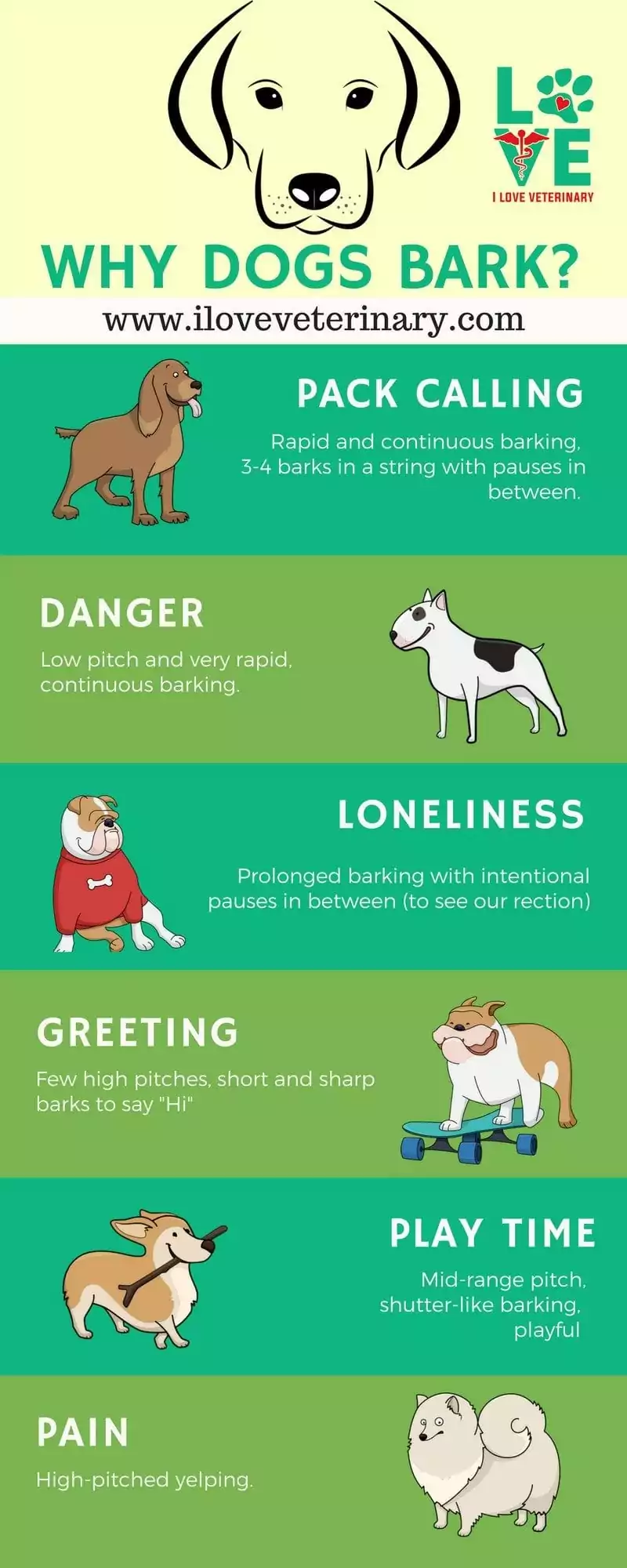
Dogs bark to share information. They may warn others, ask for something, show excitement, or release stress. Unlike human speech, one bark does not have one fixed meaning.
When people ask, “Why does a dog bark at you?” the best answer is usually found in the full situation. Watch the dog’s body, listen to the bark, and notice what changed just before it started.
Common reasons include:
- Fear or discomfort around a stranger
- Territorial behavior near a home, yard, or vehicle
- Excitement when greeting someone
- A request for food, play, attention, or space
- Frustration caused by a leash, fence, or closed door
- Pain, illness, hearing loss, or changes linked to aging
- Learned behavior that has been rewarded in the past
A bark is like an alarm bell. It tells you that something matters to the dog, but it does not tell you exactly what that thing is.

The Most Common Reasons a Dog Barks at You
Fear or uncertainty
A nervous dog may bark because you seem unfamiliar or unpredictable. This is common when a person walks directly toward the dog, makes strong eye contact, reaches over its head, or moves quickly.
Fear barking often comes with signs such as:
- A stiff or lowered body
- Ears pulled back
- Tail tucked under the body
- Lip licking or yawning
- Leaning away
- Barking while trying to retreat
In this case, the dog is not always trying to attack. It may be saying, “Please stay away.” Giving the dog more space is often the safest response.
Territorial behavior
Some dogs bark at people near their home, fence, car, or favorite resting place. The dog may see you as a possible intruder, even if you are simply walking past the property.
Territorial barking can sound deep and sharp. The dog may stand tall, move toward the fence, raise its tail, or focus intensely on you. A dog behind a barrier may appear bold because the fence gives it confidence, but barriers can also increase frustration.
Excitement and greeting
Not every bark is negative. Some dogs bark when they are thrilled to see a person. They may bounce, wag their whole body, bring a toy, or make high-pitched sounds.
This often happens when a dog has learned that barking brings attention. If people greet the dog, pet it, or open a door after barking, the behavior may become stronger over time.
A request for attention
Dogs quickly learn what works. If barking makes you look at them, talk to them, feed them, or throw a ball, they may repeat it.
Attention barking can happen when a dog wants:
- A walk
- A toy
- Food
- Access to another room
- A greeting
- Relief from boredom
The dog may pause and look at you between barks. That pause can be a clue that it is waiting for a response.
Frustration
A dog may bark at you because it cannot reach you or cannot get what it wants. Leashes, windows, fences, crates, and closed doors can all create frustration.
For example, a dog may bark at a person outside a window because it wants to investigate. It may also bark at its owner when the owner stops playing. The bark is often paired with pacing, jumping, whining, or pulling.
Pain or illness
A sudden change in barking should not be ignored. A normally quiet dog that begins barking often may be in pain, confused, stressed, or unwell.
Dental pain, arthritis, skin problems, vision changes, hearing loss, and cognitive decline can affect behavior. If the barking is new, intense, or paired with other changes, schedule a veterinary checkup.

How to Read a Dog’s Body Language
The sound of a bark matters, but body language gives you more useful information. Learning how to read it can help you understand why does a dog bark at you in that moment.
Signs of fear
A fearful dog may show:
- A tucked tail
- A curved or lowered body
- Wide eyes
- Ears held back
- Frequent lip licking
- Attempts to hide or escape
Do not corner a fearful dog. A dog that feels trapped may snap even if it has never shown aggression before.
Signs of confidence or threat
A dog that feels confident may stand tall with a stiff body. Its tail may be high and still, and its eyes may stay fixed on you.
Other warning signs include:
- A wrinkled nose
- Raised fur along the back
- A closed, tense mouth
- A low growl
- Direct movement toward you
- Showing teeth
These signs do not guarantee that a bite will happen, but they mean you should increase distance and avoid touching the dog.
Signs of friendly excitement
A relaxed dog often has a loose body and soft eyes. Its mouth may be open, its tail may move naturally, and its movements may look wiggly rather than stiff.
Still, a wagging tail does not always mean happiness. Tail movement shows arousal or emotion, not one specific feeling. Always consider the entire body.

Why Does a Dog Bark at You but Not Other People?
Dogs do not respond to every person in the same way. A dog may bark at you because your clothing, movement, voice, scent, or behavior differs from what it expects.
Possible triggers include:
- Hats, sunglasses, uniforms, or bulky coats
- Walking with a cane, stroller, or umbrella
- A fast or direct approach
- A deep voice or loud greeting
- Strong perfume or the scent of another animal
- Previous negative experiences with similar people
- A posture that the dog finds intimidating
This does not mean the dog dislikes you. Dogs notice small details that people often miss. A person wearing a delivery uniform may trigger a dog because the dog has learned that uniforms often appear at the door.
Breed can influence tendencies, but it does not tell you exactly what one dog will do. Genetics, socialization, training, health, and past experiences all matter.

Why Does a Dog Bark at You When You Walk Past?
A dog may bark at you while you walk past because movement activates its alert or chase response. The dog may also be guarding its property or reacting to a person it cannot approach.
Dogs behind fences often bark at passing people, bicycles, cars, and other dogs. The behavior may become stronger because the moving target eventually disappears. From the dog’s point of view, barking seems to make the person leave.
Do not tease, stare at, or approach a barking dog behind a fence. Keep walking at a steady pace. If the dog is loose, stop moving, turn your body slightly away, and avoid running.

Why Does a Dog Bark at You and Wag Its Tail?
A wagging tail can mean excitement, uncertainty, tension, or happiness. It does not automatically mean the dog wants to be touched.
Look at the speed and shape of the wag:
- A loose, wide wag often suggests relaxed excitement
- A high, stiff wag may signal alertness or tension
- A low, fast wag may show uncertainty
- A tucked tail with small movements often suggests fear
Also check the dog’s face and posture. A soft body and relaxed mouth are more reassuring than a stiff body and fixed stare.
When you are unsure, assume the dog needs space. It is safer to wait for the dog to relax than to test its limits.
What to Do When a Dog Barks at You
Your response can calm the situation or increase the dog’s stress. Use slow movements and keep your actions predictable.
If the dog is unfamiliar
Follow these steps:
- Stop or slow down.
- Turn your body slightly sideways.
- Keep your hands low and still.
- Avoid staring into the dog’s eyes.
- Do not reach over the dog’s head.
- Give the dog a clear path to move away.
- Ask the owner before attempting contact.
If the dog approaches, let it sniff only if its body looks loose and relaxed. Do not force interaction. A calm “no” or a quiet pause is often better than excited talking.
If the dog belongs to you
First, identify what happens before the barking. Keep a simple record of the time, place, trigger, body language, and your response.
Then reward calm behavior. For example, when the dog sees a visitor and remains quiet for a moment, offer a treat or praise. Gradually practice at a distance where the dog can still think.
Avoid yelling. From the dog’s view, yelling may sound like you are joining the barking. Punishment can also increase fear and may hide warning signs without fixing the emotion behind the behavior.
How to Reduce Excessive Barking
The goal is not always to stop every bark. Barking is normal communication. The goal is to reduce barking that is excessive, unsafe, or caused by distress.
Helpful methods include:
- Add daily walks, play, and scent games.
- Block the dog’s view of busy windows.
- Use white noise to reduce outside sounds.
- Teach a calm “quiet” cue with rewards.
- Practice visitor greetings in small steps.
- Reward the dog before barking becomes intense.
- Use food puzzles and safe chew items.
- Avoid rewarding barking with instant attention.
- Work with a qualified positive-reinforcement trainer.
Training works best when it changes the dog’s emotional response. A dog that feels safer has less reason to bark. Flooding a fearful dog with people or loud events can make the problem worse.
If the behavior involves lunging, snapping, biting, or severe fear, seek help from a veterinarian or a certified behavior professional. A veterinarian can also check for medical causes.
Mistakes to Avoid When a Dog Barks at You
People often react quickly because barking feels personal or threatening. However, several common responses can increase risk.
Avoid these mistakes: