
How To Stop Dog Barking In Car: Proven Training Tips
Learn how to stop dog barking in car with simple training tips, calming strategies, and expert advice for peaceful, stress-free drives.
Use calm training, safe restraint, gradual car practice, and reward quiet behavior to stop dog barking in car.
Car barking can turn a short trip into a stressful event for both you and your dog. The noise may come from fear, excitement, motion sickness, frustration, or a strong reaction to people and cars outside the window.
Learning how to stop dog barking in car starts with finding the cause. With the right setup and small, steady training steps, many dogs learn to ride quietly and feel safer on the road.
Why Dogs Bark in the Car
Dogs rarely bark in the car for no reason. Barking is a form of communication, so the sound, timing, and body language can offer useful clues.


A dog may bark because:
• The car feels strange or unsafe.
• Passing cars, cyclists, or people trigger excitement.
• The dog feels trapped and cannot reach what it sees.
• Motion causes nausea or dizziness.
• The dog has learned that barking makes the car stop.
• The dog wants attention from the driver.
• The dog is anxious about the destination, such as a vet clinic.
A dog that pants, drools, trembles, licks its lips, hides, or vomits may have travel anxiety or motion sickness. A dog that leans toward the window, whines, and watches outside may be overstimulated by movement.
The first step in how to stop dog barking in car is to identify the pattern. Note when barking starts, what your dog sees, and whether the behavior stops when the view changes.


Make the Car Safer and Less Stimulating
Before training begins, improve the car environment. A comfortable dog is more able to learn than a frightened or overstimulated dog.
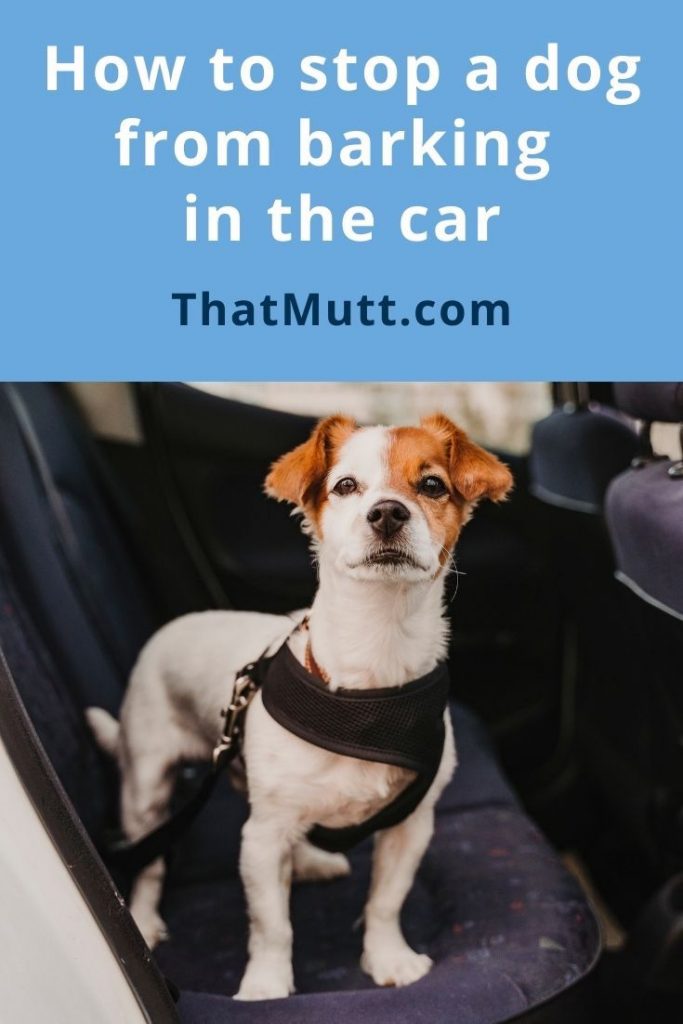
Use a crash-tested harness or a secured travel crate. Never let your dog ride loose, sit on your lap, or place its head outside the window. Loose pets can distract the driver and may suffer serious injury during sudden braking.
Try these simple changes:
• Place the crate on a level surface and cover part of it with a light blanket.
• Use a back-seat hammock to reduce movement and block some outside views.
• Keep the windows closed or open them only slightly.
• Play soft, steady music if road noise makes your dog tense.
• Bring a familiar blanket or toy from home.
• Keep the car cool and well ventilated.
• Avoid strong air fresheners and loud sounds.
A partial visual barrier often helps dogs that bark at every passing car. The goal is not to isolate your dog completely. It is to reduce the number of sights that trigger a reaction.
Never leave a dog alone in a parked car, even on a mild day. Vehicle temperatures can rise quickly, and cracked windows do not make the car safe.

Rule Out Motion Sickness and Pain
Some dogs bark because they feel sick. They may also drool, yawn, swallow often, whine, vomit, or refuse treats. Puppies are especially likely to develop motion sickness because their balance systems are still maturing.
Motion sickness can create a lasting fear of the car. A dog may begin barking as soon as it sees the vehicle because it expects to feel ill.


Speak with your veterinarian if you notice signs of nausea, pain, or extreme distress. A veterinarian can check for ear problems, joint pain, stomach issues, and anxiety. They can also discuss safe medication when needed.
Do not give human motion sickness medicine without veterinary advice. The correct drug and dose depend on your dog’s size, age, health, and other medicines.
A health check is an important part of how to stop dog barking in car. Training will work poorly if every ride makes your dog physically uncomfortable.

Train Your Dog to Like the Car
The best training plan uses gradual exposure. This means you introduce the car in small steps before expecting your dog to handle a long drive.
Start with the car parked in a quiet place. Keep the doors open and allow your dog to investigate. Reward calm behavior with small, tasty treats.
Follow this order:
-
Reward your dog for looking at the car calmly.
-
Reward your dog for walking near the car.
-
Let your dog sit inside the parked car with the engine off.
-
Close a door for a few seconds, then open it.
-
Start the engine without moving.
-
Back out of the driveway and return.
-
Take a one-minute drive around the block.
-
Slowly increase the trip length.


End each session while your dog is still calm. Several short sessions work better than one long ride that ends in panic.
If your dog barks, do not rush forward. Make the next session easier. For example, return to sitting in the parked car with the engine off.
This gradual process is called desensitization. Pairing each step with food or play is called counterconditioning. Together, these methods can change the car from a source of fear into a predictor of good things.

Teach a Quiet Cue at Home
Training a quiet cue in the car is difficult if your dog does not understand it at home. Begin in a calm room with few distractions.
Wait for a brief pause in barking. Say “quiet” in a relaxed voice, then give a treat. Do not shout, since a loud voice may sound like more barking to your dog.
Practice for a few minutes at a time. Gradually reward longer periods of silence.
You can use this simple routine:
• Allow one or two barks.
• Say “quiet” once.
• Wait for a short pause.
• Mark the pause with “yes” or a click.
• Give a treat.
• Repeat several times.
Avoid repeating “quiet, quiet, quiet.” Repetition can teach your dog that the word has no meaning.
Once the cue works indoors, practice near the front door, in the driveway, and inside the parked car. Then use it during very short drives.
The quiet cue should not replace the wider training plan. It is one tool within how to stop dog barking in car, not a magic command.

Reduce Triggers Outside the Window
Many dogs bark at moving objects because they cannot understand why the objects disappear so quickly. Others bark from frustration because they want to chase or greet what they see.
A window blocker can help. You can also position the crate so your dog faces the rear of the vehicle or place your dog in the middle of the back seat.
Avoid opening the window when barking begins. If barking makes the window open, your dog may learn that barking controls the environment.
Instead, wait for a moment of quiet, then offer praise or a treat. This teaches your dog that calm behavior, not barking, earns rewards.
If a trigger appears and your dog stays quiet, reward right away. Timing matters. The reward should arrive within a second or two of the calm behavior.
In my experience, owners often reward too late. They wait until the trigger has passed, then give a treat. Dogs may not connect the reward with staying calm. Quick timing makes the lesson much clearer.

Keep Your Dog Calm During the Ride
A calm routine can make car travel easier. Give your dog a bathroom break before leaving, but avoid a large meal immediately before the trip.
A short walk or sniffing session may reduce excess energy. However, intense exercise right before travel can make some dogs hot, thirsty, or unsettled.
During the ride:
• Drive smoothly and avoid sudden braking.
• Keep the volume low.
• Do not turn around to comfort your dog while driving.
• Ask another adult to handle treats when possible.
• Stop for breaks on longer trips.
• Keep your dog secured at all times.
Puzzle toys or long-lasting chews may help some dogs. Use only items that are safe for your dog and cannot break into choking hazards. Test a new item at home before using it in the car.
Never punish barking with yelling, shaking, shock collars, or harsh corrections. Punishment may increase fear and can make your dog associate the car with danger. Veterinary behavior specialists generally favor reward-based methods because they protect trust and reduce stress.

What to Do When Barking Starts
Your response can either reduce barking or strengthen it. Stay calm and focus on safety first.
If you are driving, do not reach back or turn around. Pull over in a safe place if the barking blocks your attention or creates a dangerous distraction.
When stopped:
-
Check that your dog is secure and not overheated.
-
Reduce visual triggers with a cover or barrier.
-
Wait for a brief quiet pause.
-
Reward calm behavior.
-
Continue only when your dog is settled.
Do not stop every trip at the exact moment barking begins. Your dog may learn that barking makes the car stop. Instead, when safe, wait for a short quiet moment before ending the session.
Still, do not force a dog through severe panic. Heavy panting, frantic escape attempts, shaking, vomiting, or self-injury mean the session is too hard. End it safely and contact a veterinarian or qualified behavior professional.
Common Mistakes That Make Car Barking Worse
Many caring owners make small mistakes without realizing it. These errors are easy to fix once you understand the learning pattern.
Common problems include:
• Taking long trips before short trips are comfortable.
• Allowing the dog to ride loose.
• Rewarding the dog only after a long barking episode.
• Opening the window when the dog barks.
• Shouting “stop” repeatedly.
• Using a crate that is too hot, small, or poorly secured.
• Practicing only when going to stressful places.
• Ignoring signs of motion sickness.
Try taking your dog on short trips to pleasant places, such as a quiet park or a friend’s home. If every ride ends at the veterinarian, your dog may learn that the car predicts something unpleasant.
A useful rule is to change one factor at a time. If you increase trip length, keep the route quiet. If you add more traffic, keep the drive short.
When to Get Professional Help
Some dogs need more than home training. Seek professional support if barking is intense, sudden, or linked with fear or aggression.
A veterinarian should be involved when your dog:
• Vomits or drools heavily during rides.
• Tries to escape from the crate or harness.
• Bites the crate, door, or restraint.
• Shows signs of pain.
• Becomes distressed before entering the car.
• Does not improve after several weeks of careful practice.
Ask your veterinarian about referral to a certified veterinary behaviorist or a reward-based professional trainer. Look for someone who uses humane methods and can explain the plan clearly.
Medication may help some dogs, but it should support behavior training rather than replace it. Medication decisions require professional guidance, especially for dogs with heart, liver, kidney, or breathing conditions.
There is no single timeline for how to stop dog barking in car. Some dogs improve in days. Others need several weeks or months. Progress is usually faster when training stays below the dog’s fear limit.
A Simple Seven-Day Training Plan
A short plan can make the process feel manageable. Adjust the pace if your dog becomes tense.
Day 1: Observe
Watch your dog near the car. Identify the first trigger and record body language.
Day 2: Approach
Reward your dog for standing near the car without barking.
Day 3: Enter
Let your dog sit inside the parked car for a few minutes. Keep the doors open.
Day 4: Close the Doors
Close one door for a few seconds. Reward calm behavior, then release your dog.
Day 5: Start the Engine
Keep the car parked. Start the engine for a short time and reward quiet behavior.
Day 6: Take a Short Drive
Drive for one or two minutes on a quiet street. Return home before your dog becomes upset.
Day 7: Add Time
Repeat the short drive or add only a few minutes. Do not increase speed, traffic, and trip length at once.
If your dog barks during a step, go back to the last successful step. This is not failure. It is useful information about your dog’s comfort level.
Frequently Asked Questions About How to Stop Dog Barking in Car
Why does my dog bark at everything outside the car?
Your dog may be excited, frustrated, fearful, or trying to chase moving sights. Blocking part of the view and rewarding quiet behavior can reduce these reactions.
Should I ignore my dog’s barking in the car?
Ignore attention-seeking barking when it is safe, but do not ignore panic, sickness, or unsafe behavior. Pull over if barking distracts you, then reduce the trigger and reward calm behavior.
Will a crate stop my dog from barking in the car?
A crate can reduce movement and block visual triggers, but it will not solve the cause of barking by itself. Introduce the crate slowly and make sure it is secure, comfortable, and properly sized.
Can I use a bark collar in the car?
Bark collars are not a good first choice for car barking, especially when fear or anxiety is involved. They may suppress sound without changing the emotion behind the behavior and can increase distress.
How long does it take to stop dog barking in car?
The time varies by dog and by cause. Mild excitement may improve within a few weeks, while anxiety, motion sickness, or past trauma may require veterinary care and longer training.
Should I give my dog treats while driving?
The driver should not reach back or handle treats while the vehicle is moving. A second adult can give small treats, or you can reward your dog during safe stops.
Conclusion
The most effective way to stop dog barking in car is to combine safety, health checks, trigger control, and gradual reward-based training. Use a secure harness or crate, reduce outside stimulation, reward quiet moments, and keep each practice session short.
Do not rush the process or punish your dog for fear. Start with the easiest step today, track small improvements, and ask your veterinarian for help if your dog shows sickness or severe distress. With patience and a steady plan, calmer car rides are a realistic goal.

Pet Care Writer & Researcher
Daniel writes practical guides on daily care, feeding, and safety, turning complex topics into simple, actionable advice.


One Comment