
Do Samoyeds Bark A Lot: Barking Facts & Tips
Do Samoyeds bark a lot? Learn why they vocalize, what triggers barking, and practical tips to help your Samoyed stay calm and quiet.
Yes, Samoyeds often bark a lot, especially when bored, excited, lonely, or trying to alert you.
Samoyeds are bright, social dogs bred to work closely with people, so vocal sounds are part of their nature. This guide explains why do Samoyeds bark a lot, what their different sounds mean, and how kind, steady training can reduce unwanted barking without trying to change the breed’s friendly personality.
Do Samoyeds bark a lot?
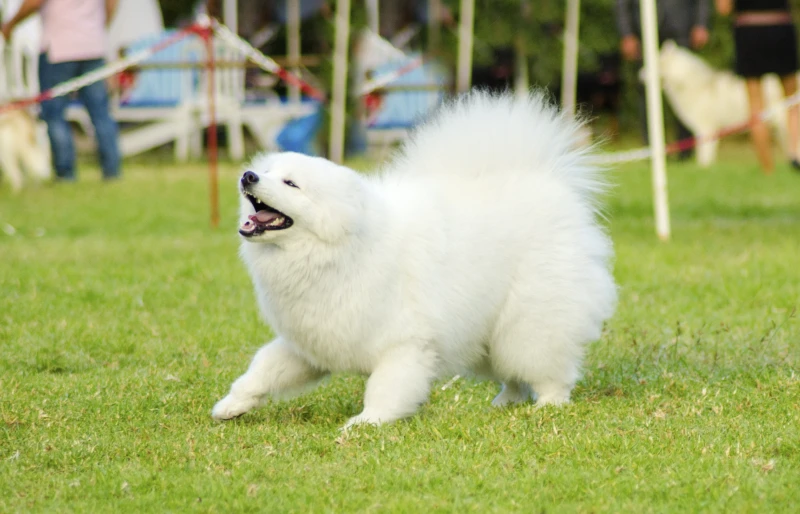
Yes, Samoyeds are known to be fairly vocal dogs. They may bark, howl, whine, yodel, or make soft “talking” sounds during the day.
Still, barking levels vary from one dog to another. A well-exercised Samoyed with good training may be calm at home, while a lonely, bored, or under-stimulated dog may bark often.
The key point is that do Samoyeds bark a lot depends on several factors:
• Age and personality
• Daily exercise
• Mental stimulation
• Social needs
• Noise and activity around the home
• Separation from family members
Samoyeds were developed as working dogs in cold northern regions. They helped herd reindeer, pull sleds, and stay close to people. Their work required alertness and communication, which helps explain why many Samoyeds use their voices more than quiet breeds.
A Samoyed does not always bark because something is wrong. Sometimes the dog is simply excited, asking for attention, greeting you, or reacting to a sound outside.

Why do Samoyeds bark so much?
Understanding the cause is the first step toward better behavior. Barking is not one single problem. It is a form of communication.
They want attention
Samoyeds are people-focused dogs. If your dog learns that barking makes you look at them, speak to them, open a door, or offer a toy, the behavior may grow stronger.
For example, a Samoyed may bark when you are working at a desk. If you stop working every time, your dog may learn that barking is an effective way to start an interaction.
They feel bored
A bored Samoyed can become noisy very quickly. This breed has a lively mind and needs more than a short walk around the block.
Without enough activity, your dog may bark at:
• Passing cars
• Birds and squirrels
• People walking by
• Outdoor noises
• Shadows and moving objects
• Other pets
Boredom barking often appears when the dog has no job or activity. Puzzle toys, scent games, training sessions, and safe play can help fill that gap.
They need more exercise
Samoyeds usually need daily physical activity. Their needs vary with age, health, and fitness, but many adults enjoy long walks, hikes, games, and structured play.
A dog with unused energy may bark, pace, jump, chew, or chase. Exercise does not solve every behavior issue, but it can lower stress and make training easier.
They are excited
Samoyeds often bark when they see a leash, hear a doorbell, meet a visitor, or prepare to go outside. Excitement barking is common in friendly dogs.
This type of barking may come with:
• Wiggling
• Spinning
• Jumping
• Fast movement
• A high, sharp bark
Your goal is not to punish excitement. Instead, teach your dog that calm behavior makes good things happen.
They feel lonely
samoyeds form strong bonds with their families. Long periods alone can lead to barking, whining, chewing, or attempts to escape.
This is especially important if the barking starts soon after you leave. Separation-related distress may need a careful plan, gradual alone-time training, and help from a qualified veterinary behavior professional.
They are alerting you
A Samoyed may bark when someone approaches the home or when a strange sound comes from outside. Alert barking is normal, but it can become excessive if the dog keeps reacting to every sound.
Closing blinds, using background noise, and teaching a quiet cue can help reduce repeated alerts.
They are anxious or uncomfortable
Fear, pain, illness, and stress can also cause barking. A sudden change in vocal behavior deserves attention.
Contact your veterinarian if barking appears with:
• Limping or stiffness
• Loss of appetite
• Restlessness
• Confusion
• Aggression
• Changes in sleep
• Excessive licking
Behavior problems can have a medical cause, so it is wise to rule out health issues before focusing only on training.

What does Samoyed barking sound like?
Samoyeds do not use just one sound. Their vocal behavior can seem dramatic, but each sound may carry a different message.
Common Samoyed sounds include:
• Sharp barking when they notice movement or a new sound
• Repeated barking when they want attention
• Howling when they hear sirens, music, or another dog
• Whining when they feel frustrated, worried, or eager
• Yodeling or warbling during excitement
• Low grumbles during play or mild protest
Learning the setting matters more than judging the sound alone. A bark near the front window may signal an alert. The same bark beside an empty food bowl may be a request.
Watch your dog’s body language as well. Loose muscles, a wagging tail, and playful movement suggest excitement. A tucked tail, stiff body, pinned ears, or repeated pacing may point to fear or stress.
Do Samoyeds bark a lot when they are happy? They can. Happiness and excitement often produce vocal sounds, especially during greetings or play. That does not always mean the dog is distressed.
How much barking is normal for a Samoyed?
There is no fixed number of barks that defines “normal.” A better question is whether the barking fits the situation and whether your dog can settle afterward.
A few alert barks at a visitor may be normal. Barking for an hour at every outdoor sound may signal unmet needs, anxiety, or a learned habit.
Consider these questions:
• Does the barking have a clear trigger?
• Can your dog stop after the trigger is gone?
• Does your dog relax after exercise?
• Is the behavior new?
• Does barking disturb sleep or neighbors?
• Does your dog seem afraid or distressed?
A healthy, well-adjusted Samoyed may still be louder than a Greyhound or a Basenji. The aim is not complete silence. The aim is reasonable communication and the ability to settle.
Owners sometimes expect a Samoyed to behave like a naturally quiet breed. That expectation can create frustration. Choosing this breed means accepting some vocal behavior as part of the package.

How to stop excessive Samoyed barking
The best approach combines prevention, training, exercise, and careful observation. Punishment may stop a bark for a moment, but it often does not fix the reason behind the behavior.
1. Find the trigger
Keep a simple barking record for several days. Write down:
• Time of day
• What happened before barking
• Where your dog was
• How long barking lasted
• What ended it
Patterns often become clear. Your Samoyed may bark only at delivery workers, only when left alone, or only in the evening.
2. Meet daily needs
A tired mind is often calmer than an under-stimulated one. Provide a mix of physical and mental activities.
Useful options include:
• Sniff walks
• Short obedience sessions
• Food puzzles
• Hide-and-seek games
• Fetch in a safe area
• Trick training
• Supervised play with suitable dogs
Avoid increasing exercise too fast, especially with puppies. Growing joints need sensible activity, and excessive running can cause strain.
3. Reduce visual triggers
If your Samoyed barks through the window, manage the view before training begins. Use curtains, window film, or a baby gate to limit access to busy areas.
This is not giving in. It is smart prevention. Every repeated barking episode can strengthen the habit, so reducing practice matters.
4. Teach a quiet cue
First, let your dog notice a mild trigger. When your Samoyed pauses, calmly say “quiet” and reward the silence.
Keep the reward small and give it quickly. At first, even one second of quiet is useful. Slowly increase the quiet period over time.
Never shout “quiet” over loud barking. Your dog may think you are barking too.
5. Reward calm behavior
Notice your dog when they are resting quietly. Offer praise, a treat, or gentle attention before barking begins.
This teaches an important lesson: calm behavior also gets results. Many owners focus only on stopping bad behavior and forget to reward the behavior they want.
6. Practice controlled greetings
Ask visitors to ignore your dog until all four paws are on the floor. You can also place a mat near the entrance and reward your Samoyed for staying there.
Start with easy practice. A family member can knock softly, wait for calm, and then enter. Increase the challenge in small steps.
7. Train alone time gradually
If your dog barks when you leave, avoid sudden long absences during training. Begin with a few seconds and slowly build up, as long as your dog remains calm.
Food toys, a safe resting area, and quiet background sound may help. If your dog panics, drools heavily, damages doors, or tries to escape, seek professional help rather than forcing longer absences.
8. Avoid harsh corrections
Shock collars, yelling, and intimidation can increase fear. They may also hide warning sounds without improving the dog’s emotional state.
Reward-based training is safer and more effective for teaching new skills. It also supports trust, which is especially valuable with a social breed like the Samoyed.

Can you train a Samoyed not to bark?
You can reduce unnecessary barking, but you probably cannot make a Samoyed completely silent. Vocal communication is part of the breed’s temperament.
Training works best when you teach an alternative response. For example, your dog can look at you, go to a mat, bring a toy, or sit quietly after one alert bark.
Use short sessions of three to five minutes. Samoyeds are intelligent, but they can become bored with repetition. Keep lessons upbeat and end while your dog is still engaged.
A simple plan may look like this:
-
Identify a mild barking trigger.
-
Stand far enough away that your dog can still think.
-
Wait for a pause in barking.
-
Say your quiet cue.
-
Reward the pause.
-
Repeat several times.
-
Slowly make the trigger more realistic.
If your dog cannot eat, respond, or pause, the situation is too difficult. Increase distance or reduce the intensity of the trigger.
Do Samoyed puppies bark more than adults?
Samoyed puppies may bark often because they are learning how the world works. They may vocalize when tired, hungry, excited, frustrated, or separated from their litter and family.
Puppies also have limited self-control. A young Samoyed may bark at a toy that rolls away or protest when placed in a crate.
Helpful puppy habits include:
• Keeping a regular sleep schedule
• Providing safe chew toys
• Teaching short calm periods
• Rewarding quiet behavior
• Using gentle crate training
• Avoiding attention during demand barking
Do not expect a puppy to stay calm for long periods. Puppies need frequent toilet breaks, rest, play, and contact. Overtired puppies often act like tired toddlers and may bark more, not less.

Do Samoyeds bark more when left alone?
They can, especially when they have separation anxiety or strong social needs. However, barking alone does not prove separation anxiety.
Use a camera or audio recording to learn what happens after you leave. A dog with separation distress may bark continuously, pace, scratch doors, pant, drool, or ignore food.
A dog that barks for five minutes and then sleeps may have a different issue, such as a brief protest or reaction to an outside sound.
For serious cases, ask your veterinarian about a referral to a certified veterinary behaviorist or a qualified positive-reinforcement trainer. Treatment may include behavior work, home changes, and sometimes medication.

Are Samoyeds good apartment dogs?
Samoyeds can live in apartments, but the home must support their exercise and social needs. Square footage matters less than daily routine, noise control, and access to outdoor activity.
Apartment life may be difficult if your Samoyed barks at hallway sounds, elevators, neighbors, or traffic. Early sound training and careful management are important.
An apartment Samoyed needs:
• Daily walks with time to sniff
• Mental games indoors
• A predictable schedule
• Training for door and hallway sounds
• Enough time with the family
• A plan for alone time
Before choosing the breed, consider your neighbors and your schedule. If you work long hours and want a quiet dog that can relax alone, a Samoyed may not be the easiest match.
Common mistakes that make barking worse
Many loving owners accidentally reward barking. This happens because barking is loud and hard to ignore.
Common mistakes include:
• Giving treats while the dog is barking
• Opening the door during loud greetings
• Yelling from another room
• Providing too little exercise
• Leaving the dog alone for too long
• Allowing window barking all day
• Using punishment without finding the cause
• Expecting instant results
Consistency matters. If barking works sometimes, your dog may bark even more because the reward is unpredictable. This is similar to a slot machine: occasional success can make a behavior very persistent.
Do Samoyeds bark a lot because owners train them badly? Not usually. Genetics, temperament, environment, and life history all matter. Training can shape the behavior, but owners should not blame themselves for every vocal habit.
When to seek professional help
Some barking problems are too complex for basic home training. Professional support is a sensible choice, not a sign of failure.
Seek help if:
• Barking is sudden or extreme
• Your dog seems fearful
• Your dog shows aggression
• Your dog injures itself trying to escape
• Neighbors complain repeatedly
• Training produces no improvement
• Your dog cannot settle after triggers end
Start with a veterinary checkup when the change is sudden. For training, look for a professional who uses reward-based methods and can explain the plan clearly.
A good professional will assess the cause, not simply try to silence the dog. That distinction protects your Samoyed’s welfare and gives you a better chance of lasting improvement.
Frequently Asked Questions About Do Samoyeds Bark a Lot
Do Samoyeds bark more than other dogs?
Many Samoyeds are more vocal than quiet companion breeds. Their barking, howling, whining, and talking sounds reflect their social and working background.
Are Samoyeds noisy at night?
They can be noisy at night if they hear sounds, feel lonely, need the bathroom, or lack enough daytime activity. A steady bedtime routine and reduced access to outside triggers can help.
Can a Samoyed live with close neighbors?
Yes, but careful training and daily enrichment are important. A Samoyed that barks at hallway sounds or spends long hours alone may create problems in a shared building.
Do Samoyeds bark when they are bored?
Boredom is a common reason for repeated barking. More exercise, scent games, food puzzles, and short training sessions can help meet their physical and mental needs.
Do Samoyeds bark when they are happy?
Yes, excitement and happiness can cause barking or playful vocal sounds. Look at the full body language to tell happy excitement from fear or distress.
How do I stop my Samoyed from barking at strangers?
Manage the environment, teach a quiet cue, and reward calm behavior around strangers. If your dog reacts with fear or aggression, work with a qualified behavior professional.
Conclusion
Do Samoyeds bark a lot? They often do, but frequent barking is not unavoidable. Their vocal nature comes from strong social instincts, intelligence, alertness, and a working history.
You can reduce unwanted barking by meeting daily needs, limiting triggers, rewarding calm behavior, and teaching useful skills. Avoid harsh corrections, watch for signs of anxiety or illness, and seek professional help when the problem feels overwhelming.
With patience and a clear routine, a Samoyed can be expressive without taking over your home. If you live with one, start by tracking the barking trigger today and reward the first quiet moment you see.

Pet Care Writer & Researcher
Daniel writes practical guides on daily care, feeding, and safety, turning complex topics into simple, actionable advice.




2 Comments