
What’s The Healthiest Food For Dogs: Best Healthy Choices
Find out what’s the healthiest food for dogs, from balanced diets to nutritious ingredients that support energy, digestion, and long-term wellness.
The healthiest food for dogs is a complete, balanced diet with quality protein, safe nutrients, and portions suited to each dog.
Knowing what’s the healthiest food for dogs is not about finding one magic ingredient. It means matching a nutritionally complete food to your dog’s age, size, activity, health, and personal needs. This guide explains how to choose wisely, avoid common risks, and build better feeding habits based on veterinary nutrition guidance.
What Is the Healthiest Food for Dogs?
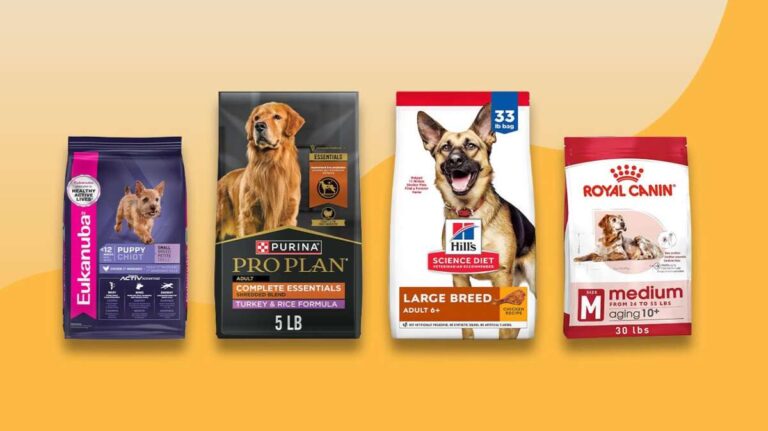
For most healthy dogs, the healthiest food is a complete and balanced commercial diet that meets nutritional standards set by the Association of American Feed Control Officials, or AAFCO. It may be dry kibble, canned food, fresh food, or a combination of these options.
The best diet should provide:
• Animal or plant-based protein for muscles and body repair
• Healthy fats for energy, skin, and coat health
• Carbohydrates for energy and fiber
• Vitamins and minerals for body functions
• Water for digestion, circulation, and temperature control
The phrase “complete and balanced” matters. It means the food is designed to provide all essential nutrients in the right amounts for a specific life stage.
When people ask what’s the healthiest food for dogs, they often focus on ingredients such as chicken, beef, rice, or sweet potatoes. Ingredients matter, but the full nutrient profile matters more. A food can contain appealing ingredients yet still lack key nutrients if it is not properly formulated.

The Best Dog Food Depends on Your Dog
There is no single food that is perfect for every dog. A growing puppy, a senior Labrador, and a dog with kidney disease need very different meals.
Life stage
Puppies need more calories, protein, calcium, and other nutrients for growth. Large-breed puppies need carefully controlled mineral levels because rapid growth can stress developing bones and joints.
Adult dogs need food that supports a stable weight and daily activity. Senior dogs may need fewer calories, more digestible protein, or nutrients that support joint and organ health.
Look for a label that says the food is suitable for your dog’s life stage. A puppy food is not always right for an adult dog, and an adult maintenance diet may not support a growing puppy.
Size and activity
A working dog may need far more energy than a small dog who spends most of the day resting. Even dogs of the same breed can have different needs.
Active dogs may benefit from a calorie-dense diet. Dogs that gain weight easily may need measured portions and a lower-calorie formula. Feeding instructions on the package are a starting point, not a strict rule.
Health conditions
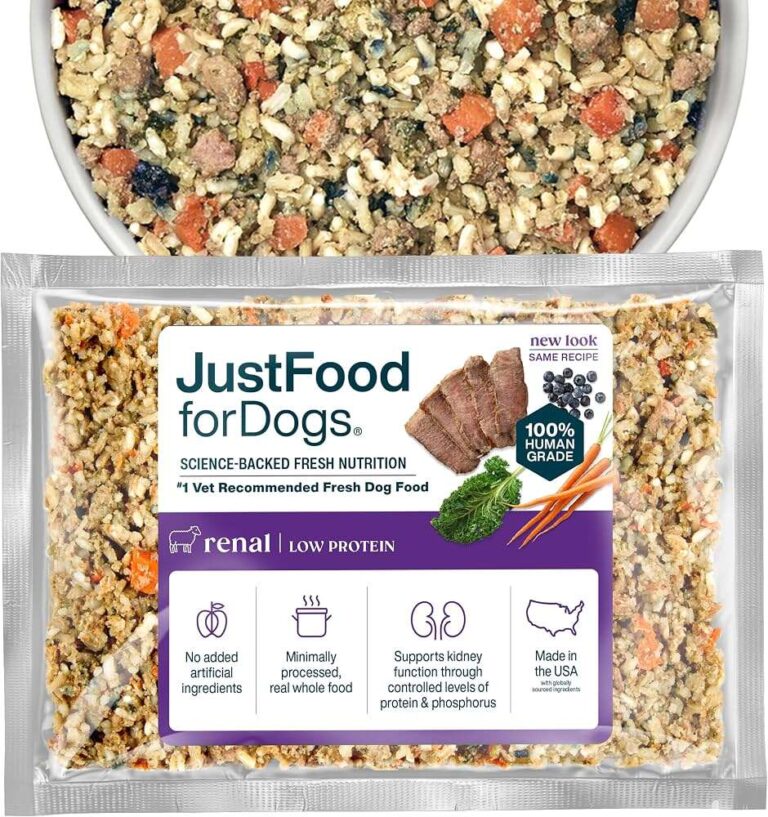
Dogs with allergies, diabetes, kidney disease, pancreatitis, or digestive disorders may need veterinary nutrition advice. Prescription diets are made for specific medical needs and should not be replaced with internet recipes or trendy food plans.
A useful rule is simple: if your dog has a medical condition, ask your veterinarian before changing food.
Healthy Ingredients to Look for in Dog Food
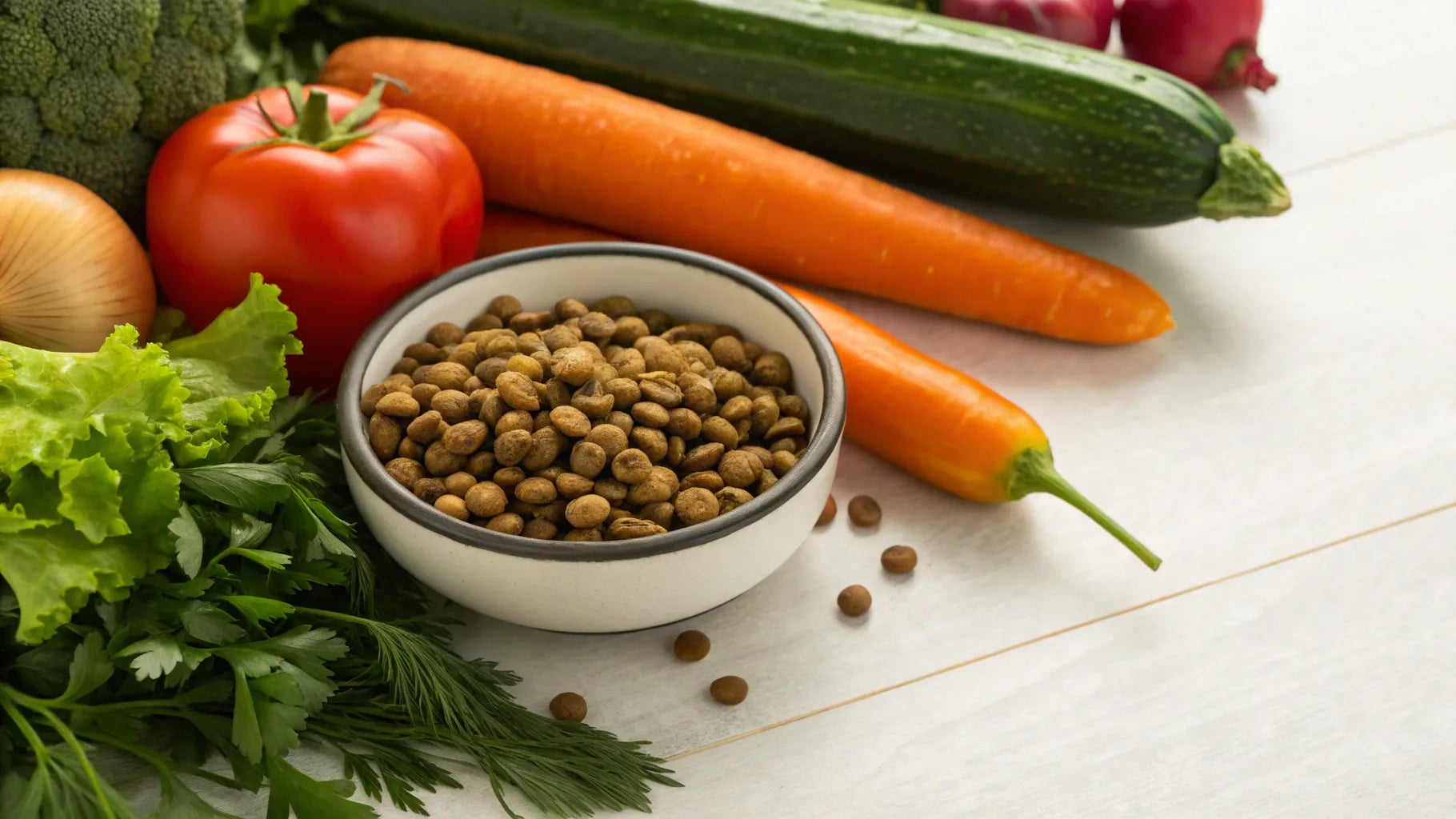
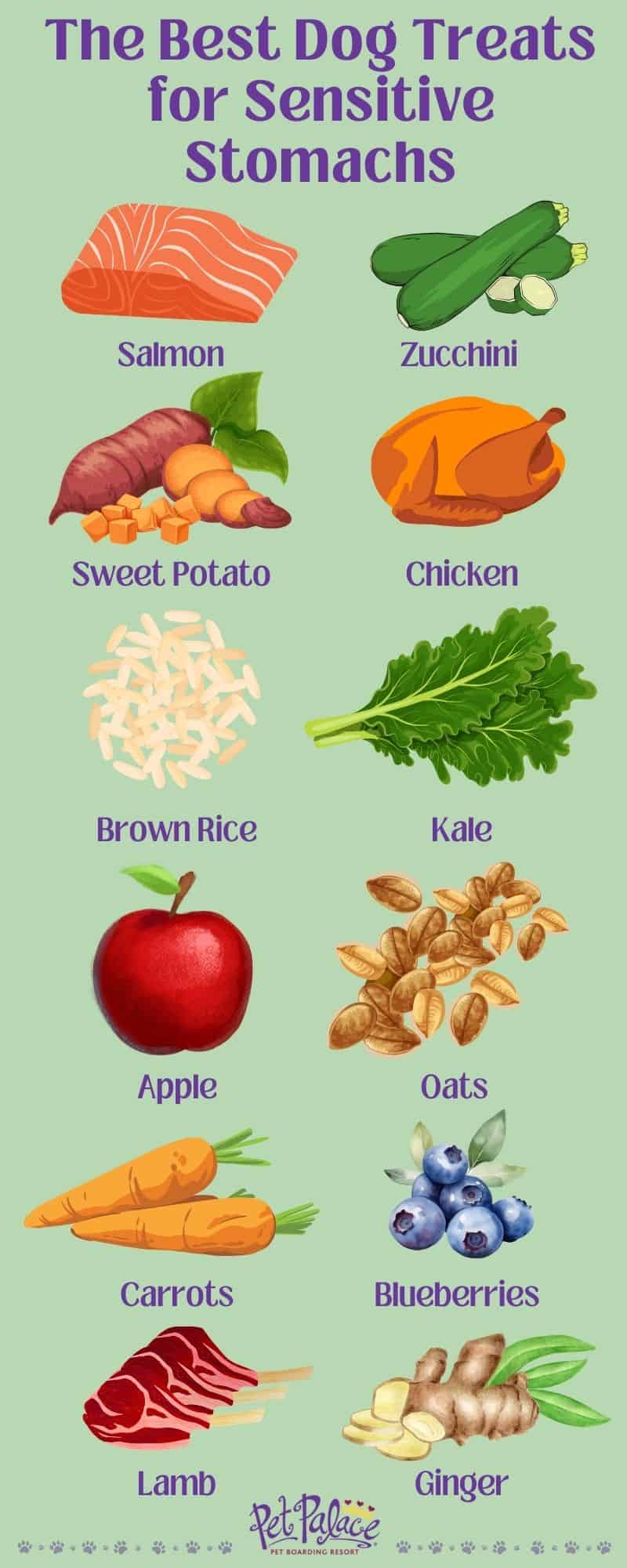
A strong dog food formula usually includes several types of ingredients that work together. No single ingredient tells the whole story.
Quality protein
Protein supports muscles, organs, enzymes, hormones, skin, and coat. Common sources include:
• Chicken
• Turkey
• Beef
• Fish
• Lamb
• Eggs
• Soy
• Peas and other legumes
Dogs can digest both animal and plant proteins. The key is whether the complete recipe provides enough essential amino acids.
Some owners assume that meat must always be the first ingredient. While this can be useful information, it does not prove that the food is nutritionally superior. Ingredients are listed by weight, and water content can change the order.
Healthy fats
Fats provide concentrated energy and help the body absorb vitamins A, D, E, and K. Omega-3 fatty acids from fish oil may support skin, coat, joints, and normal inflammation control.
Look for sources such as fish oil, salmon oil, chicken fat, or flaxseed. Dogs with certain health problems may not tolerate high-fat food, so more fat is not always better.
Fiber and digestible carbohydrates
Dogs can use carbohydrates as an energy source. Ingredients such as rice, oats, barley, potatoes, and sweet potatoes can provide energy and fiber when properly included in a balanced formula.
Fiber may support regular bowel movements and healthy gut function. Too much fiber, however, can reduce calorie density or cause gas and loose stools.
Vitamins and minerals
Calcium, phosphorus, zinc, copper, iron, iodine, and vitamins are essential for normal body function. These nutrients must be balanced carefully.
This is one reason homemade diets can be risky. A bowl of meat and rice may look wholesome, but it may not contain enough calcium, iodine, zinc, or other nutrients over time.
Dry Food, Wet Food, Fresh Food, or Homemade Meals?
The healthiest food for dogs may come in more than one form. Each type has benefits and limits.
Dry dog food
Dry food is convenient, affordable, easy to measure, and simple to store. It can also help some dogs maintain a regular feeding routine.
Its main limitation is lower moisture. Dogs that do not drink much water may benefit from adding wet food or extra water, depending on veterinary advice.
Wet dog food
Canned food contains much more water than dry food. This can help increase fluid intake and may be useful for dogs with dental pain or low appetite.
Wet food is often more expensive per calorie. Once opened, it must be refrigerated and used within the time listed on the package.
Fresh or gently cooked food
Fresh food can be appealing to picky eaters. Some products are complete and balanced, while others are intended only as treats or meal toppers.
Always read the nutritional statement. “Made with fresh ingredients” does not automatically mean the product meets all nutrient needs.
Homemade dog food
Homemade meals can work when they are formulated by a board-certified veterinary nutritionist. Random recipes from blogs, social media, or family traditions may create nutrient gaps.
Common homemade diet problems include too little calcium, an incorrect calcium-to-phosphorus ratio, low zinc, low iodine, and insufficient vitamin D. Supplements should be used only as directed because excessive nutrients can also cause harm.
Raw food
Raw diets remain controversial. Potential concerns include Salmonella, Listeria, parasites, broken bones, choking, and nutrient imbalance. These bacteria can also spread to people through bowls, hands, floors, and kitchen surfaces.
Dogs may carry harmful bacteria without looking sick. Families with young children, older adults, pregnant people, or anyone with a weakened immune system should be especially cautious.
How to Read a Dog Food Label
Reading the label helps you make a better choice than relying on marketing words alone.
Check the nutritional adequacy statement
Find the statement that explains whether the food is complete and balanced. It should identify the life stage, such as growth, adult maintenance, or all life stages.
A food labeled for “intermittent or supplemental feeding only” should not make up your dog’s full diet unless your veterinarian gives specific instructions.
Review the calorie information
Calories are often listed as kilocalories per cup, can, or kilogram. This number helps you compare foods and control portions.
Two foods may look similar but contain very different amounts of energy. Calorie information is especially important for small dogs because even a few extra bites can add up.
Use the guaranteed analysis wisely
The guaranteed analysis lists minimum crude protein and fat, along with maximum moisture and fiber. It is useful, but it does not reveal the full quality or digestibility of the food.
For a more accurate comparison, ask the manufacturer for a typical nutrient analysis or contact your veterinarian.
Do not fear every unfamiliar ingredient
Ingredients with long scientific names are not automatically unsafe. Many are vitamins, minerals, amino acids, or preservatives used to keep food stable.
By contrast, words such as “natural,” “premium,” and “holistic” may have limited value because they do not always describe nutritional quality.
How Much Should Your Dog Eat?
Portion control is as important as food quality. Even the healthiest food for dogs can cause weight gain when served in excess.
Start with the feeding guide on the package. Then adjust based on your dog’s body condition, activity, age, and weight trend.
A healthy dog should have:
• Ribs that can be felt under a thin layer of fat
• A visible waist when viewed from above
• An abdominal tuck when viewed from the side
• Normal energy and movement
Treats should generally provide no more than 10 percent of daily calories. The remaining 90 percent should come from a complete and balanced food.
Count table scraps, dental chews, training treats, and food used to give medicine. A small piece of cheese may seem harmless, but repeated treats can quietly add hundreds of calories each week.
If your dog is overweight, do not sharply cut food without guidance. Large calorie reductions can leave the diet short on essential nutrients. A veterinarian can help create a safe weight-loss plan.
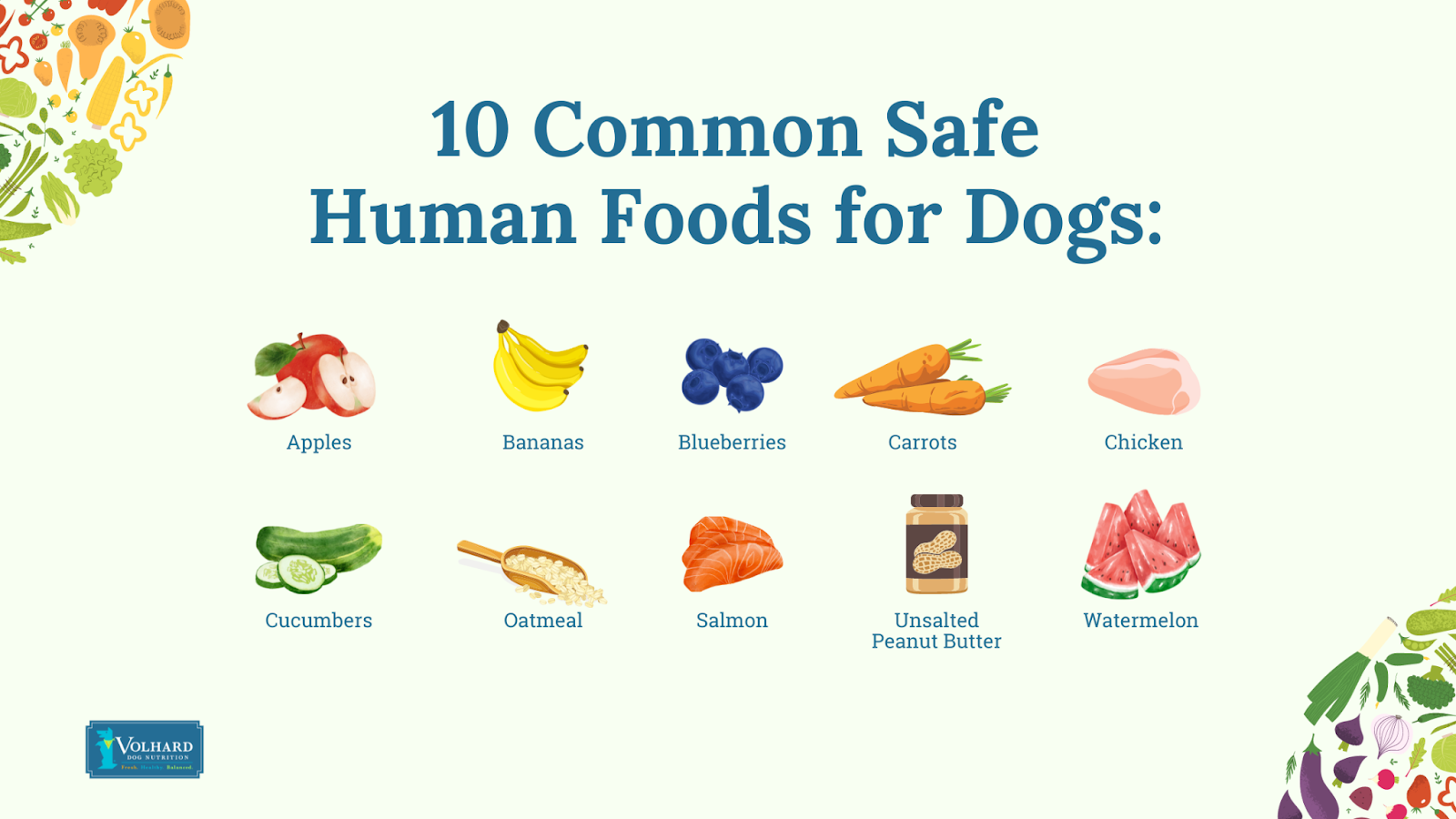
Safe Human Foods for Dogs
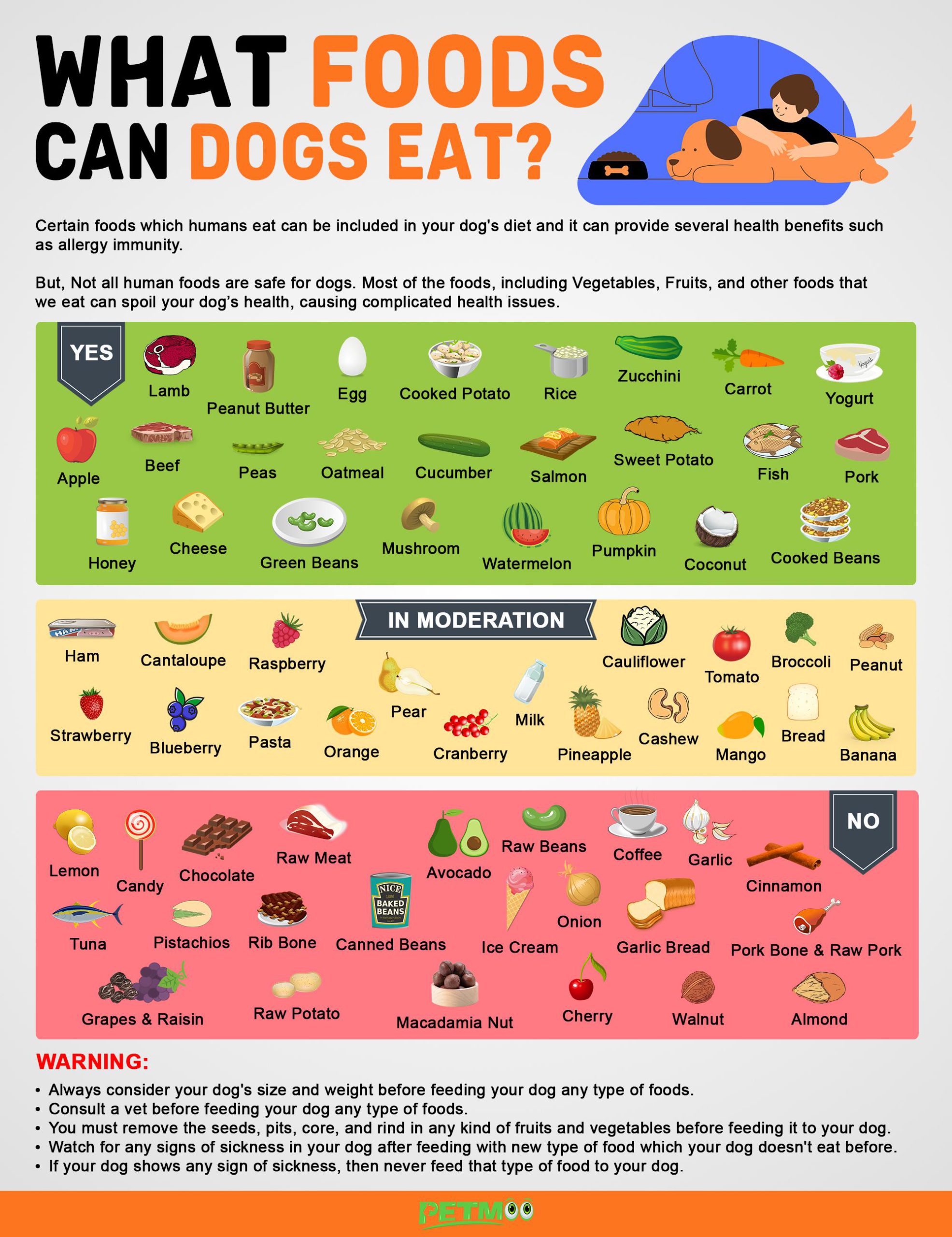
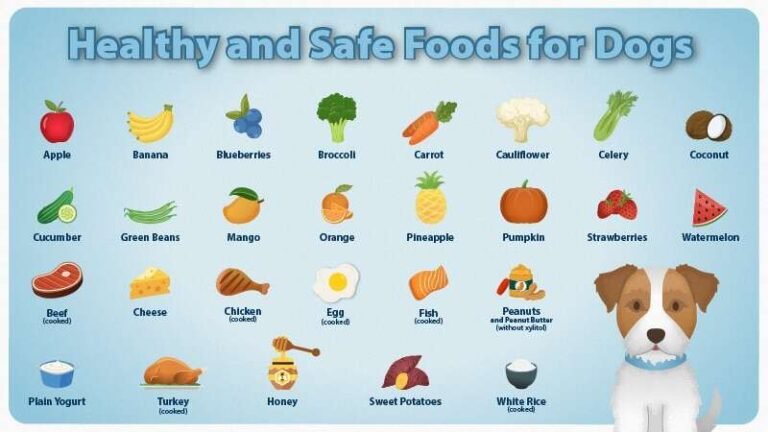
Some plain human foods can be healthy additions in small amounts. They should remain treats or toppers, not replace balanced dog food.
Generally safe choices include:
• Cooked, unseasoned chicken or turkey
• Plain cooked eggs
• Carrots
• Green beans
• Pumpkin without added sugar or spices
• Apples without seeds or core
• Blueberries
• Cucumber
• Plain rice
• Small amounts of cooked salmon
Introduce one new food at a time. This makes it easier to notice vomiting, diarrhea, itching, or other signs of intolerance.
Avoid foods that can be toxic or dangerous, including:
• Chocolate
• Grapes and raisins
• Onions, garlic, and chives
• Xylitol, also called birch sugar
• Alcohol
• Caffeinated drinks
• Macadamia nuts
• Raw yeast dough
• Cooked bones
• Very fatty or heavily seasoned foods
If your dog eats a known toxin, contact a veterinarian or a pet poison service right away. Do not wait for symptoms to appear.
Common Mistakes When Choosing Dog Food
Many feeding mistakes come from good intentions. Owners want to provide the healthiest food for dogs, but marketing and online advice can be confusing.
Choosing food based only on the first ingredient
The first ingredient does not tell you whether the entire food is balanced. Evaluate the nutritional statement, calorie content, life-stage claim, and company quality controls.
Changing food too quickly
A sudden change can cause diarrhea, gas, or vomiting. Transition over about seven days by slowly increasing the new food while reducing the old food.
Sensitive dogs may need a longer transition. If digestive signs are severe or continue, contact your veterinarian.
Overusing toppers
Toppers can make meals more appealing, but too many can unbalance the diet. Keep extras small and count them as part of the daily calorie intake.
Trusting grain-free claims
Grain-free food is not automatically healthier. Most dogs can digest grains, and grains can provide useful nutrients and fiber.
The U.S. Food and Drug Administration has investigated reports of canine dilated cardiomyopathy involving some diets, including certain grain-free diets with high amounts of peas, lentils, or potatoes. The issue is complex and has not been explained by one simple ingredient. Discuss diet changes with your veterinarian, especially if your dog has heart concerns.
Following a recipe without expert review
A recipe may look balanced but still miss key nutrients. This is one of the most important lessons in canine nutrition: healthy-looking food is not always nutritionally complete.
A Practical Feeding Plan for Better Dog Health
Use these steps when selecting or improving your dog’s diet:
- Identify your dog’s life stage, size, activity level, and health needs.
- Choose a food with a clear complete-and-balanced statement.
- Check that it is made for the correct life stage.
- Compare calories per cup, can, or serving.
- Measure meals with a standard measuring cup or kitchen scale.
- Keep treats below about 10 percent of daily calories.
- Introduce food changes slowly.
- Track body weight and body condition.
- Keep fresh water available at all times.
- Ask your veterinarian about unusual symptoms or special diets.
A practical tip is to take a photo of the food label before your veterinary visit. It helps your veterinarian review ingredients, calories, and feeding instructions without guesswork.
Food is only one part of health. Regular exercise, dental care, parasite prevention, sleep, and routine veterinary checks also matter.
How Experts Evaluate Dog Food Companies
The healthiest food for dogs is not determined by a pretty package alone. The company behind the food also matters.
Look for manufacturers that:
• Employ qualified veterinary nutritionists or animal nutrition experts
• Conduct feeding trials or strong nutrient testing
• Use quality control checks for ingredients and finished products
• Provide clear contact information
• Explain where and how the food is made
• Offer nutrient details when requested
No label can guarantee that a food will suit every dog. Some dogs need a trial period, and individual tolerance varies.
Veterinary organizations commonly encourage owners to focus on nutritional adequacy, proper portions, safety, and professional advice rather than internet trends. This balanced approach is more reliable than judging food by price, packaging, or a single ingredient.
Frequently Asked Questions About What’s the Healthiest Food for Dogs
What is the healthiest food for dogs overall?
For most healthy dogs, it is a complete and balanced food made for their life stage and appropriate calorie needs. The best choice also supports a healthy weight and causes no digestive or allergic problems.
Is homemade food healthier than commercial dog food?
Not automatically. Homemade food can be healthy when formulated by a veterinary nutrition specialist, but many home recipes lack essential vitamins and minerals.
Can dogs eat only meat?
No. Meat alone does not provide every nutrient dogs need. A long-term meat-only diet can cause serious deficiencies, including calcium imbalance.
Is grain-free food better for dogs?
Grain-free food is not automatically better. Most dogs tolerate grains well, and grain-free diets may replace grains with other carbohydrate sources that are not necessarily more nutritious.
How often should dogs eat?
Most adult dogs do well with one or two measured meals each day. Puppies usually need more frequent meals, while some medical conditions require a specific feeding schedule.
Are raw diets safe for dogs?
Raw diets can expose dogs and people to harmful bacteria, parasites, choking hazards, and nutrient imbalance. If you are considering one, discuss the risks and safer alternatives with your veterinarian first.
How do I know if my dog’s food is working?
Look for steady weight, firm stools, good energy, healthy skin, and a shiny coat. Persistent itching, vomiting, diarrhea, weight change, or low energy deserves veterinary attention.
Conclusion
The healthiest food for dogs is a complete and balanced diet that fits the individual dog. Focus on life stage, calories, portion size, ingredient quality, food safety, and any medical needs.
Avoid making sudden changes or trusting bold marketing claims. Measure meals, limit treats, provide fresh water, and ask your veterinarian for help when your dog has special needs.
Use this guide to review your dog’s current food today, then share your experience or questions in the comments and explore more trusted canine nutrition resources.

Pet Care Writer & Researcher
Daniel writes practical guides on daily care, feeding, and safety, turning complex topics into simple, actionable advice.


One Comment