What Are Good Foods For Dogs To Eat: Healthy Choices
What are good foods for dogs to eat? Find safe, nutritious options and simple feeding tips to support your dog’s health and happiness.
Good foods for dogs to eat include lean meats, cooked vegetables, safe fruits, plain grains, and complete balanced dog food.
Knowing what are good foods for dogs to eat can help you choose healthier treats and add variety without upsetting your dog’s stomach. The best choices depend on your dog’s age, size, activity level, health, and current diet. This guide explains safe foods, serving tips, foods to avoid, and common mistakes so you can feed your dog with confidence.
What Makes a Food Good for Dogs?
Good dog food should provide useful nutrients without too much fat, salt, sugar, or seasoning. Dogs need protein, fat, carbohydrates, vitamins, minerals, and water. However, they need these nutrients in the right amounts.
A complete and balanced commercial dog food should remain the main part of most dogs’ diets. Treats and human foods can add flavor, but they should not replace a meal unless your veterinarian creates a balanced home-cooked plan.
When considering what are good foods for dogs to eat, use these simple rules:
• Choose plain foods with little or no seasoning.
• Serve cooked meat without bones, skin, or excess fat.
• Cut food into small pieces to lower choking risk.
• Introduce one new food at a time.
• Keep treats and extras to about 10% or less of daily calories.
• Ask your veterinarian before changing food for a puppy, senior dog, or dog with a medical condition.
The FDA, veterinary nutrition experts, and major veterinary organizations agree that sudden diet changes can cause stomach upset. A slow change over several days is usually easier on your dog.
Healthy Protein Foods for Dogs
Protein supports muscles, skin, organs, hormones, and immune function. Many dogs enjoy plain animal protein, but preparation matters. Avoid fried meat, rich sauces, spicy seasonings, and foods cooked with onion or garlic.
Good protein choices include:
Cooked chicken and turkey
Plain, cooked chicken or turkey can be a useful high-protein treat. Remove the skin, bones, and visible fat. Dark meat is often higher in fat than breast meat, so portions should stay small.
Never give cooked poultry bones. They can splinter and damage the mouth, throat, stomach, or intestines.
Lean beef
Lean ground beef or small pieces of cooked beef may be safe for dogs. Drain excess fat and do not add salt, butter, pepper, onion, or garlic.
Hamburger meat is not automatically healthy. Fatty beef can cause vomiting, diarrhea, or pancreatitis in sensitive dogs.
Fish
Plain cooked salmon, whitefish, and other low-mercury fish can provide protein and omega-3 fatty acids. These fats may support skin, coat, and joint health.
Remove every bone before serving. Do not give raw fish unless a veterinary professional has designed and approved the diet, because raw fish may carry harmful bacteria or parasites.
Eggs
Fully cooked eggs can be a tasty source of protein. Serve them plain, without butter, salt, cheese, or oil.
Raw eggs are not a good routine choice. They may carry bacteria, and frequent raw egg white intake may interfere with nutrient use.
Plain yogurt
Some dogs can handle small amounts of plain, unsweetened yogurt with live cultures. It may provide protein and calcium.
However, many dogs have trouble digesting lactose. Stop serving yogurt if your dog develops gas, loose stool, vomiting, or belly pain.

Safe Fruits for Dogs
Fruit can provide fiber, water, and some vitamins. It also contains natural sugar, so portions should be modest. Wash fruit well and remove stems, leaves, pits, and seeds when needed.
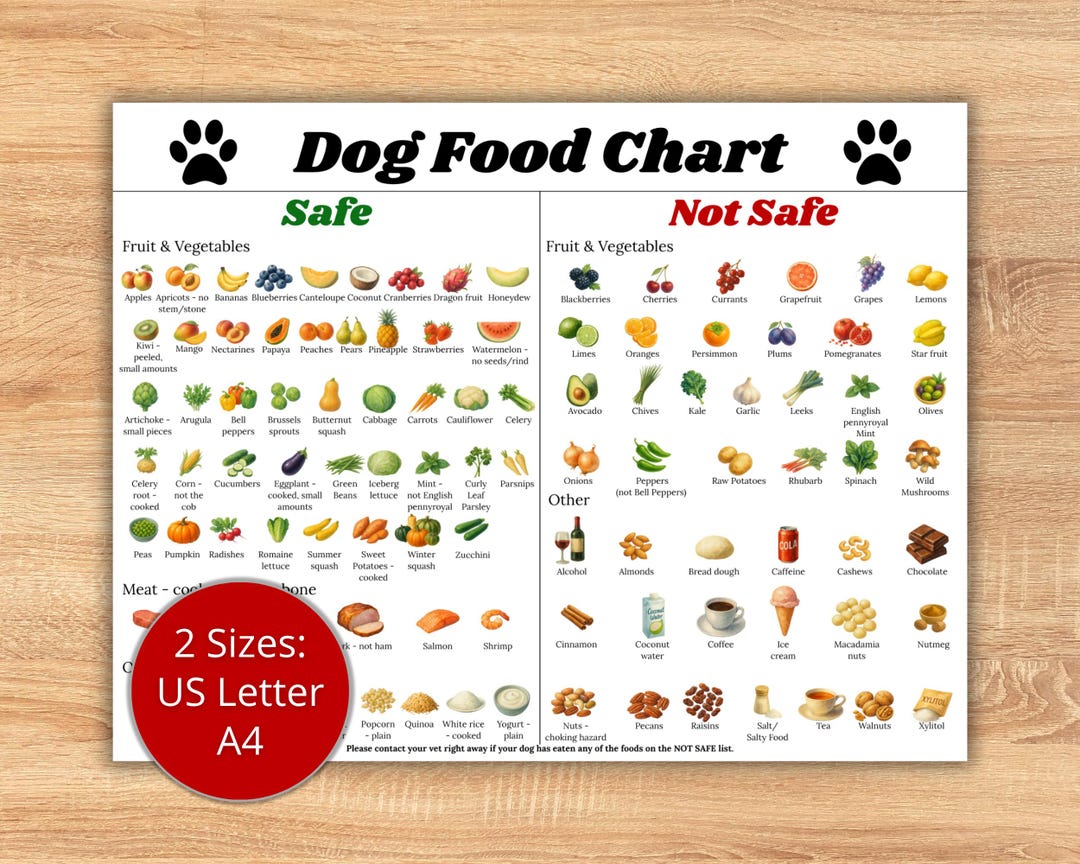
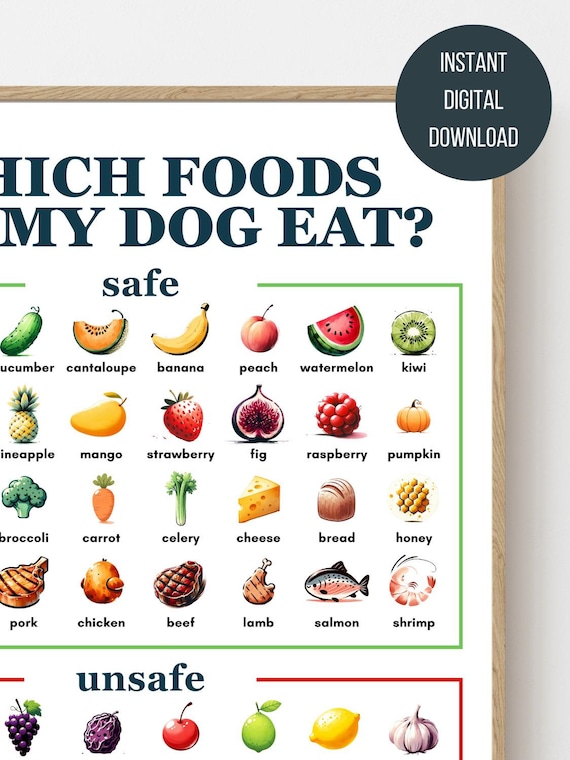
Common safe fruits include:
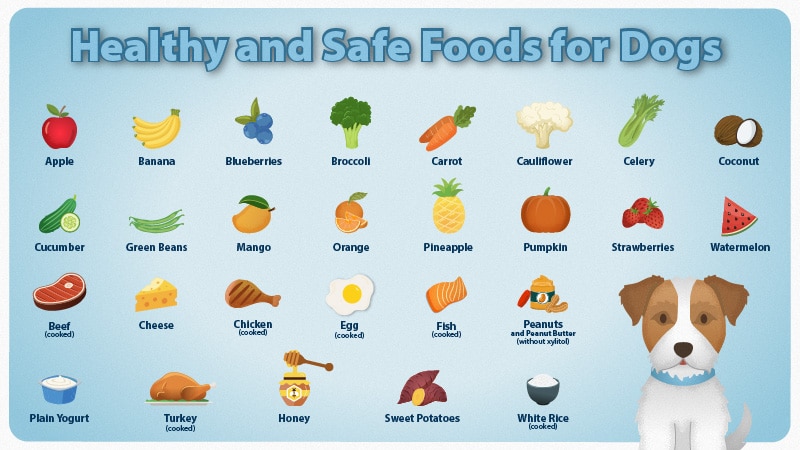
• Apples without seeds or the core
• Bananas in small slices
• Blueberries
• Strawberries
• Raspberries in limited amounts
• Watermelon without rind or seeds
• Cantaloupe
• Pears without seeds or the core
• Mango without the pit
• Pineapple in small pieces
Blueberries make an easy training treat because they are small and soft. Banana is more calorie-dense, so a few slices are usually enough for a small dog.
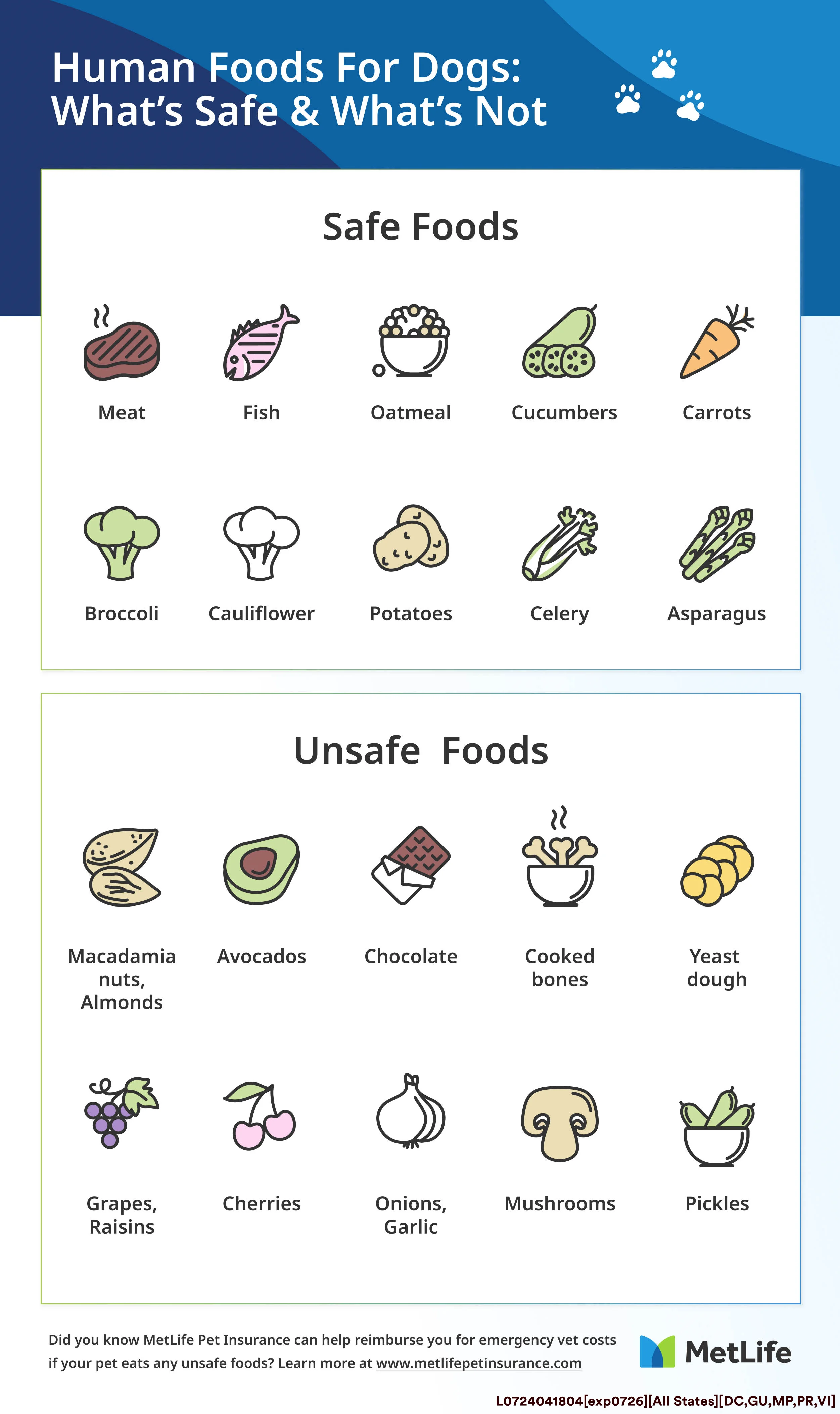
Grapes and raisins are never safe for dogs. Even small amounts can cause sudden kidney injury in some dogs, and there is no reliable safe dose. Contact a veterinarian or pet poison service right away if your dog eats them.
Cherries are also risky because the pits can cause choking or intestinal blockage, and the plant parts contain harmful compounds. It is safer to choose berries or seedless melon instead.
When asking what are good foods for dogs to eat, think of fruit as a small snack, not a daily food group. A balanced dog diet already provides the nutrients your pet needs.
Dog-Safe Vegetables
Vegetables can add crunch, fiber, and variety. Many dogs enjoy them raw, but lightly steaming firm vegetables can make them easier to chew and digest.
Good vegetable choices include:
Carrots
Carrots are low in fat and can work as a crunchy treat. Cut large carrots into safe pieces, especially for small dogs.
Green beans
Plain green beans provide fiber and are often filling without many calories. Use fresh, frozen, or canned green beans without salt or sauces.
Pumpkin
Plain cooked pumpkin may help some dogs with mild digestive changes because it contains fiber. Use pure pumpkin, not pumpkin pie filling, which often contains sugar and spices.
Pumpkin is not a cure for ongoing diarrhea, vomiting, or constipation. Contact your veterinarian if symptoms continue or seem severe.
Sweet potatoes
Cooked sweet potato can provide fiber and carbohydrates. Remove the skin if it is tough, and serve it plain.
Do not give raw sweet potato chunks, butter, brown sugar, marshmallows, or spice blends.
Peas
Plain green peas can be safe in small amounts. Avoid peas mixed with onions, salty sauces, or rich ingredients.
Cucumber and zucchini
Small pieces of plain cucumber or cooked zucchini can make light treats. They are mostly water, so they should supplement meals rather than replace nutritious food.
Cut every vegetable to match your dog’s size. A whole baby carrot may be fine for one dog but a choking risk for another.
Whole Grains and Other Carbohydrates
Dogs can digest cooked carbohydrates, although they do not need large amounts of them. Plain grains can be useful in some diets when they are part of a complete feeding plan.
Examples include:
• White or brown rice
• Plain oatmeal
• Cooked quinoa
• Plain pasta in small amounts
• Cooked barley
Rice and oatmeal are often gentle choices during short periods of stomach upset, but a bland diet should not continue for long without veterinary guidance. Chicken and rice alone do not provide every nutrient a dog needs.
Avoid grains prepared with butter, salt, broth containing onion or garlic, cream, or heavy sauces. Also remember that grain-free food is not automatically healthier. The best diet depends on the individual dog and should meet recognized nutritional standards.
If your dog has a food allergy or digestive disorder, do not remove ingredients at random. A veterinarian may recommend a structured elimination diet to identify the problem.

How Much Human Food Can Dogs Eat?
Even safe foods can cause problems when served in large amounts. Extra calories can lead to weight gain, and sudden changes may trigger diarrhea.
A practical approach is to keep treats and human food below 10% of your dog’s daily calorie intake. The remaining calories should come from a complete and balanced diet.
Use these portion ideas as a starting point:
• Tiny dogs may need only one teaspoon or a few small bites.
• Small dogs may handle one or two tablespoons of a safe food.
• Medium dogs may have a few tablespoons to a quarter cup, depending on the food.
• Large dogs may tolerate more, but calories still matter.
These are general examples, not exact prescriptions. Fat content, health status, age, and daily activity all affect the right portion.
A helpful habit is to use part of your dog’s regular kibble as a training reward. This prevents accidental overfeeding. If you add human food, reduce the regular meal slightly rather than simply piling extras on top.
A common feeding mistake is assuming that a healthy food is unlimited. For example, too much cheese, peanut butter, banana, or fatty meat can add many calories quickly.
Foods Dogs Should Never Eat
Some foods can cause poisoning, organ damage, choking, or intestinal blockage. Keep these items away from your dog:
• Chocolate and cocoa
• Grapes and raisins
• Onions, garlic, leeks, and chives
• Xylitol, also called birch sugar, found in some sugar-free products
• Alcohol
• Coffee, tea, and other caffeine sources
• Macadamia nuts
• Raw yeast dough
• Cooked bones
• Very fatty foods
• Moldy food and compost
• Large amounts of salt
Xylitol poisoning can develop quickly and may cause dangerously low blood sugar or liver injury. Check labels on sugar-free gum, candy, baked goods, toothpaste, and some supplements.
Fatty leftovers can trigger pancreatitis, a painful inflammation of the pancreas. Signs may include repeated vomiting, belly pain, weakness, loss of appetite, and a hunched posture.
If your dog eats a potentially toxic food, do not wait for symptoms. Call your veterinarian, an emergency animal hospital, or a pet poison service. Do not make your dog vomit unless a professional tells you to do so.

Special Considerations for Puppies, Seniors, and Dogs With Health Problems
What are good foods for dogs to eat can change with life stage and health. Puppies need food made for growth, while large-breed puppies may need carefully controlled calcium and calories. Random additions can upset the nutrient balance during this important stage.
Senior dogs may need fewer calories but still require high-quality protein. Some older dogs also have dental pain, kidney disease, arthritis, or reduced appetite. Soft foods may help comfort, but they should not hide an untreated health problem.
Dogs with diabetes, kidney disease, heart disease, pancreatitis, allergies, or inflammatory bowel disease need individualized advice. A food that is healthy for one dog may be unsuitable for another.
For example, high-fat treats may be especially risky for a dog with a history of pancreatitis. High-sodium foods may be poor choices for some dogs with heart disease. Dogs with kidney disease may need limits on certain nutrients.
Your veterinarian can review the full diet, body condition, medical history, and medications. A veterinary nutritionist can help create a balanced homemade diet when commercial food is not suitable.
How to Add New Foods Safely
A slow, careful approach helps you identify foods your dog tolerates. It also makes stomach problems less likely.
Follow these steps:
-
Choose one plain food.
-
Offer a very small piece.
-
Watch your dog for 24 to 48 hours.
-
Look for vomiting, diarrhea, itching, ear problems, gas, or swelling.
-
Stop the food if symptoms appear.
-
Contact your veterinarian if the reaction is severe or continues.
Keep a simple food diary if your dog has a sensitive stomach. Write down the food, portion, date, and any symptoms. This record can help your veterinarian find patterns.
Introduce new foods when your dog is well. If your dog already has diarrhea or is taking new medicine, it can be harder to tell what caused a reaction.
Wash produce, cook meat thoroughly, and store leftovers in the refrigerator. Do not leave perishable food in a bowl for hours, especially in warm weather.
Practical Meal and Treat Ideas
Safe food combinations can make training and enrichment more enjoyable. Keep each serving small and use plain ingredients.
Try these simple ideas:
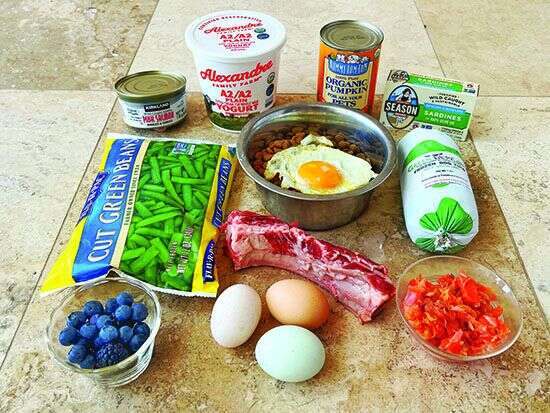
• Mix a teaspoon of plain pumpkin into regular food.
• Add a few blueberries to a food puzzle.
• Use tiny cooked chicken pieces during training.
• Freeze plain pumpkin or water in a lick mat.
• Offer chopped carrot or cucumber as a crunchy snack.
• Add a small spoonful of cooked egg to a regular meal.
• Place a few pieces of kibble and green beans in a treat toy.
The goal is not to create restaurant-style meals for your dog. Simple foods are often safer. A plain, measured snack is better than a rich plate of leftovers.
Also check ingredient labels on commercial treats. Some treats contain excess fat, sugar, salt, or artificial sweeteners. If the label includes xylitol, do not give the product to your dog.
Frequently Asked Questions About What Are Good Foods for Dogs to Eat
Can dogs eat cooked chicken every day?
Dogs can eat small amounts of plain, cooked chicken, but chicken alone is not a complete diet. Remove bones, skin, and excess fat, and keep it as a treat or meal topper unless a veterinarian has balanced the full recipe.
Are eggs good for dogs?
Fully cooked, plain eggs can be a safe protein-rich treat for many dogs. Serve small portions without butter, salt, cheese, or seasoning.
What fruits are safe for dogs?
Blueberries, strawberries, apples without seeds, bananas, and seedless watermelon are common safe choices. Avoid grapes, raisins, fruit pits, and large amounts of sugary fruit.
Can dogs eat rice and oatmeal?
Plain, cooked rice and oatmeal are usually safe in small portions for healthy dogs. They should not replace a complete and balanced diet for long periods.
Is peanut butter safe for dogs?
Some plain peanut butter is safe in small amounts, but check the label for xylitol, added sugar, and excess salt. Peanut butter is high in calories, so even a small spoon can be enough.
Can dogs eat cheese?
Some dogs tolerate tiny amounts of low-fat cheese, while others develop gas or diarrhea from lactose or fat. Avoid moldy cheese and products with onion, garlic, or strong seasonings.
What should I do if my dog eats toxic food?
Call your veterinarian, an emergency animal hospital, or a pet poison service at once. Do not induce vomiting unless a veterinary professional gives clear instructions.
Conclusion
The best foods for dogs to eat are plain, fresh, and served in small portions. Lean cooked meats, fully cooked eggs, selected fruits, safe vegetables, and simple grains can add variety to a complete and balanced dog diet.
Avoid toxic foods, cooked bones, rich leftovers, and products containing xylitol. Introduce new foods slowly, watch your dog’s reaction, and ask your veterinarian for advice when your dog has a medical condition or special dietary need.
Start with one safe food, measure the portion, and keep your dog’s main diet balanced. For more practical pet nutrition guidance, explore trusted veterinary resources or share your dog’s favorite healthy treat in the comments.

Pet Care Writer & Researcher
Daniel writes practical guides on daily care, feeding, and safety, turning complex topics into simple, actionable advice.