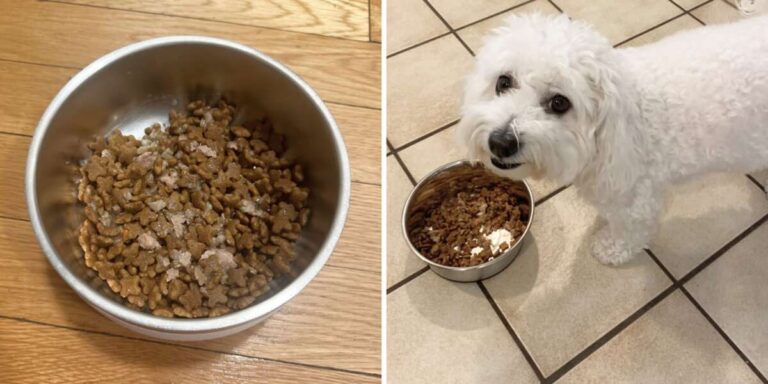
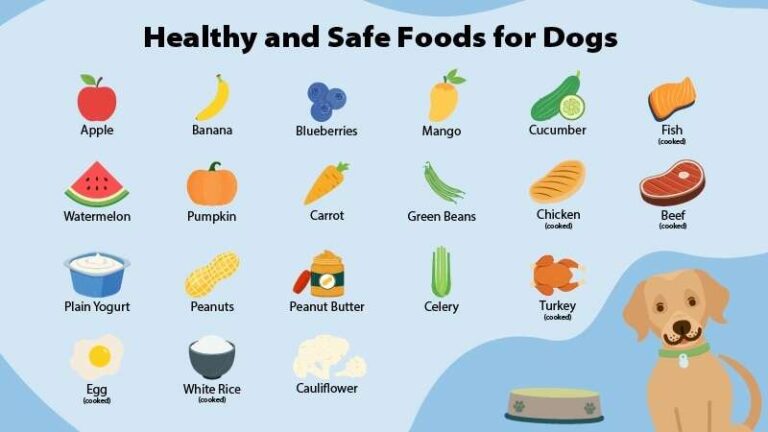
What Dog Food Is Good For My Dog: Expert Feeding Guide
What dog food is good for my dog? Learn how to choose nutritious, balanced meals based on age, size, breed, and health needs.
The best dog food matches your dog’s age, size, health needs, activity level, and personal tolerance.
Choosing what dog food is good for my dog can feel confusing. Store shelves are packed with labels, claims, and formulas that sound alike. The right choice is not always the most expensive bag or the ingredient list with the fanciest words. It is the food that provides complete nutrition, fits your dog’s needs, and supports steady health over time.
What makes dog food good for your dog?
Good dog food should provide balanced nutrition in the right amount. Dogs need protein, fat, carbohydrates, vitamins, minerals, and water. The ideal balance changes with age, breed size, activity, body condition, and health.
Look for a food labeled “complete and balanced” for your dog’s life stage. In the United States, this statement means the food meets established nutrient standards or passed feeding trials designed to confirm nutritional adequacy.


A good everyday dog food usually has these traits:
• A clear statement that it is complete and balanced
• A named animal protein, such as chicken, beef, turkey, lamb, or fish
• Suitable calories for your dog’s size and activity
• Nutrients for the correct life stage
• Quality control from a company with trained nutrition experts
• Feeding directions that help you measure portions
• A formula your dog digests well
Ingredient lists matter, but they do not tell the whole story. A food with a simple ingredient list can still be poorly balanced. A food with grains or byproducts can still provide excellent nutrition.
In my experience reviewing pet nutrition advice, owners often focus on one ingredient and miss the bigger picture. Think of dog food like a complete team. Protein is one player, but vitamins, minerals, fat, fiber, and calories must all work together.
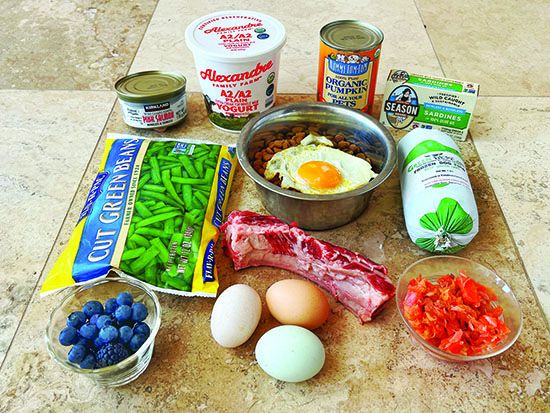
Choose food based on your dog’s life stage
Age is one of the first factors to consider when deciding what dog food is good for my dog. Puppies, adults, and senior dogs have different needs.
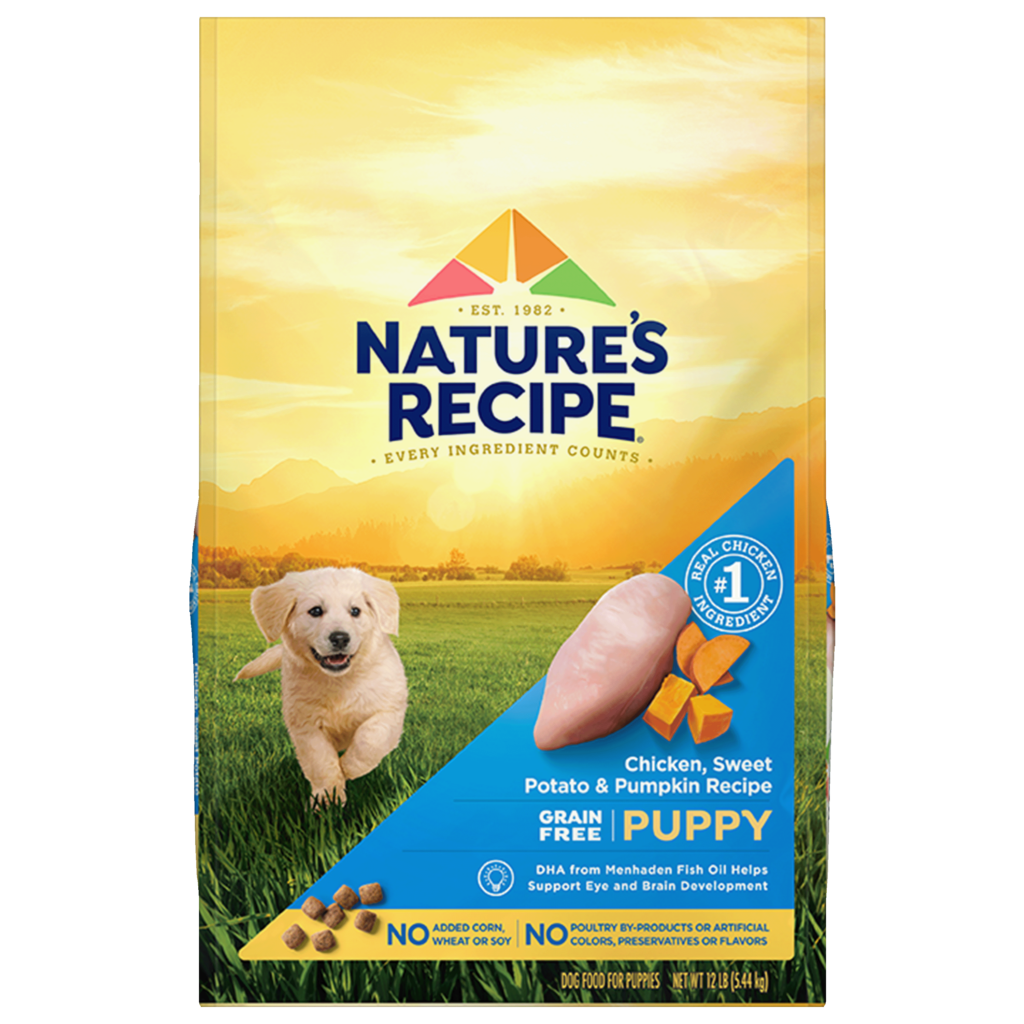
Puppy food
Puppies need more calories and nutrients to support growth. Large-breed puppies need special attention because excess calories and an unbalanced calcium-to-phosphorus ratio may contribute to bone and joint problems.
Choose food labeled for:
• Growth
• Puppy development
• All life stages, if it meets your veterinarian’s advice
Large and giant breed puppies should usually eat a formula made specifically for their expected adult size. Do not add calcium supplements unless your veterinarian recommends them.
Adult dog food
Most adult dogs need food designed for maintenance. The correct amount depends on body weight, metabolism, exercise, and neuter status.


An adult dog that spends most of the day on the couch may need far fewer calories than a working dog. Feeding the same amount to both dogs can lead to weight gain in one and weight loss in the other.
Senior dog food
Senior dogs do not all need the same diet. Some need fewer calories, while others lose weight and need more energy. Senior formulas may contain changes in calories, protein, fiber, or joint-support nutrients.
Age alone is not a diagnosis. Ask your veterinarian to check your older dog for dental disease, kidney problems, arthritis, diabetes, or other conditions before changing food.
Match dog food to your dog’s size and activity
Size affects calorie needs, chewing comfort, and nutrient needs. A Chihuahua and a Great Dane cannot always thrive on the same feeding plan.
Small dogs often need calorie-dense food because they have small stomachs but fast metabolisms. Small kibble may also be easier for them to chew.
Large dogs may benefit from larger kibble and careful calorie control. Overfeeding can place extra stress on growing bones and adult joints.
Activity matters just as much as breed. Consider whether your dog is:
• Mostly inactive
• Moderately active
• Highly active
• Pregnant or nursing
• Training for sports
• Doing physical work
A common mistake is feeding an active-looking package to a normal house dog. Food labels can use words such as “active” or “performance,” but those foods may contain more calories than a typical pet needs.
Check your dog’s body condition. You should be able to feel the ribs under a thin layer of fat. Your dog should also have a visible waist when viewed from above. If the ribs are hard to feel, the portions may be too large.

Understand protein, fat, carbohydrates, and fiber
When people ask what dog food is good for my dog, they often begin with protein. Protein is important, but every major nutrient has a role.
Protein
Protein supports muscles, skin, hair, enzymes, hormones, and immune function. Dogs can use animal and plant proteins, as long as the complete diet supplies the amino acids they need.
The first ingredient does not prove that a food is superior. Ingredients are listed by weight before cooking, so fresh meat may contain a lot of water. Look at the full nutrient profile and the company’s quality standards.


Fat
Fat supplies energy and supports the skin, coat, brain, and absorption of certain vitamins. Too much fat can cause excess calories or stomach upset in some dogs.
Dogs with a history of pancreatitis may need a lower-fat diet. Never choose a therapeutic low-fat diet without veterinary guidance.
Carbohydrates
Dogs can digest cooked grains and other carbohydrates. Carbohydrates provide energy and can add useful fiber. Grains are not automatically harmful, and grain-free food is not automatically healthier.
Some dogs have food allergies, but true grain allergies are less common than allergies to animal proteins such as beef, dairy, chicken, or egg. A veterinarian should guide an elimination diet when a food allergy is suspected.
Fiber
Fiber can support normal stools and gut health. Too much fiber may reduce calorie density or cause gas and loose stools. The best amount depends on your dog and the formula.

Dry food, wet food, fresh food, or homemade food
There is no single best format for every dog. What dog food is good for my dog may be dry, canned, fresh, or a mix.
Dry dog food
Dry food is convenient, easy to measure, and often less costly per meal. It also stores well after opening. However, dry food contains little water, so your dog must drink enough throughout the day.
Wet dog food
Canned food has high moisture and may help dogs that need extra water. It can also be useful for dogs with poor appetite or dental pain. Once opened, it must be refrigerated and used within the time listed on the package.
Fresh or refrigerated food
Fresh diets may appeal to owners who want minimally processed ingredients. They can be suitable when complete and balanced, but some products are expensive and have a short shelf life.
Do not assume “fresh” means nutritionally complete. Check the label for the same nutritional adequacy statement you would seek in any other food.
Homemade dog food
Homemade diets can work when formulated by a board-certified veterinary nutritionist. Recipes found online may lack calcium, zinc, iodine, vitamin D, or other vital nutrients.
One case I frequently see in nutrition discussions is a loving owner feeding meat, rice, and vegetables for months. The dog may seem happy at first, but the diet can slowly create deficiencies. Good intentions need a precise recipe.

How to read a dog food label
A label can help you compare foods, but it requires a careful look.


Check these parts:
• Product name: It tells you whether the food is a main diet, topper, treat, or supplement.
• Nutritional adequacy statement: Confirm that it is complete and balanced for your dog’s life stage.
• Calorie information: Compare calories per cup, can, pouch, or gram.
• Guaranteed analysis: Review minimum protein and fat and maximum fiber and moisture.
• Feeding guide: Use it as a starting point, not a fixed rule.
• Manufacturer contact details: A responsible company should answer questions about ingredients and quality testing.
• Lot number and expiration date: Keep these details in case of a recall.
Words such as natural, premium, holistic, and human-grade can sound impressive. They do not replace a complete and balanced nutrition statement.
Also remember that ingredient lists can be misunderstood. “Byproduct” does not automatically mean unsafe. Some byproducts are nutrient-rich organs. The safety and balance of the entire formula matter more than one label word.

Dog food for allergies and sensitive stomachs
If your dog has itching, repeated ear infections, vomiting, diarrhea, or chronic gas, food may be involved. Yet these signs can also come from parasites, infection, environmental allergies, pancreatitis, or other medical problems.
A true food allergy is usually confirmed with a strict elimination diet. Your dog eats a veterinary-selected novel protein or hydrolyzed protein diet for a set period. Then the old food is carefully reintroduced to see whether signs return.
Avoid switching between many “sensitive stomach” foods without a plan. That can make it hard to learn what caused the problem.
For mild digestive upset, a gradual food transition may help. For blood in the stool, repeated vomiting, severe diarrhea, weakness, or refusal to eat, contact a veterinarian promptly.

How to change your dog’s food safely
A slow transition lowers the chance of diarrhea and gas. Most dogs do well with a change over seven days.
- Days 1 and 2: Feed about 75% old food and 25% new food.
- Days 3 and 4: Feed half old food and half new food.
- Days 5 and 6: Feed about 25% old food and 75% new food.
- Day 7: Feed the new food alone.
Some sensitive dogs need a slower change over two weeks. If loose stools appear, return to the last ratio your dog tolerated and move more slowly.
Measure food with a kitchen scale when possible. Cups can vary, and small measurement errors add up over months. Count treats, chews, table scraps, and toppers as part of the daily calorie total.
Treats should generally remain a small part of the diet. If your dog has a medical condition, ask your veterinarian which treats are safe.

When prescription dog food is the right choice
Some dogs need a therapeutic diet rather than standard over-the-counter food. Prescription diets may support dogs with kidney disease, urinary stones, diabetes, gastrointestinal disease, severe allergies, or obesity.
These diets are designed around specific medical goals. For example, a urinary diet may change mineral levels and urine concentration. A kidney diet may control phosphorus and adjust protein, calories, and other nutrients.
Do not replace a prescribed diet with a store-bought version without speaking with your veterinarian. The label may use similar words, but the nutrient targets can be very different.
A veterinary diet is not automatically better for a healthy dog. It is better when a specific medical need calls for it.
Common mistakes to avoid
Finding what dog food is good for my dog is easier when you avoid a few common errors.
• Choosing food only because the package looks appealing
• Changing food too often
• Feeding based only on the suggested cup amount
• Ignoring treats and table food
• Adding vitamins without veterinary advice
• Assuming grain-free food is healthier
• Feeding raw meat without understanding infection and nutrient risks
• Using homemade recipes that were not professionally balanced
• Ignoring changes in weight, stool, coat, thirst, or energy
• Believing one ingredient can explain the quality of the entire diet
The FDA has investigated a possible link between some diets labeled grain-free and canine dilated cardiomyopathy. The issue is complex and still requires careful discussion, but it is one reason not to remove grains without a clear medical reason.
A balanced diet is like a well-built house. Removing one support because it sounds unpopular can weaken the whole structure.
How to know whether the food is working
The best answer to what dog food is good for my dog will show up in your dog’s daily health.
Watch for:
• Stable body weight
• Well-formed stools
• Normal appetite
• Healthy skin and coat
• Good energy
• No repeated vomiting or diarrhea
• Comfortable digestion
• Normal thirst and urination
Track your dog for several weeks after a food change. Take notes on meals, treats, stool quality, weight, and symptoms. This simple record can help you and your veterinarian see patterns.
A food may suit one dog and fail another. Even dogs from the same litter can have different needs. Nutrition is personal, not a popularity contest.
Frequently Asked Questions About What Dog Food Is Good for My Dog
What dog food is good for my dog if I have no health concerns?
Choose a complete and balanced food made for your dog’s life stage, size, and activity level. Select a trusted manufacturer with clear labeling and adjust portions to maintain a healthy body condition.
Is dry or wet food better for dogs?
Neither is always better. Dry food is convenient and easy to measure, while wet food provides more moisture and may help picky eaters or dogs with dental discomfort.
Is grain-free dog food healthier?
Not for most dogs. Dogs can digest many cooked grains, and grain-free food is usually unnecessary unless your veterinarian identifies a specific reason to avoid a grain.
How often should I feed my dog?
Many adult dogs do well with two measured meals each day. Puppies, dogs with certain medical conditions, and highly active dogs may need a different schedule.
Can I feed my dog a homemade diet?
You can, but the recipe should be formulated or checked by a board-certified veterinary nutritionist. Many homemade diets lack key nutrients when they are based only on meat, rice, and vegetables.
How do I know if my dog is overweight?
You should be able to feel your dog’s ribs without pressing hard, and your dog should have a visible waist from above. Ask your veterinarian to assess body condition and create a safe weight plan if needed.
Conclusion
The best dog food is complete, balanced, safe, and suited to your dog’s age, size, activity, body condition, and health. Focus on the full nutrition profile rather than one trendy ingredient or marketing claim.
Start by checking the nutritional adequacy statement, measuring portions, and watching your dog’s weight, stool, coat, and energy. When illness, allergies, or special dietary needs are involved, work with your veterinarian instead of guessing.
Use these steps to make a thoughtful food choice, and share your dog’s nutrition questions or experiences in the comments.

Pet Care Writer & Researcher
Daniel writes practical guides on daily care, feeding, and safety, turning complex topics into simple, actionable advice.