What Does Dog Food Need: Essential Nutrition Guide
Learn what does dog food need to support strong muscles, healthy digestion, and a longer life with this simple canine nutrition guide.
Dog food needs complete and balanced nutrition, fresh water, safe ingredients, and the right calories for each dog.
Knowing what does dog food need helps you choose meals that support strong muscles, healthy skin, steady energy, and long-term wellness. The best choice depends on your dog’s age, size, activity, health, and life stage. This guide explains the key nutrients, label terms, feeding habits, and safety checks to use before filling your dog’s bowl.
What does dog food need to be complete and balanced?
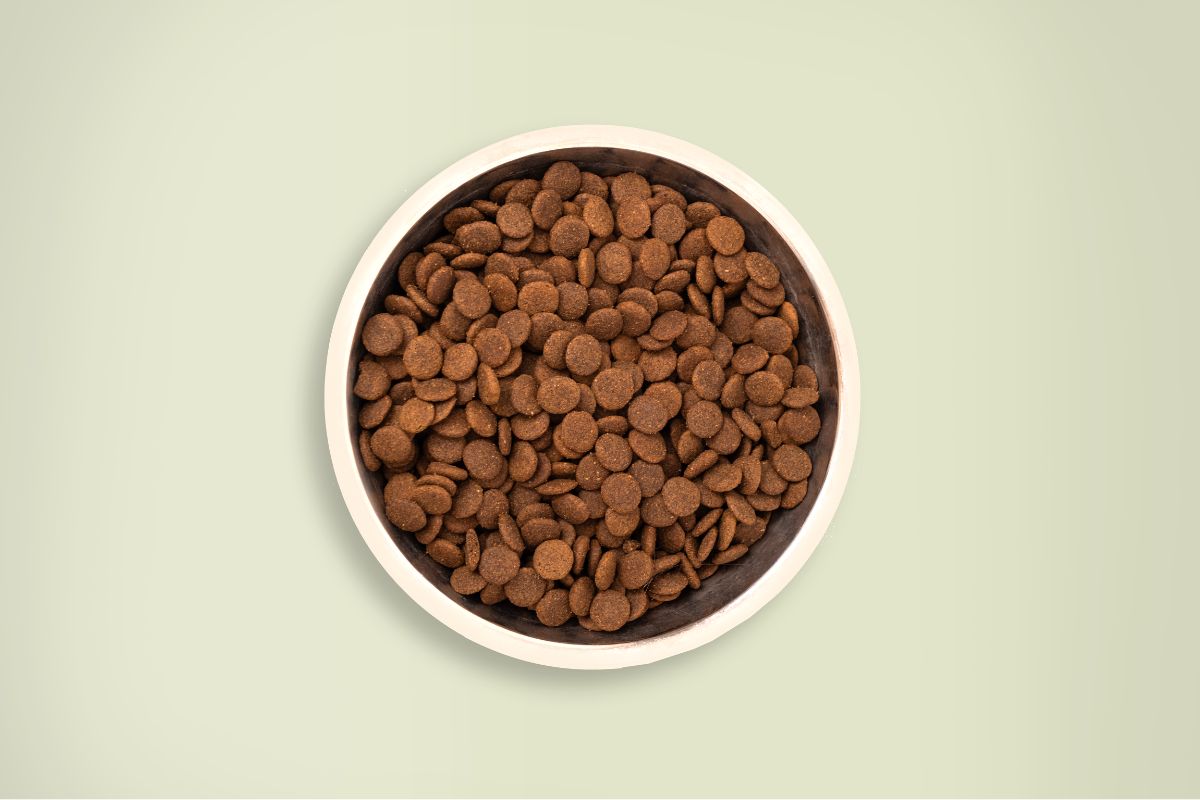
Dog food needs a careful mix of nutrients, not just meat or grains. A complete diet gives a dog all required nutrients in the right amounts. A balanced diet keeps those nutrients in proper proportion.
In the United States, look for an “adequate and balanced” statement on the package. This statement usually means the food meets nutrient standards set by the Association of American Feed Control Officials, often called AAFCO.
A food may be labeled for:
• Growth and reproduction
• Adult maintenance
• All life stages
• Intermittent or supplemental feeding only
A food marked for intermittent feeding is not meant to be your dog’s main diet. It may work as a topper or treat, but it does not provide complete nutrition on its own.
What does dog food need beyond a complete label? It also needs proper feeding amounts, safe handling, and a formula that suits your dog. A complete food for puppies may not be ideal for a senior dog with kidney disease.
The six essential nutrients dogs need
What does dog food need at the basic nutrition level? Dogs need water, protein, fat, carbohydrates, vitamins, and minerals. Each nutrient has a different role, but they work together like parts of a well-tuned engine.
Water
Water is the most important nutrient. It helps control body temperature, move nutrients, support digestion, and remove waste.
Dogs eating dry food often need to drink more than dogs eating wet food because canned food contains much more moisture. Always provide clean water, even if your dog eats canned or fresh food.
Call a veterinarian if your dog suddenly drinks far more or less than usual. Changes in thirst can signal problems such as diabetes, kidney disease, pain, or heat stress.
Protein
Protein supplies amino acids. These amino acids help build and repair muscles, skin, hair, organs, enzymes, and immune cells.
Good dog food can contain protein from animal or plant sources. The key is whether the whole diet provides enough essential amino acids for your dog’s life stage.
Puppies, pregnant dogs, working dogs, and very active dogs may need more protein than calm adult dogs. However, more protein is not always better. A dog with certain medical problems may need a special diet chosen with veterinary guidance.
Fat
Fat is a rich source of energy. It also helps the body absorb vitamins A, D, E, and K.
Healthy fats support the skin, coat, brain, and immune system. Essential fatty acids, including omega-3 and omega-6 fats, are especially important.
Fish oil can provide omega-3 fats, but supplements should not be added without care. Too much fat may cause weight gain or stomach upset. Some dogs are also prone to pancreatitis, a painful condition that can worsen with high-fat foods.
Carbohydrates
Dogs can use carbohydrates for energy. Carbohydrates also provide fiber, which supports normal bowel movements and gut health.
Common sources include rice, oats, barley, potatoes, peas, and sweet potatoes. Dogs do not need a specific grain, but most can digest properly cooked grains well.
Grain-free food is not automatically healthier. The U.S. Food and Drug Administration has investigated reports of heart disease in dogs eating some diets that contain high amounts of peas, lentils, or potatoes. The issue is complex, so ask your veterinarian before switching to a grain-free diet.
Vitamins
Vitamins support vision, immunity, blood clotting, nerves, skin, and many other body systems.
Important vitamins in dog food include:
• Vitamin A for vision, skin, and immune health
• Vitamin D for calcium use and bones
• Vitamin E for cell protection
• Vitamin K for normal blood clotting
• B vitamins for energy and nerve function
Too little of a vitamin can cause illness. Too much can also be harmful. This is why homemade diets should be planned with a veterinary nutrition expert rather than built from internet recipes.
Minerals
Minerals help form bones, carry oxygen, balance fluids, and support nerves and muscles.
Key minerals include calcium, phosphorus, potassium, sodium, magnesium, iron, zinc, copper, iodine, and selenium. Calcium and phosphorus must be balanced, especially in growing puppies.
Adding extra calcium to a complete puppy food can harm bone development. This is one reason supplements should be used only when a veterinarian recommends them.

What does dog food need for different life stages?
What does dog food need for a puppy? Puppies need concentrated nutrition for growth, but their exact needs depend on their expected adult size.
Large-breed puppies need carefully controlled calcium, phosphorus, and calories. Too much energy can make them grow too fast and may increase the risk of bone and joint problems.
Adult dogs need food that supports body maintenance without excess calories. A sedentary dog may need much less food than a young dog that runs, hikes, or trains each day.
Senior dogs do not all need the same diet. Some seniors benefit from fewer calories and more fiber. Others may need a veterinary diet for kidney, liver, heart, joint, or dental problems.
Pregnant and nursing dogs need increased energy and nutrients. Their diet should be chosen with veterinary advice, especially during late pregnancy and nursing.
Check the package for a life-stage statement. Then compare it with your dog’s health needs, not just the age printed on the front of the bag.
What does dog food need for healthy body weight?
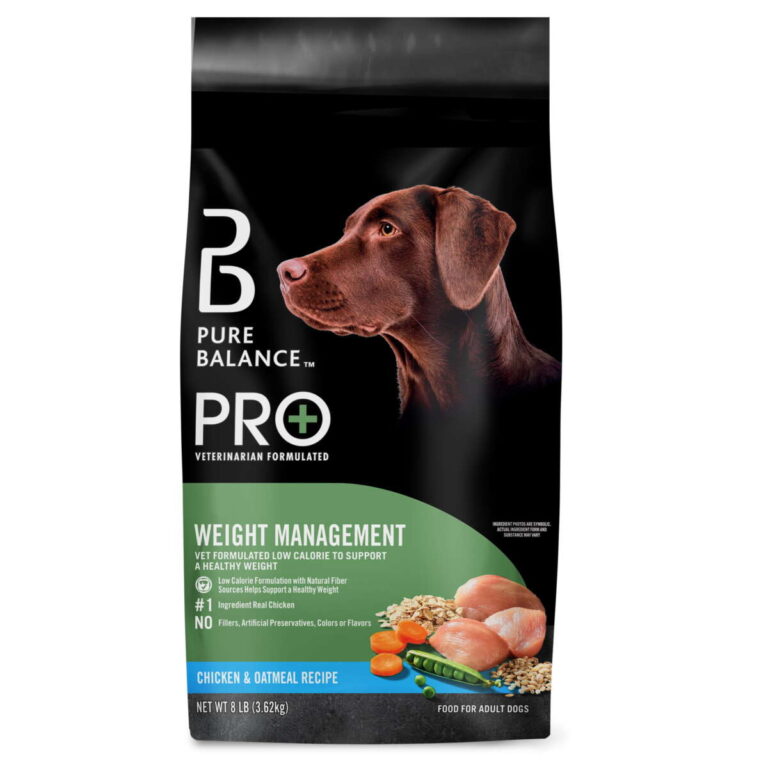
What does dog food need to help a dog stay at a healthy weight? It needs the right calorie level, along with measured portions and controlled treats.
A dog can gain weight on high-quality food if the portion is too large. Package feeding charts are useful starting points, but they may overestimate a dog’s needs. Adjust the amount based on body condition, activity, age, and weight changes.
Use these practical steps:
- Measure food with a standard cup or kitchen scale.
- Feed meals at regular times.
- Keep treats below about 10% of daily calories.
- Count table scraps as part of the daily intake.
- Check your dog’s weight every few weeks.
- Reduce or increase food slowly when needed.
You should be able to feel your dog’s ribs under a thin layer of fat. The waist should be visible from above, and the abdomen should rise slightly behind the ribs when viewed from the side.
A dog’s body condition is more useful than a food label’s promise. Words such as “premium” or “natural” do not tell you how many calories your dog needs.

How to read a dog food label
The ingredient list can help you understand a product, but it should not be the only thing you use. Ingredients are listed by weight, including water. A fresh ingredient may appear high on the list because it contains a lot of water.
Start with the nutritional adequacy statement. Then check:
• The intended life stage
• Calories per cup, can, or serving
• Feeding directions
• Protein and fat levels
• Manufacturer contact details
• Lot number and expiration date
• Whether the food is complete or supplemental
The guaranteed analysis lists minimum protein and fat, plus maximum fiber and moisture. These numbers are useful, but they do not show every detail about nutrient quality or digestibility.
A manufacturer that can explain who formulates the food, where it is made, and how it tests each batch is more transparent. Ask the company questions if the label is unclear.
Do not judge food only by the first ingredient. A healthy diet is more like a recipe than a single food item. The full nutrient profile matters most.
Wet food, dry food, fresh food, or homemade meals?
What does dog food need regardless of format? It needs complete nutrition and safe preparation. Dry, wet, fresh, and homemade diets can all have benefits and limits.
Dry food is convenient, easy to measure, and often less expensive. It also stores well. However, it contains less water and may not suit every dog’s taste or dental needs.
Wet food adds moisture and may help dogs that have poor appetites or trouble chewing. Once opened, it needs refrigeration and should not sit in the bowl for long periods.
Fresh refrigerated food may be appealing and easy to portion. Check that it is complete and balanced, not simply a mix of meat and vegetables.
Homemade food can work, but it is difficult to balance without a precise recipe. Meat, rice, and vegetables alone often lack enough calcium, iodine, zinc, or other nutrients.
A real-world mistake many owners make is changing food too fast. Even a high-quality diet can cause diarrhea if introduced suddenly. Mix the new food with the old food over about seven days, unless your veterinarian gives different instructions.
Ingredients dogs should avoid
What does dog food need to avoid? It should not contain unsafe levels of harmful ingredients, contaminants, or spoiled food. Owners should also keep dangerous human foods away from the bowl.
Never intentionally feed dogs: