What Is The Best Quality Food For Dogs: Best Choices
Find out what is the best quality food for dogs, including key ingredients, nutrition tips, and expert guidance for choosing a healthier diet.
The best quality food for dogs is complete, balanced, digestible, and matched to each dog’s needs.
Choosing the best quality food for dogs is not about finding the most expensive bag or the trendiest ingredient. It means checking nutrition, safety, ingredient quality, life stage, health needs, and how well your dog actually does on the food. This guide explains how to compare dog foods with confidence and avoid common marketing traps.
What Is the Best Quality Food for Dogs?
The best quality food for dogs is a complete and balanced diet made by a company with strong nutrition and safety standards. It should provide the right levels of protein, fat, vitamins, minerals, and calories for your dog’s age, size, activity, and health.
A quality food should also be easy for your dog to digest. Healthy signs include steady energy, firm stools, clear eyes, a healthy coat, and a stable body weight. No single food is perfect for every dog, just as no single pair of shoes fits every person.
Look for a nutritional adequacy statement on the package. In the United States, foods that meet Association of American Feed Control Officials, or AAFCO, nutrient profiles are labeled as complete and balanced for a specific life stage.
The best quality food for dogs usually has these features:
• A complete and balanced nutritional profile
• Clear feeding directions
• Named animal proteins, such as chicken, beef, turkey, or salmon
• Appropriate calories for your dog’s body condition
• Quality control and product testing
• A company that employs qualified nutrition experts
• A good safety record and clear contact information
• Ingredients suited to your dog’s age and medical needs

How to Read a Dog Food Label
Dog food labels can look simple, but small details matter. The front of the package is mainly marketing. The guaranteed analysis, ingredient list, calorie statement, and nutritional adequacy statement provide more useful information.
Check the nutritional adequacy statement
This statement tells you whether the food is designed to be complete and balanced. It may say the food is suitable for:
• Growth and development
• Adult maintenance
• All life stages
• Gestation and lactation
• A specific health condition, when used under veterinary guidance
Puppies need different nutrient levels than adult dogs. Large-breed puppies also need careful calcium and calorie control to support healthy bone growth.
Understand the ingredient list
Ingredients appear by weight before cooking. This means an ingredient with a lot of water, such as fresh chicken, may appear high on the list even after cooking removes much of its weight.
A long ingredient list does not automatically mean better quality. Likewise, a short list is not always healthier. The full formula matters more than one ingredient.
Useful details include:
• Named meat or fish sources
• A suitable source of fat
• Digestible carbohydrates, if included
• Fiber for normal bowel function
• Vitamins and minerals added in safe amounts
• Nutrients that support a known health need
Terms such as “premium,” “natural,” and “holistic” can sound impressive, but they do not prove that a food is nutritionally superior. Focus on evidence and the complete formula.
Look at calories
Calorie content helps you avoid overfeeding. Two foods may have similar ingredients but very different calories per cup.
A dog that gains weight on one food may do well on another with fewer calories. Your veterinarian can help estimate your dog’s calorie needs, but body condition is also important. You should be able to feel the ribs under a light layer of fat, and your dog should have a visible waist when viewed from above.
What Nutrients Should High-Quality Dog Food Include?
The best quality food for dogs supplies all essential nutrients in the right amounts. Dogs need more than protein. They need a balanced mix of amino acids, fats, carbohydrates, vitamins, minerals, and water.
Protein
Protein supports muscles, skin, immune function, enzymes, and tissue repair. Animal-based proteins are often highly digestible, but a well-formulated plant and animal protein blend can also meet a dog’s needs.
The right amount depends on age, activity, body condition, and health. A working dog may need more calories and protein than a calm senior dog. Dogs with kidney disease may need a carefully managed diet, so do not make major protein changes without veterinary advice.
Fat
Fat provides concentrated energy and helps the body absorb vitamins A, D, E, and K. It also supports skin, coat, brain, and cell health.
Omega-3 fatty acids from fish oil can help support skin and coat health. They may also help manage some forms of inflammation. However, supplements can cause problems when used in excess, so ask your veterinarian about the proper dose.
Carbohydrates and fiber
Dogs can digest properly cooked carbohydrates. Rice, oats, barley, potatoes, and other carbohydrate sources can provide energy and help food hold its shape.
Fiber supports stool quality and gut health. Too much fiber, however, may reduce calorie density or cause gas and loose stools. The best quality food for dogs uses fiber in an amount that suits the individual animal.
Vitamins and minerals
Dogs need minerals such as calcium, phosphorus, zinc, copper, and iron. They also need vitamins in precise amounts.
More is not always better. Excess vitamin D, calcium, or other nutrients can be harmful. This is one reason homemade diets should be created with a board-certified veterinary nutritionist rather than copied from a random online recipe.
Water
Fresh water is part of every healthy diet. Wet food contains more water than dry food, but dogs eating kibble still need access to clean drinking water at all times.
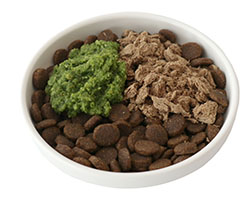
Dry Food, Wet Food, Fresh Food, or Raw Food?
There is no single best format for every dog. Dry, wet, fresh, and raw diets can differ in cost, convenience, calories, texture, and safety.
Dry dog food
Dry food is convenient, easy to store, and often less expensive per serving. It can also help some owners measure meals accurately.
Kibble does not automatically clean a dog’s teeth. Dental care requires brushing, professional cleaning when needed, and products tested for dental benefits. Some dry foods are designed for dental support, but ordinary kibble is not a substitute for oral care.
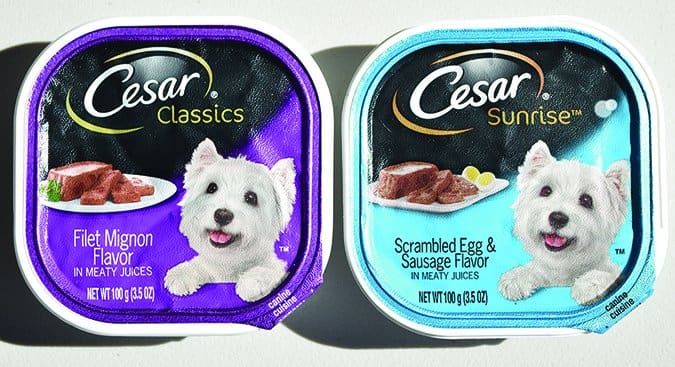
Wet dog food
Wet food can help dogs that need more water or prefer a soft texture. It may be useful for older dogs with dental pain or dogs with a reduced appetite.
It usually costs more per calorie and spoils faster after opening. Measure portions carefully because some canned foods are more calorie-dense than they appear.
Fresh or gently cooked food
Fresh food may appeal to owners who want recognizable ingredients and a softer texture. The key question is whether it is complete and balanced, not whether it looks homemade.
Refrigerated food also needs careful storage. Follow package instructions, wash food bowls, and avoid leaving moist food at room temperature for long periods.
Raw food
Raw diets carry risks from bacteria such as Salmonella and Listeria. These organisms can affect dogs and people in the home, especially young children, older adults, pregnant people, and anyone with a weak immune system.
Raw diets can also become nutritionally unbalanced if they contain too much bone, too little calcium, or inadequate vitamins. Major veterinary and public health groups advise caution because proven benefits over balanced cooked diets remain limited.
The best quality food for dogs is the safest complete diet your household can handle consistently.
Choosing Food for Puppies, Adults, and Senior Dogs
Life stage affects nutritional needs. A food that works well for an adult dog may not be right for a growing puppy.
Puppy food
Puppies need enough energy, protein, fat, vitamins, and minerals for growth. Large and giant breed puppies need special attention to calorie and mineral balance.
Choose food labeled complete and balanced for growth or all life stages. Follow the feeding guide, but adjust portions based on body condition and growth. Rapid weight gain can place stress on developing bones and joints.
Adult dog food
Adult dogs need enough nutrients to maintain muscle, a healthy coat, and stable body weight. Activity levels vary widely, so feeding amounts should not be based only on the package chart.
A highly active dog may need more food. A neutered dog or a dog with a low activity level may need fewer calories.
Senior dog food
There is no universal nutrient profile for senior dogs. Some older dogs need fewer calories, while others lose weight and need more energy.
Senior formulas may offer adjusted calories, increased fiber, or nutrients that support joint and cognitive health. However, a senior label alone does not guarantee better nutrition. A veterinary check can identify hidden dental, kidney, liver, thyroid, or digestive problems.

How Health Conditions Change the Best Dog Food
The best quality food for dogs depends on the dog, not just the brand. Medical conditions can change the ideal levels of protein, fat, fiber, sodium, phosphorus, or certain minerals.
Dogs with food allergies may need a veterinary elimination diet or a hydrolyzed protein diet. A limited-ingredient food from a store may not be enough if cross-contamination or multiple proteins are involved.
Dogs with obesity need controlled calories, measured portions, and regular activity. Weight loss should be gradual. Cutting food sharply can cause hunger and may fail to provide balanced nutrition.
Dogs with kidney disease, urinary disease, pancreatitis, diabetes, or severe digestive problems may need a therapeutic diet. These diets should be chosen with a veterinarian because the wrong food can make some conditions worse.
Do not treat a serious illness with internet advice alone. Nutrition can support medical care, but it cannot replace diagnosis, medication, or follow-up testing.
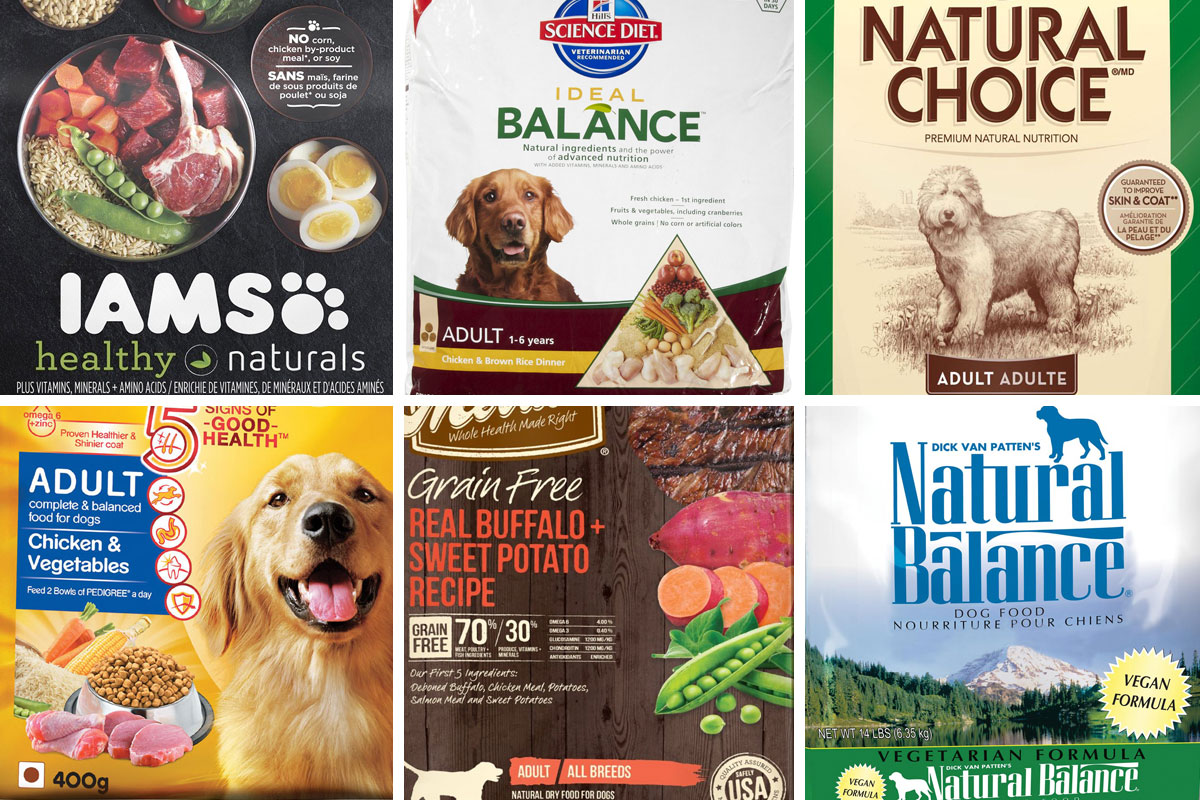
How to Compare Dog Food Brands
Brand reputation matters, but advertising is not the same as proof. The best quality food for dogs often comes from a company that invests in nutrition research, ingredient testing, manufacturing controls, and post-market safety monitoring.
Before buying, ask these questions:
• Does the food have an AAFCO nutritional adequacy statement?
• Is it intended for your dog’s life stage?
• Does the company employ veterinary nutritionists or qualified food scientists?
• Does the company test finished products for nutrient accuracy?
• Does it monitor for harmful bacteria and contaminants?
• Can it provide calorie information and feeding guidance?
• Is customer service easy to reach?
• Does the company have a clear recall and safety process?
The World Small Animal Veterinary Association recommends looking beyond marketing language and considering the manufacturer’s nutrition expertise, quality control, and research practices.
A company that refuses to answer basic questions is not automatically unsafe, but the lack of transparency is a warning sign.
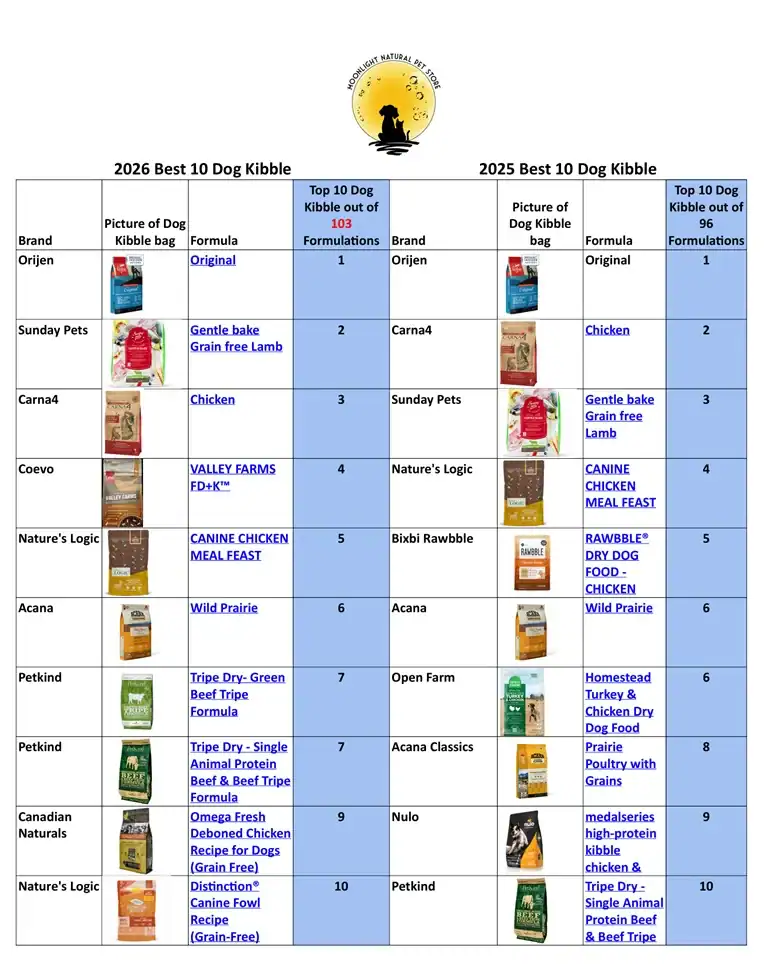
Common Mistakes to Avoid
Even a good food can cause trouble when it is fed incorrectly. Many feeding problems come from portion size, sudden changes, or too many extras.
Avoid these common mistakes:
• Choosing food only because the package looks attractive
• Switching diets suddenly
• Feeding by cup without checking calorie density
• Giving large amounts of treats or table scraps
• Assuming grain-free means healthier
• Adding supplements without veterinary advice
• Feeding a homemade diet without professional formulation
• Ignoring changes in weight, stool, thirst, or appetite
• Trusting online claims over veterinary guidance
• Using a puppy diet for an adult dog without checking calories
Treats should generally provide no more than about 10 percent of daily calories. The remaining calories should come from a complete and balanced diet.
One lesson many dog owners learn the hard way is that “my dog loves it” does not always mean “my dog needs more of it.” Dogs often love fatty treats, but too many can cause weight gain or stomach upset. Start with measured meals and watch the results over several weeks.
How to Change Your Dog’s Food Safely
A gradual transition can reduce vomiting, diarrhea, and refusal to eat. Most dogs do well with a change over seven days, although sensitive dogs may need longer.
Use this simple plan:
- Feed about 75 percent old food and 25 percent new food for two days.
- Move to 50 percent old food and 50 percent new food for two days.
- Feed about 25 percent old food and 75 percent new food for two days.
- Feed the new food alone on the final day.
If loose stool develops, slow the transition. Contact your veterinarian if your dog has repeated vomiting, blood in the stool, severe diarrhea, weakness, or refuses food.
Keep a simple food diary. Record the brand, recipe, portion, treats, stool quality, itching, energy, and body weight. This can reveal patterns that are easy to miss during a busy week.
Is Expensive Dog Food Always Better?
Price can reflect better ingredients, research, or quality control, but cost alone does not prove quality. Some expensive foods are poorly matched to a dog’s needs, while a reasonably priced food may provide excellent nutrition.
Compare foods by calories and daily cost, not just bag price. A food with more calories per cup may require a smaller portion, which changes the real cost.
Your dog’s response also matters. If two complete and balanced foods meet the same life-stage needs, the better choice may be the one your dog digests well, maintains a healthy weight on, and enjoys eating.
The best quality food for dogs should support health without creating financial stress. A diet that fits your budget is more useful than a premium diet you cannot buy consistently.
Signs Your Dog’s Food Is Working Well
No food can prevent every illness, but a suitable diet should support visible signs of good health.
Look for:
• A stable and healthy body weight
• Firm, well-formed stools
• Normal appetite
• Good daily energy
• A smooth, healthy coat
• Healthy skin without constant itching
• Normal thirst and urination
• Strong muscles and comfortable movement
These signs do not replace veterinary care. A dog can appear healthy while developing an internal problem, so regular wellness exams remain important.
If your dog has ongoing diarrhea, vomiting, itching, ear infections, weight loss, excessive thirst, or a sudden appetite change, schedule a veterinary visit. Changing food repeatedly can hide the real cause.
Frequently Asked Questions About the Best Quality Food for Dogs
What is the best quality food for dogs?
The best quality food for dogs is complete and balanced for the correct life stage and suited to the dog’s health, size, activity, and digestion. Choose a transparent brand with strong quality control rather than relying only on price or marketing claims.
Is grain-free dog food healthier?
Grain-free food is not automatically healthier. Most dogs can digest properly cooked grains, and grain-free diets may replace grains with other carbohydrate sources without offering a proven benefit.
Should dogs eat dry food or wet food?
Both dry and wet food can be healthy when they are complete and balanced. Wet food provides more moisture, while dry food is often easier to store and measure.
How much should I feed my dog?
Start with the package feeding guide, then adjust based on body condition, activity, age, and weight changes. Measuring food with a kitchen scale is often more accurate than using a cup.
Are raw diets safe for dogs?
Raw diets can expose dogs and people to harmful bacteria and may be nutritionally incomplete. If you are considering raw feeding, discuss the risks and safer options with a veterinarian or veterinary nutritionist.
Can I make homemade dog food?
You can feed homemade food safely when a veterinary nutritionist formulates the recipe and you follow it precisely. Many online recipes lack enough calcium, zinc, copper, or essential vitamins.
How often should I change my dog’s food?
You do not need to change a complete and balanced food if your dog is healthy and doing well. Change diets for a clear reason, such as a medical need, life-stage change, or poor tolerance, and transition slowly.
Conclusion
The best quality food for dogs is not defined by a fancy label, a high price, or one popular ingredient. It is a complete and balanced diet that fits your dog’s life stage, health needs, calorie needs, taste, and digestion.
Read the nutritional adequacy statement, check calories, choose a transparent manufacturer, measure portions, and watch your dog’s body condition. When illness, allergies, or weight problems are involved, work with your veterinarian instead of guessing.
Start by reviewing your dog’s current food and feeding amount today. Then speak with your veterinary team if you have concerns, and share your experience or questions in the comments.

Pet Care Writer & Researcher
Daniel writes practical guides on daily care, feeding, and safety, turning complex topics into simple, actionable advice.