How To Make Dog Food For Large Dogs: Easy Healthy Recipe
Learn how to make dog food for large dogs with a balanced, budget-friendly recipe using wholesome ingredients your pet will love.
Introduction
If you live in the United States and want to make dog food for a large dog, start with one rule: homemade food must be complete and balanced, not just made from healthy ingredients. Meat, rice, and vegetables may look nutritious, but this mix can lack calcium, zinc, iodine, vitamin D, and other nutrients your dog needs.
The safest plan is to use a recipe made for your dog by a board-certified veterinary nutritionist, or a recipe system that includes the exact supplement required. This matters even more for puppies, giant breeds, pregnant dogs, seniors, and dogs with health problems.
This guide explains how to plan, cook, portion, store, and monitor homemade dog food in the United States. It also shows when homemade food is reasonable and when a commercial diet is the safer choice.

What large dogs need from homemade food
Large dogs need the same core nutrients as other dogs, but their size, growth rate, activity, and joint load can change how much and what type of food they need.
A complete diet must provide:
- Protein and essential amino acids
- Fat and essential fatty acids
- Carbohydrates, when included
- Vitamins and minerals
- Water
- Enough, but not excessive, calories
- The correct calcium-to-phosphorus balance
“Complete and balanced” is a technical term. In the U.S., pet foods may use an AAFCO nutritional adequacy statement to show that a food meets a recognized nutrient profile or passed a feeding trial. Homemade food does not become complete simply because it contains meat, vegetables, or a canine multivitamin.
Why large-breed puppies need extra care
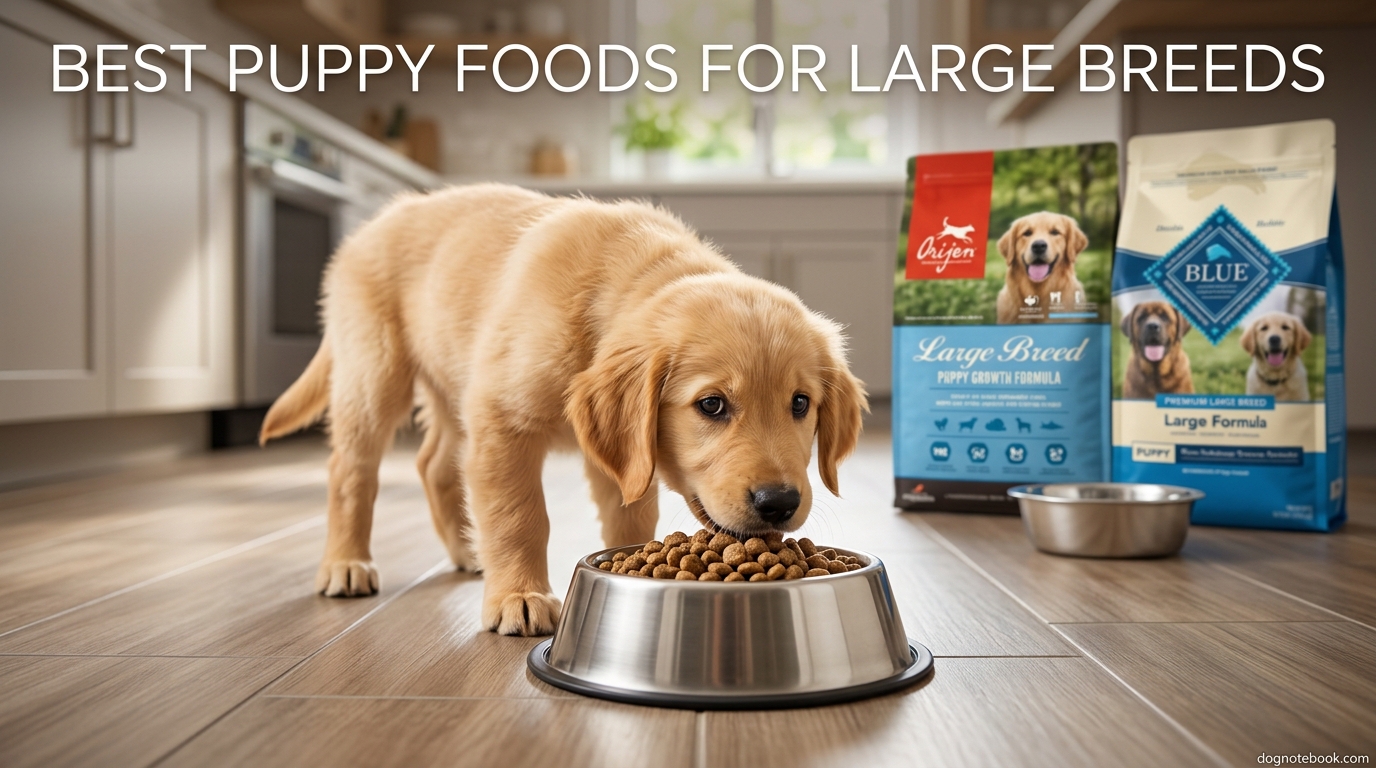
Large-breed puppies are especially sensitive to excess calories and incorrect mineral levels. Fast growth can place extra stress on developing bones and joints.
Do not use an adult homemade recipe for a large-breed puppy. A puppy recipe must account for growth and controlled calcium and phosphorus levels. Ask your veterinarian to help you choose a diet designed for large-breed growth.
Why calcium is a common problem
Boneless meat is rich in phosphorus but low in calcium. A diet built mostly from meat can therefore create a poor calcium-to-phosphorus ratio.
Do not guess the amount of eggshell powder, bone meal, or calcium carbonate. These products differ in strength and purity. The needed amount depends on the full recipe, the dog’s life stage, and the calcium source.
Before you cook: gather the right information
A safe recipe starts with your dog, not with a list of ingredients. Write down the following details before planning food:
- Age and life stage
- Current body weight
- Target weight, if different
- Breed or expected adult size
- Activity level
- Neuter or spay status
- Medical conditions
- Current medications and supplements
- Food allergies or past reactions
- Current diet and daily amount
Take this information to your veterinarian. If your dog needs a fully homemade diet, ask for a referral to a board-certified veterinary nutritionist. In the U.S., the American College of Veterinary Nutrition provides a directory of specialists.
A large dog with kidney disease, pancreatitis, diabetes, urinary stones, heart disease, or severe allergies may need nutrient limits that a general recipe cannot provide.
Estimate calories without treating the number as a prescription
A common veterinary starting equation is:
Resting energy requirement (RER) = 70 × body weight in kilograms^0.75
A veterinarian may then use a life-stage or activity factor to estimate daily energy needs. This is only a starting point. Two dogs of the same weight can need very different amounts.
For example, a 70-pound dog weighs about 31.8 kilograms. Its estimated RER is about 940 calories per day. Its actual daily need may be higher or lower, depending on age, activity, body condition, and health.
Use body condition to adjust the portion. A healthy dog should have:
- Ribs that are easy to feel under a thin layer of fat
- A visible waist when viewed from above
- An abdominal tuck when viewed from the side
Change food amounts slowly. A sudden large cut can leave a dog hungry and may make accurate monitoring harder.
Choose ingredients for a complete recipe
Ingredient quality matters, but ingredient balance matters more. Use fresh, plain foods with no added salt, sauces, spice blends, or cooking oils unless the recipe calls for them.
Protein sources
Common choices include:
- Lean beef
- Turkey
- Chicken
- Pork
- Eggs
- Fish
Cook animal protein thoroughly. Remove bones, and drain excess fat when the recipe requires a leaner food.
Do not feed cooked bones. They can splinter and cause choking, obstruction, or intestinal injury. Raw bones also carry injury and pathogen risks, so they should not be added without a specific veterinary feeding plan.
Carbohydrate sources
A formulated recipe may include:
- White or brown rice
- Oats
- Barley
- Potatoes
- Sweet potatoes
- Pasta
Cook these foods until soft. Never assume that swapping rice for potatoes or oats will keep the recipe balanced. Each ingredient changes calories, fiber, protein, and mineral levels.
Vegetables and fruit
Small amounts of produce can add fiber and taste. Options may include:
- Green beans
- Carrots
- Pumpkin
- Zucchini
- Peas
- Blueberries
Produce should support the recipe, not replace its nutrient plan. Too many vegetables can dilute calories and nutrients, especially in a large dog with a high energy need.
Fat and essential fatty acids
Fat supplies concentrated energy. It also helps provide essential fatty acids and supports the absorption of some vitamins.
Do not add large amounts of oil because a dog looks thin. Extra fat can trigger digestive upset and may raise the risk of pancreatitis in susceptible dogs. If fish oil is used, follow the exact product and dose recommended by the veterinary plan. Fish oil products differ in their EPA and DHA content.

How to make homemade dog food step by step
Use these steps for an adult large dog only after you have a complete recipe and its required supplement.
1. Use a recipe made for your dog
The recipe should state:
- The dog’s life stage
- The daily calorie target
- Ingredient weights
- Whether weights are raw or cooked
- The required supplement
- The supplement dose
- How many daily servings to provide
- Storage instructions
A recipe that says “one cup of meat” is less precise than one that gives food weights in grams. Weigh ingredients with a kitchen scale.
2. Buy the exact ingredients
Do not make casual substitutions. Changing lean beef to fatty beef, or rice to potatoes, can change the recipe’s calorie and nutrient profile.
If an ingredient is unavailable, ask the recipe author or veterinary nutritionist for an approved replacement. Keep the supplement brand and product type consistent unless the professional who made the recipe approves a change.
3. Cook the food safely
Follow these basic steps:
- Wash your hands and clean work surfaces.
- Cook meat, eggs, grains, and vegetables as directed.
- Use a food thermometer for meat when needed.
- Remove bones, tough skin, and unsafe scraps.
- Let cooked food cool before adding heat-sensitive ingredients.
- Add the required supplement only at the stated amount.
- Mix the batch evenly.
- Weigh or divide the finished food into daily portions.
Do not add onions, garlic, chives, grapes, raisins, macadamia nuts, xylitol, alcohol, or chocolate. These foods can harm dogs. Fatty table scraps, cooked bones, and heavily seasoned foods also have no place in a routine homemade diet.
4. Add supplements correctly
A general dog multivitamin may not correct the needs of a homemade recipe. Some products contain too little of key nutrients, while others can provide unsafe amounts when combined with fortified food.
Common nutrients that may need careful planning include:
- Calcium
- Iodine
- Zinc
- Copper
- Vitamin D
- Vitamin E
- B vitamins
- Omega-3 fatty acids
Do not add human supplements unless your veterinarian specifically directs you to do so. Human products may contain ingredients that are unsafe for dogs.
5. Portion and refrigerate
Place food in shallow containers so it cools quickly. Refrigerate portions that will be used soon, and freeze the rest.
As a general food-safety practice, keep cooked food cold and discard food that smells sour, looks spoiled, or has been left at room temperature for too long. Wash bowls after meals, especially when the food contains meat or eggs.
6. Transition over about a week
Mix a small amount of the new food with the current food. Increase the new food over several days if your dog has normal stools and appetite.
A slower change may be better for dogs with sensitive digestion. Vomiting, repeated diarrhea, refusal to eat, weakness, or abdominal pain calls for a veterinary call rather than another recipe change.
A practical example of portion planning
The following is a hypothetical planning example, not a complete recipe.
Suppose a veterinary nutritionist provides a cooked recipe that contains 1,800 calories per kilogram. If your dog’s daily target is 900 calories:
900 calories ÷ 1,800 calories per kilogram = 0.5 kilogram
That equals 500 grams of finished food per day.
If the dog eats two meals, divide the daily amount into two 250-gram portions. Weigh the finished food, not just the raw ingredients, because cooking changes water weight.
If your dog gains fat, the plan may provide too many calories. If your dog loses weight, seems hungry all the time, or lacks energy, the amount or recipe may need review. Do not change several parts of the recipe at once. Change one factor with veterinary guidance and track the result.
Keep treats within the calorie plan
Treats, chews, toppers, and table food add calories. They may also change the nutrient balance if they replace part of the complete diet.
Ask your veterinarian how much of the daily calorie budget can come from treats. Plain cooked vegetables may be lower in calories, but they still count as food and may not suit every dog.

Homemade dog food versus commercial food
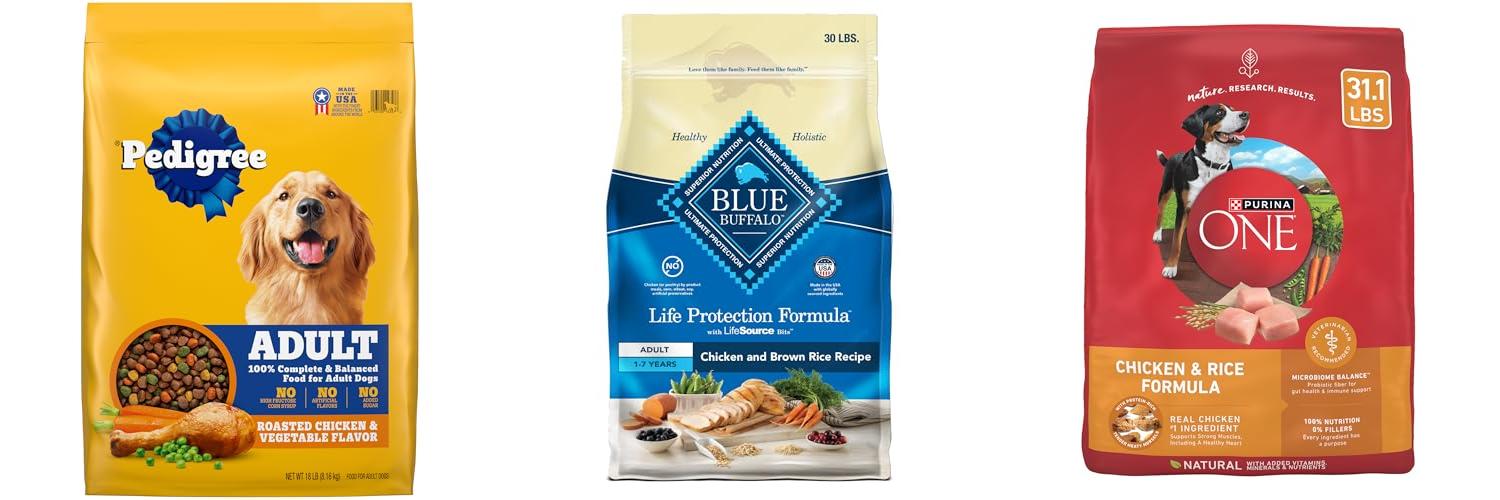
Homemade food is not automatically healthier than commercial food. A commercial diet labeled complete and balanced for the correct life stage may be safer and easier to feed than an untested homemade recipe.
Homemade food may make sense when:
- A veterinary nutritionist has formulated it
- Your household can weigh ingredients accurately
- You can prepare it consistently
- Your dog needs a specific therapeutic diet
- You can monitor weight and health over time
A commercial diet may be the better option when:
- You cannot follow a recipe exactly
- Your dog has complex medical needs
- The diet requires hard-to-find supplements
- Cooking time is limited
- Several people feed the dog and portions may vary
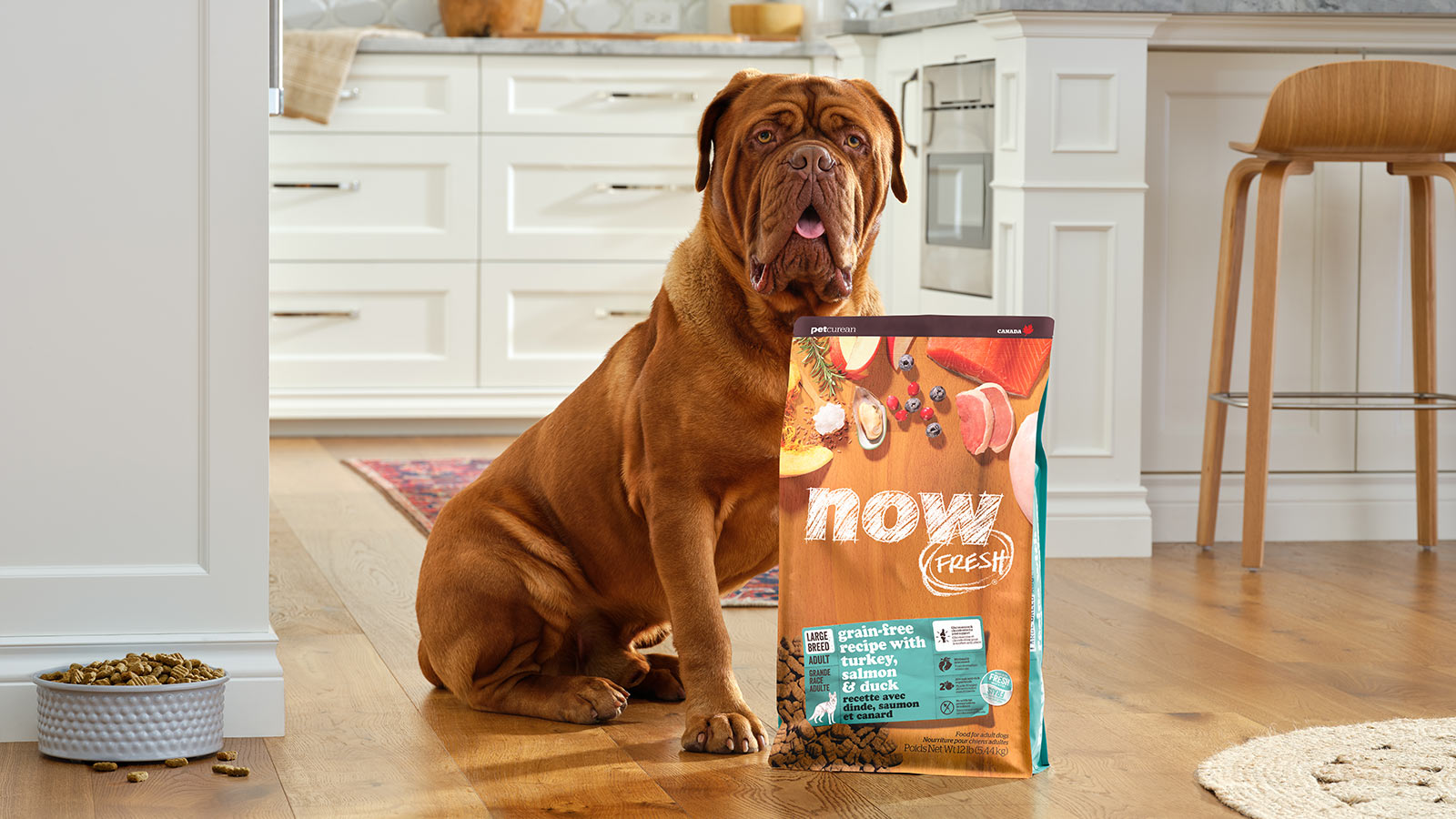
You can also ask your veterinarian about a mixed plan. For example, a complete commercial food may remain the main diet while a small, measured amount of homemade food serves as a topper. The total calories still need to fit the dog’s plan.
Common mistakes to avoid
Feeding meat, rice, and vegetables alone
This simple mix often lacks key vitamins and minerals. It may be acceptable as a short-term bland diet only when a veterinarian recommends it. It is not a safe long-term diet by default.
Using a recipe made for a different dog
A recipe for a 15-pound adult dog may not suit a 100-pound dog. A recipe for an adult may not suit a puppy. A recipe for a healthy dog may harm a dog with kidney disease.
Guessing supplement amounts
Small changes can matter. Do not estimate calcium, fish oil, or vitamin doses with a kitchen spoon unless the recipe gives that exact measure and the product matches.
Changing ingredients without recalculating
Ingredient substitutions can change protein, fat, calories, and minerals. “Healthy” does not mean “nutritionally equivalent.”
Overfeeding because the food looks light
Home-cooked food may contain more water than dry food. Judge portions by calories, body condition, and weight trends—not by bowl size alone.
Ignoring dental care
Soft food does not clean teeth. Homemade food is not a substitute for tooth brushing, dental checks, or a dental-care plan from your veterinarian.
Feeding too much fat
Greasy meat, bacon, butter, and skin can cause stomach upset. They may also be dangerous for dogs prone to pancreatitis.
How to check whether the plan is working
Monitor your dog every week at first. Record:
- Body weight
- Body condition
- Appetite
- Stool quality
- Vomiting or gas
- Energy level
- Itching or ear problems
- Water intake and urination
- Portion size
- Treats and chews
A successful plan should maintain a healthy body condition, steady energy, normal stools, and good appetite without causing unwanted weight gain.
Ask your veterinarian how often blood work is needed. Dogs with medical conditions may need more frequent checks. A diet that appears to work at home can still have a nutrient problem that is not visible right away.
Stop and call your veterinarian if your dog has repeated vomiting, bloody diarrhea, marked weakness, collapse, severe abdominal pain, trouble breathing, or refuses food for an unusual period.
When to get professional help
Get veterinary advice before making a full diet change if your dog is:
- Younger than one year
- A giant-breed puppy
- Pregnant or nursing
- Underweight or obese
- A senior with chronic disease
- Taking regular medication
- Prone to pancreatitis
- Diagnosed with kidney, liver, heart, or urinary disease
- Experiencing repeated digestive problems
- Suspected of having a food allergy
For complex cases, ask for a board-certified veterinary nutritionist rather than relying on a general internet recipe. The specialist can account for calories, nutrient targets, medical limits, supplement form, and cooking method.
Frequently asked questions
Can I feed my large dog homemade food every day?
Yes, but only when the diet is complete and balanced for that specific dog. A daily diet based on meat, rice, and vegetables alone is usually not enough.
What meat is best for a large dog?
No single meat is best for every dog. Lean beef, turkey, chicken, pork, eggs, and some fish can fit a properly formulated plan. The right choice depends on calories, allergies, fat needs, and the rest of the recipe.
Can large dogs eat raw homemade food?
Raw food carries risks from pathogens, bones, and nutrient imbalance. The U.S. Food and Drug Administration and veterinary health groups warn that raw diets can expose pets and people to harmful bacteria. If you are considering raw feeding, discuss it with your veterinarian first.
How much homemade food should I feed?
Feed the amount that meets your dog’s calorie target, then adjust it based on body condition and weight. The weight or volume of food alone does not tell you how many calories it contains.
Can I add homemade food to kibble?
Yes, in measured amounts. Reduce the main food as needed so the combined calories do not cause weight gain. Keep toppers and treats from replacing too much of the complete diet.
Reliable U.S. resources for diet planning
These resources can help you check the quality of nutrition information:
- AAFCO: Pet Food and Animal Feed
- American College of Veterinary Nutrition
- Tufts Petfoodology
- FDA: Pet Food
- WSAVA Global Nutrition Guidelines
Use online recipes as starting points for questions, not as proof that a diet is complete. Look for the recipe’s intended life stage, calorie basis, supplement details, and professional formulation.
Conclusion
The safest way to make dog food for a large dog is to start with a recipe designed for that dog, weigh each ingredient, use the required supplement, cook and store the food safely, and track body condition over time.
Healthy ingredients alone do not create a balanced diet. Before making homemade food the main diet, schedule a nutrition review with your veterinarian or a board-certified veterinary nutritionist. Then make the first batch exactly as written and adjust only when the professional plan calls for it.

Pet Care Writer & Researcher
Daniel writes practical guides on daily care, feeding, and safety, turning complex topics into simple, actionable advice.