What Is A Good Dog Food For Large Dogs: Best Guide
Find out what is a good dog food for large dogs, including key nutrients, healthy ingredients, and tips for choosing the best formula.
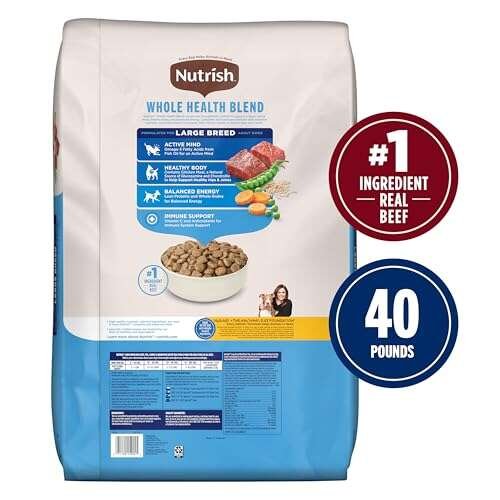
A good dog food for a large dog is a complete and balanced food made for the dog’s life stage, size, health, and activity level. In the United States, look first for an AAFCO nutritional adequacy statement on the label. For large-breed puppies, choose food labeled for growth, including the growth of large-size dogs, because excess calories and minerals can harm developing bones and joints.
The best food is not always the most expensive. It should provide the right nutrients in suitable amounts, help your dog maintain a lean body, and work well for that dog’s digestion and medical needs.

What should you look for in food for a large dog?
A suitable large-dog food should meet four basic standards:
- It is complete and balanced for the correct life stage.
- It provides controlled calories.
- It contains adequate, not excessive, calcium and phosphorus.
- It supports a lean body and steady growth.
Large dogs place more stress on their bones, joints, heart, and digestive system than small dogs do. However, size alone does not tell you which recipe is best. A healthy adult Great Dane and an overweight adult Labrador may need very different foods.
Check the nutritional adequacy statement
Look for wording such as:
“Animal feeding tests using AAFCO procedures substantiate that this product provides complete and balanced nutrition…”
or:
“This product is formulated to meet the nutritional levels established by the AAFCO Dog Food Nutrient Profiles…”
The statement should also name the intended life stage:
- Growth
- Maintenance
- All life stages
- Gestation and lactation
For puppies expected to weigh about 70 pounds or more as adults, choose a food that specifically says it supports growth of large-size dogs. “All life stages” foods can meet growth standards, but the label should still provide suitable directions and clear nutritional information.
Choose a food with appropriate calorie density
Large dogs do not always need a high-calorie food. A very dense recipe can make weight gain easy, especially for dogs with low activity levels.
The label may list calories as:
- Kilocalories per cup
- Kilocalories per can
- Kilocalories per kilogram
Use the calorie number to compare foods. A cup of one recipe may contain far more calories than a cup of another, so feeding by volume alone can mislead you.
Look for a clear ingredient and nutrient profile
Ingredients can help you understand a food, but the ingredient list does not tell the whole story. The first ingredient is not a complete quality score, and a recipe with an attractive ingredient list may still be a poor fit for your dog.
Useful label details include:
- Named animal proteins, such as chicken, beef, turkey, or salmon
- A stated calorie level
- Adequate protein and fat for the dog’s life stage
- A complete and balanced claim
- Feeding directions
- Contact information for the manufacturer
The World Small Animal Veterinary Association (WSAVA) nutrition guidelines also recommend considering whether a company employs qualified nutrition experts, checks finished products, and can provide reliable nutrient information.
Do not judge food by marketing words alone
Words such as “premium,” “holistic,” “natural,” and “human-grade” do not automatically prove that a food is nutritionally better. They may describe certain ingredients or manufacturing claims, but they do not replace an AAFCO adequacy statement or sound feeding plan.
Why large-breed puppies need special food
Large-breed puppy food matters because fast growth can increase the risk of skeletal problems. Puppies need enough nutrients to grow, but more is not always better.
A large puppy that consumes too many calories may grow too quickly. Excess calcium can also interfere with normal bone development. This is why large-breed puppy diets are designed with controlled levels of energy and minerals.
What the label should say
For a large-breed puppy, look for a statement that includes growth of large-size dogs. The wording may vary, but it should clearly indicate that the food meets AAFCO growth standards for dogs expected to reach at least 70 pounds as adults.
Do not rely only on terms such as:
- Large breed
- Giant breed
- Healthy growth
- Joint support
Those phrases may be useful clues, but the nutritional adequacy statement is more important.
How long should a large dog eat puppy food?
Many large dogs stay on puppy food longer than small dogs, often until they reach most of their adult skeletal growth. The correct timing varies by breed, expected adult size, body condition, and health.
Ask your veterinarian when to switch if your puppy:
- Is gaining weight quickly
- Has a visible loss of waist
- Has loose stools that do not improve
- Shows pain, limping, or stiffness
- Is approaching adult size
- Has a growth or orthopedic concern
Avoid adding calcium supplements unless a veterinarian prescribes them. A complete commercial puppy food should already contain the required nutrients.
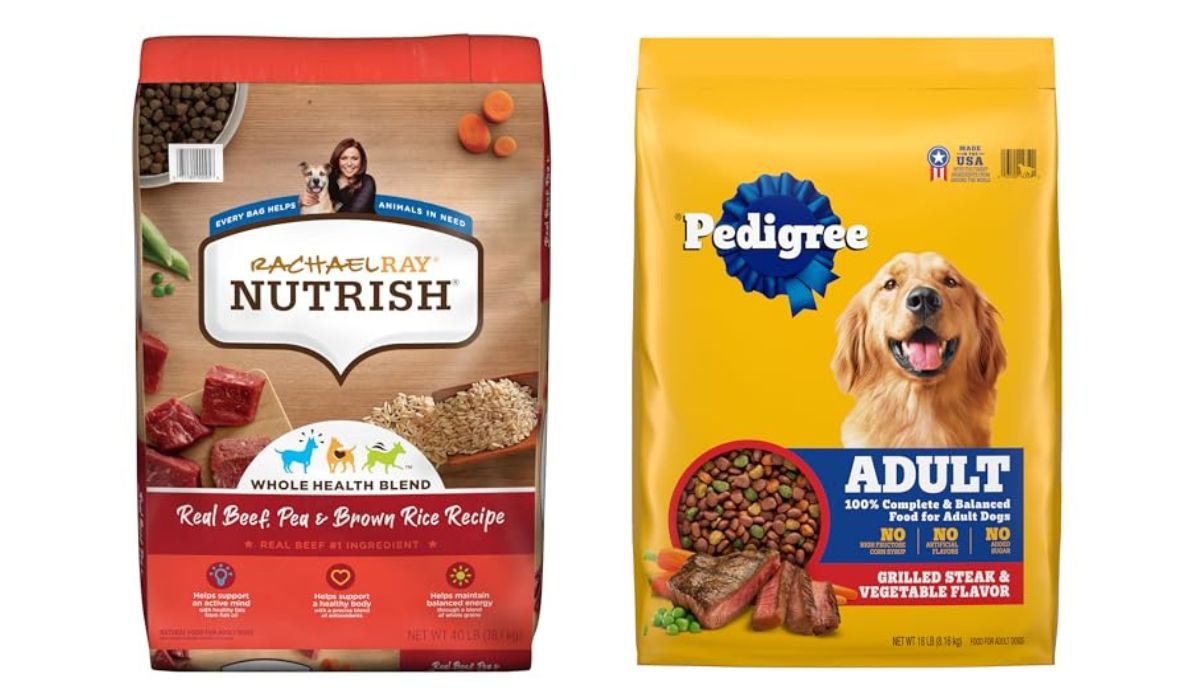
What is the best food for an adult large dog?
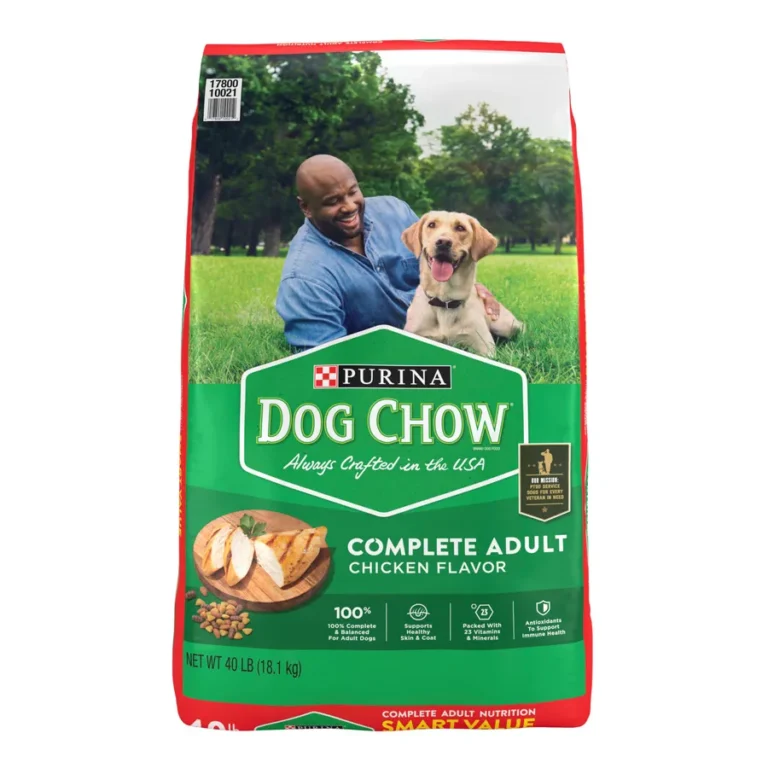
For a healthy adult large dog, the best food is one that maintains a lean body, provides complete nutrition, and matches the dog’s daily energy needs.
A food labeled for adult maintenance is usually appropriate for an adult dog. A large-breed adult formula may be helpful because it often provides controlled calories and a feeding guide aimed at bigger dogs, but the phrase “large breed” is not by itself a guarantee of better nutrition.
Dry, wet, fresh, or mixed food?
Several formats can work:
| Food type | Potential benefit | Watch for |
|---|---|---|
| Dry food | Easy to measure and store; often lower cost per meal | Calorie density varies; some dogs may eat too fast |
| Canned food | Adds moisture and may help picky eaters | More expensive; must be refrigerated after opening |
| Fresh cooked food | May appeal to some dogs | Must be complete and balanced, not simply homemade meat and rice |
| Mixed feeding | Adds variety and moisture | Total calories must be counted across both foods |
The format matters less than nutritional completeness, calorie control, safety, and whether your dog can digest it well.
What about protein?
Healthy adult dogs need adequate protein, but a very high protein number does not automatically make a food better. Protein quality, digestibility, overall formulation, and calorie balance also matter.
Most healthy dogs can eat animal or plant ingredients as part of a complete diet. Dogs with kidney, liver, urinary, or other conditions may need a specific nutrient plan. Do not change protein levels for a sick dog without veterinary advice.
What about glucosamine and chondroitin?
Some large-dog foods include glucosamine, chondroitin, omega-3 fatty acids, or other joint-related ingredients. These may be useful in some diets, but the presence of one supplement does not prove that the food prevents arthritis or joint disease.
If your dog has arthritis, hip dysplasia, or chronic pain, a veterinarian can recommend a broader plan. That plan may include weight control, exercise changes, medication, physical therapy, or a therapeutic diet.
How much should you feed a large dog?
Start with the feeding guide on the package, then adjust based on body condition, weight trend, and activity. Feeding charts are starting points, not exact prescriptions.
A simple process works well:
- Measure every meal with a standard measuring cup or kitchen scale.
- Count treats, table food, dental chews, and food used for medication.
- Check your dog’s weight every two to four weeks.
- Look for a visible waist from above and an abdominal tuck from the side.
- Adjust portions gradually if weight changes in the wrong direction.
A hypothetical calorie example
Suppose a food contains 400 kilocalories per cup, and your veterinarian recommends 1,200 kilocalories per day for your dog.
1,200 ÷ 400 = 3 cups per day
You could divide that into two meals of 1.5 cups each. This is only a hypothetical example. Your dog’s actual calorie need depends on body size, age, neuter status, activity, environment, and health.
Treats should also fit into the daily calorie total. The American Animal Hospital Association notes that treats and other extras can contribute meaningfully to weight gain when portions are not measured.
Body condition matters more than the number on the bag
Two dogs of the same breed and weight may need different amounts of food. A muscular working dog may need more calories than a sedentary pet. A neutered dog may need fewer calories than an intact dog of the same size.
Your dog is likely too heavy if:
- You cannot easily feel the ribs
- The waist is hard to see from above
- The abdomen does not rise behind the rib cage
- The dog tires quickly during normal activity
Extra weight increases strain on large joints. Weight control is one of the most practical ways to support mobility.

Which ingredients and nutrients matter most?
The most important feature is the complete nutrient balance, not one “superfood” ingredient.
Calcium and phosphorus
Calcium and phosphorus help form bones, but their amounts and relationship must be appropriate. This is especially important for large-breed puppies.
Do not add bone meal, calcium powder, or mineral supplements to a complete commercial diet unless your veterinarian directs you to do so. More minerals can create an imbalance rather than stronger bones.
Omega-3 fatty acids
Fish oil sources of EPA and DHA may support skin, coat, and joint health. The label may list fish oil, salmon oil, or another omega-3 source. However, labels do not always state the actual EPA and DHA amount.
Ask your veterinarian before giving a separate fish oil supplement. Products can add calories, interact with some medicines, or cause side effects in certain dogs.
Fiber and digestion
Fiber can affect stool quality and fullness. Some large dogs do well with moderate fiber, while others need a different approach for gas, loose stool, or constipation.
Large dogs are also at risk of life-threatening stomach emergencies, including gastric dilatation-volvulus, commonly called bloat. Food alone cannot prevent every case. Ask your veterinarian about safer meal routines, especially if your dog has a deep chest or a family history of bloat.
Helpful habits may include:
- Feeding two or more smaller meals instead of one large meal
- Slowing down fast eating
- Avoiding intense exercise right after meals
- Discussing preventive gastropexy for dogs at high risk
These steps should be tailored to the individual dog.
When should you choose a veterinary therapeutic diet?
A regular store-bought food may not be suitable if your dog has a diagnosed health problem. A veterinarian may recommend a therapeutic diet for conditions such as:
- Kidney disease
- Urinary stones
- Food allergy or adverse food reaction
- Diabetes
- Severe obesity
- Pancreatitis
- Heart disease
- Liver disease
- Chronic gastrointestinal disease
These diets are formulated around specific nutrient limits or targets. Switching between them and ordinary foods can reduce their intended effect.
Contact a veterinarian promptly if your dog has repeated vomiting, bloody diarrhea, sudden weakness, a swollen abdomen, trouble breathing, collapse, or refuses food for an unusual period. A large dog with a distended abdomen and attempts to vomit without producing anything needs emergency care.

Common mistakes when choosing large-dog food
Several common choices can make feeding less safe or less effective.
Choosing by the first ingredient
The first ingredient does not reveal calorie density, mineral balance, digestibility, or whether the food is complete. Read the full label.
Overfeeding because the dog looks hungry
Many dogs act hungry even when they receive enough food. Use measured portions and body condition rather than begging behavior alone.
Adding supplements “just in case”
Supplements can upset nutrient balance or interact with medication. A complete food usually does not need extra calcium or vitamins.
Changing food too quickly
A sudden switch can cause diarrhea or gas. Unless your veterinarian gives different instructions, transition over about seven days by mixing increasing amounts of the new food with decreasing amounts of the old food.
If vomiting, severe diarrhea, facial swelling, breathing trouble, or marked weakness occurs, stop the change and contact a veterinarian.
Feeding a homemade diet without a formulation
Meat, rice, vegetables, and supplements may sound healthy, but an informal recipe can lack calcium, essential fatty acids, vitamins, or trace minerals. If you want to feed homemade food, ask a board-certified veterinary nutritionist to formulate the diet.
Assuming grain-free means healthier
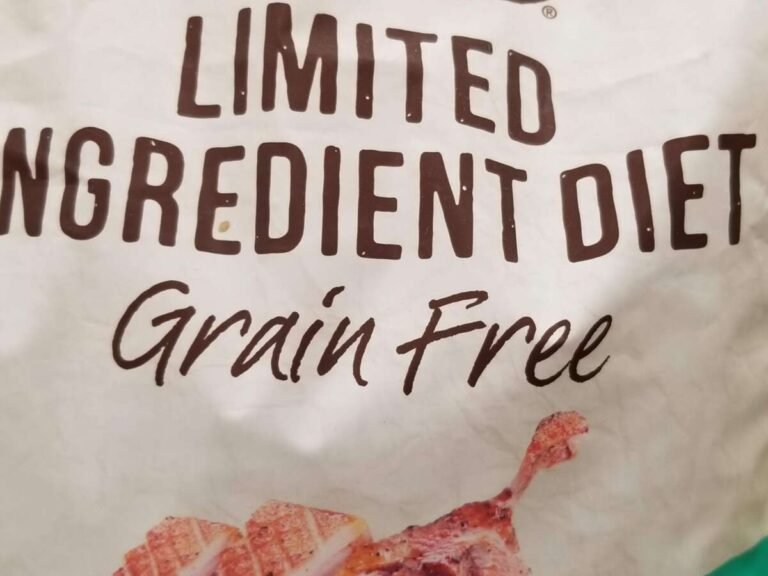
There is no general need to avoid grains in a healthy dog. Dogs with a confirmed food reaction may need a carefully selected diet, but food choices should be based on the diagnosis rather than marketing. The [FDA’s investigation into diet-associated canine dilated cardiomyopathy](https://www.fda.gov/animal-veterinary/animal-health-literacy/fda-investigation-potential- link-between-certain-diets-and-canine-dilated-cardiomyopathy) led to ongoing discussion about diet, ingredients, and heart disease. Do not make a major diet change for a heart concern without veterinary advice.
A practical checklist for buying dog food
Before buying a large-dog food in the United States, check the following:
- The label says the food is complete and balanced.
- It is made for your dog’s life stage.
- Puppy food supports growth of large-size dogs when applicable.
- The calorie content is listed.
- Feeding directions are clear.
- The manufacturer provides contact details and product information.
- Your dog maintains a lean body on the food.
- Stool, appetite, coat, and energy remain normal.
- Your veterinarian approves any diet needed for a medical condition.
If a company cannot provide basic nutrient or quality-control information, choose a product from a manufacturer that can.

FAQs about food for large dogs
Is large-breed dog food really necessary?
It is especially useful for large-breed puppies because controlled calories and mineral levels support safer growth. For adults, a standard complete and balanced maintenance food may work if it keeps the dog lean and healthy. A large-breed adult formula is an option, not an automatic requirement.
Is wet food better than dry food for large dogs?
Neither is always better. Wet food can add moisture and help some picky eaters. Dry food is often easier to measure and store. The right choice is the complete food your dog tolerates and receives in an appropriate calorie amount.
Should large dogs eat grain-free food?
Most healthy dogs do not need a grain-free diet. Use one only when a veterinarian identifies a clear reason. Avoid changing diets based on a label claim alone.
Can large dogs eat food made for small dogs?
A healthy adult dog may tolerate it, but small-dog foods can be more calorie-dense and may not be practical for a large dog. Large-breed puppies need a diet that supports growth of large-size dogs, regardless of the package size.
How do I know if my dog’s food is working?
Your dog should maintain a stable, lean body condition, have regular stools, and show normal energy for age and health. Poor results include ongoing diarrhea, excessive gas, weight gain, weight loss, itching, vomiting, or reduced energy. Persistent signs warrant a veterinary exam rather than repeated food changes.
Conclusion: the best food depends on the individual dog
For most large dogs, a good food is a complete and balanced U.S. diet that matches the dog’s life stage, supplies suitable calories, and helps maintain a lean body. Large-breed puppies need extra care: choose food approved for growth of large-size dogs and avoid unneeded calcium supplements.
Start with the label, measure portions, monitor body condition, and make changes slowly. If your dog has a medical problem, persistent digestive signs, or an orthopedic concern, ask a veterinarian to select or approve the diet.
Sources and further reading
- AAFCO: Understanding Pet Food
- WSAVA Global Nutrition Guidelines
- AAHA Nutrition and Weight Management Guidelines
- FDA: Investigation of Diet-Associated Canine Dilated Cardiomyopathy

Pet Care Writer & Researcher
Daniel writes practical guides on daily care, feeding, and safety, turning complex topics into simple, actionable advice.