What Are The Top 10 Healthiest Dog Foods: Best Guide
What are the top 10 healthiest dog foods? Compare nutritious options, key ingredients, and expert tips to choose the best diet for your dog.
The top 10 healthiest dog foods use complete nutrition, quality protein, safe ingredients, and the right calories for each dog.
Choosing healthy dog food is not about finding the most expensive bag or the trendiest recipe. It is about matching a complete and balanced diet to your dog’s age, size, activity, health, and taste. After reviewing ingredient quality, nutrition standards, safety records, feeding guidance, and real-world use, this guide explains what are the top 10 healthiest dog foods and how to choose among them with confidence.
What Makes a Dog Food Healthy?
A healthy dog food should provide the nutrients a dog needs in the right amounts. In the United States, look for an AAFCO nutritional adequacy statement on the label. This statement shows whether the food is complete and balanced for growth, adult maintenance, all life stages, or a specific condition.
The best dog food is not always the one with the longest ingredient list. A short, well-formulated recipe can be healthier than a food packed with trendy ingredients but lacking proper nutrient balance.
Look for these key features:
• A named animal protein, such as chicken, turkey, beef, lamb, salmon, or fish, near the start of the ingredient list
• Complete and balanced nutrition for your dog’s life stage
• Appropriate calories for your dog’s weight and activity
• Essential fats, including omega-3 fatty acids
• Vitamins and minerals in safe, balanced amounts
• Clear feeding directions and company contact details
• Quality control and nutrition research from the manufacturer
Meat meals are not automatically poor ingredients. Chicken meal, for example, is a concentrated source of animal protein because much of the water has already been removed. By contrast, fresh meat contains more water and may appear higher on the label than it would after cooking.
The healthiest dog foods also fit the dog in front of you. A food that works well for an active Labrador may cause weight gain in a small senior Shih Tzu. Your veterinarian can help you account for allergies, kidney disease, diabetes, digestive problems, and other medical needs.
The Top 10 Healthiest Dog Foods
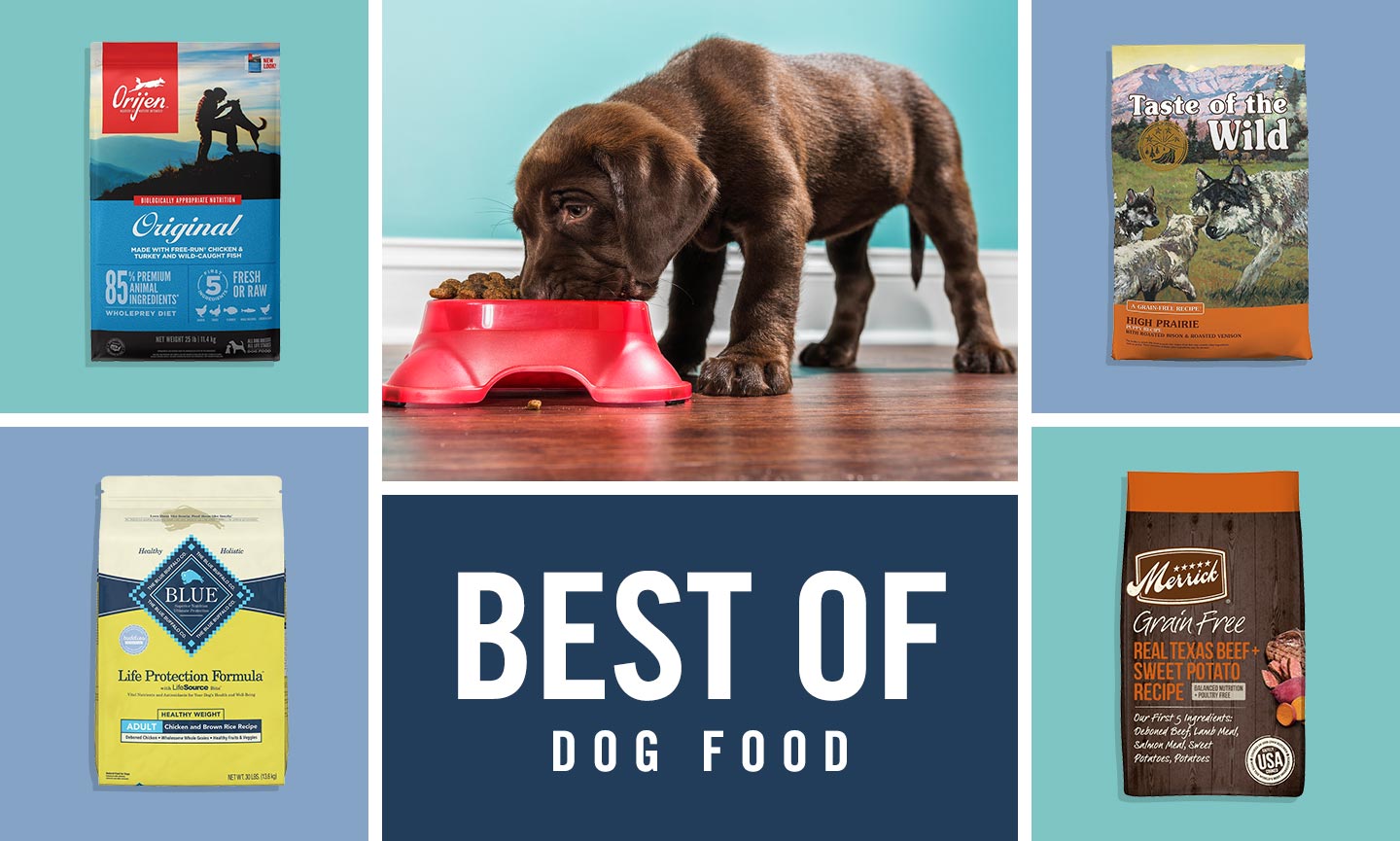
The following options represent different feeding styles, including dry food, wet food, fresh food, and veterinary diets. They are not listed in a strict order because the best choice depends on your dog’s needs.
1. Purina Pro Plan Complete Essentials
Purina Pro Plan Complete Essentials is a strong everyday option for many healthy adult dogs. Its recipes commonly feature named animal proteins, targeted nutrition, and formulas for different sizes, ages, and activity levels.
Many recipes include prebiotic fiber to support digestion. Some also contain added probiotics, omega fatty acids, or nutrients for skin and coat health. The brand offers small-breed, large-breed, sensitive-skin, sensitive-stomach, and senior formulas.
Why it stands out:
• Broad selection for different life stages
• Nutrition research and feeding trials
• Multiple protein options
• Easy access in many U.S. stores
• Wet and dry food choices
One caution is that some recipes may not suit dogs with a specific food allergy. Always read the full ingredient list instead of relying only on the front of the package.
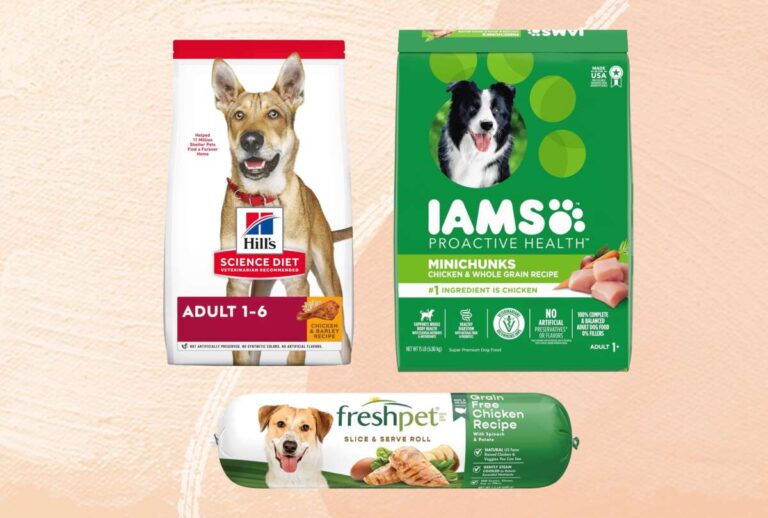
2. Hill’s Science Diet
Hill’s Science Diet is widely used for everyday feeding and is known for formulas designed around life stage, body size, and common nutritional needs. It offers puppy, adult, senior, small-breed, large-breed, and sensitive-stomach recipes.
The brand also makes prescription diets under a separate veterinary line. Those products are intended for diagnosed health problems and should be used with veterinary guidance.
Why it stands out:
• Clear life-stage and size categories
• Strong veterinary nutrition background
• Consistent formulation
• Options for digestion, weight, and skin support
• Widely available
Hill’s may not appeal to owners who prefer grain-free or boutique foods. However, familiar grains such as rice, barley, and corn can provide useful carbohydrates and nutrients for many dogs.
3. Royal Canin
Royal Canin offers highly targeted nutrition. It makes foods for specific breeds, body sizes, ages, activity levels, and health concerns. For example, its small-breed formulas use smaller kibble and higher calorie density, while large-breed foods support controlled growth and joint health.
Its veterinary diets address concerns such as urinary health, food sensitivities, gastrointestinal disease, and kidney function. These diets should be selected with a veterinarian.
Why it stands out:
• Precise size and breed options
• Specialized kibble shapes and textures
• Strong focus on nutrient targets
• Veterinary formulas for diagnosed conditions
• Useful choices for picky eaters
The main drawback is cost. Royal Canin can be more expensive than standard grocery-store food, but targeted nutrition may help some dogs when general diets are not enough.
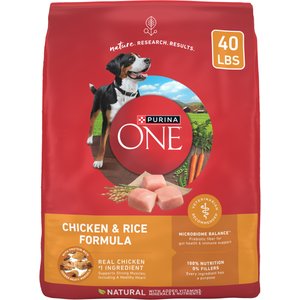
4. Purina ONE Plus
Purina ONE Plus provides a more budget-friendly approach to complete nutrition. Many recipes include a named meat or poultry ingredient, protein for lean muscle, and added vitamins and minerals.
This line can work well for families that need a reliable food without paying premium prices. It also offers formulas for puppies, adults, seniors, large breeds, and dogs with certain sensitivities.
Why it stands out:
• Affordable for many households
• Complete and balanced options
• Easy to find
• Several protein choices
• Dry and wet varieties
Check the calories per cup and measure meals carefully. Even healthy dog food can lead to weight gain when portions are too large.
5. Iams ProActive Health
Iams ProActive Health is another practical choice for adult dogs and puppies. Many recipes include animal protein, fiber sources, omega fatty acids, and nutrients that support muscle and general health.
It is often easier to afford than premium or fresh diets. That matters because a food is only helpful if a family can buy it consistently.
Why it stands out:
• Good value
• Complete nutrition for common life stages
• Options for large and small dogs
• Widely available
• Simple feeding instructions
Some dogs may need a different formula if they have food allergies, severe digestive issues, or a medical condition. For those cases, ask your veterinarian before making a change.
6. Eukanuba
Eukanuba is designed with active dogs, working dogs, and athletic breeds in mind. Its recipes often provide higher protein and calorie levels than standard maintenance diets, although exact values vary by formula.
This food may suit dogs that exercise frequently, compete in sports, or struggle to maintain weight. It may be too calorie-dense for a sedentary dog.
Why it stands out:
• Useful for active dogs
• Formulas for puppies and adults
• Nutrients for muscle and joint support
• Large-breed and performance options
• Research-based formulation
The important lesson is to match energy density to lifestyle. A couch-loving dog does not need the same fuel as a hiking partner.
7. Wellness Complete Health
Wellness Complete Health offers recipes with named animal proteins, grains or grain-free ingredients, vegetables, and added nutrients. It is often chosen by owners who want a premium food with a broad range of ingredients.
The brand provides options for puppies, adults, seniors, small breeds, and large breeds. Some recipes include added probiotics or omega fatty acids.
Why it stands out:
• Wide variety of recipes
• Options with grains
• Named protein sources
• Multiple life-stage formulas
• Wet and dry products
Do not assume “natural,” “holistic,” or “grain-free” means healthier. Those marketing terms do not replace an AAFCO adequacy statement or a careful review of your dog’s needs.
8. Freshpet Fresh Dog Food
Freshpet offers refrigerated, fresh-style dog food made with ingredients such as meat, poultry, vegetables, and grains, depending on the recipe. Some dogs enjoy the soft texture and aroma more than dry kibble.
Fresh food can be useful for picky eaters or owners who want a different feeding format. It must be stored correctly and used within the time stated on the package.
Why it stands out:
• Appealing taste and texture for some dogs
• Refrigerated feeding option
• Complete and balanced recipes available
• Useful for dogs that dislike dry food
Fresh food is not automatically more nutritious than kibble. Compare calories, protein, fat, and feeding amounts. It can also cost more and requires refrigerator space.
9. JustFoodForDogs
JustFoodForDogs makes fresh and frozen recipes, including some diets developed with veterinary nutrition input. Several products are designed to meet specific nutritional goals, while others are intended for general maintenance.
This type of food may appeal to owners who want visible, minimally processed ingredients. Still, the food must be complete and balanced unless it is clearly labeled as a topper or supplemental product.
Why it stands out:
• Fresh and frozen choices
• Ingredient transparency
• Specialized diet options
• Veterinary nutrition involvement
• Useful for some picky dogs
Fresh diets can be higher in cost and may require careful portion control. Follow the feeding chart, and do not add homemade ingredients without professional advice.
10. Veterinary Prescription Diets
Veterinary diets from brands such as Hill’s Prescription Diet, Royal Canin Veterinary Diet, and Purina Pro Plan Veterinary Diets can be among the healthiest dog foods for dogs with diagnosed medical problems.
These foods may support kidney disease, urinary stones, diabetes, obesity, gastrointestinal disorders, or food allergies. They are not general-purpose foods for every healthy dog.
Why they stand out:
• Designed for specific medical needs
• Formulated with veterinary nutrition expertise
• Often supported by clinical research
• Available in wet and dry forms
• Can support treatment plans
Never use a prescription diet simply because it sounds more advanced. The right food depends on a diagnosis, blood work, symptoms, and your veterinarian’s plan.

How to Compare the Healthiest Dog Foods
Comparing dog food can feel like reading a chemistry test. A few label checks make the process easier.
Start With the Nutritional Adequacy Statement
Find the statement that says the food is complete and balanced. It should match your dog’s life stage.
Common categories include:
• Growth, for puppies
• Adult maintenance, for adult dogs
• All life stages, for dogs of different ages
• Gestation and lactation, for pregnant or nursing dogs
A puppy should not eat an adult maintenance food as its main diet unless a veterinarian recommends it. Large-breed puppies also need controlled calcium, phosphorus, and calories to support steady growth.
Check Protein, Fat, and Calories
Protein supports muscles, skin, immune function, and tissue repair. Fat supplies energy and helps the body absorb vitamins. Neither nutrient is automatically better at very high levels.
Calories matter most for weight control. Compare the calories per cup, can, pouch, or serving. A food with 400 calories per cup requires a smaller portion than one with 300 calories per cup.
Read the Ingredient List With Context
Ingredients appear by weight before cooking. This can make direct comparisons difficult. A food with fresh chicken first may contain less chicken after cooking because fresh meat contains water.
Look for:
• Named animal proteins
• A suitable carbohydrate source
• Added vitamins and minerals
• Fiber when needed
• Nutrients that match your dog’s health goals
Avoid judging a food by one ingredient alone. Dogs need a complete nutrient profile, not just a list of appealing items.
Review the Guaranteed Analysis
The guaranteed analysis lists minimum crude protein and fat and maximum crude fiber and moisture. These numbers help, but they are not a full nutrition report.
For a fair comparison between wet and dry foods, compare nutrients on a dry-matter basis. Your veterinarian or a pet nutrition professional can help with this calculation.
Consider the Manufacturer
A trustworthy company should be able to explain who formulates its diets, where products are made, and how it checks quality. Look for clear contact details and prompt answers to nutrition questions.
No company is free from risk. Recalls can occur in any part of the pet food industry. Check current recall notices and keep the food packaging until the product is finished.

Dry Food, Wet Food, Fresh Food, or Homemade?
There is no single best format for every dog. Each type has benefits and limits.
Dry Dog Food
Dry food is convenient, affordable, easy to store, and simple to measure. It can also help some dogs maintain a regular feeding routine.
However, dry food contains less water than canned or fresh food. Dogs that drink little may benefit from added water or some wet food, depending on their health needs.
Wet Dog Food
Canned food usually contains more water and may be more appealing to picky dogs. It can help increase water intake and is often easier for dogs with dental pain or missing teeth to eat.
Wet food is usually more expensive per calorie. Once opened, it also needs refrigeration and should be used according to package directions.
Fresh Dog Food
Fresh diets may offer a soft texture and visible ingredients. They can be useful for some picky eaters, but freshness does not guarantee balanced nutrition.
Select only recipes labeled complete and balanced for your dog’s life stage. Refrigerated food also needs careful storage to reduce spoilage.
Homemade Dog Food
Homemade meals can be appropriate in special cases, but they are easy to unbalance. Common problems include too little calcium, excess phosphorus, insufficient zinc, and missing essential vitamins.
If you want to feed homemade food long term, ask a board-certified veterinary nutritionist to create the recipe. Do not rely on an online recipe unless it was designed by a qualified professional.
Dog Food Ingredients to Understand
Dog food labels contain many terms that sound confusing but have simple meanings.
Animal Protein
Chicken, beef, turkey, lamb, fish, and egg can provide valuable amino acids. A dog may also thrive on plant proteins when the complete recipe supplies all essential nutrients, but animal ingredients are common in many diets.
Meat Meal
Meat meal is a concentrated ingredient made after much of the water is removed. Named meals, such as chicken meal or salmon meal, can be useful protein sources.
Grains
Rice, oats, barley, corn, and wheat can provide carbohydrates, fiber, fatty acids, and nutrients. Most dogs do not need grain-free food unless a veterinarian identifies a specific reason.
By-Products
By-products can include nutrient-rich organs and other parts of an animal. The term does not automatically mean unsafe or low quality. Liver, for example, supplies vitamin A and other nutrients.
Probiotics and Prebiotics
Probiotics are live microorganisms that may support gut health. Prebiotics are fibers that feed helpful gut bacteria. Their benefits depend on the strain, dose, and dog.
Supplements
Supplements are not always needed when a dog eats a complete diet. Adding calcium, vitamins, or oils without guidance can create an imbalance or interact with medication.
Health Problems That Affect Food Choice
The top 10 healthiest dog foods for a healthy adult may not be suitable for a dog with a medical condition.
Overweight Dogs
Weight loss depends on total calories, treats, activity, and portion size. A lower-calorie diet may help, but the feeding plan should be measured and reviewed regularly.
Treats should usually stay under about 10% of daily calories. A few bites from the table can quietly add many calories.
Dogs With Sensitive Stomachs
A gradual change, moderate fat level, and consistent ingredients may help some dogs. Vomiting, repeated diarrhea, blood in stool, or appetite loss requires veterinary care.
Food Allergies
True food allergies are less common than many owners think. Dogs can react to proteins such as beef, dairy, chicken, or other ingredients, but testing and elimination diets work best under veterinary supervision.
Kidney Disease
Dogs with kidney disease may need controlled phosphorus, adjusted protein, and other nutrient changes. A standard healthy dog food is not a substitute for a kidney-support diet.
Urinary Problems
Urinary diets can change mineral levels and urine acidity. Do not use them without a diagnosis because the wrong diet may be unhelpful or unsafe.
Senior Dogs
Older dogs often need fewer calories, but not every senior dog needs a low-protein diet. Healthy older dogs may benefit from high-quality protein to help maintain muscle. Your veterinarian can guide the right choice based on body condition and lab results.

How to Change Your Dog’s Food Safely
A sudden switch can cause loose stool, gas, or refusal to eat. Change food over about seven days unless your veterinarian gives different instructions.
-
Feed about 75% old food and 25% new food for two days.
-
Move to 50% old food and 50% new food for two days.
-
Feed about 25% old food and 75% new food for two days.
-
Serve the new food alone on the final day.
Sensitive dogs may need a slower transition over 10 to 14 days. Keep treats, toppers, and table scraps steady during the change so you can see how the new food affects your dog.
A practical lesson I have learned from helping owners compare diets is that too many changes at once create confusion. If you switch food, treats, supplements, and chews together, you may not know what caused an upset stomach or an improvement.
Stop and contact your veterinarian if your dog has repeated vomiting, severe diarrhea, weakness, facial swelling, trouble breathing, or refuses food for an unusual length of time.
Common Mistakes to Avoid
Even a high-quality food can fail when it is used incorrectly.
• Choosing food by marketing words instead of the adequacy statement
• Feeding the same portion after your dog gains or loses weight
• Giving too many treats or table scraps
• Switching foods too quickly
• Adding supplements without professional advice
• Feeding puppy food to an adult dog for too long
• Assuming grain-free means healthier
• Using a prescription diet without veterinary guidance
• Ignoring storage and expiration dates
• Believing expensive food is always better
Store dry food in a cool, dry place and keep it in its original bag when possible. Wash food and water bowls often. For wet and fresh foods, follow refrigeration instructions closely.
Check your dog’s body condition every few weeks. You should be able to feel the ribs under a light layer of fat, see a waist from above, and notice an abdominal tuck from the side.

Frequently Asked Questions About What Are the Top 10 Healthiest Dog Foods
What are the top 10 healthiest dog foods for most adult dogs?
Good options include Purina Pro Plan Complete Essentials, Hill’s Science Diet, Royal Canin, Purina ONE Plus, Iams ProActive Health, Eukanuba, Wellness Complete Health, Freshpet, JustFoodForDogs, and appropriate veterinary diets. The best choice depends on calories, life stage, health status, budget, and your dog’s response.
Is grain-free dog food healthier?
Grain-free food is not automatically healthier. Most dogs can digest grains, and some grain-free diets may use large amounts of peas, lentils, or potatoes; ask your veterinarian before making this choice.
What is the healthiest food for a puppy?
Puppies need a complete and balanced diet labeled for growth. Large-breed puppies need food made for controlled large-breed growth, because excess calories and minerals can harm developing bones.
Is wet food better than dry food for dogs?
Neither format is always better. Wet food provides more water and may help picky or dental-challenged dogs, while dry food is convenient, easy to measure, and often less expensive.
How do I know if a dog food is complete and balanced?
Look for an AAFCO nutritional adequacy statement on the package. It should say the food meets the nutrient profile or passed feeding trials for your dog’s life stage.
How often should I change my dog’s food?
You do not need to change food if your dog is healthy, maintains a good weight, enjoys the meals, and has normal stools. If you change diets, do it gradually over about seven days.
Conclusion
The top 10 healthiest dog foods include reliable dry foods, fresh diets, wet foods, and veterinary formulas. The right choice is the one that is complete and balanced, fits your dog’s age and health, provides suitable calories, and works well in your home.
Start by checking the AAFCO statement, calories, protein source, feeding guide, and company quality standards. Then introduce any new food slowly and track your dog’s weight, stool, energy, skin, and appetite.
Your dog does not need the most expensive bowl on the shelf. Your dog needs a safe, balanced diet served in the right amount. Use this guide to compare options, discuss medical needs with your veterinarian, and choose food with confidence.

Pet Care Writer & Researcher
Daniel writes practical guides on daily care, feeding, and safety, turning complex topics into simple, actionable advice.