Do Puppies Need A Dog Bed: Benefits And Buying Tips
Do puppies need a dog bed? Learn the benefits, ideal bed types, and simple tips for creating a cozy, safe sleep space for your puppy.
Yes, puppies need a safe sleeping space, but the bed itself is not always essential.
Do puppies need a dog bed? In most homes, a puppy bed is a smart tool for comfort, sleep, training, and joint support. Still, the best choice depends on your puppy’s age, chewing habits, size, health, and sleeping area. This guide explains when a dog bed helps, how to choose one, and what to do if your puppy keeps turning it into a chew toy.
Why Do Puppies Need a Dog Bed?
Puppies sleep a lot. Many young puppies need 18 to 20 hours of sleep each day. Their bodies and brains grow during rest, so a calm sleeping place is as important as good food and safe play.
A dog bed gives your puppy a clear place to relax. It can also help your puppy learn that rest does not always happen on your lap, the couch, or your bed.
A good puppy bed may provide several benefits:
• Comfort after play, training, and walks
• Support for growing bones and joints
• A warm place away from cold floors
• A familiar space during stressful moments
• Support for crate training and house training
• A clear boundary between play time and rest time
Think of the bed as your puppy’s small island of calm. It should feel safe, easy to reach, and free from pressure.
However, a dog bed is not a medical treatment. A soft bed cannot correct a bone problem, replace proper exercise, or solve serious anxiety. If your puppy struggles to sleep, cries often, or shows signs of pain, contact a veterinarian.

Benefits of a Dog Bed for Puppies
Better sleep and rest
A comfortable bed can help a puppy settle after exciting activity. This matters because overtired puppies often act wild, bite more, bark, or struggle to focus.
A quiet bed gives your puppy a place to switch off. It may take time, but many puppies learn to nap when they see the bed as a familiar rest spot.
Support for growing bodies
Puppies grow quickly. Large-breed puppies, in particular, can put stress on their developing bones and joints. A bed with light support can cushion the body from a hard floor.
The bed does not need to be very soft or thick. In fact, a surface that sinks too much may make it harder for a puppy to stand up or change position. Look for a stable surface that offers comfort without trapping the puppy in one spot.
A safe place during busy moments
Puppies can become overwhelmed by visitors, children, noise, and household activity. A bed placed in a quiet corner gives your puppy a place to retreat.
Teach family members to leave the puppy alone while it rests. This simple rule can reduce stress and help prevent defensive behavior around the sleeping area.
Help with crate training
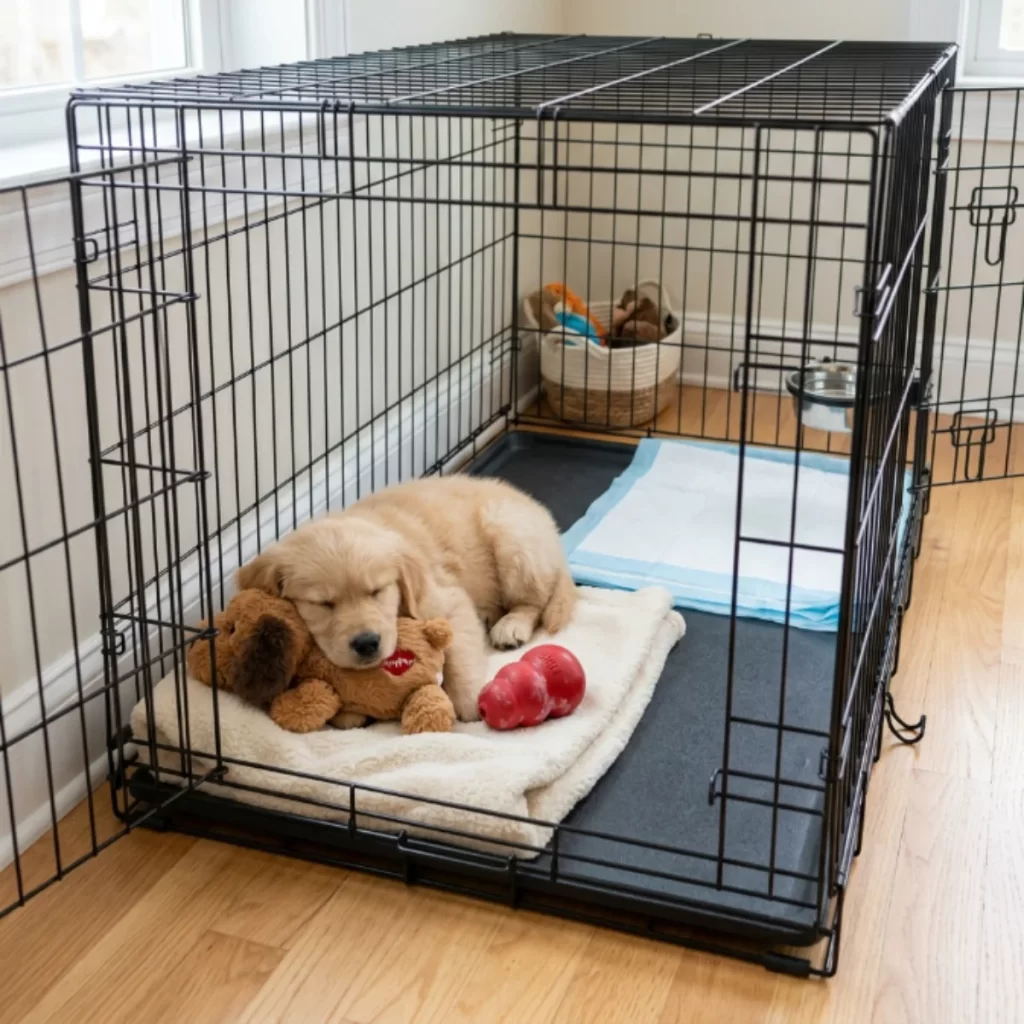
Many puppy owners place a small bed or crate mat inside the crate. This can make the crate feel more inviting.
That said, some puppies chew bedding when left alone. In that case, remove the bed for a while and use a safe, washable crate tray. Add bedding later when your puppy can relax without chewing it.
Support for house training
A puppy may avoid soiling a clean sleeping area, especially when the bed is the right size. But this is not a guarantee. Young puppies have small bladders and may still have accidents.
Choose a washable bed and take your puppy outside on a regular schedule. Do not punish accidents. Calm cleaning and steady routines work better.

Do Puppies Need a Dog Bed in a Crate?
A puppy does not always need a dog bed inside the crate. The right choice depends on safety and behavior.
If your puppy lies down calmly and does not chew the bed, a thin crate mat can add comfort. If your puppy tears, eats, or pulls apart bedding, the bed may become unsafe.
Swallowed fabric or foam can cause a dangerous intestinal blockage. Loose threads can also catch around a puppy’s toes, nails, or teeth.
Use this simple test:
-
Give your puppy a plain, durable mat while you supervise.
-
Watch for chewing, digging, pulling, and tearing.
-
Remove the mat if your puppy bites or swallows pieces.
-
Try again later when your puppy is calmer and more mature.
Never use thick blankets, loose pillows, or stuffed beds for a puppy that destroys bedding. A bare crate with a safe floor is better than a comfortable bed that creates a health risk.
The crate should also be large enough for your puppy to stand, turn around, lie down, and stretch. It should not be so large that your puppy can sleep in one corner and use another corner as a bathroom.

Choosing the Best Dog Bed for a Puppy
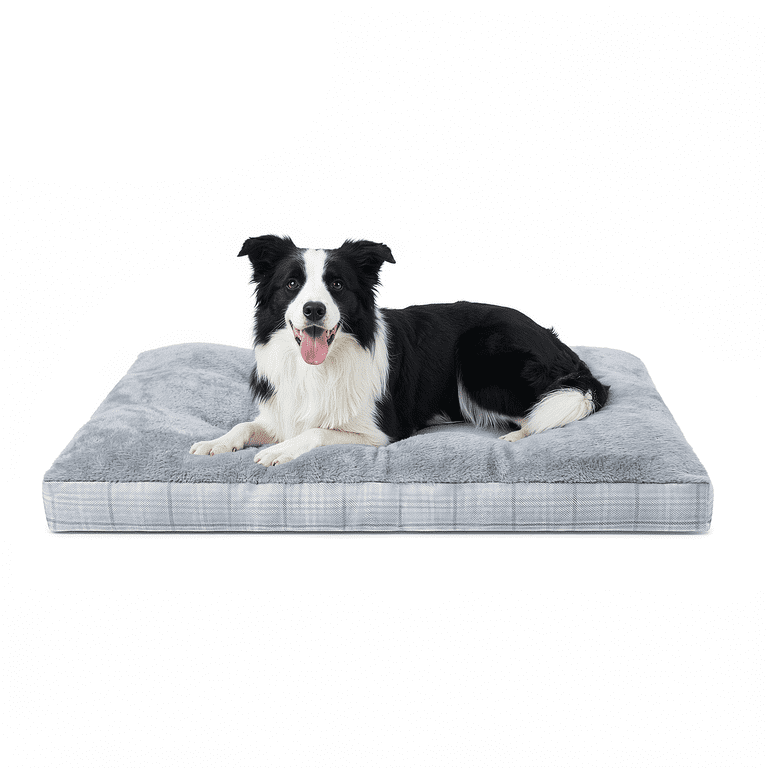
The best puppy bed is safe, washable, durable, and suited to your puppy’s size. A high price does not always mean better quality.
Choose the correct size
Your puppy should be able to lie on the bed in several positions. Measure your puppy from nose to tail base, then add several inches.
For a growing puppy, you can buy a bed that fits the expected adult size. Use a divider or smaller sleeping area if the bed is too large for the current crate.
A bed that is too small may cause discomfort. A bed that is too large may feel less secure and can make house training harder in a crate.
Pick washable materials
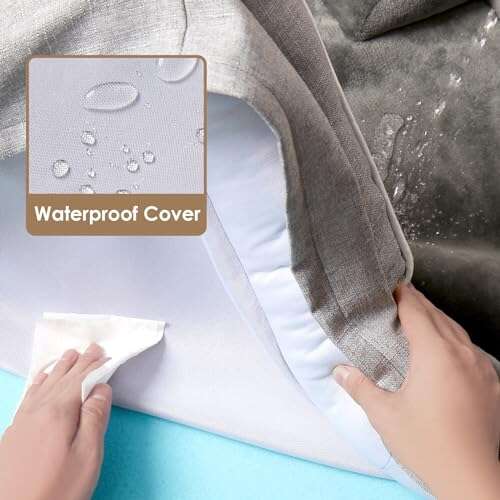
Puppies have accidents, track in dirt, and may drool or vomit. A removable, machine-washable cover is one of the most useful features you can buy.
Look for:
• A strong zipper or secure closure
• A cover that can handle frequent washing
• Colorfast fabric
• A waterproof inner liner
• Seams that are difficult to pull apart
Avoid beds with small buttons, beads, ribbons, or loose decorations. These can become choking hazards.
Consider the bed style
Different beds suit different puppies.
• Flat mats work well in crates and for warm rooms.
• Bolster beds give puppies a side to lean against.
• Waterproof beds help with accidents and outdoor use.
• Cooling beds may help in hot weather, but they should not replace shade and fresh water.
• Orthopedic foam may help older dogs or puppies with special needs, but most healthy puppies do not need expensive memory foam.
For most puppies, start with a simple flat mat or durable bolster bed. You can learn your puppy’s preferences over time.
Think about temperature
Puppies can become cold more easily than healthy adult dogs, but overheating is also a risk. Keep the bed away from drafts, heaters, fireplaces, and direct sun.
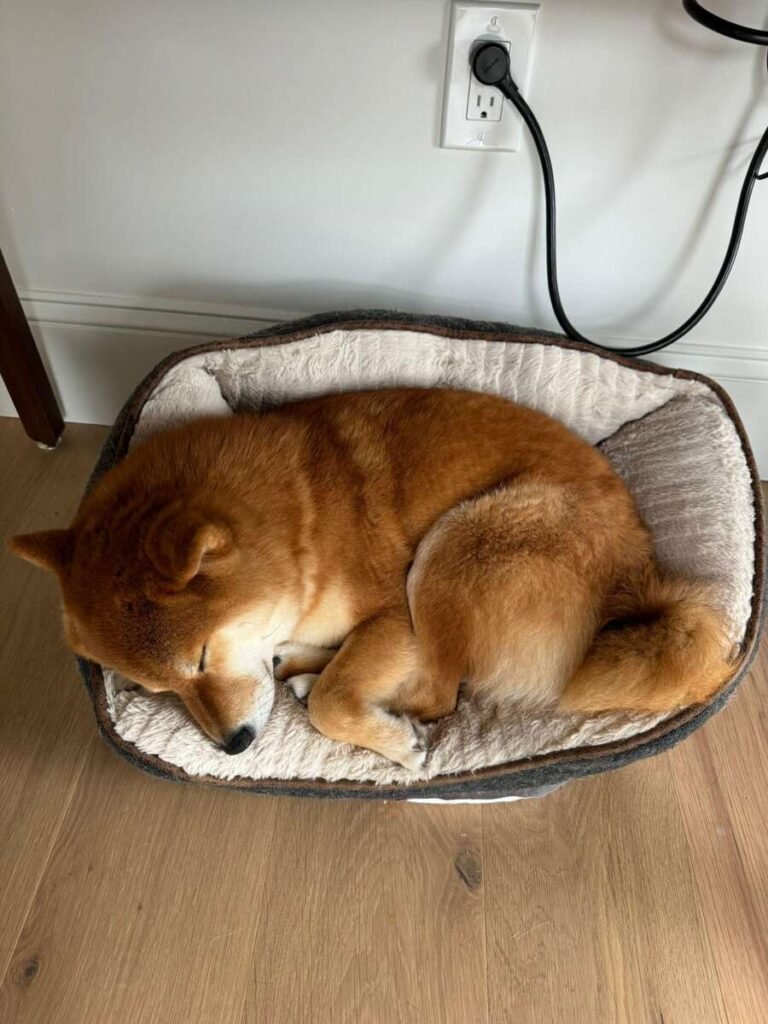
Do not use electric heating pads unless your veterinarian specifically recommends one and you can follow strict safety instructions. Young puppies may chew cords or fail to move away from excess heat.

Where Should a Puppy’s Bed Go?
Place the bed in a calm area where your puppy can still see and hear the family. A corner of the living room often works well during the day.
At night, place the crate or bed near your bedroom. This can help you notice when your puppy needs to go outside and may reduce fear during the first few nights.
Avoid placing the bed:
• Beside a busy doorway
• Near loud appliances
• In direct sunlight
• Next to a radiator or space heater
• In a place where children can climb over the puppy
• In an area that is difficult to clean
Many puppies benefit from two sleeping spaces. One bed can stay in the main living area, and another can stay in the bedroom or crate. Keep both spaces familiar and use the same calm cue, such as “bed” or “settle.”
A puppy should be able to leave the bed when safe to do so. Do not use the bed as a forced timeout or punishment spot. If the bed always predicts isolation, your puppy may avoid it.
How to Teach a Puppy to Use a Dog Bed
Some puppies climb into a bed at once. Others prefer the floor, a cool tile surface, or your feet. Do not force your puppy onto the bed. Instead, make the bed rewarding.
Follow these steps:
-
Place the bed near you during a quiet moment.
-
Toss a small treat onto the bed.
-
Praise your puppy when it steps onto the bed.
-
Reward calm behavior, such as sitting or lying down.
-
Add a simple cue, such as “bed,” when your puppy begins moving there.
-
Release your puppy after a few seconds.
-
Slowly increase the time spent relaxing on the bed.
Use treats, praise, and calm attention. Avoid dragging your puppy onto the bed or holding it there.
One mistake I often see is asking too much too soon. A new puppy may lie on the bed for two seconds, then walk away. That is still progress. Training works best when you build success in small steps.
You can also give a safe chew toy while your puppy rests on the bed. This teaches the puppy that the bed is a place for calm activities, not rough play.

What If a Puppy Chews the Dog Bed?
Chewing is normal puppy behavior. Puppies explore with their mouths, and teething can make chewing feel soothing. But chewing a bed creates a risk if your puppy swallows fabric, stuffing, foam, or thread.
Remove the bed if your puppy:
• Tears seams
• Pulls out stuffing
• Eats fabric
• Chews zippers
• Guards pieces of the bed
• Becomes sick after chewing
Offer safe alternatives, such as a veterinarian-approved rubber chew toy. Supervise your puppy and reward chewing on the correct item.
Do not yell after finding a damaged bed. Your puppy may not understand the reason for the punishment. Calmly remove the unsafe item, clean the area, and provide a better choice.
A puppy that suddenly destroys bedding may need more sleep, exercise, training, or mental activity. It may also be anxious when left alone. If the behavior happens mainly when you leave, speak with a veterinarian or qualified behavior professional.
Contact a veterinarian promptly if your puppy may have swallowed bedding. Signs of a blockage can include vomiting, loss of appetite, belly pain, weakness, diarrhea, constipation, or repeated straining.

Do Puppies Need a Dog Bed on the Floor?
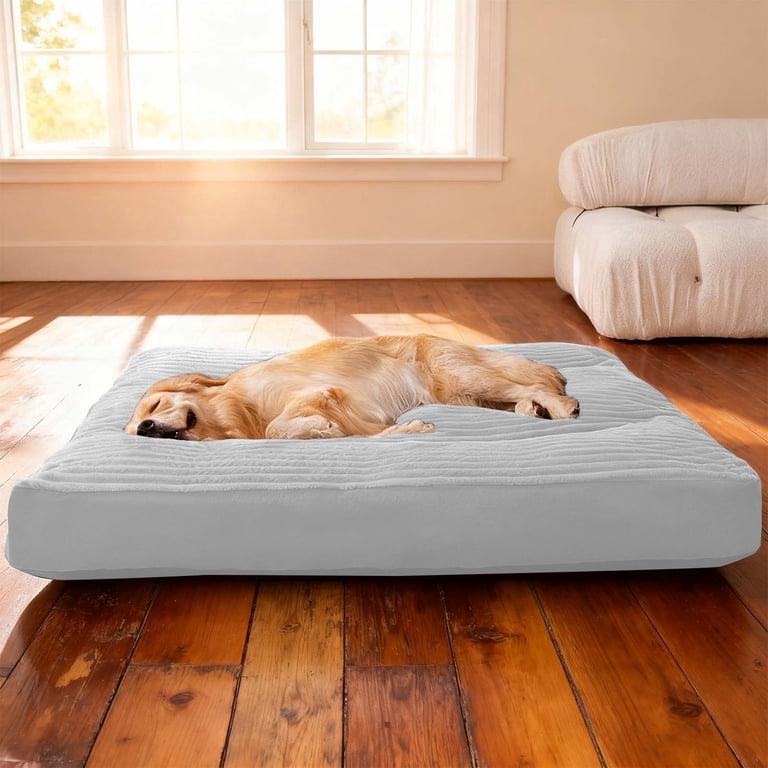
A puppy can sleep on a clean, safe floor, especially in a warm home. A dog bed is helpful, but it is not the only acceptable sleeping surface.
Hard floors can be cold and uncomfortable for some puppies. They may also offer little cushioning for growing joints. A thin mat can provide a better balance between comfort and support.
Tile floors may feel pleasant in hot weather. Some puppies choose the floor because they feel too warm on a thick bed. Allow your puppy to move between safe surfaces and watch for signs of overheating.
A raised cot can work for some puppies, but it may not suit very young, small, or unsteady dogs. The legs and frame must be strong, stable, and free from gaps that could trap paws.
The key question is not whether a puppy sleeps on a bed every night. The key question is whether the sleeping area is clean, safe, comfortable, and suitable for the puppy’s needs.
How Often Should You Clean a Puppy Bed?
Wash puppy bedding at least once a week, and clean it sooner after accidents, vomiting, heavy dirt, or strong odor. Frequent cleaning helps control bacteria, allergens, and parasites.
Use a mild, pet-safe detergent and follow the care label. Rinse the cover well. Avoid strong fragrances, as some dogs dislike them and may develop skin irritation.
Check the bed each time you wash it. Replace it when you find:
• Exposed foam
• Broken zippers
• Loose threads
• Torn seams
• Sharp frame parts
• Permanent dampness or mold
Keep a spare cover or backup mat available. This makes cleaning easier and prevents your puppy from sleeping on wet bedding.
Wash blankets and crate liners, too. Flea eggs and dirt can collect in soft materials, especially if your puppy spends time outdoors.
Common Puppy Bed Mistakes to Avoid
A puppy bed should make life easier, but the wrong setup can cause problems.
Buying a bed that is too soft
Very thick beds can trap heat and make it hard for a small puppy to move. Choose support over excessive padding.
Leaving unsafe bedding unsupervised
A bed is not safe simply because it is labeled “for dogs.” Inspect it and watch how your puppy uses it.
Using the bed as punishment
Your puppy should see the bed as a safe place. Keep corrections and stressful events away from it.
Ignoring temperature
A fluffy bed may be cozy in winter but too hot in summer. Offer a cooler surface and good airflow when needed.
Expecting the bed to solve anxiety
A bed can support calm behavior, but it cannot cure separation anxiety or fear by itself. Serious anxiety needs a full behavior plan and, in some cases, veterinary care.
Skipping regular checks
Puppies change quickly. A bed that fit last month may now be too small, damaged, or unsafe.
When a Puppy May Need a Special Bed
Most healthy puppies can use a basic washable mat. Some puppies need extra support or a different design.
Ask your veterinarian for guidance if your puppy has:
• A limb injury
• Hip or elbow problems
• A neurological condition
• Severe skin allergies
• Trouble standing or lying down
• Ongoing pain
• A very short coat and poor cold tolerance
• A history of chewing and swallowing objects
Your veterinarian may suggest a firmer mattress, a low-entry bed, a cooling surface, or another option. The right bed depends on the diagnosis, not just the breed or size.
Do not rely only on online product reviews for a puppy with a health condition. Reviews can describe comfort, but they cannot replace a physical exam or tailored medical advice.
Frequently Asked Questions About Do Puppies Need a Dog Bed
Do puppies need a dog bed at night?
A puppy does not strictly need a dog bed at night, but a safe sleeping surface can improve comfort and settling. A washable crate mat or firm blanket may work if the puppy does not chew it.
Can a puppy sleep without a bed?
Yes, a puppy can sleep on a clean, dry, safe floor. A bed is useful for warmth, cushioning, and routine, but safety matters more than the bed itself.
Should a puppy have a bed in the crate?
A puppy can have a bed in the crate if it rests calmly and does not chew the material. Remove the bed if your puppy tears or eats it, then try again when chewing is under better control.
What type of bed is best for a puppy?
A washable, durable bed with firm but comfortable support is usually best. Avoid loose stuffing, small decorations, weak seams, and materials that your puppy can easily swallow.
How do I stop my puppy from chewing the bed?
Remove the bed when chewing begins, provide a safe chew toy, and reward calm behavior. If your puppy swallows pieces or shows signs of illness, contact a veterinarian quickly.
Should a puppy sleep on a soft or firm bed?
A puppy needs support without sinking deeply into the bed. A firm, padded mat is often a better choice than a very plush bed that traps heat or makes movement difficult.
How many beds does a puppy need?
One bed may be enough, but two beds can be useful in a larger home. Place them in areas where your puppy spends time, such as the living room and bedroom.
Conclusion
So, do puppies need a dog bed? Not always, but most puppies benefit from having a clean, safe, comfortable place to rest. Choose a washable bed that fits your puppy, inspect it often, and remove it if your puppy chews or swallows pieces.
Use the bed as a calm training space, not a punishment area. With patient practice, your puppy can learn that the bed means rest, safety, and comfort. Start with a simple setup today, and share your puppy’s bed-training experience in the comments or explore more puppy care guides for practical help.

Pet Care Writer & Researcher
Daniel writes practical guides on daily care, feeding, and safety, turning complex topics into simple, actionable advice.