How To Make A Donut Dog Bed: Easy DIY Guide
Learn how to make a donut dog bed with simple materials and easy steps. Create a cozy, budget-friendly bed your dog will love.
To make a donut dog bed, sew a soft circular cushion with raised, stuffed sides for comfort and support.
A donut dog bed gives your pet a cozy place to curl up, rest their head, and feel secure. With basic sewing skills, washable fabric, safe filling, and careful measuring, you can make one at home for far less than many store-bought beds. This guide explains how to make a donut dog bed step by step, including fabric choices, sizing, stuffing, safety checks, and easy cleaning tips.
Why Make a Donut Dog Bed?
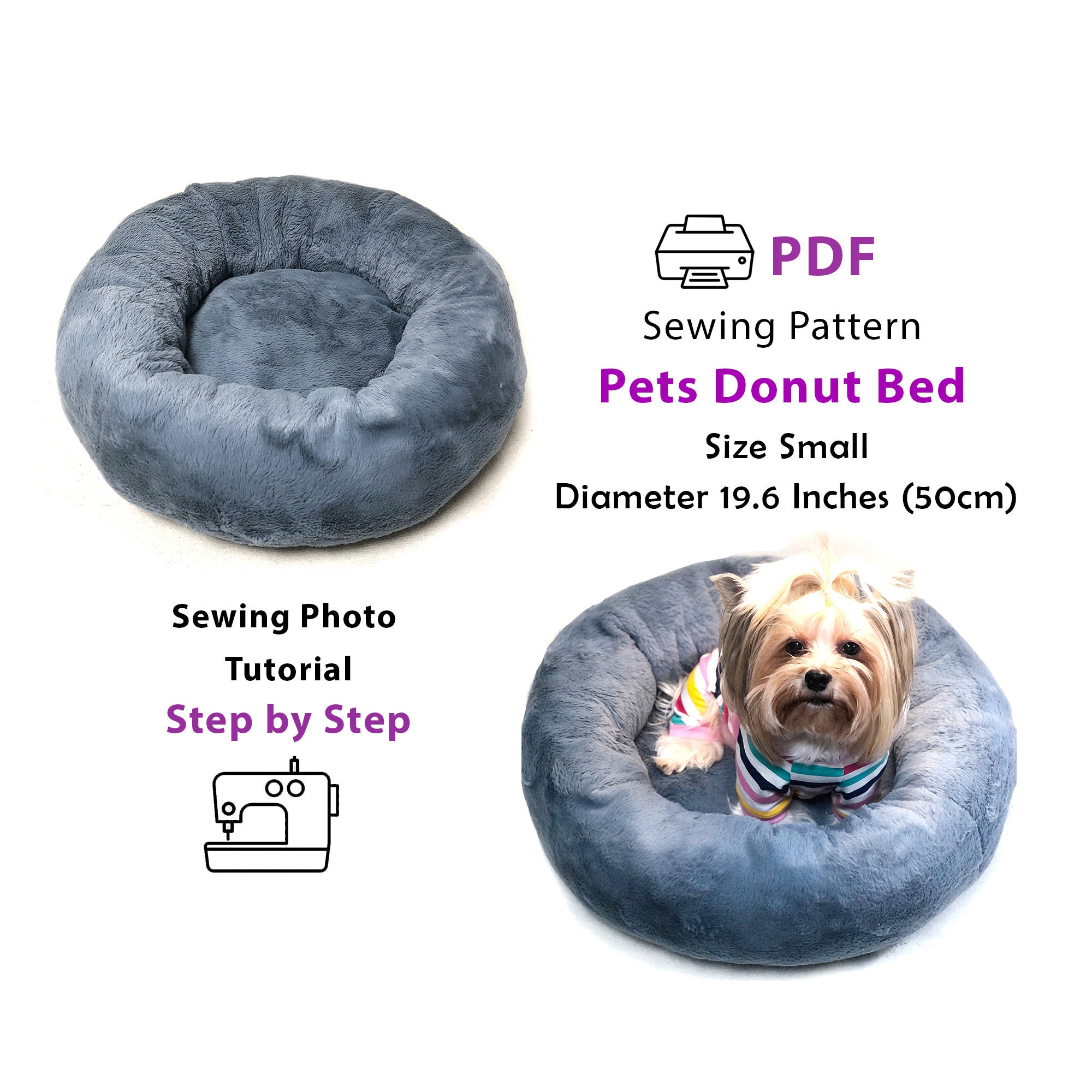
A donut dog bed has a round base and a padded outer rim. The raised edge works like a soft nest. It can help a dog feel calm while giving them a place to lean their head or curl their back.


This style suits many dogs, especially those that like to circle before sleeping. It can also work well for small dogs, older dogs, and pets that enjoy close, cushioned spaces. However, a donut bed is not the best choice for every dog. Large dogs may need firmer support, and dogs that chew fabric may need a tougher bed.
Making your own bed also lets you choose:
• The exact bed size
• A fabric that matches your home
• A washable cover
• A filling that suits your dog
• A shape that fits a crate, corner, or travel space
In my own sewing projects, the biggest benefit has been control. Commercial beds often look soft but flatten quickly. By using a strong inner cushion and filling the rim in small sections, you can make a bed that keeps its shape much longer.

Materials and Tools You Need
Before learning how to make a donut dog bed, gather all your supplies. A simple bed needs only a few materials, but the right choices affect comfort, safety, and durability.
Basic materials
• Soft, durable fabric for the cover, such as fleece, cotton canvas, flannel, or microfiber


• Polyester fiberfill or shredded foam made for pet beds
• Strong polyester thread
• Paper, cardboard, or a large sheet for a pattern
• Hook-and-loop tape or a zipper if you want a removable cover
• Measuring tape
• Fabric scissors
• Sewing pins or clips
• A fabric marker
• A sewing machine or a hand-sewing needle
• A ruler or measuring stick
Choose fabric based on your dog’s habits. Fleece feels warm and soft, while cotton canvas is stronger and easier to clean. For a dog that sheds heavily, smooth microfiber may release hair more easily than loose-weave fabric.
Avoid fabrics with loose strings, long fringe, beads, buttons, or attached decorations. These pieces can become choking or swallowing hazards. If your dog chews, use a tightly woven fabric and inspect the bed often.
Choosing safe filling
Polyester fiberfill is a common choice because it is light, washable, and easy to shape. Shredded foam can provide more support, but it must be enclosed inside a strong liner. Never use foam pieces that break apart easily or contain unknown chemicals.
Do not use loose beans, packing peanuts, plastic bags, or old pillows with damaged filling. These materials can create choking risks, hold moisture, or become uncomfortable under your dog’s weight.


Measure Your Dog and Plan the Size
Correct sizing is one of the most important parts of how to make a donut dog bed. Your dog should be able to lie down fully, stretch, turn around, and rest their head on the raised rim.
Measure your dog while they are lying in their favorite sleeping position. Add extra space for movement and the thickness of the padded edge.
Use these general size ranges as a starting point:
• Small dogs up to about 15 pounds: 20 to 24 inches wide
• Medium dogs from about 15 to 40 pounds: 26 to 32 inches wide
• Large dogs from about 40 to 70 pounds: 34 to 40 inches wide
• Extra-large dogs over about 70 pounds: 42 inches wide or more
These ranges are only guides. A long-bodied dog may need a larger bed than a compact dog with the same weight. If your dog likes to stretch out, make the bed wider. If your dog curls tightly, a smaller inner sleeping area may feel more secure.
Understand the measurements
A donut bed has two key measurements:
• Outer diameter: the full width of the bed from one outside edge to the other
• Inner diameter: the open sleeping area in the center
For example, a bed with a 32-inch outer diameter and a 20-inch inner diameter has a 6-inch raised rim on each side. Remember that the rim will become smaller after stuffing and sewing.
A useful plan is to make the inner sleeping area about 4 to 8 inches wider than your dog’s curled body. Add another 8 to 14 inches for the padded rim.

Create a Simple Donut Dog Bed Pattern
A pattern helps keep the bed even. You can draw one on paper, cardboard, newspaper, or a clean shower curtain. For a small bed, a large plate or compass can help you draw smooth circles.


Make the circular pattern
-
Decide on the outer diameter and inner diameter.
-
Fold your pattern material in half and then in half again.
-
Mark the center point.
-
Use a string and pencil to draw the outer circle.
-
Use a shorter string to draw the inner circle.
-
Cut along both circles to create a ring-shaped pattern.
If your bed will have a separate base and rim, make a full circle for the base and a ring or long tube pattern for the outer cushion. A one-piece design can be simpler for beginners, but a separate cover is easier to wash.
Add a seam allowance
Add about ½ inch of extra fabric around each sewing edge. If you want a generous seam, use ⅝ inch. Mark the seam allowance clearly so you do not accidentally cut the bed too small.
For a washable cover, make the fabric pieces slightly larger than the inner cushion. This gives the filling room to expand without making the cover too tight.
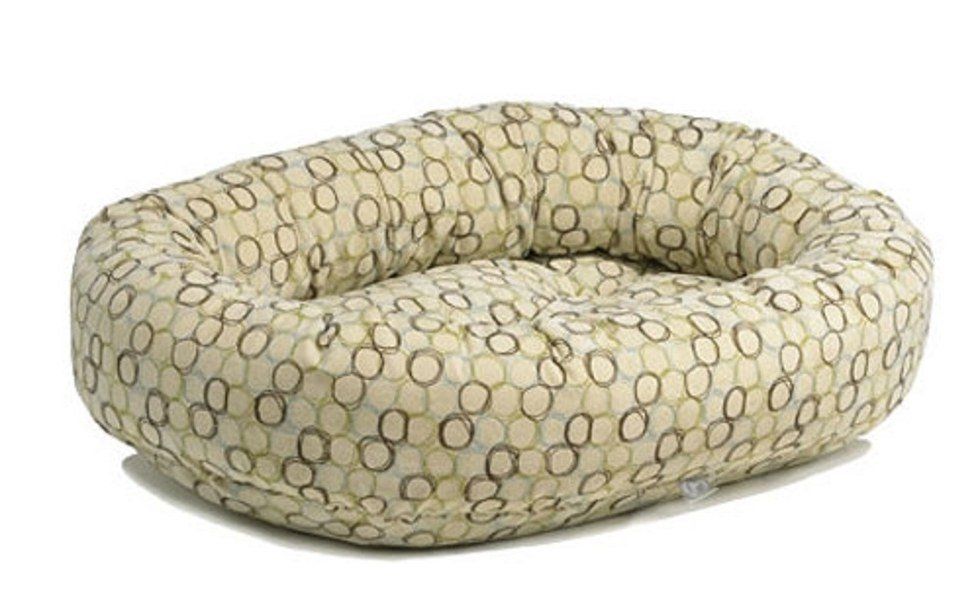
How to Make a Donut Dog Bed Step by Step
The easiest beginner method uses a flat base and a separate padded rim. This design is simple to sew, easy to repair, and easy to fill.
Step 1: Cut the fabric
Cut two large circles for the bottom cushion. These circles should match your planned outer diameter or be slightly smaller if the rim will sit around them.
Next, cut two long fabric strips for the raised rim. Each strip should be long enough to form a circle around the base. The strip’s height should equal twice the desired rim height, plus seam allowances.
For example, if you want a 6-inch finished rim, cut strips about 13 inches tall. The length depends on the circle size. You may need to join two or more strips to create one long piece.
Step 2: Sew the base cushion
Place the two base circles together with the printed or outer sides facing inward. Pin or clip around the edge.
Sew around the circle, leaving a 6- to 10-inch opening. Use a strong straight stitch. If your dog is large or active, sew a second line close to the first seam for extra strength.
Turn the base right side out. Fill it with fiberfill until it feels soft but supportive. The center should not be so full that your dog rolls off. A good base feels like a firm pillow, not a hard cushion.
Close the opening with a ladder stitch by hand or with a strong machine seam.
Step 3: Sew the padded rim
Join the short ends of the long rim strips to create a fabric loop. Place the fabric’s outer sides together and sew the seam. Press or flatten the seam if needed.
Attach one long edge of the loop to a matching circular piece. Work slowly and use clips instead of pins if the layers shift. Sew around the circle, leaving an opening for filling.
Turn the rim right side out. This creates a long, empty tube.
Step 4: Fill the rim in sections
Add fiberfill in small handfuls. Push the filling toward the far end of the tube before adding more. This helps prevent lumps.
For even support, divide the rim into four or six sections with temporary clips. Fill each section to a similar density. The rim should support your dog’s head but still feel soft.
Avoid packing the entire rim too tightly. Overstuffing can make the bed stiff and can place extra pressure on joints. Underfilling, however, may cause the rim to collapse. Aim for a springy feel that returns to shape when pressed.
Step 5: Close the opening
Fold the raw edges inward and sew the opening closed. A ladder stitch gives the neatest finish by hand. Use small, tight stitches and knot the thread securely.
If the rim will connect to the base, place it around the cushion and sew the inner edge to the base. You can stitch it by hand or use a sewing machine if the layers fit under the presser foot.
Step 6: Check the finished bed
Before giving the bed to your dog, inspect every seam. Pull gently on the rim and base. Look for loose threads, gaps, weak stitches, or exposed filling.
Place the bed on a flat surface. Make sure it does not tip or slide. If needed, add a non-slip layer underneath, but do not attach materials that your dog can chew loose.
This step-by-step method shows how to make a donut dog bed that is soft, stable, and easy to adjust.
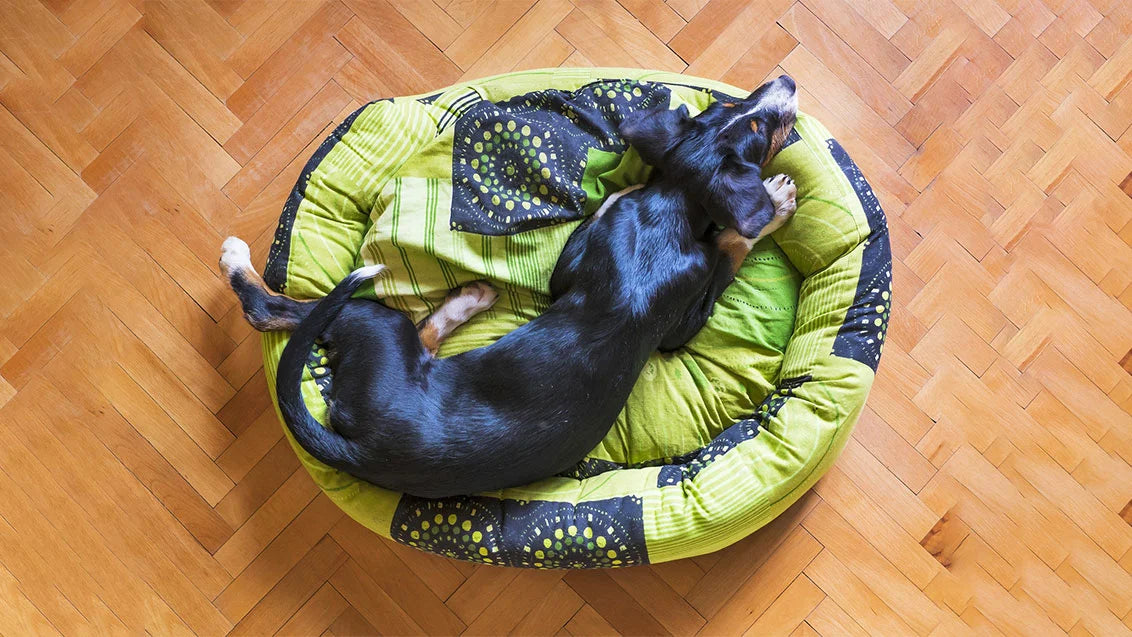
How to Make a Donut Dog Bed Without a Sewing Machine
You can make a donut dog bed by hand, although it takes more time. Use a strong polyester thread and small, even stitches. A backstitch is useful for seams that need extra strength.
Another option is to begin with a large, clean blanket or fleece throw. Fold it into a long tube, sew the edges together, and fill the tube with fiberfill. Shape the tube into a circle and join the ends securely.
This no-machine method works best for small dogs and light use. It may not hold up as well for large dogs, active dogs, or pets that scratch before sleeping. Check hand-sewn seams more often because they may loosen under repeated stress.
Do not rely on fabric glue alone. Glue can become brittle after washing, and some products may not be safe if your dog chews the fabric.

Make the Dog Bed Washable
A washable cover is one of the best improvements you can make. Dog beds collect hair, dirt, saliva, skin flakes, and moisture. Regular washing helps keep the sleep area fresh.
For a removable cover, make the outer cover separate from the stuffed insert. Add a zipper along the inner edge or outer seam. You can also use hook-and-loop tape, but sew it down firmly so your dog cannot pull it loose.
Use these care tips:
• Wash fabric according to its care label
• Use a mild, fragrance-free detergent
• Avoid loose buttons, metal pieces, or sharp zipper ends
• Dry the bed fully before use
• Check for mildew if the filling stays damp
• Wash the cover more often if your dog has allergies or spends time outdoors
Veterinary hygiene guidance commonly recommends cleaning pet bedding on a regular schedule and more often when it is visibly dirty. The right schedule depends on your dog, the bed, and your home.
If the inner filling becomes wet, remove it and dry it completely. Damp stuffing can smell bad and may support mold growth. When in doubt, replace damaged or musty filling.

Improve Comfort and Support
A donut dog bed should feel soft, but softness alone is not enough. Dogs need a stable surface that supports their body without creating pressure points.
For puppies, use a low rim that they can climb over easily. Very high sides may make it hard for a small or weak dog to enter and leave the bed.
For senior dogs, consider placing the bed on a warm, level floor. Avoid thick beds that wobble. A firm base beneath the cushion can make standing easier, but it should not create a hard edge.
For dogs with arthritis or joint pain, ask a veterinarian about suitable bedding. A donut bed may provide comfort, but it is not a medical treatment. Some dogs need a flat orthopedic foam surface instead of a deep nest.
You can add comfort without making the bed unsafe:
• Use a soft fleece cover over a durable inner liner
• Add a thin waterproof layer under the cover
• Make the rim lower at the front
• Use a non-slip mat beneath the bed
• Keep the bed away from drafts and direct heat
In one project, I made the rim too tall for a short-legged dog. The bed looked plush, but the dog avoided it. Lowering the front edge solved the problem. The lesson was simple: watch how your dog moves, not just how the finished bed looks.

Common Mistakes to Avoid
Learning how to make a donut dog bed is easier when you know what can go wrong. Small design errors can affect comfort and safety.
Making the bed too small
A bed that looks cute may not be useful if your dog cannot stretch or turn. Measure your dog in a relaxed position, then add extra room.
Using weak fabric
Thin fabric may tear when a dog digs, circles, or pulls at the edge. Use tightly woven fabric for the inner liner, even if you use a softer fabric for the outer cover.
Overstuffing the rim
A hard rim can feel uncomfortable and may push against a dog’s neck. Add filling slowly and test the rim with your hand.
Leaving large gaps
Large openings can expose filling. Loose stuffing can become a choking hazard or make a serious mess if your dog tears the seam.
Ignoring heat
Do not place the bed beside a space heater, fireplace, radiator, or heating pad without careful safety controls. Thick bedding can trap heat. Dogs should always be able to move away from a warm area.
Skipping regular inspections
Check the bed each week for:
• Torn seams
• Loose threads
• Exposed foam
• Damp spots
• Broken zippers
• Flattened or uneven filling
Repair small damage at once. If the bed has major damage, remove it until you can repair or replace it.
How to Make a Donut Dog Bed for a Crate
A donut bed can fit inside a crate, but measure the crate first. The bed should not block the door or reduce the space your dog needs to stand, turn, and lie down.
Measure the crate floor from the inside. Then subtract a small amount so the bed can be placed and removed without force. A bed that fits too tightly may bunch up or create a raised edge near the door.
For crate use, choose a thinner base and a lower rim. This gives your dog more headroom and makes entry easier. Use a non-slip bottom if the bed moves when your dog steps on it.
Never use bedding to force a dog to stay in a crate. The crate should remain a calm, safe space with enough room for normal movement.
Safety Checklist Before Use
Before your dog sleeps on the finished bed, complete this quick check:
• Tug every seam gently
• Cut away loose threads
• Confirm that no filling is exposed
• Test zippers and hook-and-loop closures
• Check that the bed does not slide
• Make sure the fabric has no harsh odor
• Confirm that the rim is not too high
• Watch your dog use the bed for the first few minutes
Some dogs will sleep peacefully on a new bed. Others may dig, chew, or pull at it. Introduce the bed during a calm time and reward gentle use. If your dog starts chewing the cover, remove the bed and choose a stronger design.
Dogs that swallow fabric, foam, or stuffing need special care. Contact a veterinarian promptly if you think your dog has swallowed part of the bed, especially if they show vomiting, pain, weakness, trouble passing stool, or loss of appetite.
Frequently Asked Questions
How much fabric do I need to make a donut dog bed?
The amount depends on the bed’s outer diameter and rim height. For a medium bed, plan on about 2 to 3 yards of fabric, plus extra for mistakes, pattern matching, and a removable cover.
What is the best filling for a donut dog bed?
Polyester fiberfill is a practical choice because it is soft, light, and easy to shape. Shredded foam can offer more support, but it should be sealed inside a durable liner and checked often for damage.
Can I use an old comforter to make a donut dog bed?
Yes, if the comforter is clean, dry, and free from loose filling or damaged stitching. Fold or cut it into safe sections, then place it inside a strong fabric cover so your dog cannot pull the filling out.
How do I stop a homemade dog bed from sliding?
Place a washable, non-slip mat under the bed. You can also sew a textured fabric panel to the bottom, but avoid materials that peel or break into pieces when chewed.
How often should I wash a donut dog bed?
Wash the cover whenever it smells, looks dirty, or collects moisture. Many homes benefit from washing dog bedding every one to two weeks, while dogs with allergies, skin problems, or outdoor habits may need more frequent cleaning.
Is a donut dog bed good for senior dogs?
It can be helpful if the rim is low, soft, and stable. Senior dogs with pain or limited movement may need a flat orthopedic bed, so ask a veterinarian if your dog struggles to enter, leave, or settle in the bed.
Conclusion
Making a donut dog bed is a practical home project that lets you control the size, fabric, filling, and level of support. Start with accurate measurements, use strong washable materials, fill the rim in small sections, and inspect every seam before use.
The best bed is not always the biggest or softest one. It is the bed your dog can enter with ease, settle into comfortably, and use safely every day. Try a simple design first, observe how your dog sleeps, and adjust the shape if needed. Share your results or explore more DIY pet-care projects to create an even better rest space for your companion.

Pet Care Writer & Researcher
Daniel writes practical guides on daily care, feeding, and safety, turning complex topics into simple, actionable advice.