How To Make A Dog Crate Bed: Easy DIY Guide
Learn how to make a dog crate bed with simple materials and easy steps. Create a cozy, washable bed your pet will love on a budget.
Make a dog crate bed by measuring the crate, cutting washable fabric, adding safe padding, and sewing a snug cover.
Learning how to make a dog crate bed is a simple way to give your dog a soft, clean, and personal place to rest. With basic sewing skills, a few low-cost materials, and careful measurements, you can create a bed that fits the crate better than many store-bought options.
This guide explains how to make a dog crate bed step by step. It also covers fabric choices, filling, safety, washing, no-sew options, and common mistakes. The goal is a bed that feels cozy but still supports your dog’s body and stands up to daily use.


Why Make a Dog Crate Bed at Home?
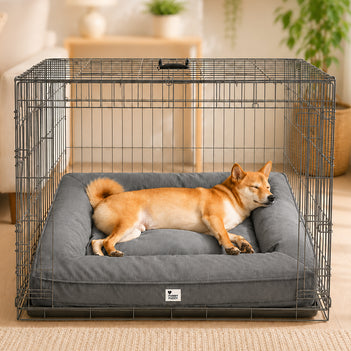
A homemade dog crate bed can offer a better fit, lower cost, and easier care. Many ready-made beds leave gaps around the edges or use covers that are hard to remove. A custom bed can match the exact floor size of your dog’s crate.
Learning how to make a dog crate bed also lets you choose materials based on your dog’s needs. A chewer may need tough canvas. A senior dog may need thicker foam. A puppy may need a waterproof liner and a cover that can go straight into the washer.
The main benefits include:
• A precise fit for the crate floor
• Washable and replaceable covers
• Control over the thickness and firmness
• Lower cost than some specialty beds
• Custom colors, patterns, and fabrics
• Easy repairs when the bed wears out
A crate bed should make the crate feel like a safe den, not a trap. The bed must not block the door, reduce airflow, or create loose parts that your dog can swallow.
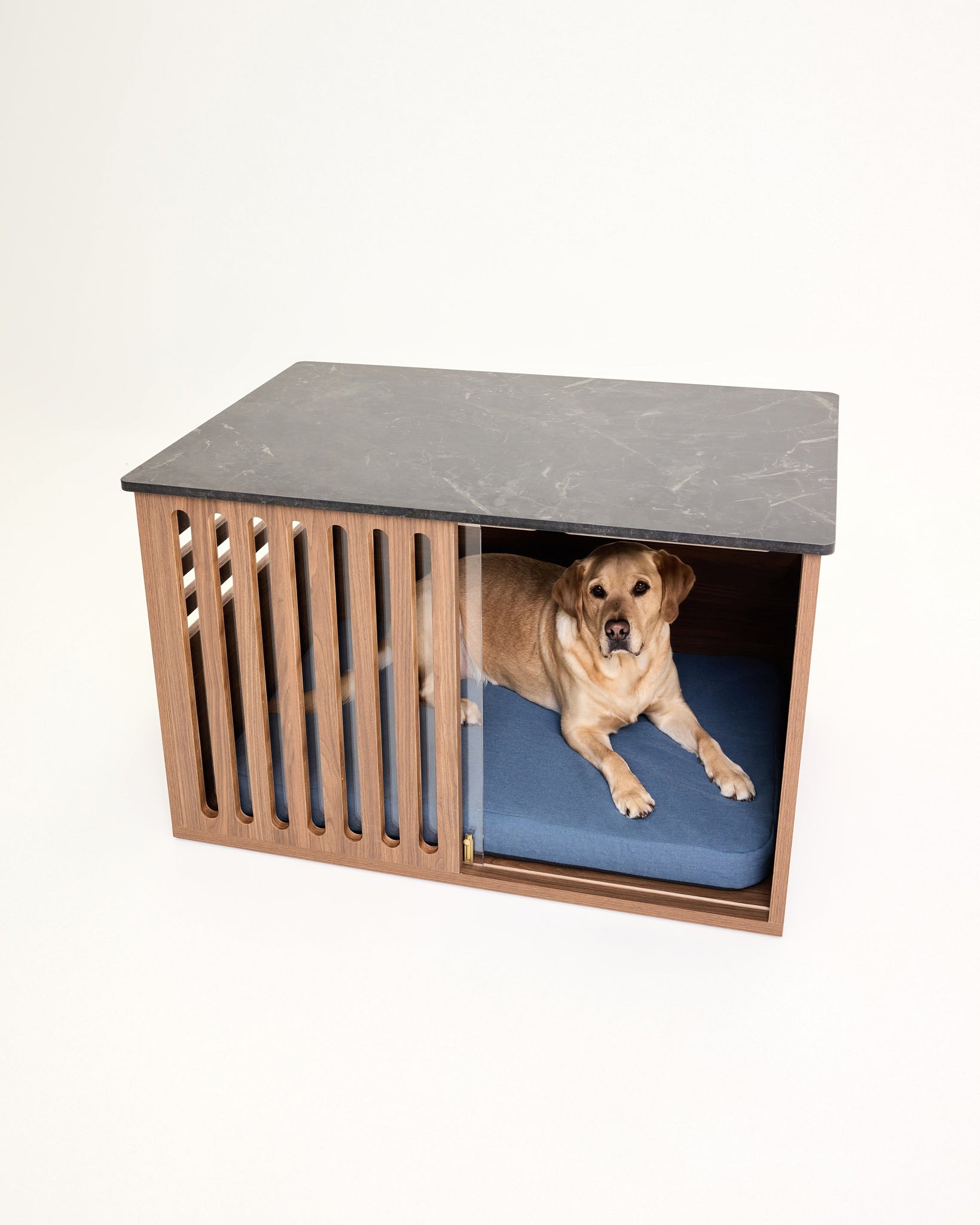
What You Need to Make a Dog Crate Bed
The materials depend on the design you choose. A basic rectangular bed needs only a few supplies. You can sew a fitted cover, make a removable cushion, or create a no-sew version with tied fabric.
For a simple washable bed, gather:
• Measuring tape
• Paper and pencil
• Fabric for the top and bottom
• Foam, a crate mat, or polyester fiberfill
• Thread and a sewing machine, if sewing
• Fabric scissors
• Pins or clips
• A zipper, hook-and-loop tape, or snaps
• Waterproof fabric for a liner
• A ruler or straight edge
Choose a filling that keeps its shape. High-density foam gives firm support. Polyester fiberfill feels soft but may flatten over time. A premade foam mat can save time and works well for a first project.
Avoid materials that can break into sharp pieces. Do not use loose beads, shredded foam, or stuffing that your dog can easily pull out and eat.


Measure the Dog Crate Correctly
Good measurements are the foundation of how to make a dog crate bed. Measure the usable floor area inside the crate, not the outside frame. The floor may be smaller than the listed crate size because of the walls, corners, or door frame.
Use a tape measure to record:
• Inside length from the back wall to the door
• Inside width from one side wall to the other
• Height of the crate floor lip
• Space around the door and corners
measure twice before cutting. Metal crates often have rounded corners, while plastic crates may have sloped walls. If the corners are curved, place paper on the floor and trace the shape. Cut the paper first, then test it inside the crate.
For a snug cushion, make the finished bed about ¼ inch smaller than the floor length and width. This small allowance helps the bed slide in without bunching. A bed that is too large may curl at the edges or press against the crate walls.
When I first learned how to make a dog crate bed, I made the cover the same size as the crate floor. The cushion looked fine on the table but buckled inside the crate. Leaving a little room solved the problem.
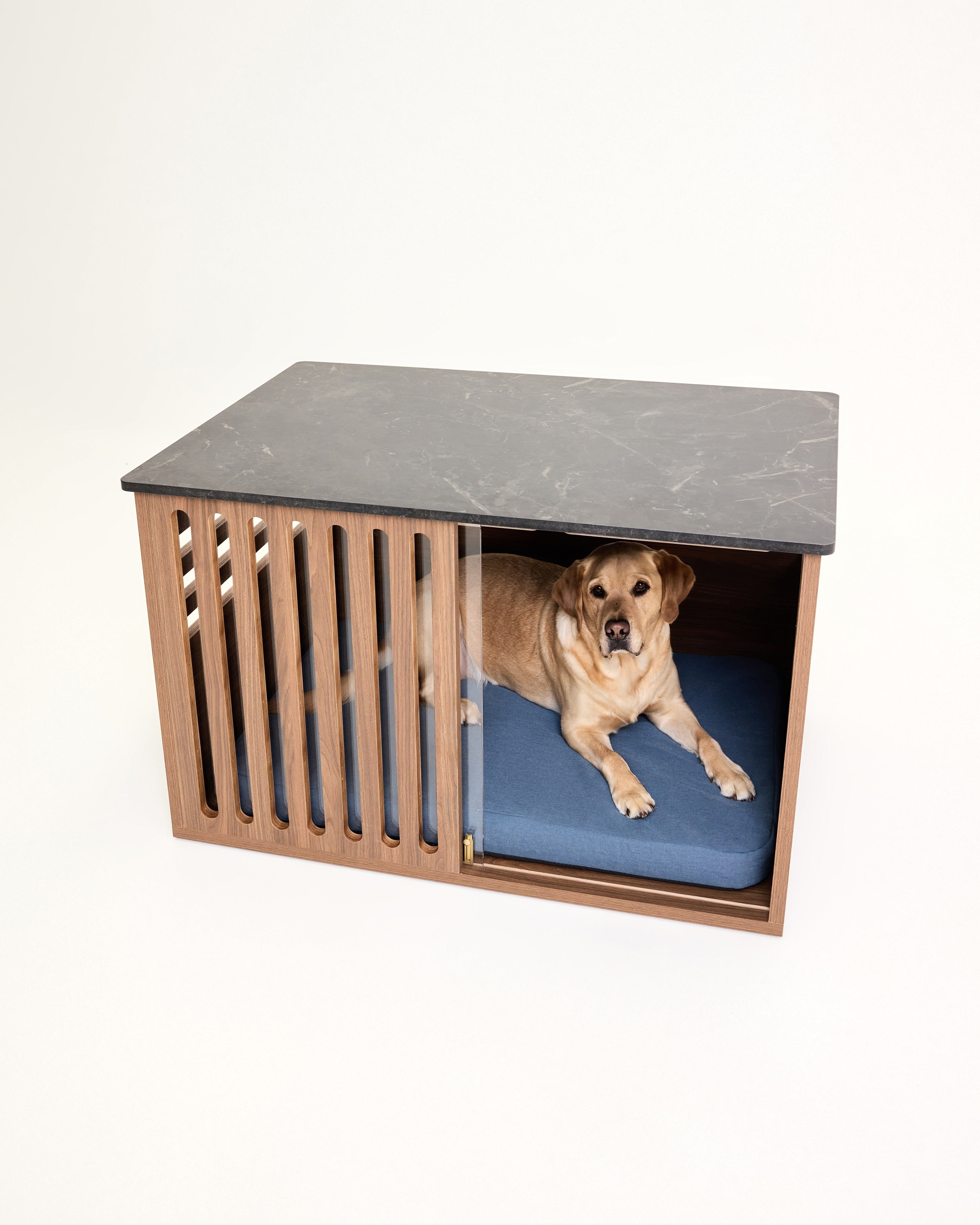
Choose Safe and Comfortable Materials
The best material depends on your dog’s coat, age, habits, and health. Soft fleece feels warm and comfortable, but it may hold hair and heat. Cotton canvas is strong and easy to wash. Microfiber can dry fast and resist light stains.
A practical fabric choice is:
• Canvas or denim for the bottom
• Cotton, fleece, or microfiber for the top
• Waterproof polyester for the inner liner
• Foam or washable fiberfill for the cushion
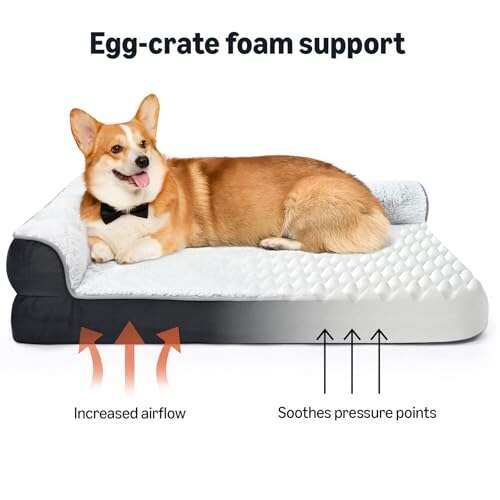
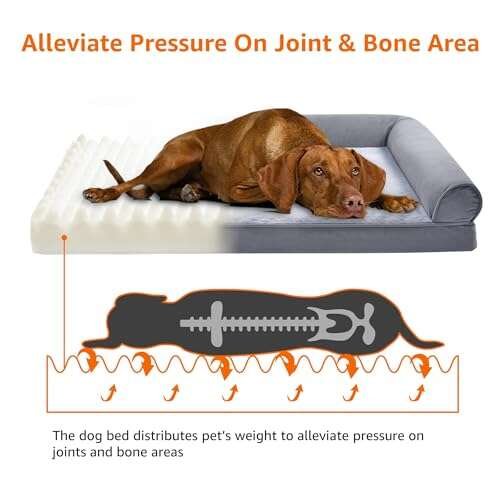
For dogs with joint pain, use firm foam rather than a thin blanket. A bed that is soft but lacks support can flatten quickly. Orthopedic foam may help older dogs rest more comfortably, but it does not replace veterinary care for arthritis or other pain.
Avoid fabric with long fringe, loose ribbons, exposed buttons, or fragile decorations. These details may look nice but can become chewing or choking hazards. The safest design is usually simple, flat, and easy to inspect.
Wash the fabric before cutting it if the care label allows. Some cotton fabrics shrink during the first wash. Prewashing helps prevent a finished cover from becoming too tight later.


How to Make a Dog Crate Bed With a Sewn Cover
This method creates a cushion with a removable cover. It takes more time than a blanket bed, but it is durable and easy to clean.
Step 1: Cut the cushion insert
Cut the foam or batting to the finished size of the crate floor. If you use fiberfill, make a flat inner cushion first. A separate insert keeps the filling from shifting inside the outer cover.
For a 30-inch by 20-inch bed, cut the insert close to 29¾ inches by 19¾ inches. The exact size depends on the shape of your crate.
Step 2: Add seam allowance
Add about ½ inch to each side of the fabric pieces for a basic seam. You need two matching rectangles for the top and bottom of the cover.
If your insert is thick, add extra room around the edges. A thick foam pad may need a side strip instead of two flat pieces. Measure the foam’s height and add that measurement to the cover design.
Step 3: Sew three sides
Place the fabric pieces with the finished sides facing each other. Sew the two long sides and one short side. Keep the seam straight and use strong thread.
Turn the cover right side out. Check the corners and push them out gently with a blunt tool. Do not use a sharp object that may tear the fabric.
Step 4: Add a closure
Insert the cushion and close the final side with one of these options:
• Sew in a zipper for the easiest removal
• Add hook-and-loop tape for a simple closure
• Use snaps for a firm, neat finish
• Hand-stitch the opening if you plan to wash the whole bed
A zipper should be covered by a fabric flap. This reduces contact with the dog’s teeth and helps prevent scratching.
Step 5: Test the fit
Place the bed inside the crate before your dog uses it. Confirm that the door opens freely and that the cushion does not rise into the dog’s standing space.
This method shows how to make a dog crate bed that looks neat and lasts through many wash cycles. The removable cover is especially useful for puppies, muddy dogs, and dogs that shed heavily.

How to Make a Dog Crate Bed Without Sewing
A no-sew crate bed works well when you need a quick project. It is also useful for travel or as a temporary bed. However, tied fabric can loosen, so inspect it often.
Start with two pieces of fleece. Cut both pieces about 6 inches longer and wider than the cushion insert. Place the layers together and cut 3-inch strips around all four edges.


Then tie the top and bottom strips together with firm double knots. Keep the knots flat and trim long ends. Place the insert inside before tying the final side.
For a stronger no-sew design:
• Use thick fleece that does not fray
• Make short, tight fringe
• Avoid long loops
• Keep the knots outside the main sleeping area
• Check the bed after every wash
• Replace it if the fabric begins to tear
This version explains how to make a dog crate bed in less than an hour. It may not last as long as a sewn cover, but it can be comfortable and practical when made with care.
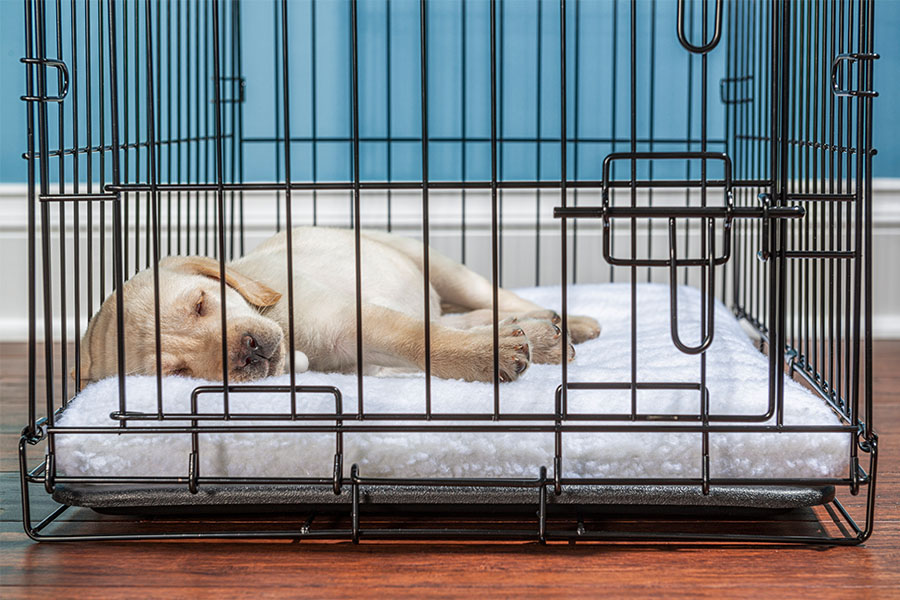
How to Make a Dog Crate Bed From an Old Blanket
Repurposing an old blanket is a low-cost way to make a dog crate bed. Choose a blanket without holes, loose threads, beads, or heavy decorations. Wash it first so you know how the fabric behaves.
Fold the blanket into several layers until it matches the crate floor. Sew around the edges to prevent shifting, or place the folded blanket inside a fitted cover. You can also wrap it around a foam mat and secure it underneath with broad elastic straps.
This design works best for dogs that do not chew bedding. It is less suitable for puppies that pull at fabric or dogs that need firm orthopedic support.
One lesson I learned from using old blankets is that thick does not always mean supportive. A blanket can feel plush but flatten under a larger dog. Adding a firm foam core makes a major difference.

Add a Waterproof Layer for Puppies and Accidents
A waterproof layer makes how to make a dog crate bed much more practical for puppies and dogs with bladder issues. It protects the foam, which is often difficult to clean and slow to dry.
Good liner options include:
• Waterproof mattress protector fabric
• Coated polyester
• Washable waterproof pads
• Vinyl-backed fabric
• A removable waterproof crate mat
Do not wrap foam in a plastic bag. Plastic can trap heat, make noise, and create a chewing risk if the dog reaches it. Use a fabric liner designed for repeated use instead.
The liner should fit smoothly without loose folds. Wrinkles can bother your dog and may cause the cushion to bunch. Keep one spare liner ready so the crate can stay comfortable while the other one dries.
For repeated accidents, clean the cover with an enzyme-based pet cleaner. Follow the product label and test it on a hidden area first. Strong scents may bother some dogs, so rinse well and dry the bed fully.
Make the Bed Safe for Your Dog
A safe crate bed should be comfortable, stable, and easy to inspect. The American Veterinary Medical Association and other animal welfare groups generally recommend removing bedding that a dog destroys or eats.
Watch for these warning signs:
• Loose threads or torn seams
• Missing pieces of foam
• Open zippers
• Chewed fabric
• Wet areas that do not dry
• Heavy panting or overheating
• Repeated scratching or refusal to use the bed
Some dogs sleep better on a thin mat than on a thick cushion. A dog with a long coat may prefer a cooler surface. Let your dog choose rather than forcing a thick bed into the crate.
Never use an elevated edge that blocks the crate door. Also avoid stuffing the crate so fully that your dog cannot stand, turn around, stretch, and lie down in a natural position.
Wash and Maintain a Homemade Crate Bed
Cleaning is one of the biggest advantages of how to make a dog crate bed at home. A removable cover can go into the washer, while the insert can be cleaned according to its material.
Use this care routine:
- Shake out hair and dirt before washing.
- Treat stains as soon as possible.
- Wash the cover using the fabric care instructions.
- Rinse well to remove detergent.
- Dry every layer completely.
- Check seams, closures, and filling before putting the bed back.
Do not return a damp cushion to the crate. Moisture can create odor and support mold growth. Foam may need several hours to dry, especially in a cool room.
Inspect the bed weekly. Run your hands over the seams and corners. Replace damaged parts early instead of waiting for a small tear to become a swallowed piece.
Common Mistakes to Avoid
Even a simple project can fail when small details are missed. The most common mistake in how to make a dog crate bed is cutting fabric before measuring the inside of the crate.
Avoid these errors:
• Making the bed too large
• Using weak fabric for a strong chewer
• Choosing loose filling
• Adding unsafe decorations
• Forgetting seam allowance
• Skipping the waterproof liner
• Using a zipper with exposed teeth
• Washing the cover without checking shrinkage
• Leaving the dog alone with a damaged bed
Another mistake is assuming every dog wants a fluffy bed. Some dogs prefer a cool, firm mat. Offer the bed during calm periods and watch your dog’s body language.
If your dog repeatedly destroys bedding, use a simple, durable mat and ask a veterinarian or qualified trainer for advice. Chewing may result from teething, anxiety, boredom, or discomfort. A homemade bed alone will not solve every cause.
How to Introduce the New Crate Bed
Place the new bed in the crate with the door open. Let your dog sniff it and investigate at their own pace. Avoid pushing the dog onto the bed or closing the crate right away.
You can encourage calm use by:
• Placing a favorite safe toy nearby
• Offering a small treat when your dog steps inside
• Keeping the crate in a quiet part of the home
• Using a familiar blanket on top for a short time
• Praising relaxed behavior
Keep the first sessions brief. If your dog pulls at the fabric, remove the bed and try a simpler design. Comfort should never come at the cost of safety.
A crate should remain a positive resting space. It should not be used as punishment, and a dog should not be confined for long periods without exercise, water, social contact, and bathroom breaks.
Frequently Asked Questions About How to Make a Dog Crate Bed
What is the best filling for a homemade dog crate bed?
Firm foam is often the best choice for support and shape retention. Polyester fiberfill is softer but may flatten faster, especially under a large dog.
How thick should a dog crate bed be?
A bed between 2 and 4 inches thick works for many dogs. Older dogs or dogs with joint problems may benefit from thicker, supportive foam, while some dogs prefer a thinner, cooler mat.
Can I use a regular blanket as a crate bed?
Yes, if the blanket is clean, secure, and free from loose threads or decorations. Folded blankets are best for dogs that do not chew and may need extra support from a foam insert.
How do I make a dog crate bed waterproof?
Add a removable waterproof liner around the foam or cushion. Use washable waterproof fabric rather than a loose plastic bag, which can create heat and chewing hazards.
How often should I wash a homemade dog crate bed?
Wash the cover when it becomes dirty, damp, or smelly. Many dogs need weekly washing, while dogs with allergies, accidents, or heavy shedding may need more frequent care.
Is a homemade crate bed safe for a puppy?
It can be safe if the puppy does not chew or swallow fabric and filling. Inspect the bed often, and remove it immediately if the puppy tears it or eats pieces.
Conclusion
Learning how to make a dog crate bed gives you control over the size, support, fabric, and cleaning routine. Measure the crate carefully, choose durable materials, add a washable cover, and check the finished bed for safety before use.
Start with a simple foam insert and removable cover. Watch how your dog sleeps, chews, and reacts to the texture, then adjust the design as needed. A well-made bed can turn the crate into a calm, comfortable place your dog wants to visit.
Try this project with materials you already have, and share your results or your dog’s favorite bed design in the comments.

Pet Care Writer & Researcher
Daniel writes practical guides on daily care, feeding, and safety, turning complex topics into simple, actionable advice.