What Food Is Recommended For Dogs: Healthy Choices
What food is recommended for dogs? Learn about healthy, balanced options, safe ingredients, and feeding tips to support your pet’s well-being.
Dogs do best with complete, balanced food made for their age, size, health, and activity level.
Choosing what food is recommended for dogs is not about finding one perfect recipe for every pet. The best choice depends on your dog’s life stage, body condition, allergies, medical needs, and daily routine. This guide explains how to read dog food labels, choose safe ingredients, control portions, and avoid common feeding mistakes with clear, practical advice.

What food is recommended for dogs?
The food recommended for dogs is usually a complete and balanced commercial diet that meets recognized nutritional standards. This may be dry kibble, canned food, fresh food, or a combination of these options.
A suitable diet should provide:
- High-quality protein for muscles and body repair
- Healthy fats for energy, skin, and coat health
- Carbohydrates or other energy sources
- Vitamins and minerals
- Enough water to support hydration
- Appropriate calories for your dog’s size and lifestyle
The phrase “complete and balanced” matters. It means the food is designed to provide all essential nutrients in the right amounts when fed as the main diet. Treats, table scraps, and homemade meals may be useful in small amounts, but they should not replace a balanced dog food unless a veterinary nutritionist has created the recipe.
When people ask what food is recommended for dogs, the safest starting point is a food labeled for the dog’s life stage. Puppies need growth nutrition. Adult dogs need maintenance nutrition. Senior dogs may need fewer calories or support for joint, kidney, heart, or other health concerns.

The best types of dog food
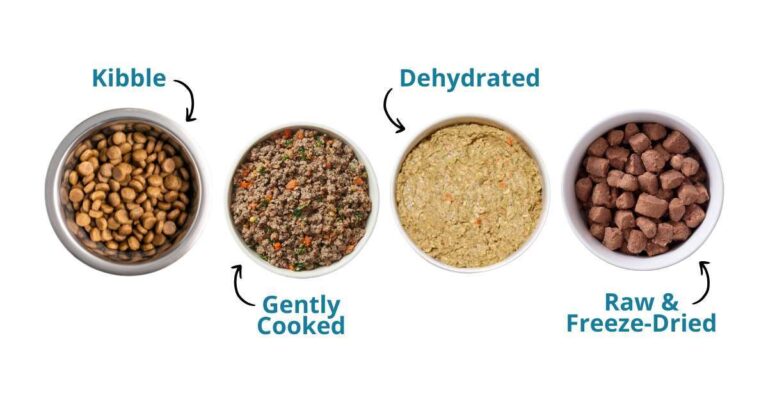
There are several good forms of dog food. Each has benefits and limits, so the right choice often depends on your dog and your budget.
Dry dog food
Dry food, or kibble, is convenient, easy to measure, and often less expensive than other choices. Its firm texture may also help reduce some surface plaque, although kibble does not replace tooth brushing or professional dental care.
Choose a dry food that lists a named animal protein, such as chicken, beef, turkey, lamb, or fish. However, the first ingredient alone does not prove that a food is nutritionally superior. The full nutrient profile and feeding statement matter more.
Canned dog food
Canned food contains more moisture than kibble. This can help dogs that drink little, have dental pain, or prefer soft textures.
Wet food is often more appealing to picky eaters. It can also be useful for senior dogs with poor teeth. The main drawbacks are higher cost, shorter storage time after opening, and the need to measure calories carefully.
Fresh or gently cooked food
Fresh food can be a good option when it is complete and balanced. Some products are made with cooked meat, vegetables, grains, and added vitamins and minerals.
Do not assume that “fresh,” “natural,” or “human-grade” automatically means nutritionally complete. A food can look wholesome but still lack key nutrients, such as calcium, iodine, zinc, or certain vitamins.
Homemade dog food
Homemade diets can work, but they are difficult to balance without professional help. Meat and rice alone, for example, may lack calcium and other vital nutrients.
If you choose homemade food, ask a board-certified veterinary nutritionist to design the recipe. Follow the recipe closely, including supplements. Small changes can create large nutrient gaps over time.
Raw food
Raw diets remain controversial. Possible concerns include harmful bacteria, broken bones, choking, digestive upset, and nutrient imbalance. Raw meat can carry organisms that may affect pets and people, especially children, older adults, pregnant people, and anyone with a weak immune system.
There is no strong evidence that raw food is healthier for all dogs than a properly made cooked diet. If you are considering raw feeding, discuss the risks with your veterinarian first.

Essential nutrients dogs need
Knowing what food is recommended for dogs becomes easier when you understand the nutrients behind the label.
Protein
Protein supplies amino acids that support muscles, skin, organs, hormones, and immune function. Puppies, working dogs, and pregnant or nursing dogs may need more protein than less active adult dogs.
Good protein sources include meat, poultry, fish, eggs, and carefully selected plant proteins. Dogs can digest many plant ingredients, but the complete diet must provide all required amino acids.
Fat
Fat is a concentrated energy source. It also helps the body absorb vitamins A, D, E, and K. Essential fatty acids support the skin, coat, brain, and immune system.
Too much fat can cause weight gain or stomach trouble. Some dogs may also be prone to pancreatitis, so high-fat foods should be avoided unless a veterinarian approves them.
Carbohydrates and fiber
Dogs can use carbohydrates as an energy source. Grains such as rice, oats, barley, and corn can be part of a healthy diet for many dogs.
Fiber supports normal bowel function and may help dogs feel full. Too much fiber, however, can reduce digestibility or cause gas and loose stools.
Vitamins and minerals
Calcium and phosphorus help build strong bones and teeth. Zinc supports skin health, while iron helps carry oxygen in the blood. Other vitamins and minerals support nerves, muscles, immunity, and metabolism.
Adding human supplements to a dog’s food can be dangerous. Dogs need different amounts than people do, and excess vitamin D, calcium, or other nutrients can cause harm.
Water
Fresh water is one of the most important parts of what food is recommended for dogs. Keep clean water available all day and wash the bowl often.
Dogs eating canned food may drink less because they receive more moisture from meals. Dogs eating dry food usually need to drink more water.
How to choose a healthy commercial dog food
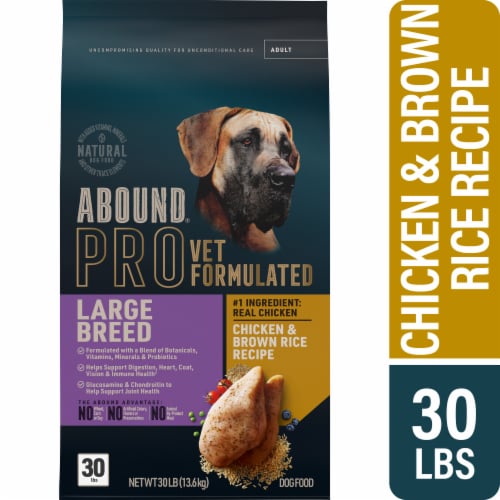
A reliable dog food label gives you more useful information than a front-of-package picture or marketing phrase.
Look for these details:
- A statement that the food is complete and balanced
- The correct life stage, such as growth, adult maintenance, or all life stages
- Calorie information per cup, can, or serving
- Feeding directions based on body weight
- The name and contact details of the manufacturer
- A clear ingredient list
- Quality control information when available
The nutritional adequacy statement is especially important. It shows whether the food is intended as a complete diet or only for intermittent and supplemental feeding.
Do not judge a food only by its ingredient list. Ingredients are listed by weight, including water, and some nutrients come from blends of ingredients. A food with simple ingredients is not always better than one with a longer list.
A veterinary diet may be recommended for dogs with kidney disease, urinary stones, food allergies, diabetes, or digestive disorders. These foods are formulated for specific medical goals and should be used with veterinary guidance.

How much food should a dog eat?
Portion control is just as important as food quality. Even excellent dog food can lead to obesity when a dog eats too much.
Start with the feeding guide on the package, but treat it as a starting point. Dogs of the same weight may need different amounts because of age, breed, activity, metabolism, and health.
Use these steps:
- Measure food with a standard measuring cup or kitchen scale.
- Feed meals at regular times.
- Check your dog’s body shape every few weeks.
- Reduce food slightly if weight is increasing.
- Ask your veterinarian for help if weight changes are sudden.
A healthy dog should have ribs that are easy to feel but not sharply visible. From above, the waist should be visible. From the side, the abdomen should slope upward behind the ribs.
Treats should usually provide no more than 10 percent of daily calories. Small pieces of plain chicken, carrot, green beans, or a portion of your dog’s regular kibble can be used as rewards.

Safe human foods for dogs
Some plain human foods can be safe in small portions. They should be unseasoned and should not replace a complete diet.
Options may include:
- Cooked chicken or turkey without bones or seasoning
- Plain cooked eggs
- Cooked lean beef
- Carrots
- Green beans
- Pumpkin without added sugar or spices
- Plain rice
- Apple pieces without seeds or core
- Blueberries
- Small amounts of plain peanut butter without xylitol
Introduce one new food at a time. This makes it easier to notice vomiting, diarrhea, itching, or other signs of intolerance.
High-fat leftovers, salty foods, and heavily seasoned meals are poor choices. A small bite may not cause a problem, but repeated table scraps can lead to weight gain and poor nutrition.

Foods that are dangerous for dogs
When reviewing what food is recommended for dogs, it is just as important to know what foods to avoid.
Never intentionally feed dogs:
- Chocolate
- Grapes or raisins
- Onions, garlic, leeks, or chives
- Xylitol, also called birch sugar
- Alcohol
- Caffeinated drinks
- Macadamia nuts
- Raw yeast dough
- Cooked bones
- Very fatty foods
- Moldy food
Chocolate and caffeine can affect the heart and nervous system. Grapes and raisins may cause serious kidney injury in some dogs, even though the exact toxic dose is not predictable.
Xylitol can cause a dangerous drop in blood sugar and may lead to liver injury. It can appear in sugar-free gum, candy, toothpaste, baked goods, and some supplements.
If your dog eats a potentially toxic food, contact a veterinarian or a pet poison service promptly. Do not make your dog vomit unless a professional tells you to do so.

Food choices for puppies, seniors, and dogs with health needs
The answer to what food is recommended for dogs changes with age and health.
Puppies
Puppies need food made for growth. Large-breed puppies may need a diet designed to support controlled bone growth. Too many calories or excess minerals can contribute to skeletal problems.
Feed puppies smaller meals more often. Follow your veterinarian’s advice for portion changes as the puppy grows.
Senior dogs
Older dogs often need fewer calories because they are less active. However, not every senior dog needs a low-protein diet. Protein needs depend on muscle condition, kidney function, and overall health.
A senior dog with weight loss, increased thirst, vomiting, or reduced appetite should receive a veterinary checkup rather than a simple food change.