What’s The Most Nutritious Dog Food: Vet-Backed Guide
What’s the most nutritious dog food? Learn which ingredients, nutrients, and formulas support your dog’s health, energy, and longevity.
The most nutritious dog food is complete, balanced, and tailored to your dog’s age, size, health, and lifestyle.
Choosing nutritious dog food can feel harder than it should. Store shelves are full of bright labels, fresh recipes, grain-free formulas, and long ingredient lists. Yet good nutrition is not about the fanciest package. It is about meeting your dog’s needs with safe ingredients, proper nutrient levels, and a feeding plan that supports steady health over time. This guide explains what's the most nutritious dog food, how to read a label, and which common mistakes to avoid.
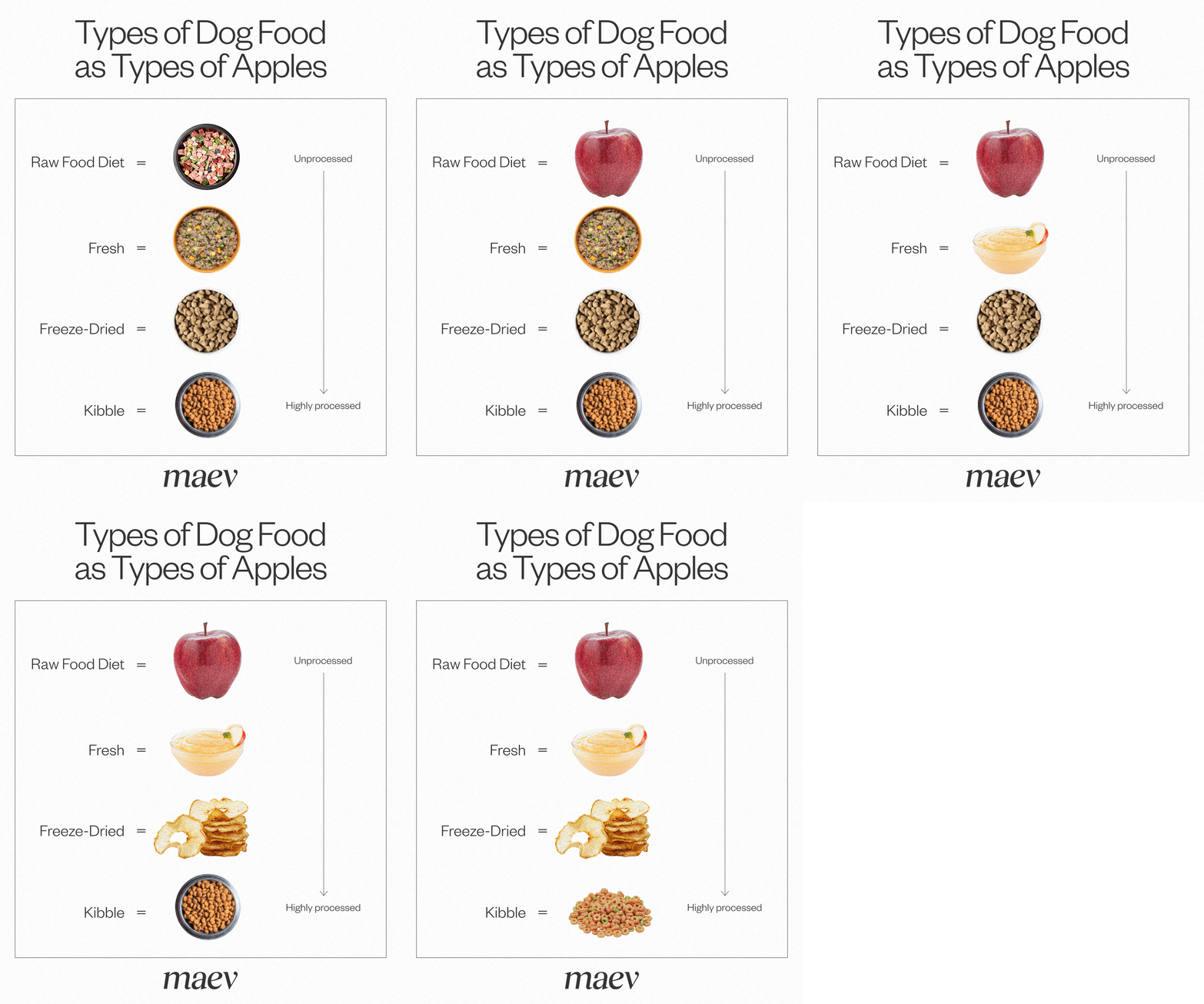
What makes dog food nutritious?
The most nutritious dog food provides all essential nutrients in the right amounts. These nutrients include protein, fat, carbohydrates, vitamins, minerals, water, and essential fatty acids. A food may contain healthy ingredients but still fail to meet your dog’s complete dietary needs.
Look for a statement saying the food is “complete and balanced” for your dog’s life stage. In the United States, this statement should be based on nutritional profiles or feeding trials set by the Association of American Feed Control Officials, often called AAFCO.
A nutritious diet should also be:
• Appropriate for your dog’s age, such as puppy, adult, or senior
• Suitable for your dog’s size and activity level
• Safe for any medical needs, such as kidney disease or food allergies
• Made by a company with strong quality control
• Fed in the correct daily amount
The best food is not always the most expensive food. A premium price can reflect packaging, marketing, or specialty ingredients. It does not automatically prove better nutrition.
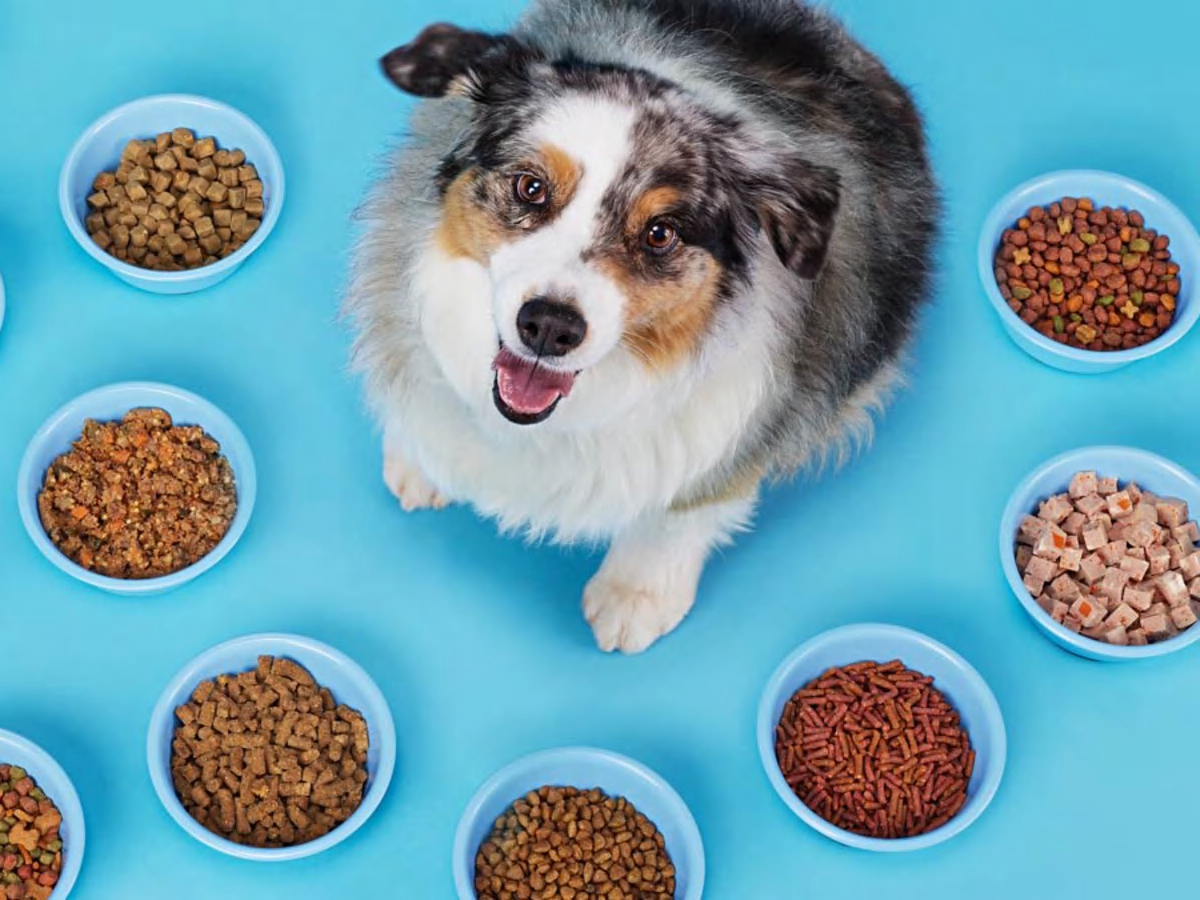
What's the most nutritious dog food for most dogs?
For most healthy dogs, what's the most nutritious dog food is a complete and balanced commercial diet made for their life stage and activity level. A well-designed dry, wet, fresh, or mixed diet can work if it meets recognized nutrient standards and your dog maintains good health on it.
Most dogs do well with a food that lists a named animal protein, such as chicken, beef, turkey, lamb, or fish. However, the first ingredient alone does not tell the whole story. Ingredients are listed by weight, and fresh meat contains a lot of water. A food with meat listed first may not contain more total protein than another food with a concentrated meat meal.
A good everyday formula often includes:
• Animal or plant protein that supplies essential amino acids
• Moderate fat for energy and skin health
• Digestible carbohydrates, when included
• Fiber for healthy bowel movements
• Omega 3 fatty acids from fish oil or other safe sources
• Proper levels of calcium, phosphorus, zinc, copper, and vitamins
• Calorie information to help control body weight
Your dog’s response matters too. Shiny eyes, healthy skin, firm stools, steady energy, and an ideal body condition are useful signs that a food is working well.

How to choose nutritious dog food
Choosing what's the most nutritious dog food starts with your dog, not the label’s front panel. A young Border Collie may need more calories than a calm senior Shih Tzu. A dog with pancreatitis, diabetes, or kidney disease may need a veterinary diet instead of a standard formula.
Use these steps when comparing foods.
1. Check the nutritional adequacy statement
Find the small print on the back or side of the package. It should state that the food is complete and balanced for a specific life stage.
Common categories include:
• Growth and development for puppies
• Maintenance for adult dogs
• All life stages
• Gestation and lactation for pregnant or nursing dogs
“All life stages” food can be nutritious, but it may contain more calories or nutrients than some older, less active dogs need.
2. Match calories to your dog
Too many calories can cause weight gain, even when the food is high quality. Excess weight increases the risk of joint disease, diabetes, breathing problems, and shorter life expectancy.
Use the calorie statement on the package as a starting point. Then adjust the amount based on your dog’s body condition, activity, age, and weight changes. Treats should generally provide no more than about 10% of daily calories.
3. Review the protein and fat levels
Protein supports muscles, skin, organs, immune function, and repair. Healthy adult dogs usually need a reliable protein source, but more protein is not always better.
Fat provides concentrated energy and helps the body absorb vitamins. Foods high in fat may suit working dogs but can cause weight gain or digestive trouble in less active dogs. Dogs with a history of pancreatitis may need strict veterinary guidance about dietary fat.
4. Consider digestibility
The best food is one your dog can digest well. Signs of good tolerance include:
• Normal stools
• Little gas
• No repeated vomiting
• Healthy skin
• A soft, shiny coat
• Stable appetite and energy
Ingredient quality, cooking methods, fiber levels, and individual tolerance all affect digestibility. A long ingredient list does not guarantee better digestion.
Dry food, wet food, fresh food, or raw food?
There is no single best food format for every dog. The most nutritious dog food can be dry, canned, fresh, or a carefully planned combination.
Dry dog food
Dry food is affordable, easy to store, and simple to measure. It can also support a regular feeding routine. However, it contains less water than canned food, so dogs eating dry food should always have access to fresh water.
Wet dog food
Canned food usually contains more water and may be helpful for dogs that need extra moisture or have a poor appetite. It is often more appealing to picky eaters. The main drawbacks are cost, storage, and the need to refrigerate leftovers.
Fresh or gently cooked food
Fresh diets may offer appealing textures and clear ingredient lists. Still, “fresh” does not automatically mean complete and balanced. Check for a proper nutritional adequacy statement and safe handling instructions.
Raw diets
Raw feeding is often promoted as natural, but natural does not mean risk free. Raw diets may carry harmful bacteria, cause nutritional imbalances, or contain bones that damage teeth and the digestive tract. They may also pose a health risk to children, older adults, pregnant people, and anyone with a weak immune system.
Veterinary nutrition experts generally recommend using a qualified veterinary nutritionist when creating a homemade or raw diet. Cooking meat at home without a balanced recipe is not enough.

Is grain-free dog food more nutritious?
Grain-free food is not automatically healthier. Grains such as rice, oats, barley, and corn can provide carbohydrates, fiber, vitamins, and useful energy. Most dogs digest properly cooked grains without a problem.
Some dogs need a diet that avoids a specific ingredient because of a diagnosed allergy or intolerance. True food allergies are less common than many owners think, and they are usually linked to proteins such as beef, dairy, chicken, or eggs rather than grains.
Reports have also raised concern about a possible link between some grain-free diets and canine dilated cardiomyopathy. The issue appears complex and may involve certain diets high in peas, lentils, chickpeas, or potatoes. This does not prove that every grain-free food is harmful, but it is a good reason to discuss the choice with your veterinarian.
How to read a dog food ingredient label
Ingredient lists can help you understand a food, but they have limits. They do not show the full nutrient profile, and the first ingredient is not a complete measure of quality.
Look for:
• A named animal protein, such as chicken or salmon
• A clear nutritional adequacy statement
• Calorie information per cup, can, or kilogram
• Contact details for the manufacturer
• A lot number and expiration date
Be cautious with broad promises such as “natural,” “holistic,” “premium,” or “human grade.” Some of these terms have limited nutritional meaning. “Human grade” may describe ingredient handling in a particular product, but it does not alone prove that the food is ideal for your dog.
Meat meals are not automatically poor ingredients. Chicken meal or fish meal is concentrated protein because much of the water has been removed. By contrast, vague terms such as “animal fat” offer less detail about the source.
A common mistake is judging food by ingredients alone. Nutrition is more like a recipe than a shopping list. The final balance of nutrients matters more than whether one ingredient sounds fashionable.

Homemade dog food: Is it a healthy choice?
Homemade dog food can be nutritious, but it is difficult to balance without professional help. Meat and rice, chicken and vegetables, or leftovers may look wholesome, yet these meals often lack calcium, iodine, zinc, vitamin D, or essential fatty acids.
The most nutritious dog food for a particular dog may sometimes be homemade, especially when a veterinary nutritionist creates and checks the recipe. Follow the recipe exactly, including supplements. Replacing ingredients or skipping supplements can change the nutrient balance.
Avoid feeding large amounts of:
• Onions, garlic, and chives
• Grapes and raisins
• Chocolate and caffeine
• Xylitol, a sweetener that is toxic to dogs
• Alcohol
• Macadamia nuts
• Cooked bones
• Very fatty scraps
When a dog has a medical condition, homemade feeding should be supervised by your veterinarian. A recipe designed for a healthy adult dog may be unsafe for a puppy or a dog with kidney disease.

Nutritional needs by life stage
What's the most nutritious dog food can change as your dog grows. Nutrient needs are not fixed for life.
Puppies
Puppies need food made for growth. Large breed puppies need special mineral and calorie control because growing too fast can affect bone and joint development. Do not add calcium to a complete puppy diet unless your veterinarian recommends it.
Adult dogs
Adult dogs need enough protein and energy to maintain muscle and a healthy body condition. Activity level matters. A working dog may need far more calories than a dog that spends most of the day resting.
Senior dogs
Senior dogs do not all need the same diet. Some benefit from fewer calories and more fiber, while others need extra support for muscle maintenance. There is no universal senior dog formula, so body condition and health status should guide the choice.
Pregnant and nursing dogs
Pregnant and nursing dogs need diets that support growth and milk production. A food labeled for gestation, lactation, or all life stages may be appropriate, but veterinary advice is especially important during this period.

Signs your dog’s diet is working
Food quality is important, but your dog’s health gives the most useful feedback. Monitor your dog over several weeks rather than judging the food after one meal.
Positive signs include:
• A stable, healthy weight
• Firm, regular stools
• Normal energy
• A healthy coat and skin
• Good muscle tone
• Comfortable digestion
• Interest in meals without constant hunger
Use a body condition score, not weight alone. You should be able to feel the ribs with light pressure, see a waist from above, and notice a gentle abdominal tuck from the side.
If your dog develops repeated diarrhea, vomiting, itching, ear infections, weight loss, unusual thirst, or a sudden appetite change, contact a veterinarian. These signs may point to illness rather than a simple food preference.
Common mistakes when choosing dog food
Even caring owners can make nutrition mistakes. The most frequent problem is changing food based on marketing instead of the dog’s actual needs.
Avoid these errors:
• Switching foods suddenly
• Feeding too many treats or table scraps
• Choosing a diet only because meat is listed first
• Assuming expensive food is always better
• Adding supplements to a complete diet without veterinary advice
• Ignoring calorie content
• Feeding a puppy adult food
• Using a homemade recipe from a random website
Change food gradually over about seven days. Start with a small amount of the new food and increase it while reducing the old food. Sensitive dogs may need a slower transition.
A practical lesson from comparing many feeding plans is simple: consistency beats constant switching. Owners often chase a new formula after one soft stool, then create more stomach upset through repeated changes. Give a suitable diet time, unless your dog has a clear reaction or your veterinarian advises otherwise.
When should you ask a veterinarian?
Your veterinarian can help identify what's the most nutritious dog food when ordinary choices are not enough. This is especially important if your dog has a diagnosed condition, takes medication, or has ongoing digestive or skin problems.
Ask for professional guidance if your dog has:
• Kidney, liver, heart, or pancreatic disease
• Diabetes or obesity
• Food allergies
• Repeated vomiting or diarrhea
• Poor growth
• Dental disease
• Pregnancy or nursing needs
Prescription diets are designed for specific medical goals. They should not be replaced with a regular store diet without professional advice. Your veterinarian may also recommend blood tests, an elimination diet, or a consultation with a board certified veterinary nutritionist.
What's the most nutritious dog food for allergies?
For dogs with suspected food allergies, what's the most nutritious dog food is usually a complete diet selected through a controlled elimination trial. Veterinary diets with hydrolyzed proteins or carefully chosen novel proteins are often used for this purpose.
A true elimination trial usually lasts several weeks and requires strict control of treats, chews, flavored medicines, and table food. Blood and saliva tests sold for food allergies are not considered reliable substitutes for a proper veterinary elimination trial.
Frequently asked questions about what's the most nutritious dog food
What's the most nutritious dog food for a healthy adult dog?
The most nutritious dog food for a healthy adult dog is a complete and balanced adult maintenance formula that matches the dog’s calories, size, and activity level. Choose a reputable product and monitor weight, stools, energy, skin, and coat.
Is wet food healthier than dry dog food?
Wet food is not automatically healthier than dry food. Both can support good health when they are complete and balanced, though wet food provides more moisture and dry food is often easier to store and measure.
Should dogs eat grain-free food?
Most dogs do not need grain-free food. Grains can provide useful nutrients, and a grain-free diet should be chosen only for a clear reason discussed with a veterinarian.
Can I feed my dog homemade food every day?
You can feed homemade food every day if a veterinary nutritionist designs the recipe and you follow it accurately. Unbalanced homemade meals may cause serious nutrient deficiencies over time.
How often should I change my dog’s food?
You do not need to change food if your dog is healthy, maintains a good weight, and enjoys stable digestion. If you switch foods, do so gradually over about seven days to reduce stomach upset.
Are expensive dog foods more nutritious?
Price does not prove nutritional value. Compare the adequacy statement, calorie level, quality controls, nutrient profile, and your dog’s response instead of relying on cost or marketing claims.
Conclusion
The answer to what's the most nutritious dog food is not one brand or one trendy ingredient. It is a complete and balanced diet that suits your dog’s life stage, health, activity level, calorie needs, and digestion.
Start by checking the nutritional adequacy statement, reviewing calories, limiting treats, and watching your dog’s body condition. When illness, allergies, pregnancy, or homemade feeding is involved, work with a veterinarian or veterinary nutritionist. Use this guide to make a thoughtful choice, and share your questions or feeding experience in the comments.

Pet Care Writer & Researcher
Daniel writes practical guides on daily care, feeding, and safety, turning complex topics into simple, actionable advice.