What Are The Best Types Of Dog Food: Healthy Choices
Learn what are the best types of dog food, from dry and wet options to fresh diets, and choose a nutritious meal your dog will love.
The best dog food is complete, balanced, and matched to your dog’s age, size, health, and lifestyle.
Choosing among the best types of dog food can feel like standing in a store aisle packed with endless labels and promises. As a practical rule, quality nutrition matters more than whether the food is dry, wet, fresh, or raw. This guide explains how each type works, what to look for, what to avoid, and how to choose a safe diet your dog will enjoy.
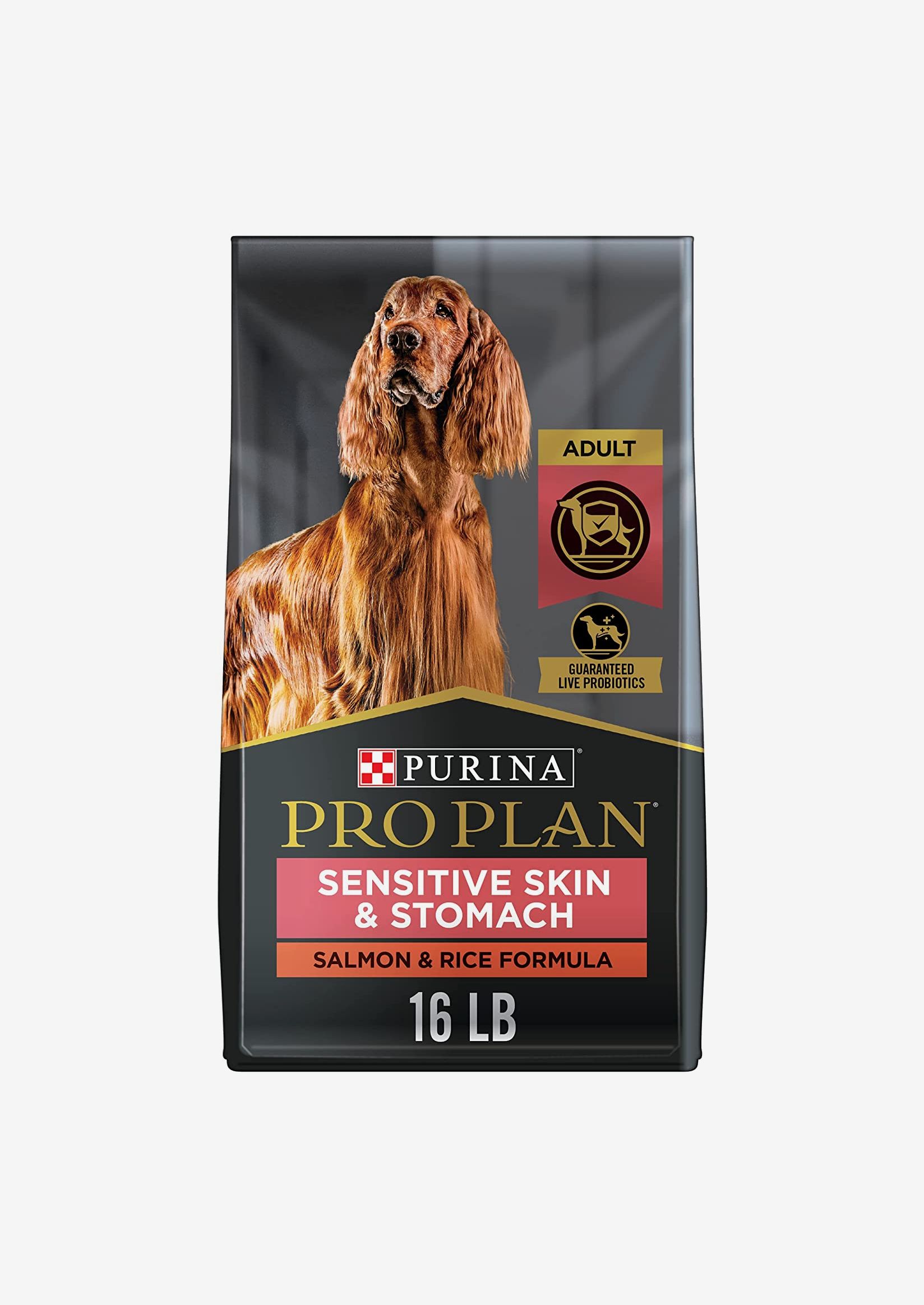
What makes dog food a healthy choice?
The best types of dog food provide all the nutrients your dog needs in the right amounts. These nutrients include protein, fat, carbohydrates, vitamins, minerals, water, and essential fatty acids.
A food can look natural or premium and still be poorly balanced. On the other hand, a simple-looking food may meet strong nutritional standards and support excellent health.
Look for these key features:
• A statement that the food is “complete and balanced” for your dog’s life stage
• Animal protein from sources such as chicken, beef, turkey, fish, lamb, or eggs
• Adequate fat for energy, skin health, and brain function
• Controlled calories that suit your dog’s size and activity level
• Clear feeding instructions
• Contact details for the manufacturer
• Quality control information and nutritional testing
In the United States, many complete dog foods are made to meet nutritional profiles set by the Association of American Feed Control Officials, often called AAFCO. The U.S. Food and Drug Administration also regulates pet food safety and labeling.
A complete food for a puppy may not be right for an adult dog. Likewise, a diet designed for weight loss may not provide enough calories for a working dog. The label should state whether the food is meant for growth, maintenance, reproduction, or all life stages.
One mistake I often see is choosing food based only on the first ingredient. Ingredients matter, but the full nutrient profile matters more. Think of dog food as a recipe: one good ingredient cannot fix an unbalanced meal.
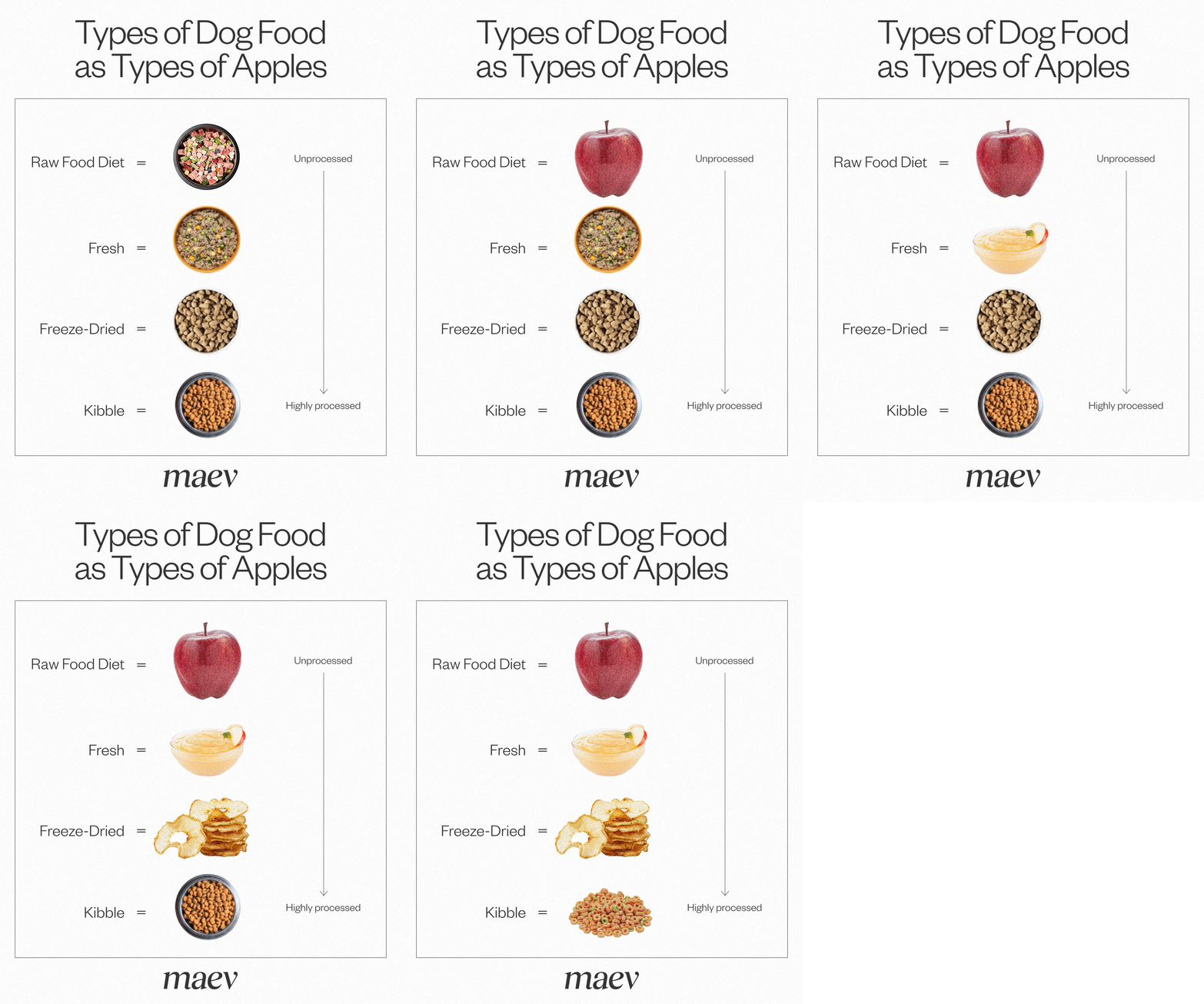
The best types of dog food by format
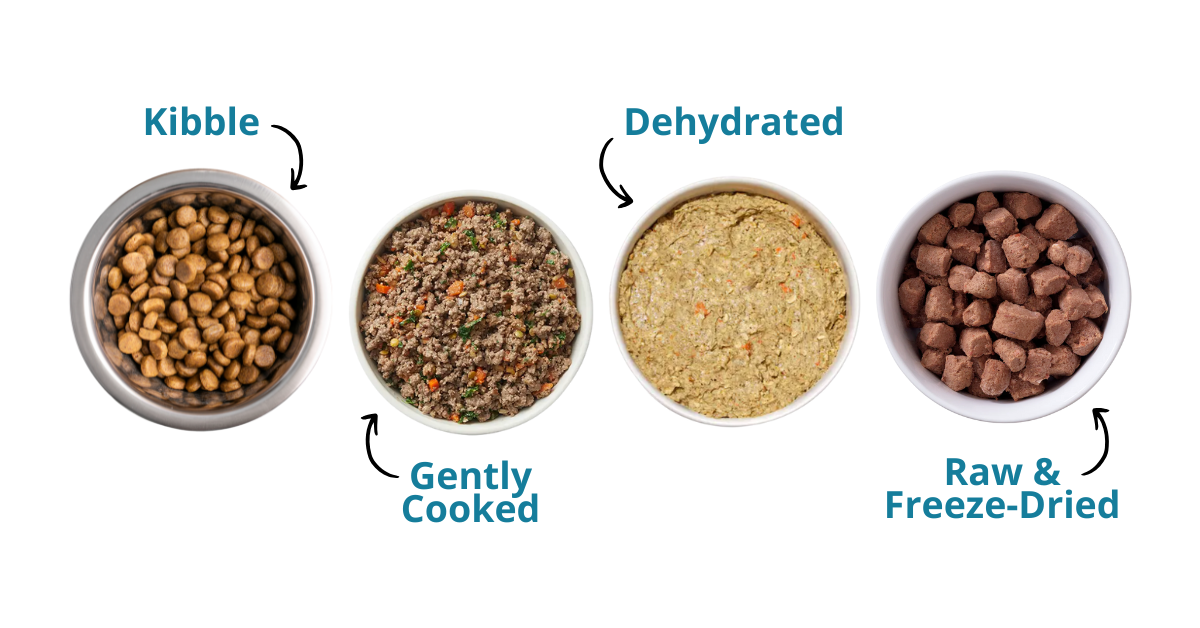
Dog food comes in several main forms. Each type has benefits and limits, so the right choice depends on your dog and your daily routine.
Dry dog food
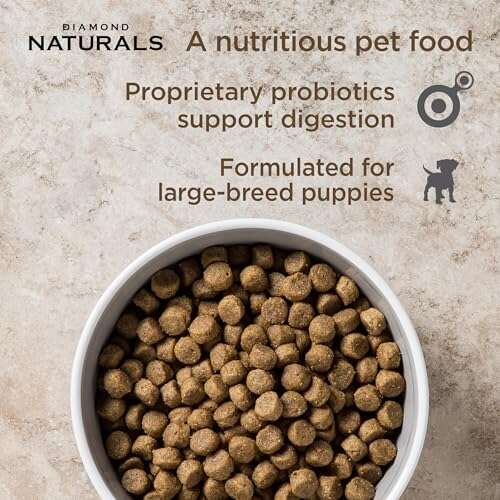
Dry food, also called kibble, is one of the most popular options. It is easy to measure, simple to store, and usually less expensive per serving than wet food.
Good dry food can provide complete nutrition when it meets the correct standards. Its crunchy texture may also help reduce some surface plaque, although it does not replace tooth brushing or professional dental care.
Benefits of dry dog food include:
• Convenient storage
• Lower cost in many cases
• Easy portion control
• Less mess
• Useful for food puzzles and slow feeders
The main limit is its low water content. Most kibble contains about 10% moisture, so dogs eating dry food must have fresh water available at all times.
Kibble quality varies widely. Check the calorie content and feeding guide, since two foods with similar ingredients can contain very different amounts of energy.
Wet or canned dog food
wet food contains much more water than kibble. This can help dogs that drink little, have dental pain, or need a softer meal.
Many dogs prefer wet food because it smells stronger and has a softer texture. It may also help older dogs or dogs with missing teeth eat more comfortably.
Benefits include:
• High moisture content
• Strong taste and smell
• Soft texture
• Useful for dogs with low appetite
• Helpful for adding variety
Wet food often costs more and spoils faster after opening. Refrigerate unused portions and follow the storage instructions on the package. Do not leave an opened can at room temperature for long periods.
Wet food can also be calorie dense. A small portion may contain more calories than expected, so measure it rather than feeding by sight.
Fresh or gently cooked dog food
Fresh dog food is usually made with cooked meat, vegetables, grains, and added vitamins and minerals. Some products are sold refrigerated or frozen, while others are shelf stable.
Fresh food can be appealing to picky eaters. It may also make portion control easier because many companies provide exact calorie information.
However, “fresh” does not automatically mean complete. Check for a nutritional adequacy statement. If the food is labeled for supplemental or intermittent feeding only, it should not make up your dog’s entire diet.
Fresh diets can also cost more and require careful storage. Keep refrigerated food cold, wash bowls after meals, and follow the company’s handling instructions.
Freeze-dried and dehydrated food
Freeze-dried food removes moisture while keeping much of the original flavor. Dehydrated food uses heat to remove water. Both types are light and easy to store.
Some products are complete meals. Others are toppers or treats only. Read the label closely before using them as your dog’s main diet.
Many freeze-dried foods need added water. Rehydrating the food can improve moisture intake and make the meal easier to chew.
These foods often have a higher price per pound. They may also be calorie dense, so small serving sizes can be misleading.
Raw dog food
Raw diets include uncooked meat, organs, bones, and other ingredients. Some owners choose them because they believe raw food is more natural or may improve coat quality.
The evidence does not show that raw diets are automatically healthier than balanced cooked diets. Raw food can carry harmful bacteria, including Salmonella, E. coli, and Listeria. These germs can affect dogs and people, especially young children, older adults, pregnant people, and those with weak immune systems.
Raw bones may cause broken teeth, choking, intestinal blockage, or digestive injury. Homemade raw meals can also lack calcium, iodine, zinc, vitamin D, or other key nutrients.
If you are considering a raw diet, speak with a veterinarian or a board-certified veterinary nutritionist first. Food safety and nutritional balance must come before trends.
Among the best types of dog food, raw food is not a default choice for most households. A complete cooked diet is often easier and safer to manage.
How to choose the best types of dog food for your dog
There is no single best food for every dog. A healthy diet for a Chihuahua may be unsuitable for a Great Dane, and food for a young puppy may not suit a senior dog.
Start with these factors:
Age
Puppies need more calories, protein, calcium, and other nutrients to support growth. Large-breed puppies need special control of calcium and calories because rapid growth can harm developing bones and joints.
Adult dogs need food that supports a stable body weight. Senior dogs may need fewer calories, although their needs vary with health, muscle mass, and activity.
Size
Small dogs often need calorie-dense food in small portions. Large dogs may benefit from larger kibble and careful calorie control.
A large dog should not simply eat more of a small-breed formula. Nutrient levels and calorie density can differ by product.
Activity level
A working dog, running partner, or sporting dog may need more calories than a relaxed house dog. Dogs that spend most of the day resting may gain weight on an energy-rich diet.
Watch body condition rather than relying only on the feeding chart. Feeding guides are starting points, not exact prescriptions.
Health needs
Some dogs need therapeutic diets for conditions such as:
• Kidney disease
• Food allergies
• Diabetes
• Urinary problems
• Pancreatitis
• Obesity
• Digestive disease
Veterinary diets should be used with professional guidance. A food marketed for “sensitive stomachs” is not the same as a prescription diet for a diagnosed disease.
Taste and texture
The best types of dog food are also foods your dog will eat consistently. A nutritionally excellent diet has little value if your dog refuses it.
Still, avoid changing foods every few days. Frequent changes can cause loose stools and make it hard to identify the cause of a reaction.

How to read a dog food label
Dog food labels can seem complex, but a few sections provide useful information.
The nutritional adequacy statement
This is one of the most important parts of the label. It should say whether the product is complete and balanced for a specific life stage.
Be cautious with products described as:
• Treats
• Mixers
• Toppers
• Supplements
• For intermittent or supplemental feeding only
These products may be useful additions, but they should not replace a complete meal unless your veterinarian advises it.
The ingredient list
Ingredients appear by weight before cooking. Meat may contain a great deal of water, so its position can change after processing.
Do not assume that unfamiliar ingredients are harmful. Many have a nutritional purpose. You should also avoid judging a food by one ingredient alone.
Calorie information
Calories are usually listed as kilocalories per cup, can, or kilogram. This information helps you compare foods and control portions.
A dog can gain weight on a high-quality food if the serving is too large. Extra treats, table scraps, and dental chews count too.
Guaranteed analysis
This section lists minimum or maximum amounts of nutrients such as crude protein, crude fat, fiber, and moisture.
It is useful, but it does not tell the whole story. For example, a high protein number does not reveal protein quality or digestibility. Your veterinarian can help interpret the label when your dog has special needs.
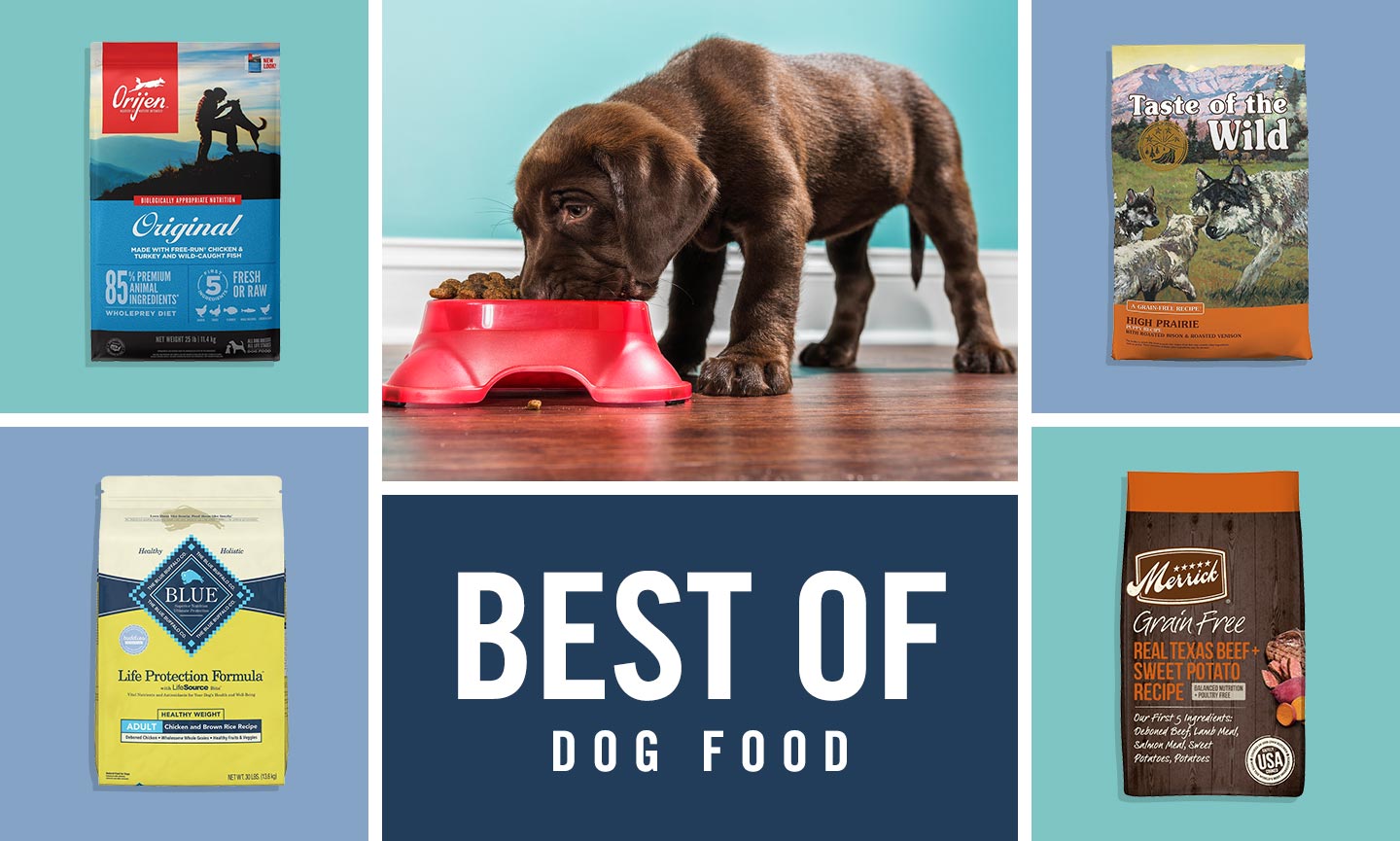
Are grain-free and limited-ingredient foods better?
Grain-free food is not automatically healthier. Dogs can digest cooked grains, and grains can provide carbohydrates, fiber, vitamins, and minerals.
True food allergies are less common than many owners think. Dogs are more often allergic to animal proteins such as beef, chicken, or dairy than to grains.
A limited-ingredient diet may help during a supervised food trial. However, simply buying a food with fewer ingredients does not prove that it will treat an allergy.
Some grain-free diets have been linked with reports of canine dilated cardiomyopathy, a serious heart condition. The relationship is complex and may involve several factors, including certain legume-heavy recipes. Do not change your dog’s diet because of online fear alone. Discuss concerns with your veterinarian.
The best types of dog food should be chosen based on proven nutrition, your dog’s response, and professional advice when needed—not on words such as “ancestral,” “natural,” or “premium.”

Homemade dog food: benefits and risks
Homemade food can work for some dogs, but it is difficult to balance without a carefully designed recipe. Meat and rice alone do not provide all required nutrients.
Common gaps in homemade diets include:
• Calcium
• Zinc
• Iodine
• Vitamin D
• Vitamin E
• Essential fatty acids
• Certain amino acids
A recipe created by a board-certified veterinary nutritionist is the safest option. Follow it exactly, including supplements. Swapping ingredients can change the nutrient balance.
Homemade food may be useful for a dog with complex food sensitivities or a poor appetite. It may also help owners who want full control over ingredients. But it usually requires more time, cost, storage, and careful preparation than commercial food.
In my experience, the biggest homemade-diet mistake is assuming that healthy human food creates a complete dog meal. A bowl of chicken, vegetables, and rice may look wholesome, but it can still miss nutrients your dog needs every day.

How much dog food should you feed?
Start with the package feeding guide, then adjust based on your dog’s body condition. The goal is a healthy waist, ribs that are easy to feel, and an abdominal tuck when viewed from the side.
Use a measuring cup for dry food. For greater accuracy, weigh portions with a kitchen scale.
Follow these practical steps:
-
Find the calorie content on the label.
-
Measure the recommended daily amount.
-
Divide it into one or two meals, depending on your dog’s needs.
-
Count treats as part of the daily calories.
-
Check body weight and shape every two to four weeks.
-
Adjust portions gradually if weight changes.
Most treats should make up no more than about 10% of daily calories. Treats with little nutritional value can still fit into a balanced plan when portions stay small.
Never restrict food sharply without veterinary advice. Sudden calorie cuts can cause stress, hunger, and nutrient problems.
How to switch to a new dog food
Change food gradually over about seven days. Sensitive dogs may need a longer transition.
A simple schedule looks like this:
• Days 1 and 2: 75% old food and 25% new food
• Days 3 and 4: 50% old food and 50% new food
• Days 5 and 6: 25% old food and 75% new food
• Day 7: 100% new food
Watch for vomiting, diarrhea, itching, gas, or refusal to eat. Mild stool changes may occur, but ongoing symptoms need veterinary attention.
Do not keep switching foods to chase every soft stool. That can create a cycle of digestive upset. Make one change at a time so you can tell what helps.
Seek veterinary care quickly if your dog has repeated vomiting, bloody diarrhea, severe weakness, belly pain, or refuses food and water.

Common mistakes when choosing dog food
Even caring owners can make food choices that do not serve their dogs well.
Choosing by marketing words
Words such as natural, holistic, ancestral, and premium have limited value without nutritional details. Look for a complete and balanced statement first.
Ignoring calorie density
A food with more calories per cup can cause weight gain if you use the same portion as a lower-calorie food.
Feeding too many extras
Table scraps, chews, toppers, and treats can quietly add hundreds of calories. Some human foods, including onions, garlic, grapes, raisins, chocolate, and xylitol, can be dangerous for dogs.
Using supplements without advice
Extra calcium, vitamins, or minerals can be harmful. A complete diet usually does not need added supplements unless a veterinarian recommends them.
Believing expensive means better
Price can reflect ingredients, packaging, shipping, or marketing. Cost alone does not prove nutritional superiority.
Feeding for appearance alone
A shiny coat may look impressive, but good nutrition also supports muscle, digestion, immunity, healthy weight, and energy. Judge the whole dog, not one visible feature.
A practical feeding plan for different dogs
The best types of dog food will vary by life stage and health status.
Puppies
Choose a complete food for growth. Large-breed puppies should receive a formula designed for controlled growth.
Feed smaller meals more often, and monitor body condition. Avoid excessive treats during this important growth period.
Adult dogs
Choose food for maintenance and match calories to activity. Most healthy adult dogs do well with either quality dry food, wet food, or a combination.
Consistency is often more valuable than constant variety.
Senior dogs
Older dogs may need fewer calories but more support for muscle maintenance. A senior formula can help, but age alone does not require a diet change.
Ask your veterinarian about kidney health, dental pain, arthritis, and muscle loss before changing food.
Dogs with allergies
Work with a veterinarian to identify the problem. A structured elimination diet is more reliable than trying random “hypoallergenic” foods.
Overweight dogs
Use a measured, calorie-controlled plan. Weight loss should be gradual, and a veterinarian can help protect muscle while reducing body fat.
Active and working dogs
These dogs may need more calories, fat, or meal planning. Increase food slowly and monitor weight, stool quality, energy, and recovery.
Dry, wet, or mixed feeding: which is best?
A combination of dry and wet food can offer flexibility. For example, you might feed kibble for breakfast and add a measured amount of canned food at dinner.
Mixed feeding can improve taste and moisture intake, but calculate total calories. Adding wet food on top of the usual kibble can lead to weight gain.
The best types of dog food are not defined by one format. A complete dry food may be ideal for one dog, while a wet or mixed plan may suit another.
Ask yourself:
• Does my dog maintain a healthy weight?
• Is the food complete and balanced?
• Does my dog have normal stools and steady energy?
• Can I store and serve the food safely?
• Does the diet fit my budget for the long term?
If the answer is yes, you may already have a sound feeding plan.
Frequently Asked Questions About the Best Types of Dog Food
What is the healthiest type of dog food?
The healthiest type is a complete and balanced food that matches your dog’s age, size, activity, and health needs. Dry, wet, fresh, and some properly prepared homemade diets can all work.
Is dry food better than wet food for dogs?
Neither is always better. Dry food is convenient and easy to measure, while wet food provides more moisture and may appeal to picky or older dogs.
Is grain-free dog food safer for dogs?
Grain-free food is not automatically safer or healthier. Unless your veterinarian identifies a specific need, a complete diet with wholesome grains can be a suitable choice.
Can dogs eat homemade food every day?
Dogs can eat homemade food every day only when the recipe is complete and balanced. Use a recipe made by a veterinary nutritionist and follow all ingredient and supplement instructions.
Are raw diets good for dogs?
Raw diets are not proven to be healthier than balanced cooked diets and can carry bacterial and bone-related risks. Speak with a veterinarian before considering raw feeding.
How often should I change my dog’s food?
You do not need to change food if your dog is healthy, maintains a good weight, and enjoys the diet. When a change is needed, transition slowly over about seven days.
How can I tell if a dog food is working?
Healthy signs include stable weight, firm stools, good energy, healthy skin, and a clean coat. Ongoing itching, vomiting, diarrhea, weight changes, or low energy should be discussed with a veterinarian.
Conclusion
The best types of dog food are complete, balanced, safe, and suited to the individual dog eating them. Dry, wet, fresh, freeze-dried, and carefully formulated homemade diets can all have a place, but labels and nutrition matter more than marketing.
Choose a food that fits your dog’s life stage, body condition, activity, health, and preferences. Measure portions, limit extras, make changes slowly, and ask your veterinarian for help when your dog has medical needs.
Your dog does not need the trendiest bowl in the store. Your dog needs a reliable meal plan that supports a healthy body for years to come. Compare labels, monitor your dog’s response, and leave a comment with what feeding approach has worked best for you.

Pet Care Writer & Researcher
Daniel writes practical guides on daily care, feeding, and safety, turning complex topics into simple, actionable advice.