What Is A Good Dog Food For Large Breeds: Best Guide
What is a good dog food for large breeds? Learn which nutrients, ingredients, and formulas support healthy growth, joints, and digestion.
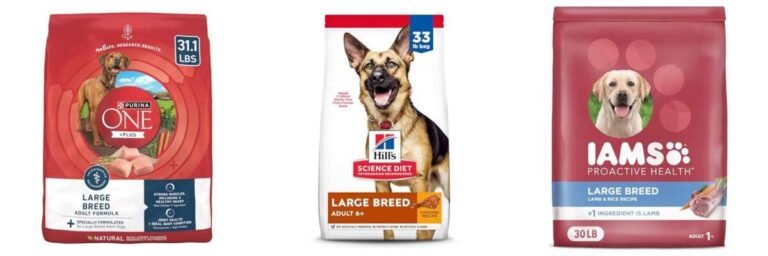
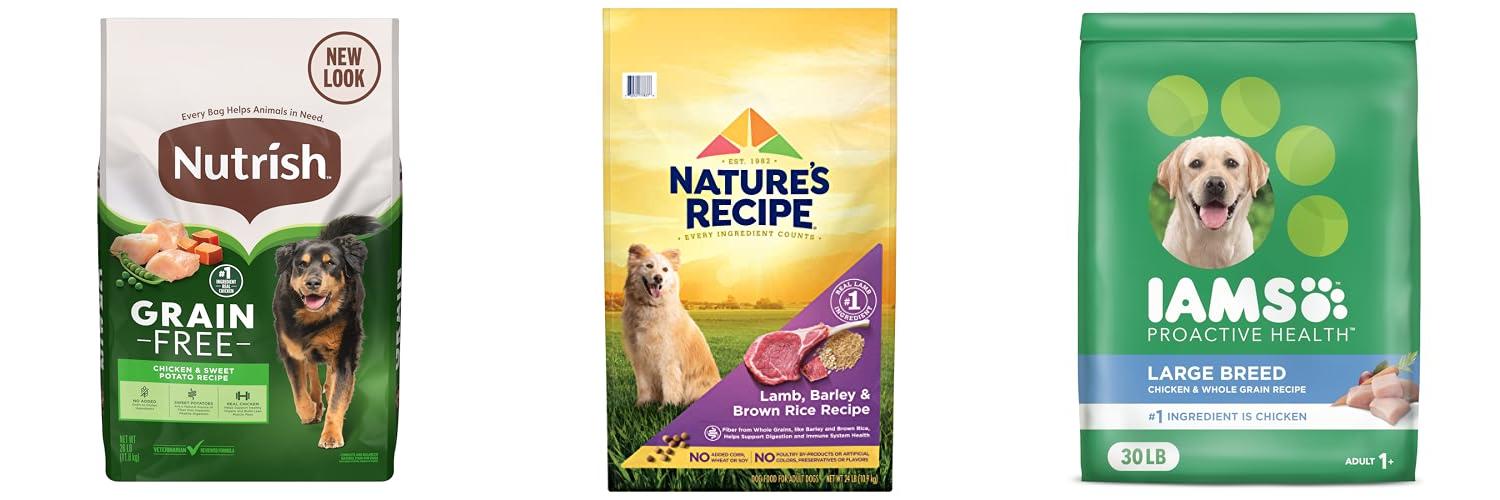
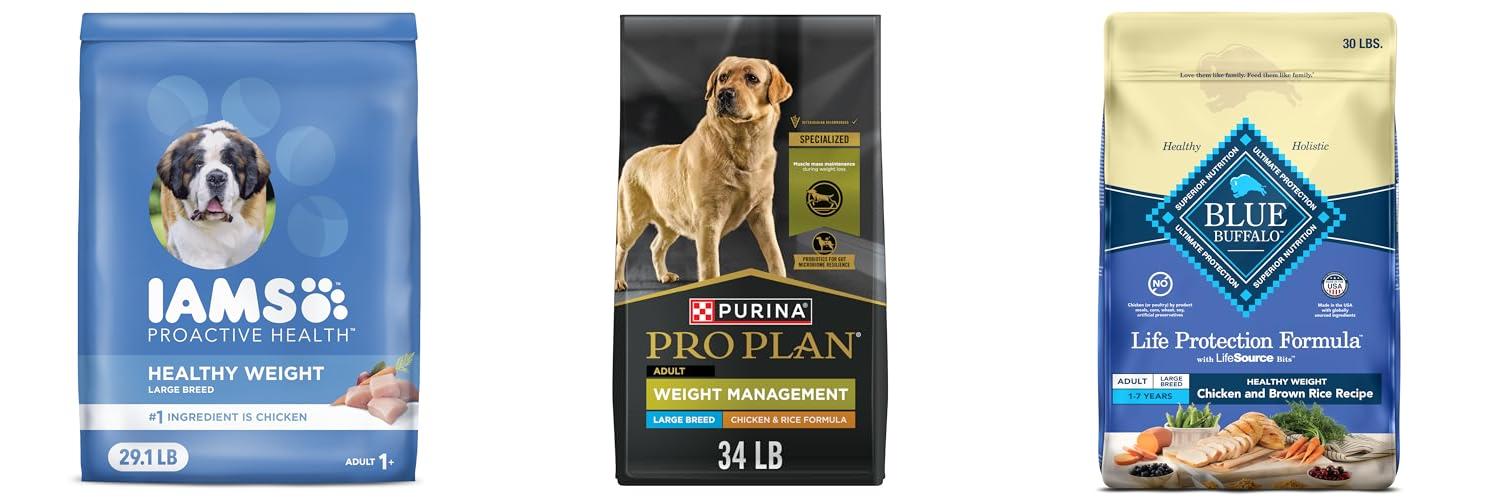
A good dog food for a large-breed dog in the United States should match the dog’s age, adult size, health needs, and activity level. For large-breed puppies, choose a food labeled for growth of large-size dogs. For adult dogs, choose a complete and balanced food for adult maintenance, with sensible calories and feeding directions.
The best food is not always the most expensive. Look for a nutritional adequacy statement from the Association of American Feed Control Officials (AAFCO), clear feeding directions, quality control information, and a formula your dog digests well. Your veterinarian can help if your dog has joint disease, allergies, obesity, or another medical need.
What Makes Dog Food Good for Large Breeds?
Good large-breed dog food provides complete nutrition without excess calories or poor mineral balance. It should support steady growth in puppies and a healthy body weight in adult dogs.
Large dogs place more stress on their bones and joints than small dogs. Fast growth, excess weight, and incorrect calcium intake may increase the risk of skeletal problems in some puppies. Adult dogs may also develop arthritis, obesity, or heart disease as they age.
A suitable food should offer:
- A complete and balanced nutritional statement
- The correct life-stage formula
- Controlled calories
- Appropriate calcium and phosphorus levels
- High-quality protein
- Essential fats, including omega-3 fatty acids
- Clear feeding instructions
- Reliable manufacturing and quality control
Complete and balanced nutrition
In the United States, look for an AAFCO nutritional adequacy statement. It may say the food is complete and balanced for:
- Growth
- Growth of large-size dogs
- Adult maintenance
- All life stages
An “all life stages” food may meet the needs of puppies and adults, but it is not automatically the best choice for every large dog. Some all-life-stage foods contain more calories and nutrients than an inactive adult needs.
The statement should match your dog’s life stage. A food labeled only for adult maintenance is not the right choice for a growing puppy.
Controlled calories
Large dogs do not need unlimited food. Extra weight puts added force on the hips, elbows, knees, and spine.
Check the food’s calorie content, usually listed as kilocalories per cup or kilocalories per kilogram. Feeding guides are a starting point, not a fixed rule. Adjust the amount based on your dog’s body condition, activity, age, and weight trend.
Appropriate minerals for puppies
Large-breed puppies need carefully balanced calcium and phosphorus. More calcium is not always better. Puppies absorb calcium differently from adult dogs, and excess intake can harm normal bone development.
Do not add calcium supplements to a complete large-breed puppy food unless your veterinarian tells you to do so.
What Is the Best Food for a Large-Breed Puppy?
The best food for a large-breed puppy is one labeled for growth of large-size dogs or a similar AAFCO-approved claim that specifically includes large dogs.
This wording matters because large-breed puppy foods are designed to support slower, controlled growth. The food should provide enough nutrients for development without encouraging rapid weight gain.
What to look for on the label
Choose a puppy food that has:
- An AAFCO statement for growth of large-size dogs.
- Clear calorie information.
- Feeding directions for the puppy’s current weight and age.
- A named animal protein, such as chicken, beef, turkey, lamb, or fish.
- A reliable company that can answer questions about formulation and testing.
- No need for added vitamin or mineral supplements.
The label does not need to say “premium” or “holistic.” Those terms do not provide a complete measure of nutritional quality.
How long should a large dog eat puppy food?
Many large-breed puppies remain on growth food until they reach most of their adult size. The exact timing depends on the breed, expected adult weight, growth rate, and body condition.
Some large dogs may transition to adult food at about 12 to 18 months. Giant breeds may need a longer growth period. Ask your veterinarian when to switch, especially if your dog is a Great Dane, Mastiff, Newfoundland, Saint Bernard, or another giant breed.
Do not switch only because the puppy looks big. Bone growth may continue after the dog reaches a tall adult height.
How much should a large-breed puppy eat?
Feed measured meals rather than leaving food out all day. Most puppies do well with three meals per day when young, then two meals as they mature.
Use this process:
- Weigh the puppy regularly.
- Check body shape, not just the scale.
- Keep ribs easy to feel under a thin layer of fat.
- Watch for a visible waist from above.
- Reduce food slightly if the puppy gains weight too fast.
- Ask your veterinarian if growth seems slow, uneven, or painful.
A growing puppy should look lean, not round. A lean body helps reduce stress on developing joints.

What Is the Best Food for an Adult Large-Breed Dog?
For an adult large-breed dog, choose a complete and balanced adult-maintenance food with calories that fit the dog’s lifestyle.
A healthy adult Labrador Retriever that runs each day may need more calories than an older Mastiff that takes short walks. The breed name alone does not determine the correct portion.
Adult large-breed food versus regular adult food
“Large-breed adult” food may have larger kibble, adjusted calories, or added nutrients. These features can help, but the words on the front of the bag are not enough to judge quality.
A regular adult-maintenance food may also be suitable if it:
- Meets AAFCO adult-maintenance standards
- Provides suitable calories
- Keeps the dog at a healthy weight
- Is well tolerated
- Fits the dog’s medical needs
Large kibble may slow fast eating, but it does not prevent bloat. If your dog gulps food, ask your veterinarian about safer feeding methods.
Protein and fat
Protein supports muscle, skin, hair, organs, and immune function. Healthy adult dogs usually need a food that provides adequate protein from digestible sources.
Fat supplies concentrated energy and helps the body use certain vitamins. However, high-fat food can add too many calories, especially for older or less active dogs.
Do not judge a food by protein percentage alone. A higher number does not guarantee better nutrition. The protein source, digestibility, calorie content, and overall formula also matter.
Omega-3 fatty acids and joint support
Fish oil provides EPA and DHA, two omega-3 fatty acids that may help support a healthy inflammatory response. Some joint diets also include glucosamine or chondroitin.
These ingredients may be useful, but they do not replace weight control or veterinary care. A dog with pain, stiffness, limping, or difficulty rising needs an examination rather than a food change alone.

How to Read a Large-Breed Dog Food Label
Start with the nutritional adequacy statement, then review calories, ingredients, and feeding directions. The ingredient list has value, but it cannot tell you everything about the food’s nutritional quality.
1. Check the life stage
Look for “complete and balanced” and confirm that the life stage matches your dog.
Examples include:
- “For growth”
- “For growth of large-size dogs”
- “For adult maintenance”
- “For all life stages”
Avoid relying on a food labeled only as a snack, topper, treat, or supplemental product.
2. Find the calorie content
Compare calories per cup or kilogram. Two foods may have different calorie densities, so the same cup measurement may not provide the same amount of energy.
Example calculation:
If a dog needs about 1,800 calories per day and a food contains 400 calories per cup:
1,800 ÷ 400 = 4.5 cups per day
This is only a hypothetical starting point. Your dog may need more or less based on body condition and activity.
3. Review the ingredient list
Ingredients appear by weight before cooking. Meat may contain a large amount of water, while meals such as chicken meal are more concentrated sources of protein.
Useful questions include:
- Is there a clear source of animal or plant protein?
- Does the formula provide nutrients appropriate for the life stage?
- Does the dog digest it well?
- Is the company able to explain who formulates the food?
- Does the company perform quality and safety testing?
Avoid treating one ingredient as proof that the whole food is good or bad. For example, by-products are not automatically unsafe, and grains are not automatically harmful.
4. Look for company transparency
The World Small Animal Veterinary Association (WSAVA) suggests questions about who formulates a food, where it is made, quality control, research, and nutrient analysis.
A trustworthy manufacturer should be willing to provide clear answers. A vague response does not prove that a food is unsafe, but it gives you less information for an important decision.
Dry, Wet, Fresh, or Homemade: Which Is Best?
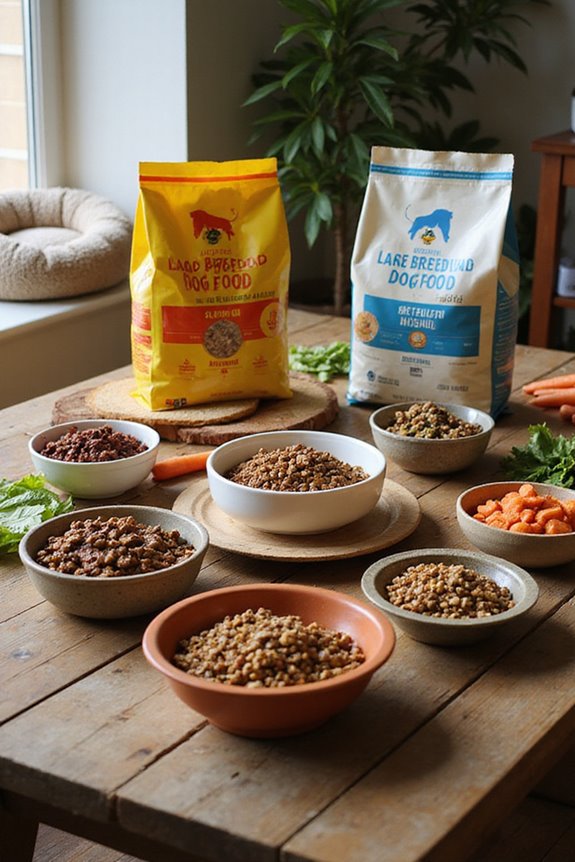
Dry, wet, fresh, and homemade diets can all be appropriate when they are complete and balanced for the right life stage. The best format is the one your dog can eat safely and that you can feed consistently.
Dry food
Dry food is convenient, easy to measure, and often less expensive per meal. It is also simple to store.
Dry food does not clean teeth by itself. Daily tooth brushing and veterinary dental care provide more reliable oral health support.
Wet food
Wet food can help increase water intake and may be useful for dogs with poor appetites or dental discomfort. It usually costs more per calorie and spoils more quickly after opening.
Check the label. Some canned foods are designed only for intermittent or supplemental feeding.
Fresh or refrigerated food
Fresh foods may be convenient, but “fresh” does not automatically mean nutritionally superior. Check the same AAFCO statement and company quality information that you would review for any other food.
Homemade diets
A homemade diet can meet a dog’s needs, but many recipes found online are incomplete or unbalanced. Large-breed puppies are especially vulnerable to mineral mistakes.
If you want to feed homemade food, work with a board-certified veterinary nutritionist. Do not add supplements based on guesswork.
How Much Food Should a Large Dog Eat?
The correct amount is the amount that maintains a healthy body condition. Feeding charts provide a starting point, but they cannot account for every dog’s metabolism.
Follow these steps:
- Find the recommended amount for your dog’s current weight.
- Confirm the food’s calories per cup or can.
- Measure every meal with a standard measuring cup or kitchen scale.
- Include treats, chews, table food, and toppers.
- Check body condition every two to four weeks.
- Adjust food gradually if weight changes.
Treats should not replace balanced meals. A common veterinary nutrition guideline is to keep treats and extras to about 10% or less of daily calories.
Body condition matters more than breed
A healthy dog should have:
- Ribs that are easy to feel
- A visible waist from above
- An abdominal tuck from the side
- Good muscle over the hips and shoulders
If you cannot feel the ribs without pressing firmly, the dog may be overweight. If the ribs, spine, or hip bones are sharply visible, the dog may be too thin.
Your veterinarian can assign a body condition score and help set a safe weight-loss plan.

When Should You Change Your Large Dog’s Food?
Change food when the current diet does not meet the dog’s life stage, causes ongoing digestive problems, provides too many calories, or no longer fits a medical need.
Make most food changes over about seven days:
- Days 1–2: 75% old food and 25% new food
- Days 3–4: 50% old food and 50% new food
- Days 5–6: 25% old food and 75% new food
- Day 7: 100% new food
Some dogs need a slower change. If vomiting, severe diarrhea, weakness, facial swelling, or breathing trouble occurs, stop the change and contact a veterinarian. Breathing trouble or collapse requires urgent care.
Do not change food repeatedly for mild symptoms without finding the cause. Parasites, infections, stress, treats, and medical disease can all cause digestive upset.
Common Mistakes to Avoid
Several feeding mistakes can harm large dogs even when the food itself is suitable.
Feeding too much
Overfeeding is one of the most common problems. A large dog can gain weight slowly, and owners may not notice until movement becomes harder.
Adding calcium to puppy food
A complete large-breed puppy food already contains planned mineral levels. Extra calcium can upset that balance.
Choosing food by the ingredient list alone
Ingredients do not show the full nutrient profile, digestibility, manufacturing controls, or feeding results.
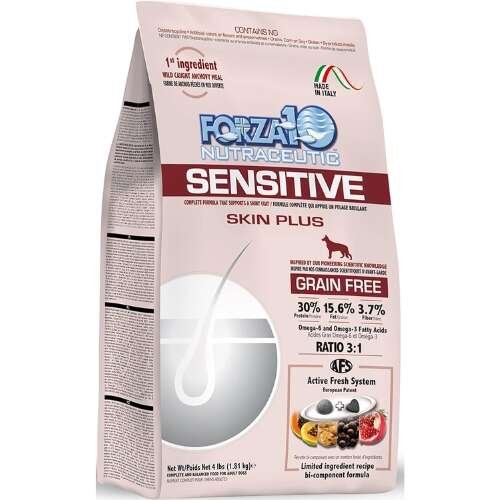
Assuming grain-free is healthier
Grain-free food is not automatically safer or better. The U.S. Food and Drug Administration investigated reports of canine dilated cardiomyopathy associated with some diets, including diets high in peas, lentils, other pulses, and potatoes. The FDA has stated that the investigation did not establish a simple cause-and-effect relationship for every diet or dog.
Ask your veterinarian before choosing a grain-free diet, especially if there is no diagnosed reason to avoid a specific ingredient.
Using supplements without guidance
Joint, vitamin, mineral, and herbal supplements may interact with medication or add unnecessary nutrients. Use them only with professional advice.

When Should a Veterinarian Choose the Food?
A veterinarian should help choose the diet when a large dog has a medical condition or persistent symptoms.
Seek veterinary advice for:
- Repeated vomiting or diarrhea
- Weight loss or sudden weight gain
- Chronic itching or ear infections
- Limping or trouble getting up
- Excessive thirst or urination
- Poor appetite
- A heart, kidney, liver, or intestinal condition
- Suspected food allergy
- A puppy with unusual growth or pain
A prescription diet may help in some cases, but it should be selected for a specific diagnosis. Do not use a therapeutic diet as a general upgrade.
Quick Decision Guide
| Dog’s situation | Best starting choice |
|---|---|
| Large-breed puppy | Complete food labeled for growth of large-size dogs |
| Healthy adult large dog | Complete adult-maintenance food with suitable calories |
| Overweight adult | Calorie-controlled plan made with veterinary guidance |
| Senior large dog | Adult or senior formula based on body condition and health |
| Dog with joint pain | Veterinary exam plus an appropriate complete diet |
| Dog with suspected allergy | Veterinary elimination diet, not random food changes |
| Homemade diet | Recipe made or checked by a veterinary nutritionist |
The key decision is not whether a food sounds premium. It is whether the food is complete, balanced, appropriate for the dog’s life stage, and fed in the right amount.
FAQs
Is grain-free food good for large-breed dogs?
Grain-free food is not automatically better. Many dogs can digest grains well. Use a grain-free diet only when it serves a clear veterinary or dietary purpose.
Should large dogs eat food with glucosamine?
Glucosamine may be included in a joint-support formula, but its presence does not prove that the food will prevent arthritis. Healthy weight, exercise, and veterinary care matter more.
Can large-breed puppies eat regular puppy food?
They can, but a food labeled specifically for growth of large-size dogs is usually the safer choice for a large-breed puppy. Regular puppy foods may not provide the same growth-focused nutrient design.
Is wet food better than dry food for large dogs?
Neither is always better. Both can work if the food is complete and balanced. Wet food may help with water intake, while dry food is often easier to measure and store.
How do I know if my large dog is eating too much?
Check the dog’s body condition and weight trend. You should be able to feel the ribs without a thick fat layer, and the dog should have a visible waist. Ask your veterinarian to confirm the ideal body condition.
Conclusion
A good dog food for a large breed is complete and balanced for the dog’s life stage, provides controlled calories, and supports a healthy body condition. For puppies, choose a formula labeled for growth of large-size dogs and avoid adding calcium. For adults, focus on calorie control, digestibility, and the dog’s individual health needs.
Start by checking the AAFCO statement and calorie content. Measure meals, limit extras, monitor body shape, and speak with your veterinarian when symptoms or medical conditions affect the choice.

Pet Care Writer & Researcher
Daniel writes practical guides on daily care, feeding, and safety, turning complex topics into simple, actionable advice.