What’s A Good Quality Dog Food: Best Guide For Healthy Dogs
What’s a good quality dog food? Learn how to read labels, choose healthy ingredients, and find the best nutrition for your dog’s needs.
A good quality dog food provides complete, balanced nutrition with safe ingredients suited to your dog’s age, size, and health.
Choosing what’s a good quality dog food can feel harder than it should. Bright labels, trendy ingredients, and bold health claims often distract from the facts that matter most. This guide explains how to read a dog food label, assess nutrition, avoid common mistakes, and choose a diet that supports your dog for years.
What makes a good quality dog food?
What’s a good quality dog food? It is a food that is complete and balanced for your dog’s life stage, made by a trustworthy company, and appropriate for your dog’s health needs. It should provide the right levels of protein, fat, vitamins, and minerals without relying on vague promises.
In the United States, look for a nutritional adequacy statement from the Association of American Feed Control Officials, often called AAFCO. This statement should say the food is complete and balanced for growth, maintenance, all life stages, or another specific use.
A good food should also be:
• Made in a facility with strong quality control
• Supported by clear feeding directions
• Labeled with real contact information
• Appropriate for your dog’s age, size, and activity level
• Formulated with essential nutrients in safe amounts
• Produced by a company willing to answer questions about testing and formulation
The ingredient list matters, but it should not be the only thing you use. Ingredients are listed by weight before cooking, so foods with fresh meat may appear higher on the list because meat contains a lot of water.
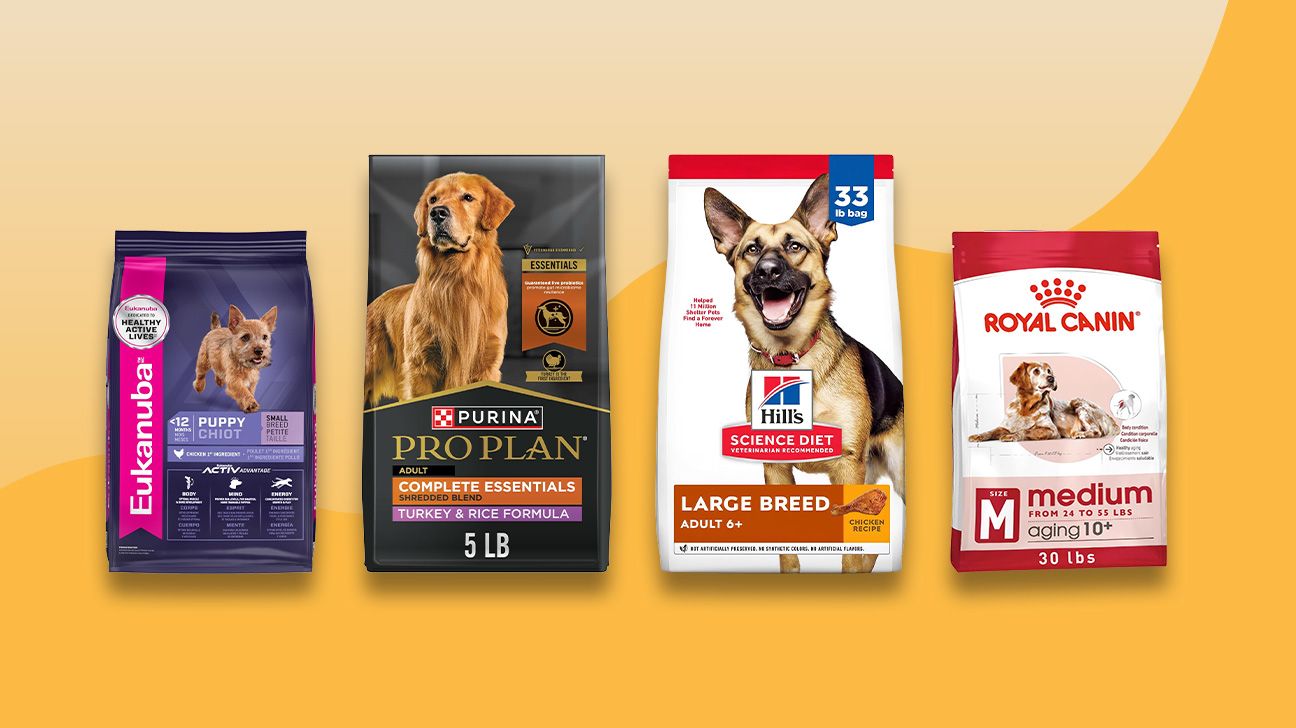
How to read a dog food label
Reading a dog food label is like reading a nutrition label for yourself. The front of the bag gives marketing details, while the guaranteed analysis and nutritional adequacy statement provide more useful information.
Start with these parts:
The nutritional adequacy statement
This is one of the most important lines on the package. It tells you whether the food meets recognized nutrient standards.
Look for wording such as:
• “Complete and balanced for adult maintenance”
• “Complete and balanced for growth”
• “Complete and balanced for all life stages”
A puppy needs a different nutrient balance than an adult dog. Large-breed puppies also need careful calcium and calorie control because rapid growth can harm developing bones and joints.
The guaranteed analysis
The guaranteed analysis lists minimum or maximum levels of key nutrients. It usually includes crude protein, crude fat, crude fiber, and moisture.
These numbers can help you compare foods, but they do not show the full nutritional picture. For example, a food with higher protein is not automatically better if the protein is poorly balanced or unsuitable for a dog with kidney disease.
The ingredient list
Ingredients are listed from greatest to least weight before processing. Look for clear ingredient names and a formula that contains suitable sources of protein, fat, carbohydrates, vitamins, and minerals.
Do not assume that an ingredient near the end has no value. Vitamins and minerals are needed in small amounts, so they naturally appear lower on the list.
:strip_icc()/sps-tier-3-primary-best-dog-foods-ahuang-019-a2d580d08b3448919fb068d26edfc8e8.jpeg)
Protein, fat, and carbohydrates in dog food
A good quality dog food should provide the right balance of macronutrients. These include protein, fat, and carbohydrates.
Protein
Protein supports muscles, skin, hair, organs, enzymes, and immune function. Dogs need specific amino acids, not just a high number on the protein panel.
Common protein sources include:
• Chicken
• Turkey
• Beef
• Fish
• Lamb
• Eggs
• Soy
• Peas and other plant proteins
Animal protein can be highly digestible, but plant ingredients can also contribute useful nutrients. The best choice depends on the whole formula, your dog’s digestion, and any medical needs.
Fat
Fat supplies concentrated energy and helps the body absorb vitamins A, D, E, and K. It also supports healthy skin, a soft coat, and normal brain function.
Too much fat can cause weight gain or digestive upset. Dogs with a history of pancreatitis may need a low-fat diet chosen with veterinary guidance.
Carbohydrates
Dogs can digest cooked carbohydrates. Ingredients such as rice, oats, barley, potatoes, and sweet potatoes can provide energy and fiber.
Carbohydrates are not automatically fillers. Fiber can support stool quality and gut health, while controlled carbohydrate levels can help provide steady energy.
The right balance depends on your dog’s age, body condition, activity, and health. A working dog may need more calories than a couch-loving senior dog, even if they weigh the same.
Are expensive ingredients always better?
Price is not a perfect measure of food quality. A costly food may contain useful ingredients, but a lower-cost food can also meet strong nutrition standards.
Some labels use words such as “premium,” “natural,” “holistic,” or “human-grade.” These terms may sound impressive, but they do not always prove that the food is nutritionally superior.
Instead, ask:
• Does the food meet AAFCO nutrient standards?
• Does the company employ qualified nutrition experts?
• Does it test finished products for nutrient levels and safety?
• Does it have a clear recall and quality-control process?
• Is the diet suitable for my dog’s life stage?
• Does my dog maintain a healthy weight and firm stools on it?
A food can contain expensive meats and still be poorly balanced. Think of dog food like a team sport: every nutrient has a role, and one impressive ingredient cannot make up for missing players.
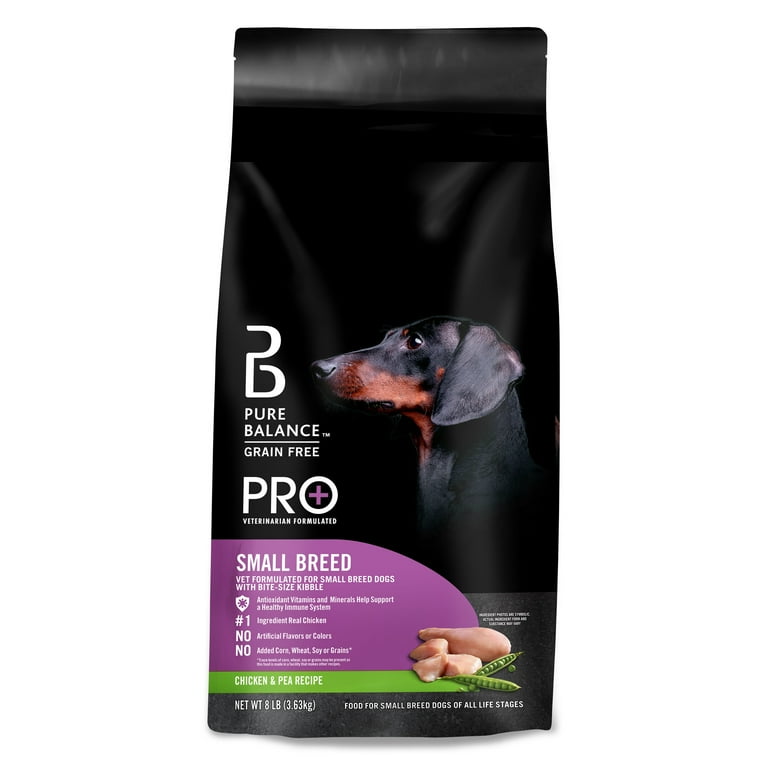
Dry food, wet food, fresh food, or raw food?
What’s a good quality dog food may look different from one dog to another. Dry, wet, fresh, and raw diets can all have advantages and limits.
Dry dog food
Dry food is convenient, affordable, and easy to measure. It can also be stored for a long time after opening when kept in a cool, dry place.
However, dry food contains less water than canned food. Dogs that drink very little may benefit from added moisture in their diet.
Wet dog food
Canned food usually contains more water and may be easier for some dogs to eat. It can help increase fluid intake and may appeal to picky eaters.
Once opened, wet food must be refrigerated and used within the time listed on the package. It is also more expensive per calorie in many cases.
Fresh or refrigerated food
Fresh diets may use gently cooked ingredients and can be appealing to owners who want less processed food. Their quality depends on proper formulation, storage, handling, and calorie control.
A fresh food is not automatically complete and balanced. Check the same adequacy statement you would look for on any other diet.
Raw food
Raw diets carry risks from harmful bacteria, including Salmonella and Listeria. These bacteria can affect dogs and people, especially children, older adults, pregnant people, and those with weak immune systems.
Some raw diets also lack balanced calcium, vitamins, or other nutrients. If you are considering raw feeding, discuss it with a veterinarian or a board-certified veterinary nutritionist first.
How your dog’s life stage changes the best food
What’s a good quality dog food for a puppy may not be right for a senior dog. Nutrient needs change throughout life.
Puppies
Puppies need enough calories, protein, fat, and minerals to support growth. Large-breed puppies need diets labeled for large-breed growth or all life stages with suitable feeding guidance.
Avoid adding calcium or vitamin supplements unless your veterinarian recommends them. Extra nutrients can upset the balance of a complete puppy diet.
Adult dogs
Adult dogs need food that supports a stable weight and healthy body condition. The correct serving size depends on calories, exercise, metabolism, and treats.
Check your dog’s shape every few weeks. You should be able to feel the ribs under a thin layer of fat, and your dog should have a visible waist when viewed from above.
Senior dogs
Older dogs may need fewer calories because they are less active. Some may benefit from changes in protein, fat, fiber, or joint-support nutrients.
There is no single senior diet for every dog. A healthy senior dog and a senior dog with kidney disease have very different nutritional needs.
:strip_icc()/Spruce-best-dog-food-at-walmart-4173197-a02410eb5618412b8495e0eaba6420a8.jpg)
How to choose food for allergies and medical needs
Food allergies are less common than many owners think. Itching can also come from fleas, environmental allergies, skin infections, or other conditions.
If a food allergy is suspected, a veterinarian may recommend a strict elimination diet. This usually involves feeding a hydrolyzed or carefully selected novel-protein diet for a set period, with no unapproved treats or table scraps.
Medical diets may help dogs with:
• Kidney disease
• Diabetes
• Urinary crystals
• Digestive disorders
• Food allergies
• Obesity
• Pancreatitis
These diets should be used with professional guidance. Changing food alone cannot diagnose or treat a serious condition, and homemade substitutions may create nutrient deficiencies.
One lesson I have seen repeatedly is that constant food switching can make the picture harder to understand. When a dog has vomiting, diarrhea, or itching, changing foods every few days may hide the real cause.
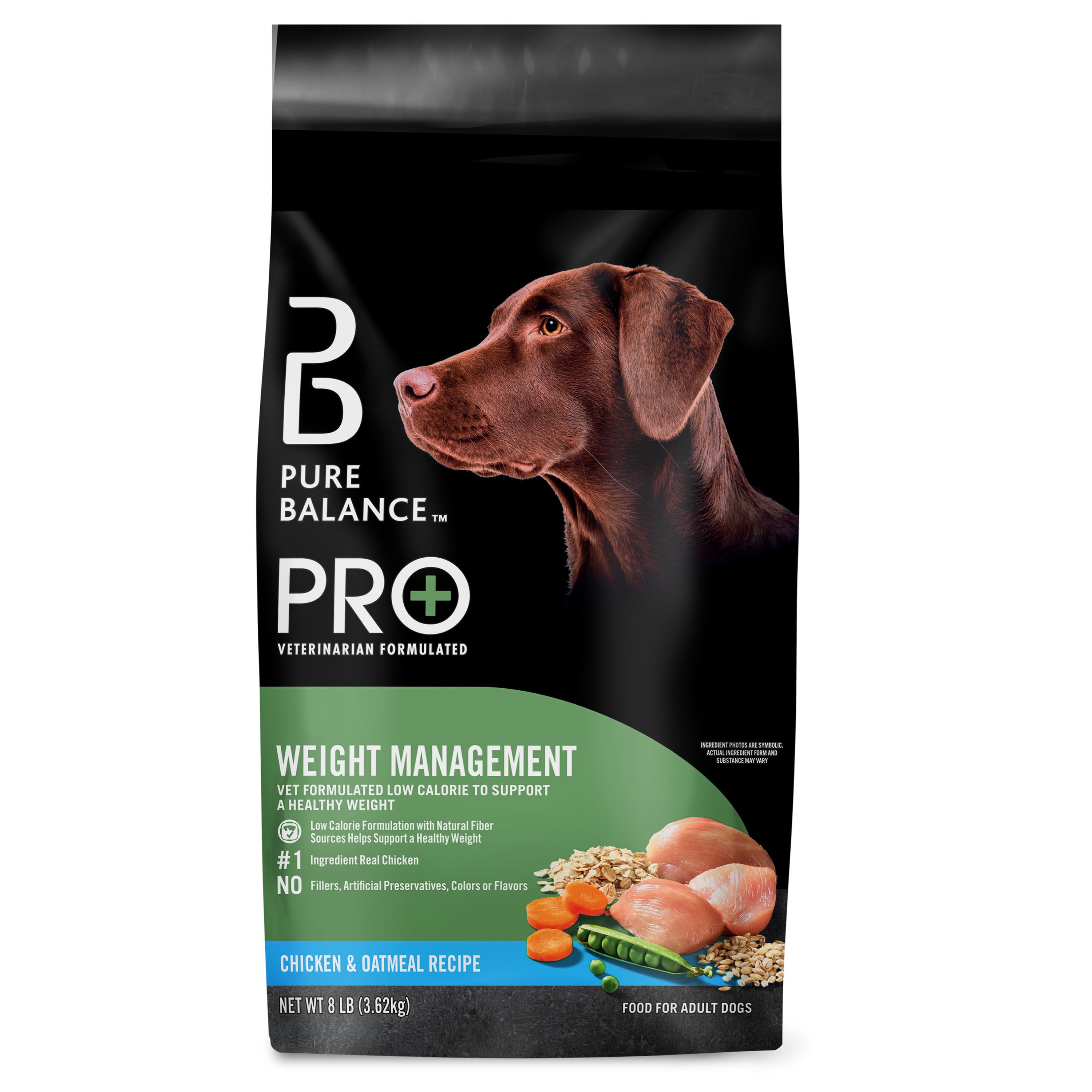
Common mistakes when buying dog food
Even careful owners can make simple mistakes. The most common problem is focusing on marketing instead of nutrition.
Avoid these errors:
• Choosing food only because the ingredient list sounds appealing
• Assuming grain-free means healthier
• Feeding the same portion to every dog of the same weight
• Ignoring treats and table food when counting calories
• Adding supplements to an already complete diet
• Making a sudden food change
• Buying food that is not complete and balanced as the main diet
Grain-free food is not automatically better. Unless your veterinarian identifies a specific need, grains such as rice, corn, wheat, and oats can be safe and useful ingredients.
The FDA has also investigated reports of diet-associated dilated cardiomyopathy in dogs, including cases involving some diets with high amounts of peas, lentils, other legumes, or potatoes. The issue is complex and does not prove that one ingredient alone causes disease. Discuss diet choices with your veterinarian, especially if your dog has heart concerns.
How to change your dog’s food safely
A slow transition can reduce vomiting, diarrhea, and refusal to eat. Most dogs do well with a gradual change over about seven days.
-
Feed about 75% old food and 25% new food for two days.
-
Feed about 50% old food and 50% new food for two days.
-
Feed about 25% old food and 75% new food for two days.
-
Feed only the new food on the final day.
Sensitive dogs may need a slower transition over 10 to 14 days. If your dog develops repeated vomiting, severe diarrhea, weakness, facial swelling, or trouble breathing, contact a veterinarian promptly.
Measure meals with a standard measuring cup or kitchen scale. Free-feeding can lead to excess weight, especially when food is calorie dense.
:strip_icc()/best-dog-food-for-older-dogs-4579808-39040096ef9640df95cb3fcd1ba6aff6.jpg)
How much dog food should you feed?
The feeding chart on the package is a starting point, not a strict rule. Dogs of the same weight may need very different amounts because of age, exercise, breed, metabolism, and health.
To manage portions:
• Start with the package recommendation
• Count treats as part of daily calories
• Use a body condition score to check weight
• Adjust portions slowly when weight changes
• Recheck your dog’s weight every two to four weeks
Treats should usually provide no more than about 10% of daily calories. Small pieces of a dog’s regular food can work well as training rewards.
Fresh water should always be available. Increased thirst, increased urination, sudden weight loss, or major appetite changes deserve veterinary attention.
What I look for when comparing dog foods
When comparing what’s a good quality dog food, I use a simple process rather than judging the bag by its front label.
First, I check the adequacy statement and life-stage rating. Next, I review calories per cup or can, because portion size means little without calorie information. Then I look at the company’s nutrition team, manufacturing standards, testing process, and recall history.
I also watch the dog, not just the package. Shiny eyes, healthy skin, firm stools, steady energy, and a stable body condition tell me more than a fashionable ingredient claim.
One mistake I often see is switching to a new food because a dog has one soft stool. A single mild change may come from stress, treats, or a scavenged snack. Persistent signs, however, need a veterinary check rather than endless food experiments.
Frequently asked questions about what's a good quality dog food
What is the healthiest dog food?
The healthiest dog food is a complete and balanced diet that fits your dog’s age, size, activity, and health needs. It should come from a company with reliable quality control and clear nutrition information.
Is grain-free dog food better for dogs?
Grain-free dog food is not automatically better. Most dogs can digest properly cooked grains, and grain-free diets may still contain other carbohydrate sources such as peas, lentils, or potatoes.
Should the first ingredient be meat?
A named meat or meat meal can be a useful protein source, but the first ingredient alone does not prove that a food is complete or superior. Review the entire formula, adequacy statement, calorie content, and company standards.
Is wet food better than dry food?
Neither is always better. Wet food provides more moisture and may suit picky or older dogs, while dry food is convenient and often less costly; the best choice is the complete diet your dog tolerates well.
Can dogs eat the same food at every age?
Not always. Puppies, adults, seniors, pregnant dogs, and dogs with medical conditions may need different nutrient levels, so choose food labeled for the correct life stage.
How often should I change my dog’s food?
You do not need to change a complete diet if your dog is healthy, maintains a good weight, and has normal stools. Change food gradually when there is a clear reason, such as a life-stage change, medical recommendation, or poor tolerance.
Are homemade diets safe for dogs?
Homemade diets can be safe only when carefully formulated to meet all nutrient needs. Recipes from the internet may lack calcium, vitamins, minerals, or essential fatty acids, so ask a veterinary nutrition professional for guidance.
Conclusion
What’s a good quality dog food is not decided by a flashy package or one celebrated ingredient. Look for a complete and balanced formula, suitable calories, trusted manufacturing, clear labeling, and a good match for your dog’s age and health.
Start by checking the adequacy statement, measuring portions, limiting treats, and watching your dog’s body condition. If your dog has allergies, digestive problems, heart disease, or another medical issue, involve your veterinarian before making a major diet change.
Use these steps to make your next food choice with confidence, and explore trusted veterinary nutrition resources or share your questions with your veterinarian.

Pet Care Writer & Researcher
Daniel writes practical guides on daily care, feeding, and safety, turning complex topics into simple, actionable advice.