Do Dogs Like To Cuddle In Bed: What It Means
Do dogs like to cuddle in bed? Learn why dogs seek bedtime snuggles, what it means, and how to create a cozy sleep routine.
Yes, many dogs like to cuddle in bed because warmth, comfort, and closeness help them feel safe.
Do dogs like to cuddle in bed? Often, yes—but every dog has its own comfort zone. Breed, age, health, past experiences, room temperature, and your dog’s body language all shape the answer. This guide explains how to tell whether your dog enjoys bed cuddles, when sharing a bed is safe, and how to create a calm sleep routine.
Why Do Dogs Like to Cuddle in Bed?
Dogs are social animals. Many enjoy sleeping close to their people because contact offers warmth, safety, and companionship. A bed also smells like you, which can help your dog relax.
For some dogs, cuddling is a natural way to build trust. Puppies sleep in groups, often pressed against their mother and littermates. Adult dogs may carry this comfort into family life.
Dogs may also cuddle in bed for simple physical reasons:
• Your body gives off heat.
• The mattress feels soft and secure.
• Your scent is familiar.
• Your presence can reduce stress.
• Close contact may become part of a trusted bedtime routine.
Still, not every dog wants a full-body cuddle. Some dogs prefer lying at your feet or beside your legs. Others may sleep near you but dislike being held. Do dogs like to cuddle in bed? The best answer comes from watching the individual dog, not assuming all dogs feel the same way.

How to Tell If Your Dog Enjoys Bed Cuddles
Your dog’s body language gives the clearest answer. A relaxed dog usually has loose muscles and calm movements. If your dog chooses to stay close, that is often a good sign.
Look for these signs:
• Your dog climbs into bed without being called.
• Your dog leans against you or rests its head on you.
• The body looks loose, soft, and relaxed.
• Your dog sighs, settles, or falls asleep near you.
• Your dog returns after briefly leaving the bed.
• The ears stay in a natural position.
• Your dog accepts gentle petting without turning away.
A dog that enjoys cuddling may also nudge your hand for more attention. Some dogs place one paw on you or sleep with their back against your body. These small actions can show trust.
However, watch for signs that your dog needs space:
• Turning the head away
• Lip licking when no food is present
• Yawning outside normal sleepiness
• Stiff muscles
• Tucked tail
• Flattened ears
• Repeatedly moving away
• Growling or snapping
A growl is a warning, not bad behavior. It means your dog feels uncomfortable. Stop touching the dog, give it room, and consider why the contact caused stress. Do dogs like to cuddle in bed when they show these signs? No. Respecting that answer helps protect your bond.

Do Dogs Like to Cuddle in Bed at Night?
Many dogs enjoy nighttime cuddles because the house is quiet and the routine feels predictable. A calm bedtime can help a dog settle after a busy day.
Some dogs sleep better when they know where their person is. This may be especially true for newly adopted dogs, anxious dogs, or dogs adjusting to a new home. Your presence can act like a steady anchor.
Yet nighttime cuddling can also create problems. A dog may wake you by moving, licking, scratching, snoring, or guarding the bed. Some dogs become restless when they are too warm.
The answer can change from night to night. Your dog may want close contact on a cold evening but choose the floor during warm weather. Older dogs may prefer a firm bed because jumping onto a soft mattress causes pain.
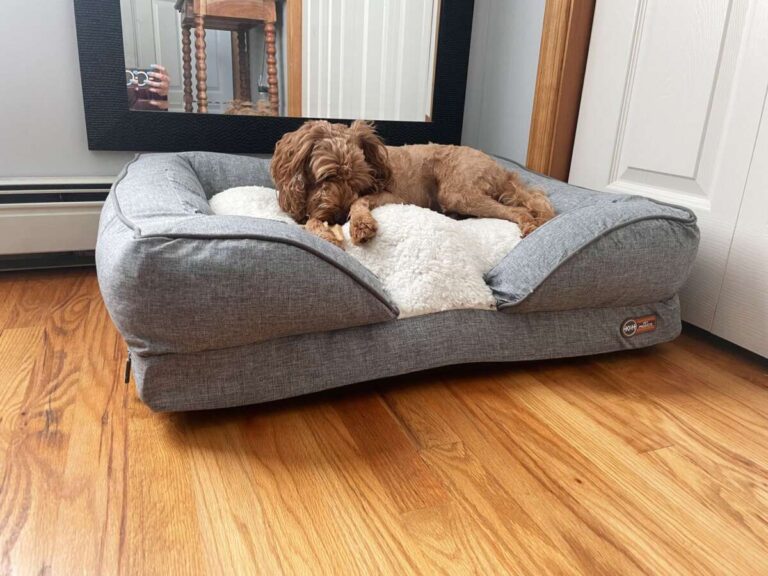
A useful approach is to offer choice. Place a comfortable dog bed beside your bed. Let your dog decide whether to sleep beside you, at your feet, or on its own bed.

Benefits of Letting Your Dog Sleep in Your Bed
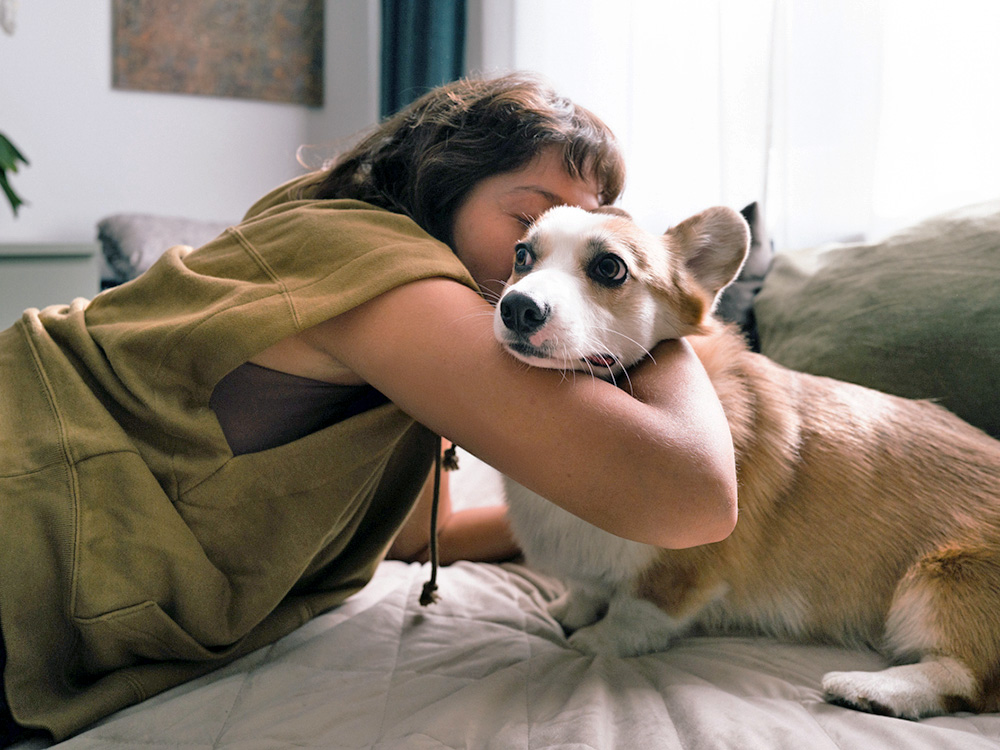
Sharing a bed can support the human-dog bond. Gentle contact may help both of you feel connected after a long day. Many owners describe bedtime as a peaceful moment of shared trust.
Potential benefits include:
• More closeness and affection
• A stronger bedtime routine
• Comfort for some anxious dogs
• Extra warmth in cold weather
• Easier monitoring of a sick or aging dog
• A sense of companionship for people who live alone
Some research has found that interaction with companion animals may support lower stress and improved mood. These effects vary by person and situation. Sleeping with a dog is not a treatment for anxiety, depression, or insomnia, but it can be comforting for many households.
Cuddling may also help you notice health changes. You might spot a new lump, sore area, unusual odor, or change in breathing while your dog rests near you. Early attention can make veterinary care more effective.
Do dogs like to cuddle in bed because they understand this emotional benefit? Dogs do not think about bonding in human terms, but they often learn that close contact feels safe and rewarding.
Risks of Sleeping With a Dog
Bed sharing is not right for every household. The main concern is not cuddling itself. The concern is whether the sleeping setup is safe and healthy for both of you.
Possible problems include:
• Fleas, ticks, or intestinal parasites
• Allergies and asthma symptoms
• Dirt, dander, and outdoor bacteria
• Sleep disruption
• Resource guarding
• Accidental falls
• Scratches from sudden movement
• Injury to a small dog
• Overheating
• Difficulty setting boundaries
Dogs can carry germs even when they look healthy. Regular veterinary visits, parasite prevention, grooming, and clean bedding reduce risk. People with weak immune systems, severe allergies, or certain medical conditions should ask a health professional about bed sharing.
Young children should not share a bed with a dog without close adult supervision. A sleeping child may pull a tail, hug tightly, or move suddenly. Even a gentle dog can react when startled.
A dog that guards the bed needs special care. Signs include freezing, hard staring, growling, or snapping when someone approaches. Do not punish the warning. Keep the dog off the bed for now and work with a qualified veterinary behavior professional.

When Should Dogs Not Sleep in Your Bed?
Some dogs are better suited to their own sleeping space. This is especially true when bed sharing causes stress, poor sleep, or unsafe behavior.
Avoid bed sharing, or pause it, when:
• Your dog guards the mattress or blankets.
• Your dog bites, snaps, or becomes stiff when moved.
• Your dog has a contagious illness or active parasites.
• Your dog has accidents during the night.
• Your dog cannot safely climb on or off the bed.
• Your sleep is regularly disturbed.
• Someone in the home has serious allergies.
• The dog becomes distressed when separated from you.
That last point matters. If your dog cannot relax unless it touches you, the issue may be separation distress rather than a simple love of cuddling. A trainer or veterinary behaviorist can help build calm independence.
Older dogs may need a ramp or stairs. Small breeds can suffer serious injuries from jumping off a tall bed. A floor-level orthopedic bed may provide better support.
Do dogs like to cuddle in bed if they have pain? Some do, but pain can make a dog less tolerant of touch. If your dog suddenly stops cuddling, cries when moved, or changes sleeping positions, schedule a veterinary check.

How to Make Bed Cuddling Safer
If you decide to let your dog sleep in your bed, use simple safety rules. The goal is to make cuddling calm, clean, and optional.
-
Keep your dog’s vaccines and parasite prevention current.
-
Wash bedding often, especially after muddy walks.
-
Check the coat for ticks after outdoor activity.
-
Use a washable blanket over the main bedding.
-
Provide steps or a ramp for small, old, or fragile dogs.
-
Keep the room cool enough for both of you.
-
Teach your dog to get on and off the bed on cue.
-
Reward calm behavior instead of rough play.
-
Give your dog a separate bed nearby.
-
Never force a dog to cuddle.
Teaching an “off” cue is helpful. Say “off” in a calm voice, guide your dog toward the floor, and reward it on its own bed. Practice when no one is tired or frustrated.
A separate dog bed does not weaken your relationship. Think of it as giving your dog another room in the same home. Choice often makes cuddling more enjoyable because neither of you feels trapped.

How to Encourage a Dog That Does Not Cuddle
Not all affectionate dogs enjoy being held. Some show love by following you, bringing toys, or resting in the same room. Do not measure your bond only by physical contact.
To build comfort:
• Sit quietly near your dog.
• Let your dog approach first.
• Offer gentle strokes on the chest or shoulder.
• Avoid reaching over the head.
• Stop before your dog shows stress.
• Pair calm touch with praise or a small treat.
• Keep sessions brief.
Never pin a dog down or pull it into your arms. A hug can feel threatening to some dogs because it limits escape. A dog may love you deeply and still dislike hugs.
Watch what your dog chooses. If it leans in, continue softly. If it moves away, let it go. Trust grows when your dog learns that you listen.
In everyday homes, the best results usually come from low-pressure contact. A dog may begin by sleeping across the room, then move closer over time. Patience works better than persuasion.
Does Breed Affect Whether Dogs Like to Cuddle?
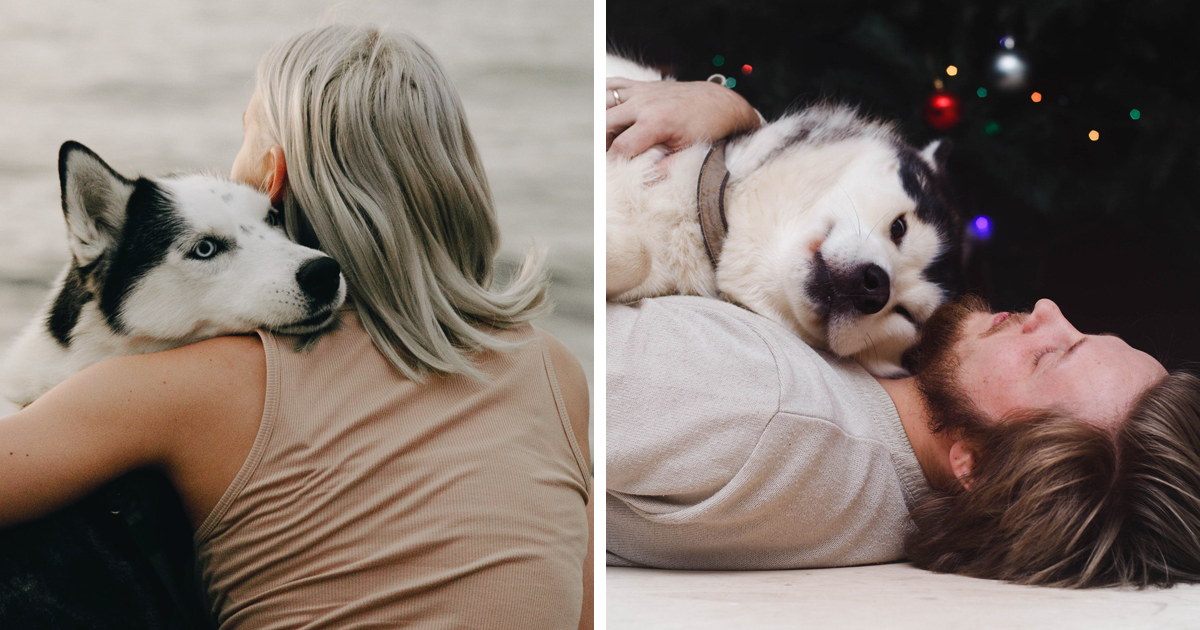
Breed can influence common behavior, but it cannot predict one dog’s personality. Some companion breeds were developed to stay close to people. Other breeds may prefer more personal space or independent sleep.
Factors that often matter more than breed include:
• Early socialization
• Past treatment by people
• Age
• Health
• Temperament
• Household routine
• Temperature
• Previous sleep habits
A Labrador Retriever may love a full-body cuddle, while another Labrador may prefer the floor. A Chihuahua may seek warmth under the blankets, while another may dislike being covered.
Breed descriptions can offer clues, not rules. Treat your dog as an individual. Do dogs like to cuddle in bed because of breed alone? No. Genetics may shape tendencies, but personal experience and body language matter more.

A Simple Bedtime Routine for Dogs
A steady routine can help your dog settle without demanding cuddles. Dogs often feel safer when events happen in a familiar order.
Try this routine:
-
Take your dog outside for a bathroom break.
-
Offer a small drink of water.
-
Check paws and coat after outdoor time.
-
Lower the lights and reduce loud sounds.
-
Invite your dog to its bed or your bed.
-
Give calm praise for settling.
-
Keep play and excitement for earlier in the evening.
If your dog wakes often, track the pattern. Note the time, sounds, food, water, bathroom needs, and behavior. This record can help a veterinarian identify pain, digestive trouble, anxiety, or age-related changes.
A sudden change in sleep behavior deserves attention. A dog that becomes unusually clingy, restless, or distant may be trying to tell you something.
Frequently Asked Questions About Do Dogs Like to Cuddle in Bed
Do all dogs like to cuddle in bed?
No, dogs have different personalities and comfort needs. Some love close contact, while others prefer sleeping nearby without being touched.
Why does my dog suddenly want to cuddle in bed?
Your dog may seek warmth, comfort, attention, or reassurance. Sudden clinginess can also signal pain, illness, anxiety, or a change at home, so watch for other symptoms and contact a veterinarian if needed.
Is it healthy to let my dog sleep in my bed?
For many healthy households, it can be fine when the dog is clean, parasite-free, and calm. It may be unsuitable for people with allergies, weak immune systems, poor sleep, or dogs that guard the bed.
Why does my dog cuddle and then move away?
Your dog may become too warm, need more space, or feel uncomfortable in one position. Moving away does not mean your dog dislikes you; it often means the dog is managing its comfort.
Should I force my dog to cuddle?
No. Forced cuddling can create fear and may lead to defensive behavior. Let your dog choose contact and stop when you see signs of stress.
Do dogs like sleeping under the blankets?
Some dogs enjoy the warmth and enclosed feeling, but others may feel trapped or overheated. Always make sure your dog can leave easily and has enough air.
Why does my dog sleep at my feet instead of beside me?
Sleeping at your feet still shows that your dog wants to be near you. This position gives companionship while allowing more space and a cooler sleeping area.
Conclusion
Do dogs like to cuddle in bed? Many do, especially when cuddling provides warmth, safety, and a familiar routine. But dogs differ, and their body language should guide your choices.
Offer your dog freedom, clean bedding, safe access, and a comfortable bed nearby. Watch for relaxed behavior, respect signs of stress, and speak with a veterinarian when sleep habits change suddenly. With patience and choice, bedtime can become a peaceful ritual that works for both of you. Share your dog’s favorite sleeping spot or explore more evidence-based dog care tips for a healthier, happier bond.

Pet Care Writer & Researcher
Daniel writes practical guides on daily care, feeding, and safety, turning complex topics into simple, actionable advice.