What Is The Best Most Nutritious Dog Food: Guide
What is the best most nutritious dog food? Compare healthy ingredients, expert tips, and smart choices to support your dog’s long-term wellness.
The best most nutritious dog food is complete, balanced, life-stage appropriate, and made with safe, high-quality ingredients.
Choosing the best most nutritious dog food is not about finding the most expensive bag or the trendiest ingredient. It means matching proven nutrition to your dog’s age, size, health, activity, and personal needs. This guide explains how to read labels, compare diets, avoid marketing traps, and choose food that supports a long, healthy life.
What Makes Dog Food Nutritious?
The best most nutritious dog food provides all essential nutrients in the right amounts. Dogs need more than protein and calories. They also need fats, vitamins, minerals, water, and specific amino acids for daily health.
A nutritious diet should support:
• Strong muscles and healthy organs
• A stable body weight
• Healthy skin and a shiny coat
• Good digestion and regular stools
• Strong bones and teeth
• Normal immune function
• Steady energy throughout the day
Think of dog food like a building. Protein forms much of the structure, but fats, minerals, vitamins, and water help keep the whole building safe and useful.
Complete and Balanced Nutrition
In the United States, look for an “AAFCO nutritional adequacy statement” on the package. This statement shows whether the food is complete and balanced for a specific life stage.
The label may say the food is suitable for:
• Growth and reproduction
• Adult maintenance
• All life stages
Puppies need different nutrient levels from adult dogs. Large-breed puppies also need careful calcium and calorie control because rapid growth can harm developing bones and joints.
A food labeled for “intermittent or supplemental feeding only” should not be your dog’s main diet unless your veterinarian recommends it.
Essential Nutrients for Dogs
The best most nutritious dog food should provide these key nutrients:
• Protein for muscles, enzymes, hormones, and tissue repair
• Fat for energy, brain health, skin, and coat quality
• Carbohydrates for energy and fiber
• Vitamins for immune health, vision, blood, and metabolism
• Minerals for bones, nerves, muscles, and fluid balance
• Water for nearly every process in the body
Protein quality matters, but the total balance matters more. A food with a very high protein number is not automatically better if it lacks the right amino acids or contains too many calories.
How to Choose the Best Most Nutritious Dog Food
Start with your dog, not the front of the package. A food that works well for a young Border Collie may not suit an older Pug or a dog with kidney disease.
Use this simple process when comparing diets.
1. Match the Food to Your Dog’s Life Stage
Puppies, adult dogs, and senior dogs have different nutritional needs.
Puppies usually need more calories and nutrients for growth. Adult dogs need enough energy to maintain healthy weight and muscle. Senior dogs may need fewer calories, more careful protein selection, or extra support for joints and digestion.
There is no universal “senior dog” formula that every older dog needs. Some senior dogs remain active and healthy on a standard adult maintenance diet. Ask your veterinarian before changing food based only on age.
2. Consider Breed Size and Activity
Small dogs often need calorie-dense food because they have fast metabolisms and small stomachs. Large dogs may benefit from food designed to control growth, joint stress, and calorie intake.
Activity also matters. A working dog or canine athlete may need more calories than a relaxed house pet. Overfeeding even the best most nutritious dog food can still lead to obesity.
3. Read the Nutrition Adequacy Statement
The ingredient list matters, but the nutritional adequacy statement is often more useful. It tells you whether the finished food meets recognized nutrient standards.
Look for wording that confirms the diet is complete and balanced for your dog’s life stage. If the statement is unclear, contact the manufacturer or choose another product with clearer information.
4. Check Calories Per Cup
Two foods can look similar but contain very different calorie levels. Check the label for kilocalories per cup, can, or gram.
Calorie information helps you:
• Prevent accidental overfeeding
• Adjust portions for activity
• Compare wet and dry foods
• Manage weight loss or weight gain
Treats should usually provide no more than about 10% of a dog’s daily calories. The remaining 90% should come from a complete and balanced diet.
5. Choose a Company With Strong Quality Control
A trustworthy dog food company should be able to explain:
• Who formulates its diets
• Where ingredients come from
• How finished products are tested
• Whether it performs feeding trials
• How it handles recalls and complaints
• Whether it follows good manufacturing practices
A company that offers clear answers earns more trust than one that relies only on emotional marketing.
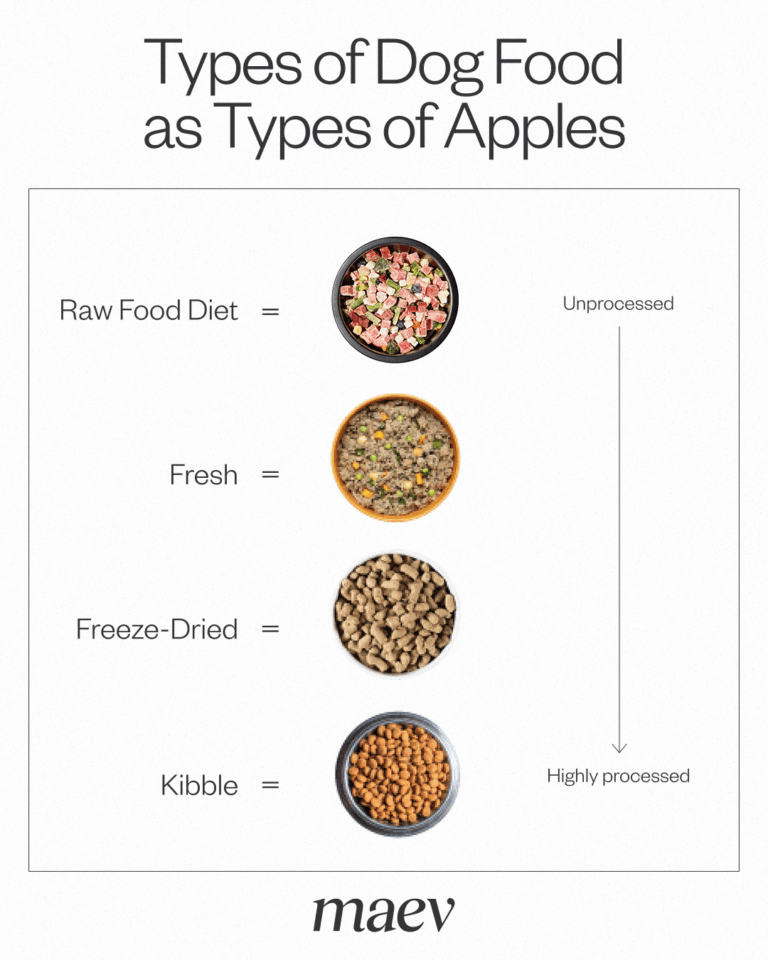
Dry Food, Wet Food, Fresh Food, or Raw Food?
The best most nutritious dog food can come in several forms. Each type has benefits and limits.
Dry Dog Food
Dry food is convenient, affordable, and easy to measure. It also stores well and can help some dogs maintain a regular feeding routine.
However, dry food contains less water than canned food. Some dogs may drink less than they need, especially during hot weather or illness. Dry kibble also does not replace brushing or professional dental care.
Wet Dog Food
Canned food contains much more moisture than kibble. This can help dogs that need extra water or prefer soft textures.
Wet food may be useful for older dogs with dental pain, dogs with poor appetites, and dogs on certain medical diets. It often costs more per calorie and spoils faster after opening.
Fresh or Gently Cooked Food
Fresh cooked diets can be nutritious when they are complete and balanced. Some dogs enjoy them, and owners may find the ingredients easier to understand.
The main risk is imbalance. Homemade or fresh food must contain the correct amounts of calcium, essential fatty acids, vitamins, and trace minerals. A recipe from social media is not enough. Use a veterinary nutritionist when preparing a long-term homemade diet.
Raw Dog Food
Raw diets are not proven to be healthier for every dog. They can carry harmful bacteria such as Salmonella, Listeria, and certain strains of E. coli. These germs can affect dogs and people in the home.
Raw bones can also break teeth, cause choking, or create intestinal blockages. Households with young children, older adults, pregnant people, or anyone with a weak immune system should be especially cautious.
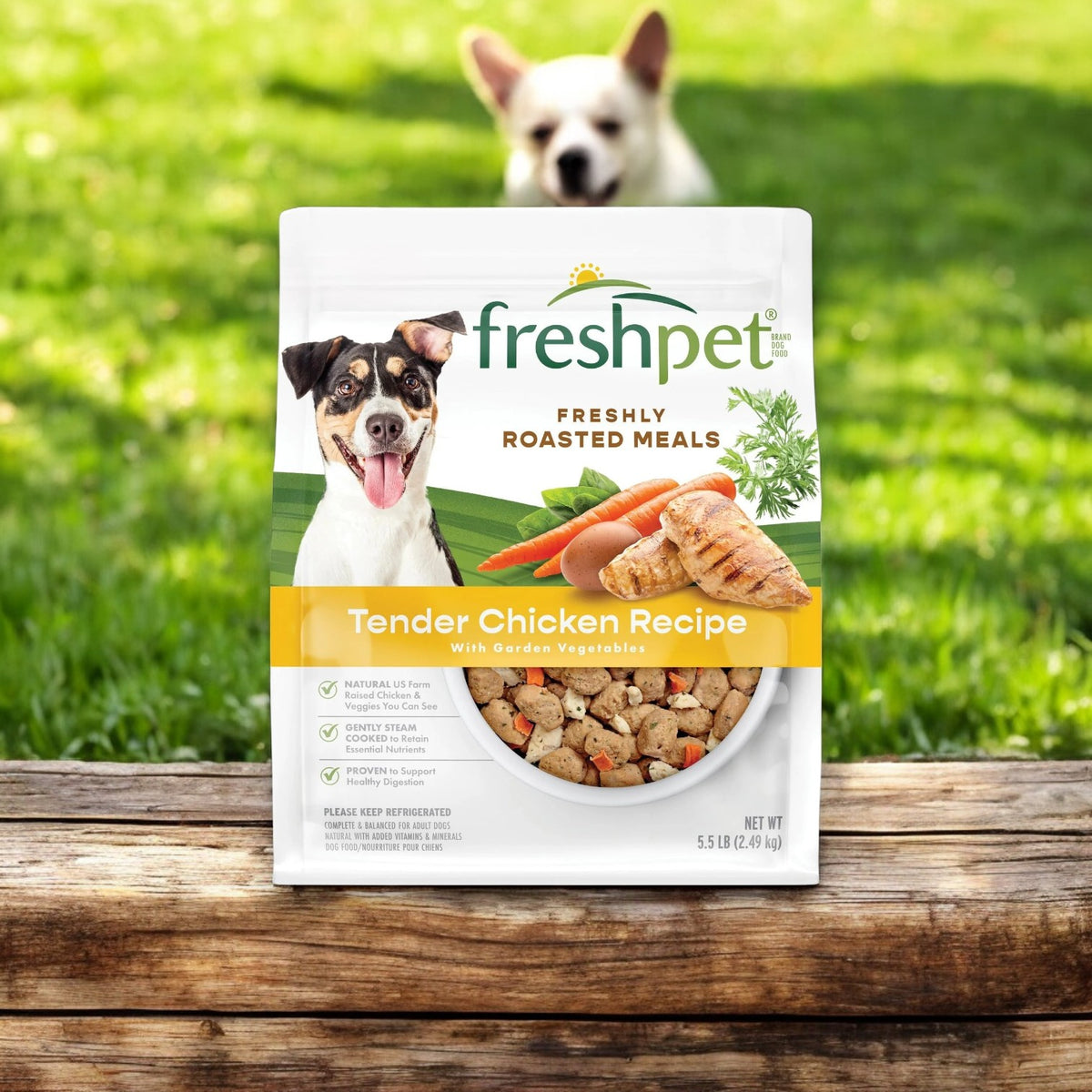
Understanding Dog Food Ingredients
Ingredient lists can help you understand a product, but they can also create confusion. Ingredients appear by weight before cooking, so meat ingredients that contain water may move lower after processing.
A long ingredient list does not mean a food is poor. A short list does not guarantee superior nutrition. Focus on the full formula, nutrient profile, safety record, and company expertise.
Protein Sources
Common protein sources include chicken, beef, turkey, lamb, fish, eggs, and plant proteins. Dogs can digest many different protein sources when the food is properly formulated.
Animal ingredients are not automatically better in every situation. For example, a dog with a confirmed food allergy may need a novel protein or hydrolyzed protein diet recommended by a veterinarian.
Carbohydrates and Grains
Dogs can digest cooked grains and other carbohydrates. Whole grains may provide energy, fiber, vitamins, and minerals.
Grain-free food is not automatically healthier. The U.S. Food and Drug Administration investigated reports of canine dilated cardiomyopathy involving some diets that contained high amounts of peas, lentils, chickpeas, or potatoes. The issue is complex, and a direct cause has not been proven in every case.
Do not remove grains unless your veterinarian identifies a medical reason.
By-Products
By-products are parts of an animal other than the main muscle meat. Some by-products, such as organ meats, can provide valuable nutrients.
The word “by-product” does not mean unsafe or low quality. What matters is the safety, digestibility, nutrient balance, and quality control of the finished diet.
Preservatives
Preservatives help prevent spoilage and protect fats from becoming rancid. Approved preservatives can be safe when used within regulated limits.
Natural does not always mean safer. Some natural ingredients can cause allergies, toxicity, or digestive upset. Judge the entire formula rather than one marketing term.

Signs Your Dog’s Food Is Working Well
The best most nutritious dog food should support visible signs of good health. No food can prevent every disease, but diet strongly affects daily well-being.
Look for:
• A stable, healthy body weight
• Firm but moist stools
• Regular bowel movements
• Normal energy
• Healthy skin
• A smooth, reasonably shiny coat
• Good appetite without constant hunger
• Strong muscles
• No repeated vomiting or diarrhea
Your dog’s body condition is more useful than the number on the scale alone. You should be able to feel the ribs under a thin layer of fat, see a waist from above, and notice an abdominal tuck from the side.
A dull coat or soft stool does not always mean the food is bad. Parasites, allergies, stress, infections, dental disease, and other medical problems can create similar signs.
When to Contact a Veterinarian
Speak with a veterinarian if your dog has:
• Ongoing vomiting or diarrhea
• Sudden weight loss or weight gain
• Excessive thirst or urination
• Severe itching or repeated ear infections
• Blood in the stool
• Refusal to eat
• Low energy
• Pain while chewing
• A major change in appetite
Food changes should not delay medical care. A dog that stops eating for more than a day, or sooner if very young or medically fragile, may need prompt attention.
Common Mistakes to Avoid
Even careful owners can make nutrition mistakes. Here are several problems I often see when people compare dog foods.
Choosing Food Because of the Front Label
Words such as “natural,” “premium,” “holistic,” and “human-grade” can sound impressive. They do not replace proof that the food is complete, balanced, safe, and appropriate for your dog.
Read the adequacy statement and feeding directions first. Then consider the ingredient list and company information.
Changing Food Too Quickly
A sudden switch can cause loose stool, gas, or vomiting. Change foods over about seven days unless your veterinarian gives different instructions.
A simple transition may look like this:
- Days 1 and 2: 25% new food and 75% old food
- Days 3 and 4: 50% new food and 50% old food
- Days 5 and 6: 75% new food and 25% old food
- Day 7: 100% new food
Sensitive dogs may need a slower transition.
Feeding Too Many Extras
Treats, table scraps, chews, toppers, and supplements add calories. They can also unbalance the diet or trigger allergies.
Use small treats during training and count them as part of the daily food plan. Avoid foods that are toxic to dogs, including chocolate, grapes, raisins, onions, garlic, xylitol, alcohol, and macadamia nuts.
Adding Supplements Without Advice
Most healthy dogs eating a complete and balanced diet do not need extra vitamins. Too much vitamin D, calcium, selenium, or other nutrients can cause harm.
Fish oil, joint supplements, and probiotics may help some dogs, but product quality varies. Ask your veterinarian about the dose and possible drug interactions.
Assuming Expensive Means Better
Price can reflect ingredients, research, packaging, or marketing. It does not guarantee that a food is right for your dog.
The best most nutritious dog food is the one that meets your dog’s needs, maintains healthy body condition, supports good digestion, and fits your budget well enough to buy consistently.

How Much Should You Feed?
Feeding charts are starting points, not exact rules. Dogs of the same weight can need very different calorie amounts.
Begin with the package recommendation, then monitor body condition for two to four weeks. Reduce or increase portions gradually based on your dog’s weight, energy, stool quality, and veterinarian’s advice.
Measure food with a standard measuring cup or kitchen scale. Free-feeding can make overeating easy, especially for dogs that are bored, inactive, or naturally food-focused.
Fresh water should be available at all times. Wash food and water bowls often, and store dry food in a cool, dry place in its original bag. Keep canned food refrigerated after opening and discard it according to the label’s storage guidance.
Special Diets for Health Conditions
Some dogs need more than ordinary maintenance food. Veterinary diets can help manage specific conditions, but they should be used with professional guidance.
Examples include:
• Kidney disease diets with controlled phosphorus and adjusted protein
• Urinary diets that support specific bladder or kidney concerns
• Hydrolyzed or novel-protein diets for food allergy testing
• Weight-loss diets with controlled calories and increased satiety
• Gastrointestinal diets designed for digestion and stool support
• Diabetic diets paired with a consistent feeding plan
• Joint-support diets with controlled calories and selected nutrients
A prescription diet is not automatically better for a healthy dog. It is designed for a medical purpose and may be unsuitable for long-term use without monitoring.

A Practical Shopping Checklist
Use this checklist when deciding what to buy:
- Confirm that the food is complete and balanced.
- Match it to your dog’s life stage and size.
- Check calories per cup, can, or gram.
- Review the company’s quality control and testing practices.
- Avoid diets built mainly around marketing trends.
- Choose a food your dog eats well and digests comfortably.
- Measure portions instead of guessing.
- Change foods slowly.
- Monitor weight, stool, skin, coat, and energy.
- Ask your veterinarian about allergies, disease, or supplements.
This process is more reliable than chasing a single “perfect” ingredient. Nutrition works best when it is steady, balanced, and suited to the individual dog.
Frequently Asked Questions About What Is the Best Most Nutritious Dog Food
What is the best most nutritious dog food for most healthy dogs?
The best most nutritious dog food for most healthy dogs is a complete and balanced diet made for the correct life stage. Choose a reputable product, feed the right portion, and monitor your dog’s body condition and digestion.
Is grain-free dog food more nutritious?
Grain-free dog food is not automatically more nutritious. Dogs can digest many grains, and grain-free diets may use peas, lentils, chickpeas, or potatoes instead, so discuss the choice with your veterinarian.
Is wet food healthier than dry food?
Wet food is not always healthier than dry food, and dry food is not always healthier than wet food. Both can provide complete nutrition, so the better option depends on your dog’s medical needs, preference, hydration, budget, and dental comfort.
How do I know if dog food is complete and balanced?
Look for a nutritional adequacy statement on the package. It should say that the food is complete and balanced for growth, adult maintenance, or all life stages.
Can I make homemade dog food?
You can make homemade dog food, but the recipe must supply every essential nutrient in the correct amount. Work with a board-certified veterinary nutritionist because many casual recipes lack calcium, vitamins, minerals, or essential fatty acids.
Should I give my dog vitamins with regular food?
Most dogs do not need vitamins when they eat a complete and balanced diet. Extra supplements can cause excess nutrients or interact with medicine, so ask your veterinarian before adding them.
What is the best most nutritious dog food for a dog with allergies?
For a dog with suspected food allergies, the best most nutritious dog food is usually a veterinarian-guided elimination diet using a hydrolyzed or carefully selected novel protein. Store-bought “limited ingredient” food may not be enough for a reliable diagnosis.
Conclusion
The best most nutritious dog food is not defined by a flashy label, a high price, or one fashionable ingredient. It is complete and balanced, suited to your dog’s life stage, safely produced, properly portioned, and tolerated well by your dog.
Start by checking the nutritional adequacy statement, calorie content, company standards, and your dog’s health needs. Then make changes slowly and track weight, stool, appetite, skin, coat, and energy. Use your veterinarian as a partner, especially when your dog has allergies or a medical condition.
Your dog does not need a perfect-looking diet. Your dog needs a safe, balanced, consistent diet that supports a healthy life. Use this guide to make a thoughtful choice, and share your dog’s nutrition questions or experiences in the comments.

Pet Care Writer & Researcher
Daniel writes practical guides on daily care, feeding, and safety, turning complex topics into simple, actionable advice.