What Is The Best Bedding For A Dog Crate: Safe Comfort Guide
What is the best bedding for a dog crate? Compare safe, cozy options for puppies and adult dogs, plus tips for comfort, hygiene, and better sleep.
The best bedding for a dog crate is a washable, durable, well-fitting mat that matches your dog’s habits and health needs.
Choosing the best bedding for a dog crate is not just about comfort. The right crate mat can support sleep, protect joints, reduce stress, and help keep your dog warm without creating a chewing or overheating risk. After comparing common crate beds, safety guidance, and real-world use, the best choice depends on your dog’s age, size, behavior, coat, and daily routine.
What Is the Best Bedding for a Dog Crate?
For most dogs, the best bedding for a dog crate is a firm, washable, chew-resistant crate mat made from durable foam or layered fabric. It should fit the crate floor with little empty space around the edges. It should also stay flat, resist bunching, and dry quickly after washing.
A good crate bed should feel like a supportive cushion, not a deep pillow that sinks under your dog’s weight. Too much filling can trap heat, invite chewing, or make it hard for a puppy to move comfortably.
The ideal bedding has these features:
• A snug fit that covers the crate floor
• A non-slip bottom
• Strong stitching and durable fabric
• Machine-washable materials
• Moderate padding for comfort
• Low heat retention
• No loose zippers, cords, buttons, or exposed foam
The best bedding for a dog crate may be different for a senior Labrador than for a young puppy. A senior dog may need orthopedic support, while a puppy may need a simple, tough mat that can survive accidents and teething.

Main Types of Dog Crate Bedding
Dog crate bedding comes in several forms. Each type has benefits and limits, so think about your dog’s habits before buying one.
Flat crate mats
Flat mats are often the safest starting point. They offer light padding and usually fit neatly inside a crate.
They work well for:
• Puppies that are still learning crate manners
• Dogs that sleep on firm surfaces
• Warm climates
• Dogs that do not need extra joint support
A flat mat is also easy to wash and replace. For many healthy adult dogs, it is the best bedding for a dog crate because it balances comfort, safety, and ease of care.
Bolster crate beds
Bolster beds have raised sides. Some dogs like to rest their heads on the edge or curl against the soft walls.
These beds may help dogs that enjoy a nest-like space. However, they have more seams and filling than flat mats. A determined chewer may pull out the stuffing, swallow fabric, or damage the bed within hours.
Use a bolster bed only when you know your dog does not chew bedding.
Orthopedic crate beds
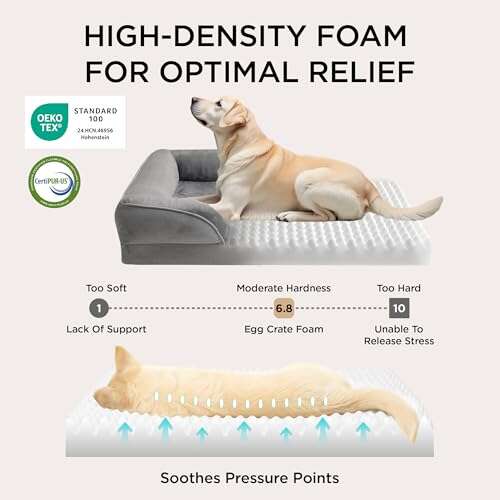
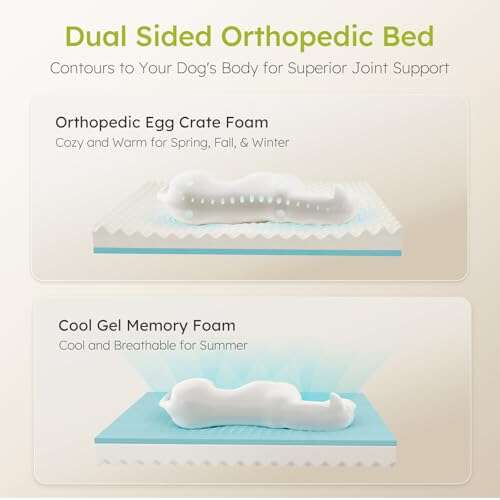
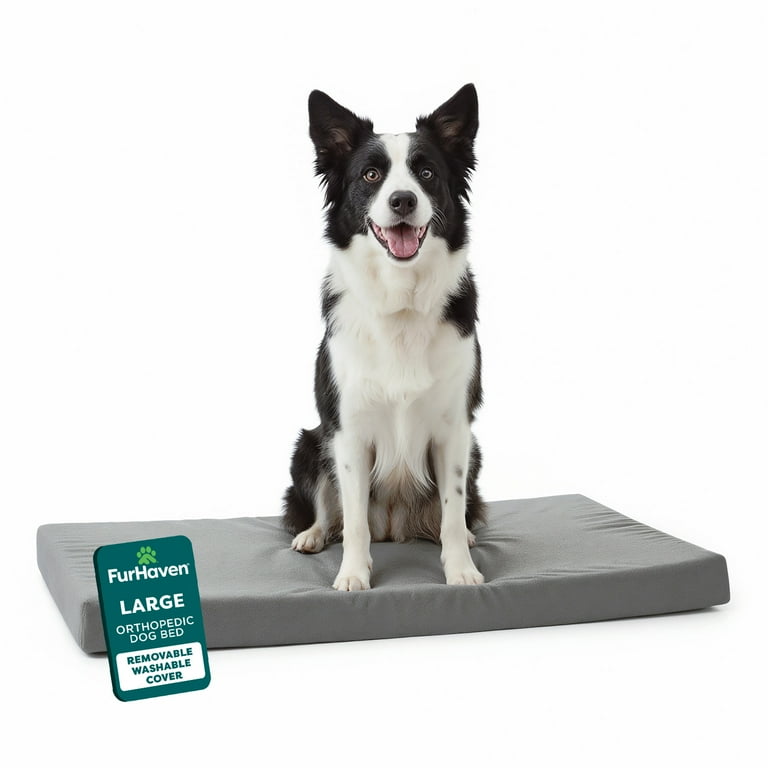
Orthopedic beds use supportive foam, often memory foam or high-density foam. They can reduce pressure on the hips, elbows, and shoulders.
They are useful for:
• Senior dogs
• Large and giant breeds
• Dogs with arthritis
• Dogs recovering from orthopedic surgery
• Thin dogs with little natural padding
The best bedding for a dog crate with joint support should be firm enough to prevent sinking. A very soft bed may feel cozy at first, but it can make it harder for an older dog to stand.
Cooling mats
cooling mats can help some dogs during hot weather. Gel-filled and water-based designs are common.
Check the product often for punctures. Some dogs chew cooling mats, and damaged gel or liquid can create a health risk. Cooling mats should not replace airflow, shade, fresh water, or sensible temperature control.
Blankets and towels
A folded blanket or towel can provide a simple, low-cost surface. This may work well for a calm adult dog.
Blankets are not always the best bedding for a dog crate for puppies or active chewers. Loose fabric can bunch up, cover the nose, catch on teeth, or become a chewing target. If you use a blanket, choose one with tight stitching and no loose threads.

How to Choose the Best Bedding for a Dog Crate
The right bed should match your dog, not just the crate. Consider the following factors before you buy.
Measure the crate
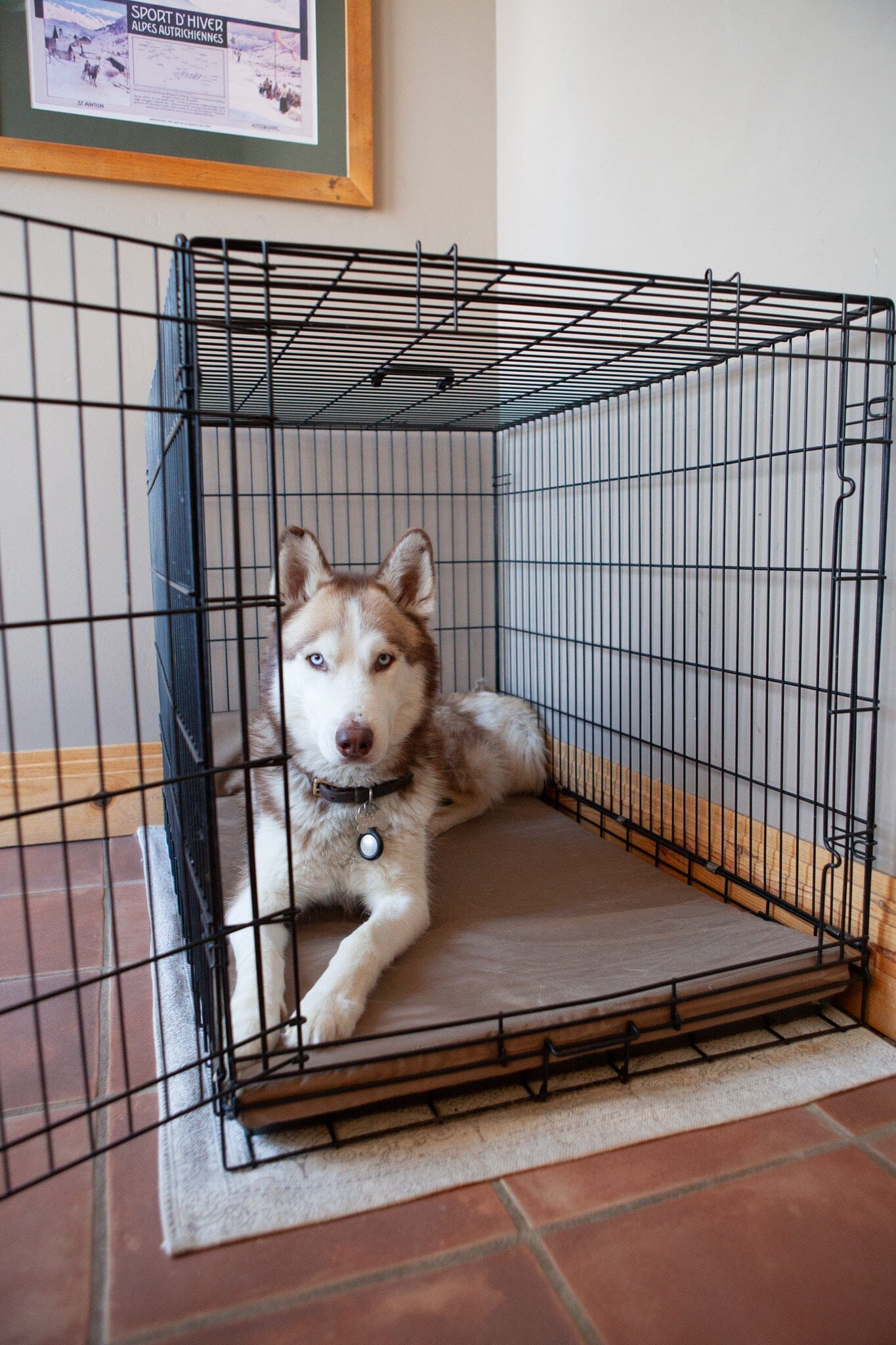
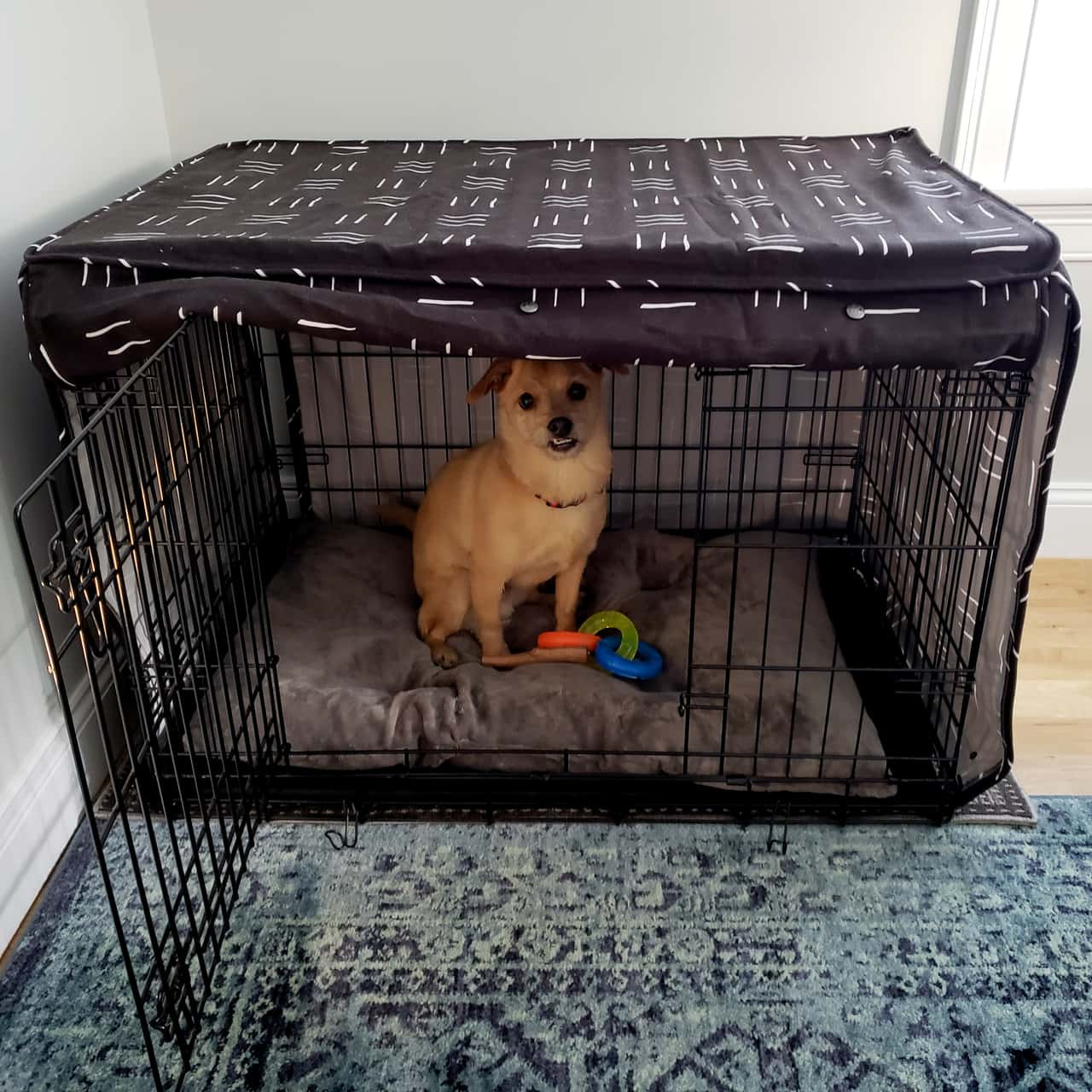
Measure the inside length and width of the crate floor. The bed should fit without curling at the sides.
A bed that is too large can buckle and create a tripping spot. A bed that is too small may leave your dog lying on hard plastic or wire. Your dog should be able to stand, turn around, stretch, and lie down naturally.
Consider your dog’s age
Puppies need different bedding from adult dogs. A young puppy may chew, dig, urinate, or pull at seams. A thin, durable mat is often safer than a thick plush bed.
Adult dogs may enjoy more padding if they have good bedding habits. Older dogs often benefit from firmer orthopedic foam and extra support around the joints.
Watch chewing behavior
Your dog’s chewing style matters more than the product label. A “durable” bed is not indestructible.
If your dog tears beds apart, start with:
• A tough, flat mat
• Heavy-duty fabric
• Reinforced seams
• Minimal loose material
• A bed made for strong chewers
Inspect bedding every day at first. Remove it if you see torn fabric, exposed foam, loose threads, or missing pieces.
Think about temperature
Dogs can overheat in thick beds, especially in warm rooms or poorly ventilated crates. A thin mat may be more comfortable for a double-coated dog.
Dogs with short coats, low body fat, or health problems may need more insulation. Place the crate away from direct sunlight, radiators, and cold drafts.
Choose washable fabric
Accidents, drool, dirt, and shedding are normal. The best bedding for a dog crate should be easy to clean.
Look for:
• A removable cover
• Machine-washable fabric
• Fast-drying materials
• Colorfast fabric
• A waterproof inner layer
Avoid beds that take a full day to dry. Damp bedding can smell, grow mold, and irritate the skin.
Is Soft Bedding Always Better?
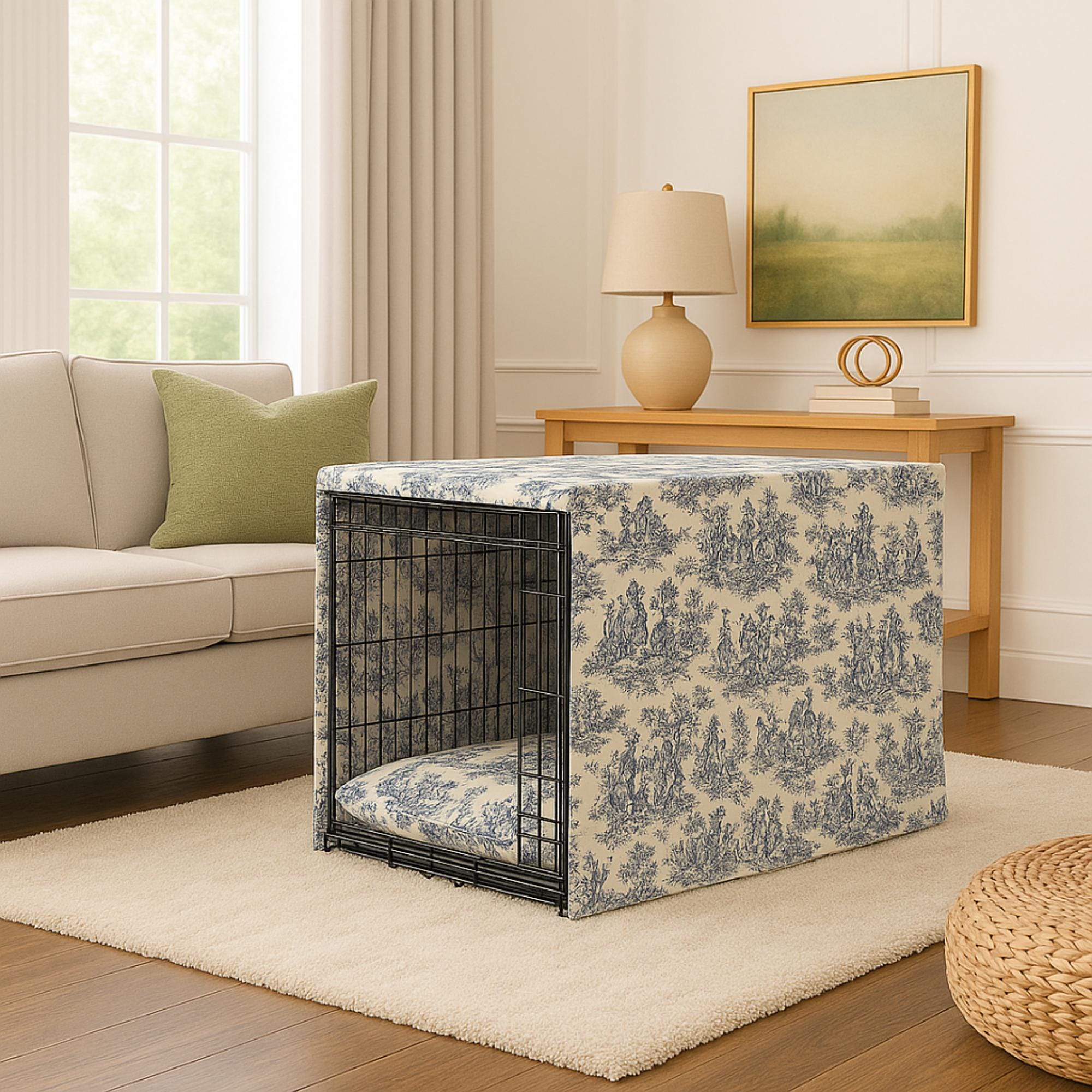
Soft bedding is not automatically better. Dogs need comfort, but they also need support and safe movement.
A bed that is too plush can cause a dog’s body to sink unevenly. This may be uncomfortable for dogs with weak joints. Deep filling can also trap heat and make it harder for a dog to settle.
Think of crate bedding like a mattress. A good mattress supports the body without feeling like a board or a cloud. The best bedding for a dog crate has enough padding to cushion the body while still keeping your dog stable.
Watch how your dog sleeps. If your dog stretches out, changes positions, and gets up with ease, the support is likely suitable. If your dog avoids the bed, pants while resting, or struggles to stand, try a different thickness or material.
Best Bedding for Puppies and Chewers
Puppies explore with their mouths. Bedding can quickly become a toy, toilet, or source of trouble.
For a puppy, choose a low-profile mat with tough fabric and simple construction. Avoid loose blankets, fluffy beds, exposed zippers, and beds with decorative parts.
A puppy may need bedding removed for a short time if the bed becomes unsafe. This does not mean the puppy should sleep on an uncomfortable surface forever. It means safety comes first while you teach calm crate behavior.
Use these steps:
-
Give your puppy a short, supervised trial with the bed.
-
Watch for chewing, digging, and fabric pulling.
-
Check the mat after each use.
-
Remove damaged bedding right away.
-
Reintroduce a safer mat when your puppy settles.
A crate should never be used as a place to punish a puppy. It should feel like a quiet bedroom. Positive training, regular potty breaks, and enough exercise can reduce destructive behavior.

Best Bedding for Senior Dogs
Older dogs often need more support than younger dogs. Arthritis, hip dysplasia, and muscle loss can make hard crate floors painful.
The best bedding for a dog crate for a senior dog usually has firm orthopedic foam. Look for a flat bed with a low entry edge. A high bolster can make it harder for a stiff dog to step out.
Place the crate on a level floor. Keep water nearby, but do not place a bowl inside if it is likely to spill and soak the bed. Ask your veterinarian about pain, stiffness, or sudden changes in sleep habits.
A bed cannot treat arthritis or replace medical care. It can, however, make rest easier and reduce pressure on sore areas.
Crate Bedding Safety Tips
Safe bedding should not create a new risk. Inspect it often, especially when your dog is new to crate use.
Follow these basic rules:
• Remove bedding if your dog chews and swallows fabric.
• Replace beds with torn seams or exposed foam.
• Keep the crate away from heaters and direct sun.
• Do not use electric heating pads inside a crate.
• Avoid loose strings, ribbons, buttons, and plastic parts.
• Keep nails trimmed so they do not snag the fabric.
• Wash bedding with a mild, fragrance-free detergent.
• Dry the bed fully before returning it to the crate.
Signs of overheating include heavy panting, drooling, weakness, confusion, and bright red or pale gums. Move your dog to a cooler area and contact a veterinarian if symptoms are severe or do not improve.
If your dog vomits, gags, has diarrhea, or stops eating after chewing bedding, contact a veterinarian promptly. Swallowed fabric can cause an intestinal blockage.
How to Clean Dog Crate Bedding
Clean bedding helps control odor, bacteria, allergens, and skin irritation. The cleaning schedule depends on your dog.
Wash the bed when it is visibly dirty, smells bad, or becomes wet. Dogs with allergies, skin disease, or frequent accidents may need more frequent washing.
Use this simple routine:
-
Shake off loose hair outdoors.
-
Check for damage before washing.
-
Follow the care label.
-
Use a mild detergent.
-
Run an extra rinse if needed.
-
Dry the bed completely.
-
Clean the crate floor and walls at the same time.
Avoid strong perfumes and harsh chemicals. Fragrances can bother some dogs, and residue may irritate sensitive skin.
Keep a spare mat available. This small step makes life much easier when one bed is in the wash or drying.
Common Bedding Mistakes to Avoid
Many crate bedding problems come from a poor match between the bed and the dog.
Buying for appearance
A fluffy bed may look attractive in a product photo. It may also shed stuffing, hold heat, or become difficult to clean.
Choose function first. Your dog needs safe support more than decorative fabric.
Ignoring chewing
A bed that survives a calm dog may not survive a determined puppy. Always judge durability based on your own dog’s behavior.
Using a bed that does not fit
A bed should not fold, slide, or block the crate door. Measure the crate interior instead of guessing from the outside size.
Leaving wet bedding in place
Wet bedding can chill a dog and create odor. Change it as soon as possible and dry the crate before use.
Adding too much bedding
A crate should not be packed with pillows and blankets. Too much material reduces space and may increase heat.
Keeping damaged bedding
A small tear can become a large tear in one night. Remove damaged bedding before your dog can swallow pieces.
In my experience, the most useful lesson is simple: start with the safest basic mat, then add comfort only when your dog shows that it is needed. This avoids spending money on a beautiful bed that your dog cannot safely use.
How to Introduce New Crate Bedding
Some dogs accept a new bed at once. Others avoid it because it feels unfamiliar or smells different.
Make the change gradual:
• Place the new bed near the crate for a day.
• Let your dog sniff it without pressure.
• Add a familiar washable toy if it is safe.
• Reward calm behavior near the bed.
• Use the bed during short crate sessions.
• Watch your dog closely during the first few uses.
Do not force your dog onto the bed. A calm introduction helps your dog connect the bedding with rest and safety.
If your dog urinates on the new bed, do not punish the accident. Clean the bed and review the potty schedule. Puppies may need more frequent breaks, while adult dogs may have medical issues that affect bladder control.
Frequently Asked Questions About the Best Bedding for a Dog Crate
What is the best bedding for a dog crate?
The best bedding for a dog crate is usually a washable, durable mat that fits the crate floor and provides moderate support. The best material depends on your dog’s age, chewing habits, health, and sleeping style.
Should a dog crate have bedding?
Most dogs benefit from safe bedding because it adds comfort and insulation. However, bedding should be removed if a dog chews and swallows it or becomes overheated.
What is the best crate bedding for a puppy?
A thin, washable, chew-resistant mat is often best for a puppy. Avoid fluffy beds, loose blankets, and any bedding with parts the puppy can pull off or swallow.
Is memory foam safe for dogs in crates?
Memory foam can be safe when it is covered by strong, intact fabric and used in a well-ventilated crate. It is not suitable for dogs that chew through beds and may reach the foam.
How often should dog crate bedding be washed?
Wash crate bedding whenever it becomes wet, dirty, or smelly. Many dogs need weekly washing, while dogs with allergies, accidents, or skin problems may need more frequent cleaning.
Can I use a blanket instead of a crate bed?
You can use a tightly woven, washable blanket for a calm adult dog that does not chew fabric. A blanket is not the safest choice for a puppy, an active chewer, or a dog that bunches material around the face.
Should senior dogs use orthopedic crate bedding?
Many senior dogs benefit from firm orthopedic bedding because it can cushion joints and make rest more comfortable. Choose a low-profile bed that allows the dog to enter and stand easily.
Conclusion
The best bedding for a dog crate is safe, washable, supportive, and suited to your dog’s behavior. A flat durable mat works well for many dogs, while seniors may need orthopedic foam and puppies may need simple chew-resistant bedding.
Measure the crate, watch your dog’s behavior, inspect the bed often, and replace damaged materials quickly. Start with a practical option rather than the softest or most attractive bed, then adjust as your dog’s needs become clear.
Choose a bed that helps your dog rest with ease, and share your experience or questions in the comments.

Pet Care Writer & Researcher
Daniel writes practical guides on daily care, feeding, and safety, turning complex topics into simple, actionable advice.