What Is The Best Bed For A Dog Crate: Best Options
Find out what is the best bed for a dog crate, with expert tips for comfort, safety, sizing, and easy cleaning your pet will love.
The best bed for a dog crate is a washable, well-fitting mattress that matches your dog’s size, age, habits, and health needs.
Choosing what is the best bed for a dog crate is about more than softness. The right bed should support your dog’s body, fit the crate without bunching, stay cool and dry, and remain safe if your dog chews or digs. After comparing common crate beds and learning from real-world use, I’ve found that comfort, durability, and easy cleaning matter far more than a thick or fancy design.

What Is the Best Bed for a Dog Crate?
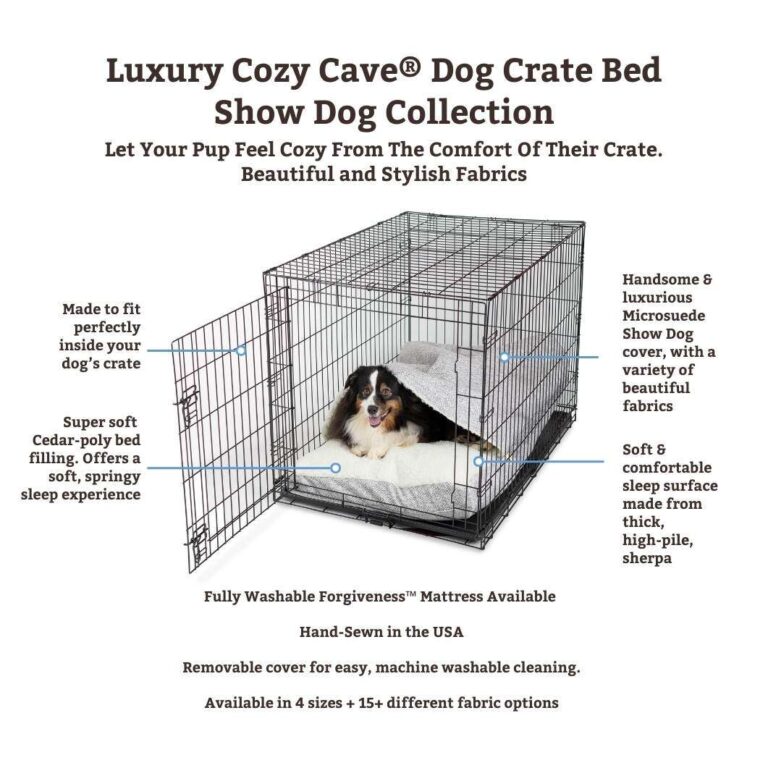
For most dogs, the best bed for a dog crate is a firm, low-profile crate mattress with a washable cover and a snug fit. It should give your dog a comfortable place to rest without taking up too much room or creating loose fabric that could become a safety risk.
A good crate bed should meet these basic needs:
• Support your dog’s joints and spine
• Fit the crate floor from edge to edge
• Stay in place when your dog turns or digs
• Resist moisture, odor, and daily wear
• Be easy to wash and dry
• Match your dog’s chewing, nesting, and sleeping habits
The ideal choice can vary. A healthy young dog may do well with a simple padded mat. An older dog may need a memory foam or orthopedic bed. A puppy that chews may be safer with a durable, chew-resistant mat or no loose bedding until crate habits improve.
The best dog crate bed is not always the thickest one. Some dogs prefer a firm surface, while others need extra cushioning. Think of the bed as your dog’s small mattress, not a pile of blankets. It should support the body while leaving enough space for your dog to stand, turn, and lie down naturally.

How to Choose the Right Crate Bed
When deciding what is the best bed for a dog crate, start with your dog rather than the product label. Consider age, size, health, behavior, coat type, and the amount of time your dog spends in the crate.
Measure the crate and your dog
Measure the inside length and width of the crate. Then compare those measurements with the bed’s listed dimensions. The bed should fit closely but should not bend sharply at the corners.
Your dog should be able to:
• Stand without touching the crate roof
• Turn around without squeezing
• Stretch out on the bed
• Lie on the side or stomach
• Get on and off the bed with ease
A common mistake is buying a bed based only on the dog’s weight. Weight ranges can help, but body length and sleeping style matter more. A long dog may need a larger bed even if the dog is fairly light.
Choose the right thickness
Bed thickness should match your dog’s body and health.
• Small or young dogs often do well with a 1 to 2 inch pad.
• Medium and large dogs may need a 2 to 4 inch mattress.
• Senior dogs or dogs with joint pain may benefit from a supportive orthopedic bed.
• Very thick beds can reduce usable crate space and cause overheating.
If the bed is too thin, your dog may rest directly on the hard crate floor. If it is too thick, your dog may feel crowded. The goal is balanced support, not maximum height.
Consider your dog’s sleeping style
Dogs that curl into a ball may like a soft, cushioned pad. Dogs that stretch out may need a flat mattress with enough surface area. Dogs that circle, dig, or nest may need a tightly woven cover that will not tear easily.
In my experience, many dogs choose comfort in surprising ways. A dog may ignore a plush bed but settle quickly on a firm mat. Another dog may push a flat pad aside and sleep on a folded blanket. Watch your dog’s choices for several days before replacing the bed.

Types of Dog Crate Beds
Different crate bed materials offer different benefits. Understanding the main types makes it easier to decide what is the best bed for a dog crate in your home.
Polyester and fleece crate mats
These are common, affordable, and easy to find. They often feel warm and soft, which makes them popular with small dogs and dogs that like to curl up.
Benefits include:
• Low cost
• Light weight
• Many sizes and colors
• Easy to move between crates
Limitations include poor resistance to chewing, digging, and repeated accidents. Fleece can also hold moisture if it does not dry fully after washing.
Waterproof crate beds
Waterproof beds use coated fabric or a sealed inner layer. They can help with puppy accidents, drooling, and outdoor use.
They are useful for:
• Puppies still learning house training
• Dogs with bladder control problems
• Dogs that track in water
• Travel and camping
Waterproof does not always mean leakproof. Check the seams and zipper area. A cover may resist water while the inner foam still absorbs liquid.
Memory foam and orthopedic beds
Memory foam can spread pressure across the body. This may help older dogs, large breeds, and dogs with arthritis or other joint concerns. A supportive foam mattress can also make it easier for a stiff dog to rise after resting.
However, not every orthopedic bed is suitable for a crate. Some are too tall, too soft, or too large. Dogs that chew may also tear open foam, which can create a choking or blockage risk.
If your dog has diagnosed pain, weakness, or mobility trouble, ask your veterinarian about the best support. A crate bed can improve comfort, but it is not a treatment for joint disease.
Cooling crate mats
Cooling mats can help dogs that sleep hot, especially in warm climates or rooms with limited airflow. Gel and pressure activated designs are common.
Use them with care:
• Inspect the mat often for punctures.
• Do not use a damaged cooling mat.
• Make sure your dog cannot chew the filling.
• Keep the crate away from direct sun.
A cooling mat is not a replacement for water, shade, ventilation, or proper temperature control.
Elevated crate beds
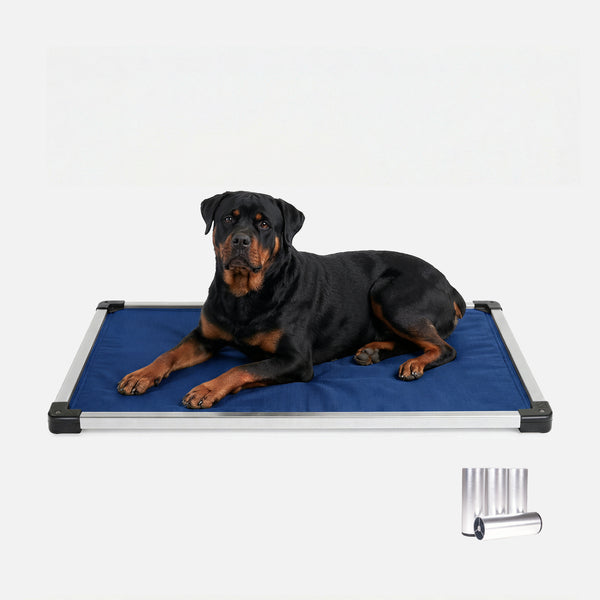
Elevated beds lift the dog slightly above the floor. They may improve airflow and keep a dog away from a cold or damp surface. Some are made with strong fabric stretched across a frame.
These beds can be useful, but they must fit securely. A raised frame that moves inside the crate can frighten a dog or cause injury. The surface should also be firm enough to support the dog without sagging.
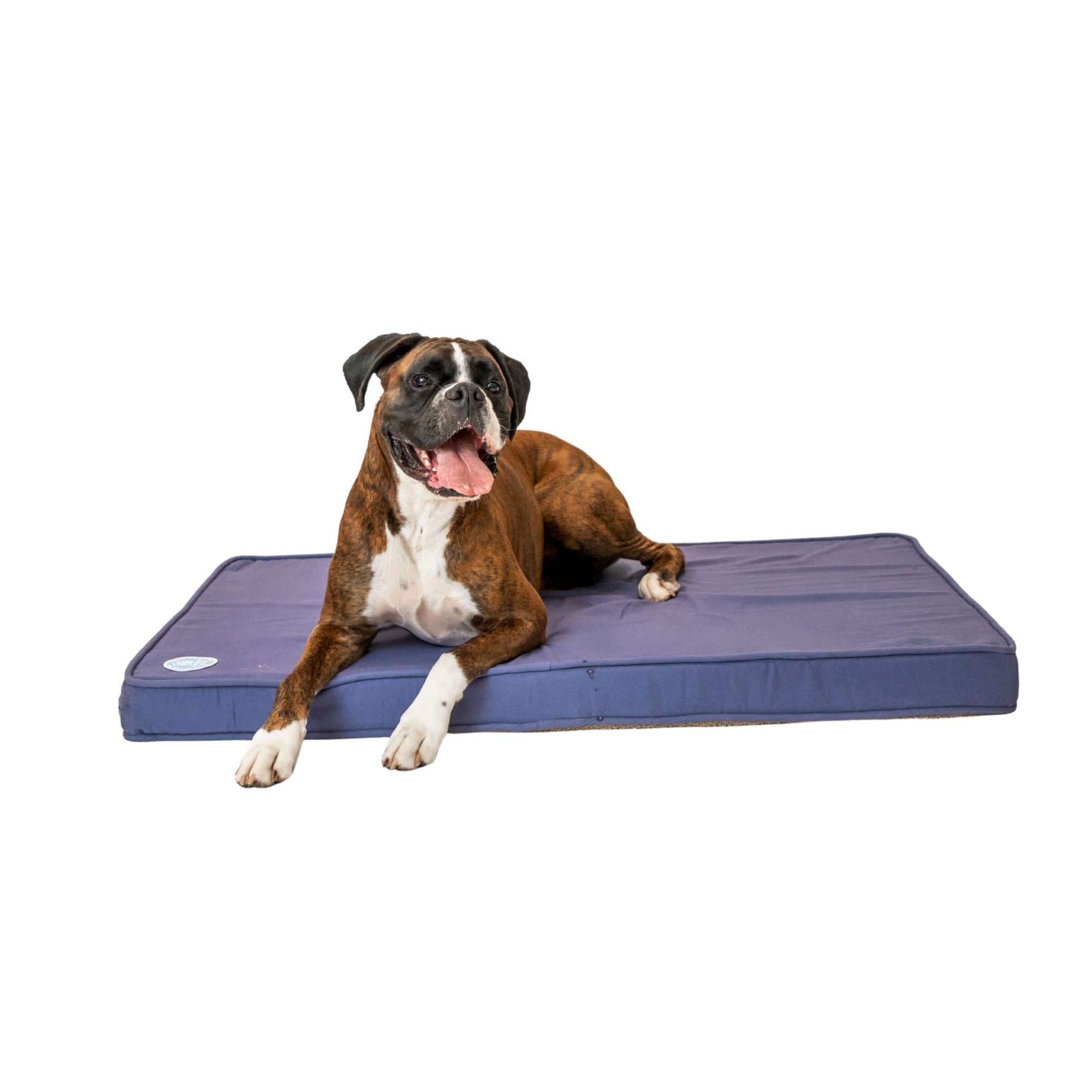
Best Dog Crate Bed by Age and Behavior
The best bed for a dog crate changes as your dog grows and learns. A bed that works for a calm adult may not be safe for a teething puppy.
For puppies
Puppies often chew, dig, scratch, and have accidents. Start with a simple bed that is durable, washable, and easy to inspect.
Look for:
• Tight stitching
• No loose strings
• No exposed zippers
• A washable cover
• A firm, low profile design
If your puppy repeatedly tears up bedding, remove the bed temporarily and speak with a trainer or veterinarian. A bare crate floor is not the ideal long-term setup, but safety comes first. Reintroduce bedding after your puppy can rest without chewing it.
For adult dogs
Adult dogs usually need a bed based on their sleeping position and comfort preferences. A flat mattress works well for many dogs. A bolster bed can help dogs that like to rest their heads on an edge, but the raised sides should not make the crate feel cramped.
For senior dogs
Older dogs often benefit from stable, supportive padding. Memory foam or high-density foam may reduce pressure on hips, shoulders, and elbows.
Avoid beds that slide across the crate floor. A senior dog may struggle to stand on a moving surface. A non-slip bottom or a bed that fits tightly against the crate walls can improve stability.
For dogs that chew
Chewing changes the safety question. No fabric bed should be called completely chew-proof. Even strong materials can fail under a determined dog.
For a destructive chewer:
• Choose a simple mat with strong seams.
• Avoid loose blankets and stuffing.
• Inspect the bed every day.
• Replace damaged bedding at once.
• Provide safe chew toys outside the bed.
A bed should never be used to test how much damage your dog can do. Supervision and training are more reliable than marketing claims.

Safety Features to Look For
Comfort matters, but safety comes first when choosing what is the best bed for a dog crate. Loose bedding can become dangerous if a dog swallows fabric, stuffing, foam, or thread.
Choose a bed with:
• Secure stitching
• Strong fabric
• A well-protected zipper
• A non-slip underside
• Minimal loose parts
• Breathable materials
• A washable cover
Avoid beds with loose ribbons, buttons, plastic decorations, or long straps. These parts can be tempting to chew and may cause choking or digestive problems if swallowed.
Check the bed each time you clean the crate. Look for torn seams, exposed foam, wet spots, broken zippers, and areas where your dog has pulled the fabric loose. Small damage can become a large problem quickly.
Temperature also matters. A thick bed may feel cozy in winter but too warm in summer. The crate should sit in a comfortable area with good airflow. Never cover the crate in a way that blocks ventilation.
If your dog pants heavily, drools, tries to escape, or seems restless while resting, check the room temperature and the bed material. These signs can point to heat, discomfort, stress, or a health problem.

Cleaning and Maintenance Tips
A clean bed supports good skin health and keeps the crate from smelling stale. Dogs spend many hours in close contact with their bedding, so regular washing is important.
Follow the care label, but these habits usually help:
-
Remove hair and debris before washing.
-
Wash the cover with a mild, fragrance-free detergent.
-
Rinse well to remove soap.
-
Dry the bed completely before returning it to the crate.
-
Clean the crate floor and tray at the same time.
-
Replace the bed if it stays damp or develops mold.
Avoid strong scents and harsh cleaners around your dog. Fragrance can irritate sensitive skin and may make some dogs avoid the crate.
Keep a spare cover or backup mat if possible. This makes cleaning easier and prevents the dog from sleeping on a wet bed. For puppies and dogs with accidents, washing may be needed several times each week.
A waterproof liner can protect the foam, but it should not trap moisture against the dog’s skin. If you notice redness, odor, itching, or damp fur, clean the bed more often and ask a veterinarian about possible skin issues.

Common Mistakes to Avoid
Many crate bed problems come from a poor fit or a mismatch between the bed and the dog.
Buying a bed that is too large
A bed that fills the crate too tightly can stop your dog from moving comfortably. It may also buckle at the corners and become easier to chew.
Choosing softness over support
A very soft bed can flatten quickly. Some dogs sink into it and struggle to stand. Support matters more than a fluffy appearance.
Ignoring chewing behavior
A plush bed may look inviting, but it is not a safe choice for a dog that tears fabric. Select a simpler design and monitor the dog closely.
Using human blankets without inspection
Blankets can work for calm adult dogs, but loose fabric can twist around paws or become a chewing hazard. They also hold moisture and odor more easily than a fitted crate mattress.
Keeping a damaged bed
If you see exposed foam, loose thread, or a torn seam, take the bed out. Repair may not be enough if your dog continues to chew the same area.
Assuming every dog needs an orthopedic bed
Orthopedic beds can be helpful, but they are not automatically better for every dog. A young, healthy dog may prefer a firm, simple pad that is easier to clean.
When I first started comparing crate bedding, I focused too much on thickness and softness. The most useful lesson was simple: the best bed is the one the dog uses safely, stays clean, and can withstand the dog’s daily habits.
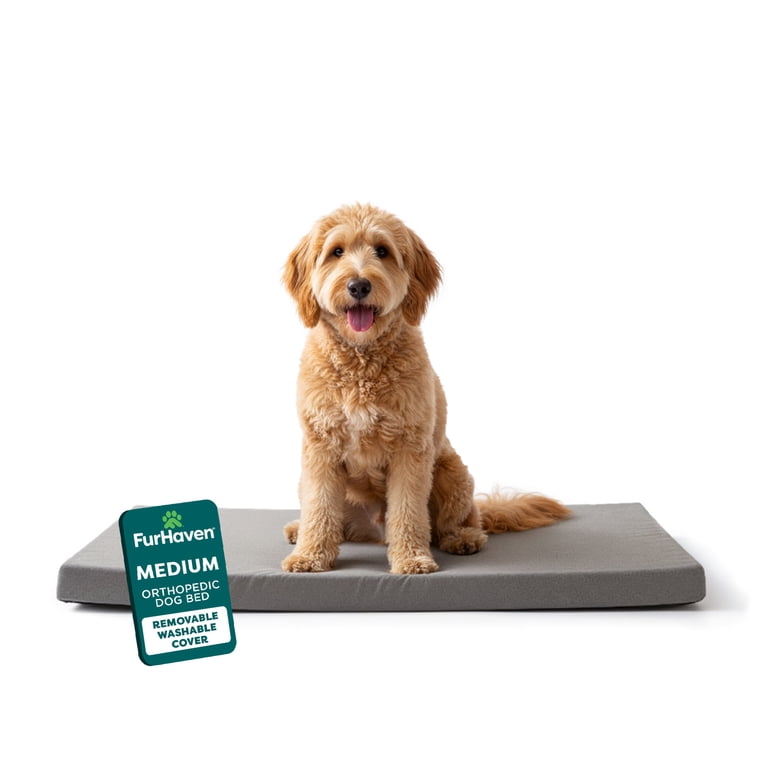
How to Introduce a New Crate Bed
Some dogs accept a new bed at once. Others avoid it because it smells unfamiliar or feels different under their feet.
Make the change gradual:
-
Place the new bed near the crate for a short time.
-
Let your dog sniff it without pressure.
-
Put it inside the crate with a familiar toy.
-
Reward calm behavior near the bed.
-
Use short crate sessions at first.
-
Watch for chewing, scratching, or signs of discomfort.
Do not force your dog onto the bed. A crate should feel like a safe resting place, not a place where the dog loses control. Positive training helps your dog connect the bed and crate with calm experiences.
If your dog refuses the new bed, check the texture, heat, size, and smell. Some dogs dislike waterproof coatings because they feel slippery. Others prefer a firmer mat or a cooler surface.
Frequently Asked Questions About What Is the Best Bed for a Dog Crate
What is the best bed for a dog crate for most dogs?
A washable, firm, low-profile mattress that fits the crate well is the best choice for most dogs. It should support the body without limiting movement or creating loose fabric.
Should a dog crate have a bed?
Most dogs enjoy a comfortable resting surface, but bedding is not safe for every dog at every stage. Puppies and strong chewers may need supervised bedding until they stop destroying fabric.
Is memory foam good for a dog crate?
Memory foam can support older dogs and dogs with joint discomfort. Choose a low-profile model that fits the crate and protect it with a durable, washable cover.
How thick should a dog crate bed be?
Many dogs do well with a bed between 1 and 4 inches thick. The correct thickness depends on the dog’s size, age, health, and the amount of usable space inside the crate.
Can a dog sleep on a blanket in a crate?
A blanket can work for a calm adult dog that does not chew or tangle in loose fabric. Check it often for holes, dampness, loose threads, and signs that your dog is swallowing pieces.
How often should a dog crate bed be washed?
Wash the cover when it becomes dirty, damp, or smelly. Dogs with allergies, accidents, or skin problems may need more frequent washing than healthy adult dogs.
What should I do if my dog destroys the crate bed?
Remove the damaged bed immediately and check that your dog has not swallowed fabric or foam. Use a simpler, more durable mat under supervision, and work on chewing and crate training with professional guidance if needed.
Conclusion
The best bed for a dog crate should fit the crate, support your dog, stay clean, and match your dog’s behavior. A washable mattress is a strong choice for most dogs, while senior dogs may need orthopedic support and puppies may need a simple, chew-resistant design.
Measure the crate before buying, inspect the bed often, and watch how your dog sleeps and behaves. Start with safety and comfort, then adjust the bed as your dog grows or their needs change. Use these tips to choose with confidence, and share your dog’s favorite crate bed or explore more practical dog care guides.

Pet Care Writer & Researcher
Daniel writes practical guides on daily care, feeding, and safety, turning complex topics into simple, actionable advice.