What Food Is Right For My Dog: Healthy Feeding Guide
Wondering what food is right for my dog? Find healthy, balanced options and expert feeding tips to support your dog’s energy, health, and happiness.
The right dog food is complete, balanced, age-appropriate, and matched to your dog’s health and lifestyle.
Choosing what food is right for my dog can feel confusing when shelves are packed with dry food, canned diets, fresh meals, raw products, and treats. The best choice depends on your dog’s age, size, activity, body condition, allergies, and medical needs. This guide explains how to read labels, compare food types, avoid unsafe ingredients, and build a feeding plan with confidence.

What food is right for my dog?
For most healthy dogs, what food is right for my dog is a complete and balanced diet made for the correct life stage. Look for a food that meets the nutritional standards set by the Association of American Feed Control Officials, commonly called AAFCO.


A good diet should provide the right balance of:
• Protein for muscles, skin, and tissue repair
• Fat for energy, skin health, and brain function
• Carbohydrates for energy and fiber
• Vitamins and minerals for bones, nerves, blood, and immunity
• Water for digestion, circulation, and temperature control
There is no single best dog food for every dog. A food that works well for an active Labrador may not suit a senior Chihuahua with kidney disease. Think of dog food like shoes. The best pair is not the most expensive one. It is the pair that fits the person using it.
The right food should also help your dog maintain a healthy weight, firm stools, steady energy, and a healthy coat. Your dog’s response matters as much as the marketing on the package.

How to choose a complete and balanced dog food
The first step is to check the nutritional adequacy statement on the package. In the United States, this statement explains whether the food is designed to meet the nutritional needs of a certain life stage.
Look for wording such as:
• Complete and balanced for growth
• Complete and balanced for adult maintenance
• Complete and balanced for all life stages
• Complete and balanced for growth of large-size dogs
A food labeled for “intermittent or supplemental feeding only” is not meant to be your dog’s main diet. These foods may be useful in small amounts, but they do not provide all essential nutrients.
Match food to your dog’s life stage
Puppies need more energy and specific nutrients for growth. Large-breed puppies also need careful calcium and calorie control because rapid growth can stress developing bones and joints.
Adult dogs need food that supports stable energy and a healthy body weight. Senior dogs may benefit from adjusted calories, more digestible protein, or nutrients that support joints, depending on their health.


Pregnant or nursing dogs have special needs. A veterinarian should guide feeding during this period, especially for large litters or dogs with health problems.
Check the guaranteed analysis
The guaranteed analysis lists minimum or maximum amounts of key nutrients. It often includes:
• Crude protein
• Crude fat
• Crude fiber
• Moisture
These numbers help you compare foods, but they do not tell the whole story. A food with higher protein is not automatically better. Protein quality, digestibility, calories, and your dog’s health all matter.
Review the calorie content
Calories are often listed as kilocalories per cup, can, or kilogram. This number helps prevent overfeeding.
Two foods may look similar but contain very different calories per cup. If your dog gains weight after a food change, check calories before assuming the recipe is unhealthy. Portion size may be the real issue.
Dry food, wet food, fresh food, or raw food?
The best food format depends on your dog and your daily routine. Dry, wet, fresh, and raw diets can all have advantages and limits.
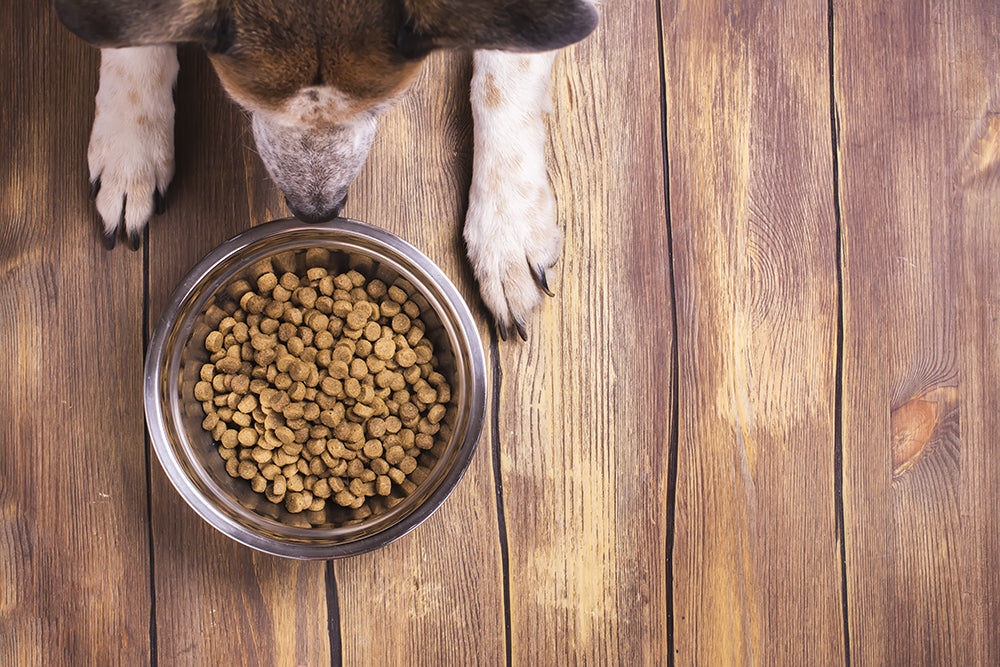
Dry dog food
Dry food is convenient, easy to store, and often less expensive per meal. It also makes portion control simple.
However, dry food contains less water than canned food. Dogs that drink very little may benefit from added water or some wet food. Kibble does not replace tooth brushing, either. Dental health still requires brushing, dental care, or products approved for oral health.
Wet dog food
Wet food has a high water content and may be helpful for dogs that need more moisture. Its soft texture can also help dogs with missing teeth, sore mouths, or low appetite.
Canned food often costs more and spoils faster once opened. It may also contain more calories per can than owners expect, so read the feeding guide carefully.
Fresh and refrigerated food
Fresh diets may use gently cooked ingredients and can be appealing to picky eaters. Some are complete and balanced, while others are designed only as toppers.
Always check the label. “Fresh,” “natural,” or “human-grade” does not automatically mean nutritionally complete. A food can use high-quality ingredients and still lack the right balance of minerals or vitamins.
Raw dog food
Raw diets are popular with some dog owners, but they carry important risks. Uncooked meat may contain harmful bacteria such as Salmonella, Campylobacter, or certain strains of E. coli. These germs can affect dogs and people in the home.


Raw diets can also cause nutritional problems if they are not carefully formulated. Puppies, pregnant dogs, older adults, and dogs with weak immune systems may face greater risk. If you are considering raw food, speak with a veterinarian or a board-certified veterinary nutritionist first.
What ingredients should dog food contain?
A useful ingredient list usually begins with a suitable animal or plant protein source. Common options include chicken, turkey, beef, fish, lamb, eggs, peas, lentils, and other ingredients.
The first ingredient matters, but it should not be the only thing you judge. Ingredients are listed by weight before cooking. Meat contains a lot of water, so its position can change after processing.
Healthy dog food may include:
• Animal protein or a well-planned plant protein blend
• Digestible carbohydrates such as rice, oats, barley, or potatoes
• Fiber from beet pulp, pumpkin, vegetables, or other sources
• Fats from fish oil, chicken fat, or plant oils
• Vitamins and minerals added in safe amounts
• Nutrients such as omega-3 fatty acids when appropriate
Dogs can digest properly cooked grains. Grain-free food is not automatically healthier, and grains are not automatically harmful. In recent years, veterinary researchers have investigated possible links between some grain-free diets and canine dilated cardiomyopathy. The issue is complex, and the exact cause is not fully settled.
Do not choose food based only on ingredient fear. Terms such as “by-products” can sound unpleasant, but approved animal by-products may provide useful nutrients. A balanced formula from a reliable company is more important than a short ingredient list.
How much food should your dog eat?
Feeding guidelines on the package are a starting point, not a strict rule. Dogs of the same weight can need very different amounts based on age, activity, metabolism, and health.
Start with the recommended amount, then monitor your dog for several weeks. Adjust the portion if your dog gains or loses weight without a medical reason.
Use these signs to assess body condition:
• You should be able to feel the ribs under a thin layer of fat
• The waist should be visible when viewed from above
• The abdomen should gently rise behind the rib cage
• Your dog should move comfortably and maintain normal energy
Many dogs gain weight because of treats, table food, and oversized portions. Treats should usually provide no more than about 10% of daily calories. The other 90% should come from a complete and balanced diet.
A practical lesson many owners learn late is that “one small bite” can add up. Cheese, bacon, peanut butter, and leftovers may seem harmless, but frequent extras can disrupt calorie balance and cause stomach trouble.


Weigh your dog regularly if possible. A home scale works for small dogs. For larger dogs, your veterinary clinic can track weight and body condition during routine visits.
Choosing food for puppies, adults, seniors, and large breeds
Puppy food
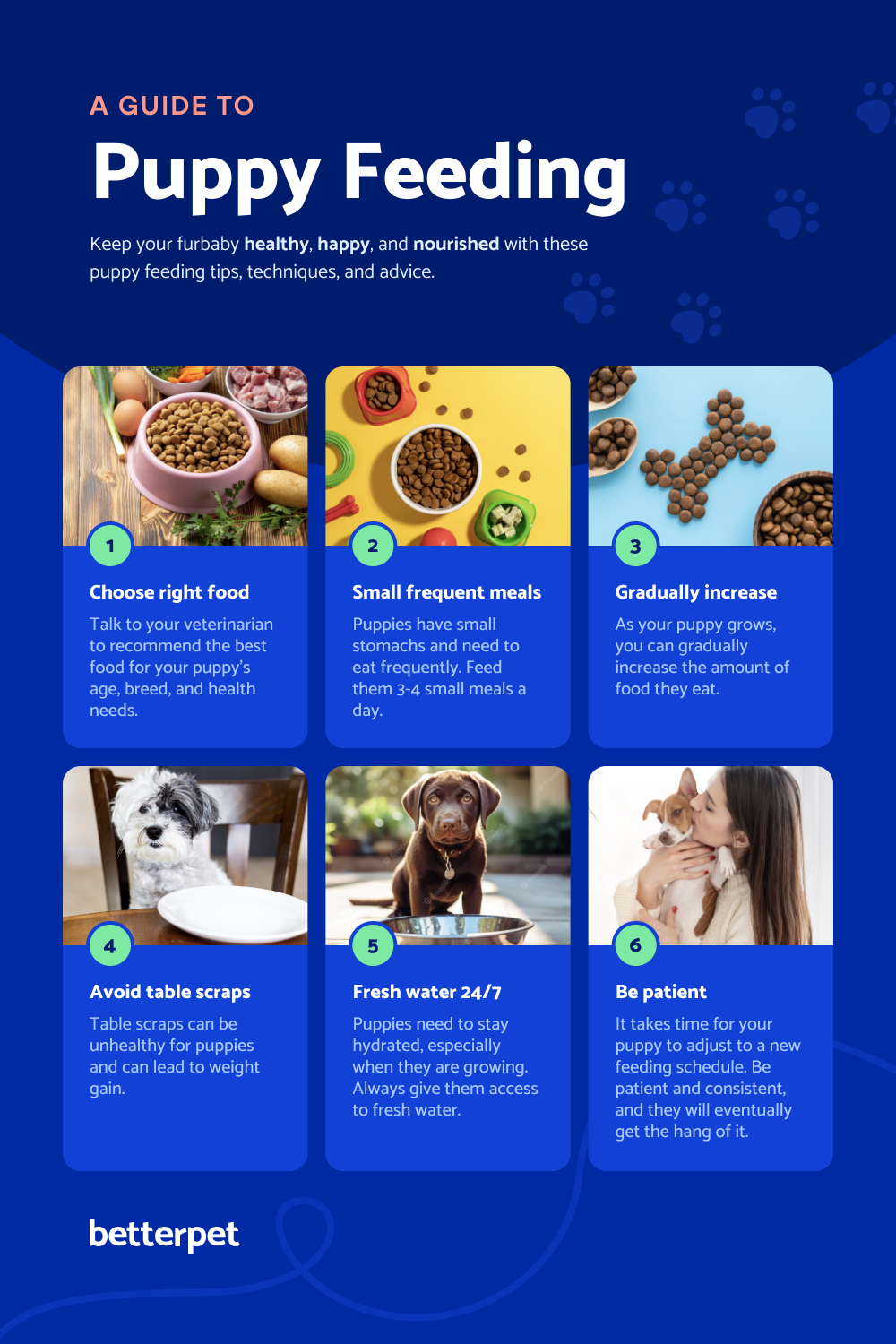
Puppies need food made for growth. They also need regular meals because their stomachs are small and their energy needs are high.
Feed puppies according to their age, size, and expected adult weight. Large-breed puppies need a diet that supports slow, steady growth. Too many calories or excess minerals may contribute to bone and joint problems.
Adult dog food
Adult maintenance food suits most healthy adult dogs. Choose calories based on activity level. A working dog may need more energy than a dog that spends most of the day resting indoors.
Spayed and neutered dogs may need fewer calories after surgery because their energy needs can change. Watch body condition rather than relying only on the feeding chart.
Senior dog food
There is no universal legal definition of “senior” dog food. Some senior formulas have fewer calories, extra fiber, or nutrients for joint health.
Older dogs should have regular veterinary checks. Weight loss, increased thirst, poor appetite, vomiting, or changes in stool may signal illness rather than a simple need for senior food.
Large-breed dog food
Large and giant breeds can benefit from diets designed for their size. These foods may offer controlled calories and carefully balanced minerals.
Large dogs also face higher risks of joint stress and bloat. Feed measured meals, avoid intense exercise right after eating, and ask your veterinarian about the safest routine.

Food for dogs with allergies or sensitive stomachs
True food allergies in dogs are less common than many people think. When they occur, common triggers may include beef, dairy, chicken, or other proteins. Symptoms can include itching, repeated ear infections, skin problems, vomiting, or diarrhea.
A proper elimination diet is the most reliable way to test for a food allergy. It usually involves feeding a veterinary diet with a novel or hydrolyzed protein for several weeks. Your dog must avoid all other foods, treats, flavored medicines, and table scraps during the trial.
Randomly switching between grocery-store foods can make the problem harder to solve. It also exposes your dog to many ingredients at once.
Dogs with sensitive stomachs may do better with:
• Smaller meals
• A gradual food change
• Highly digestible ingredients
• Moderate fat levels
• Fewer treats
• Veterinary guidance if symptoms continue
Do not assume that grain-free food, limited-ingredient food, or exotic meat will fix digestive trouble. Ongoing vomiting or diarrhea needs veterinary attention.
Foods dogs should never eat
Some human foods are unsafe for dogs, even in small amounts. Keep these foods away from your dog:
• Chocolate and cocoa
• Grapes and raisins
• Onions, garlic, leeks, and chives
• Xylitol, also called birch sugar, found in some gum and candy
• Alcohol
• Caffeine
• Macadamia nuts
• Raw yeast dough
• Cooked bones
• Very fatty meals
Cooked bones can splinter and cause choking, intestinal blockage, or internal injury. Fatty foods may trigger stomach upset or pancreatitis in some dogs.
If your dog eats a toxic food, call your veterinarian or an animal poison control service right away. Do not make your dog vomit unless a professional tells you to do so.
Safe snack choices may include small pieces of plain cooked meat, carrots, green beans, cucumber, or apple without seeds and core. Snacks should remain a small part of the total diet.
How to change your dog’s food safely
A sudden food change can lead to gas, loose stool, or vomiting. Change food over about seven days unless your veterinarian gives different instructions.
Use this simple schedule:
- Days 1 and 2: Feed about 75% old food and 25% new food.
- Days 3 and 4: Feed about 50% old food and 50% new food.
- Days 5 and 6: Feed about 25% old food and 75% new food.
- Day 7: Feed the new food completely.
Some dogs need a slower change over two weeks. If your dog develops severe diarrhea, repeated vomiting, weakness, or refuses food, stop the transition and contact your veterinarian.
Store dry food in a cool, dry place. Keep it in its original bag inside an airtight container if you use one. Wash bowls often, and follow storage instructions for opened canned or fresh food.
Homemade dog food: Is it safe?
Homemade dog food can work, but it is difficult to balance without professional help. Meat and rice alone do not provide all the nutrients a dog needs. Calcium, zinc, iodine, copper, vitamin D, and essential fatty acids are common problem areas.
If you prepare meals at home, use a recipe created for your dog by a board-certified veterinary nutritionist. Follow the recipe exactly. Changing ingredients or skipping supplements can change the nutrient balance.
Homemade food may be useful for dogs with complex medical needs, but it is not automatically healthier than commercial food. It also takes more time, money, planning, and safe food handling.
Common mistakes when choosing dog food
Even caring owners can make food decisions based on confusing claims. Avoid these common mistakes:
• Choosing food only because the package looks premium
• Assuming the most expensive food is the best food
• Treating the ingredient list as a complete nutrition report
• Changing foods too often
• Feeding too many treats
• Ignoring calorie content
• Using supplements without veterinary advice
• Feeding a homemade recipe without nutrient analysis
• Choosing a raw diet without understanding infection risks
• Trusting online claims over your veterinarian’s assessment
Marketing words can be useful clues, but they are not proof of quality. Look for complete and balanced nutrition, clear feeding directions, quality control, and a company willing to answer questions about formulation and testing.
For dogs with medical conditions, diet should be part of a veterinary plan. Kidney disease, diabetes, urinary stones, pancreatitis, liver disease, and heart disease may require specific nutrition.
A simple checklist for buying dog food
Use this checklist the next time you compare products:
- Confirm that the food is complete and balanced.
- Select the correct life stage.
- Check whether it suits your dog’s size and health needs.
- Review calories per cup, can, or serving.
- Choose a reliable company with strong quality control.
- Avoid foods that your veterinarian has ruled out.
- Plan a gradual transition.
- Measure meals with a standard measuring cup or kitchen scale.
- Count treats as part of daily calories.
- Monitor weight, stool, coat, appetite, and energy.
This process helps answer what food is right for my dog without getting lost in labels or social media trends.
Frequently asked questions about what food is right for my dog
What food is right for my dog if I want the healthiest option?
Choose a complete and balanced food that matches your dog’s life stage, size, activity, and health. A reliable commercial diet can be an excellent choice when your dog maintains a healthy weight, good stool quality, and steady energy.
Is dry food or wet food better for dogs?
Neither is always better. Dry food is convenient and easy to measure, while wet food provides more moisture and may help dogs with dental or appetite concerns; some dogs do well with a mix of both.
Is grain-free dog food healthier?
Grain-free food is not automatically healthier or safer. Dogs can usually digest properly cooked grains, and a grain-free diet should be used only when there is a clear medical reason and veterinary guidance.
Can dogs eat homemade food every day?
Dogs can eat homemade food every day only when the recipe is complete and balanced for their needs. A veterinary nutritionist should formulate the recipe because meat, rice, and vegetables alone can cause serious nutrient deficiencies.
How often should I change my dog’s food?
You do not need to change a complete and balanced food if your dog is doing well on it. Change diets for a clear reason, such as a life-stage change, medical need, poor tolerance, or veterinary recommendation.
How many treats can my dog have?
Treats should generally make up no more than about 10% of your dog’s daily calories. Use small treats, count table food, and reduce meal portions when needed to prevent weight gain.
What should I do if my dog refuses a new food?
Offer the new food gradually and avoid adding many toppings, since this can create picky eating habits. If your dog refuses food for more than a day, or shows vomiting, pain, weakness, or other symptoms, contact a veterinarian.
Conclusion
The right answer to what food is right for my dog is not based on a trendy label or one perfect ingredient. Choose a complete and balanced diet that fits your dog’s age, size, activity, body condition, and medical needs.
Measure portions, limit treats, change foods slowly, and watch your dog’s weight, stool, coat, appetite, and energy. When your dog has allergies or a health condition, work with a veterinarian instead of guessing. Use this guide to compare options, then discuss your final choice with your veterinary team and share what has worked for your dog in the comments.

Pet Care Writer & Researcher
Daniel writes practical guides on daily care, feeding, and safety, turning complex topics into simple, actionable advice.