What Food Do Dogs Need: Healthy Diet Guide
Learn what food do dogs need for balanced nutrition, healthy growth, and energy. Get simple feeding tips and safe food choices for every life stage.
Dogs need complete food with animal or plant protein, healthy fats, vitamins, minerals, water, and the right calories.
Knowing what food do dogs need is more than choosing a popular bag or sharing dinner scraps. A dog’s age, size, breed, activity, health, and life stage all shape the best diet. This guide explains the science in simple terms, highlights safe choices, and helps you avoid common feeding mistakes.
What nutrients do dogs need?
Dogs are omnivores with a strong need for nutrients from animal and plant sources. They can digest many plant foods, but their diet must still provide enough high-quality protein, fat, vitamins, minerals, and water.
When asking what food do dogs need, focus first on nutritional balance. A meal may look healthy but still lack calcium, iodine, zinc, or other key nutrients.
Protein
Protein supports muscles, skin, fur, organs, enzymes, and immune function. Dogs need several essential amino acids, which are the small parts that make up protein.
Good protein sources include:
• Chicken, turkey, beef, pork, and lamb
• Fish, such as salmon or sardines
• Eggs
• Soy and other plant proteins
• Complete commercial dog food with named protein sources
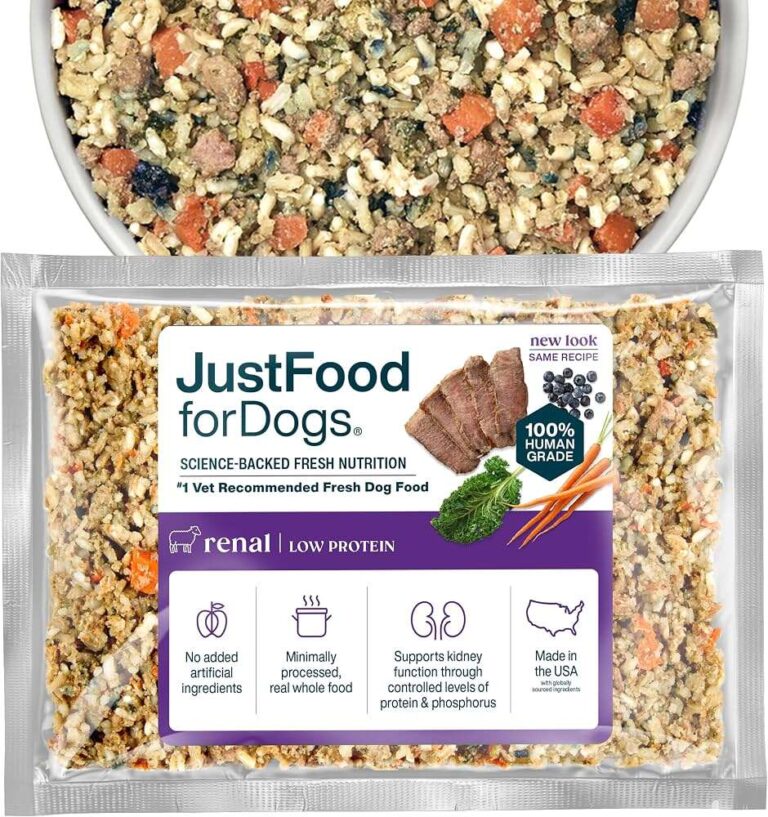
Puppies, pregnant dogs, nursing dogs, and active working dogs often need more protein than healthy adult dogs. However, more protein is not always better. Dogs with kidney disease may need a diet planned by a veterinarian.
Fat
Fat is a concentrated source of energy. It also helps the body absorb vitamins A, D, E, and K. Healthy fats support the skin, coat, brain, and immune system.
Useful fat sources include fish oil, chicken fat, flaxseed, and certain plant oils. Omega-3 fatty acids from fish oil may help support skin health and manage some forms of inflammation.
Fat has more calories than protein or carbohydrates. Too much can lead to weight gain or stomach upset, especially in dogs that are not very active.
Carbohydrates and fiber
Dogs do not need carbohydrates in the same way people do, but cooked carbohydrates can provide energy and useful fiber. Rice, oats, barley, potatoes, and sweet potatoes are common examples.
Fiber can support normal bowel movements and help some dogs feel full. Too much fiber, however, may reduce nutrient absorption or cause gas and loose stools.
Vitamins and minerals
Vitamins and minerals support bones, blood, nerves, muscles, immunity, and many other body systems. Important nutrients include calcium, phosphorus, iron, zinc, copper, iodine, vitamin A, vitamin D, and B vitamins.
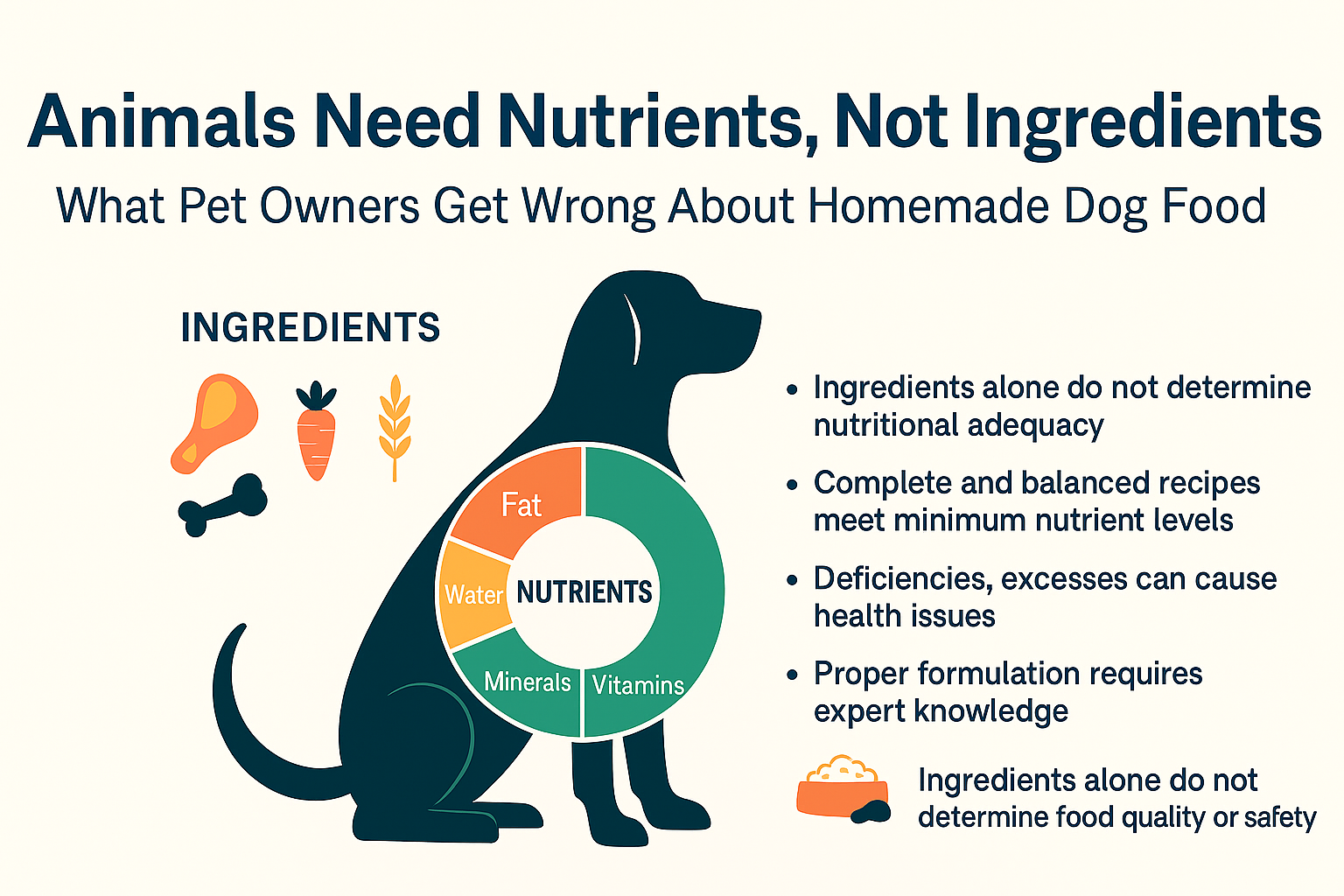
A complete and balanced dog food should provide these nutrients in the correct amounts. Adding supplements without professional advice can be risky. Too much vitamin D, calcium, or selenium may cause serious harm.
Water
Fresh water is one of the most important answers to what food do dogs need. Dogs need water every day to regulate body temperature, digest food, move nutrients, and remove waste.
Keep clean water available at all times. Dogs may need more water after exercise, during hot weather, while eating dry food, or when they are sick.
What is the best food for dogs?
The best food for dogs is a complete and balanced diet that fits the dog’s life stage, health needs, and calorie level. This may be dry food, wet food, a combination of both, or a carefully designed home-prepared diet.
There is no single best brand for every dog. A food that works well for one dog may cause itching, loose stools, or weight gain in another.
Dry dog food
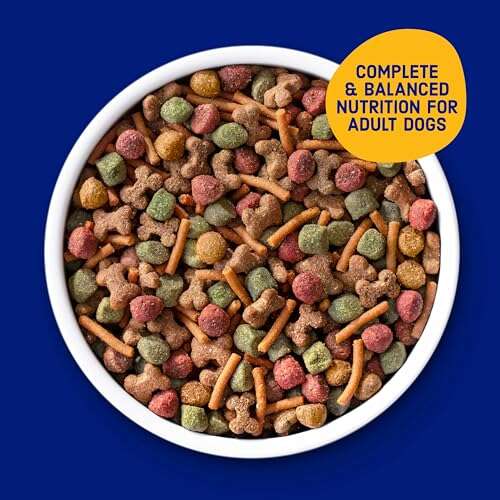
Dry food is convenient, easy to store, and often affordable. Its texture may also help reduce some surface plaque, although it does not replace tooth brushing or professional dental care.
Choose a dry food that:
• Lists a clear nutritional adequacy statement
• Matches your dog’s life stage
• Provides feeding directions and calorie information
• Comes from a company with strong quality control
• Does not rely only on vague marketing claims
Wet dog food
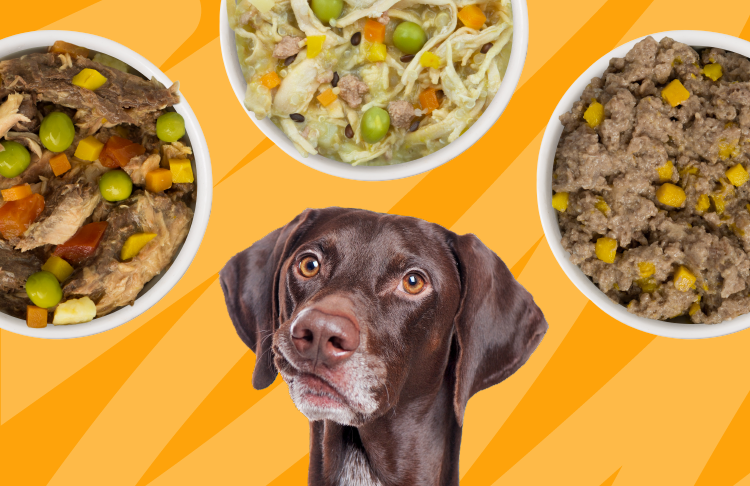
Wet food contains more water and may be easier for puppies, older dogs, or dogs with dental pain to eat. It can also help picky eaters enjoy meals.
Wet food usually costs more per calorie and spoils faster after opening. Store unused portions in the refrigerator and follow the package guidance.
Fresh and home-cooked food
Fresh food can be nutritious, but “fresh” does not automatically mean complete. A meal of chicken, rice, and vegetables may be gentle for a short time, yet it is not a balanced long-term diet by itself.
If you cook for your dog, work with a board-certified veterinary nutritionist. Recipes should be measured carefully and updated as your dog’s needs change.
Raw diets
Raw diets may include uncooked meat, bones, organs, and other ingredients. They can carry risks from bacteria such as Salmonella and E. coli. Bones may also break teeth or cause choking, intestinal blockage, or injury.
Major veterinary groups have warned that raw diets are not proven to provide greater health benefits than balanced cooked diets. Raw food also creates a higher infection risk for young children, older adults, pregnant people, and anyone with a weak immune system.
How to choose healthy dog food
Learning what food do dogs need starts with reading the label, not the front of the package. Words such as “premium,” “natural,” or “holistic” may sound appealing, but they do not prove that a food is right for your dog.
Check the nutritional adequacy statement
Look for wording that says the food is complete and balanced for a specific life stage. In the United States, this statement is based on nutrient profiles or feeding trials recognized by the Association of American Feed Control Officials, often called AAFCO.
The statement may say the food is suitable for:
• Growth, including puppies
• Maintenance, for adult dogs
• All life stages
• Gestation and lactation
A puppy should not eat an adult maintenance food as its main diet unless a veterinarian recommends it. Large-breed puppies need special growth formulas to help control bone growth.
Review the ingredient list wisely
Ingredients are listed by weight before cooking. Meat may appear high on the list because it contains water. A later ingredient may contribute more nutrients after processing than its position suggests.
Look for named ingredients such as chicken, beef, salmon, oats, or rice. Avoid judging food by one ingredient alone. The full nutrient profile and quality control matter more than whether the food contains one fashionable ingredient.
Consider calorie density
Two foods may have different serving sizes because they contain different calorie levels. Feeding the same cup amount after switching foods can lead to weight gain or weight loss.
Use body condition as a guide. You should be able to feel your dog’s ribs under a thin layer of fat, and your dog should have a visible waist when viewed from above.
Choose a reliable manufacturer
A trustworthy company should be able to explain:
• Who formulates its diets
• Where the food is made
• How ingredients are tested
• Whether finished products are tested
• How it handles recalls and complaints
• How many calories each serving contains
The World Small Animal Veterinary Association recommends looking beyond marketing and asking whether a company has qualified nutrition experts and strong manufacturing standards.
What food do dogs need at each life stage?
A dog’s nutritional needs change over time. Puppies build tissue, adults maintain it, and senior dogs may need help managing weight or chronic disease.
Puppies
Puppies need enough calories, protein, fat, calcium, and phosphorus for steady growth. Large and giant breed puppies need food designed for controlled growth because excess calories and minerals can affect developing bones.
Feed puppies several small meals each day. Avoid free-feeding unless your veterinarian suggests it, since some puppies eat too much and gain weight too fast.
Adult dogs
Healthy adult dogs need food that maintains a stable weight, strong muscles, healthy skin, and normal digestion. The right amount depends on body size, activity, metabolism, and neuter status.
An indoor dog that sleeps most of the day may need far fewer calories than a hunting dog or agility athlete. Feeding charts are useful starting points, but body condition is the better long-term guide.
Senior dogs
Senior dogs do not all need the same diet. Some need fewer calories because they move less, while others lose weight and need more energy.
Senior food may contain adjusted calories, protein, fiber, or joint-support nutrients. A veterinarian should check older dogs for kidney, liver, dental, thyroid, or digestive problems before making major diet changes.
Pregnant and nursing dogs
Pregnant and nursing dogs need more energy and specific nutrients. A complete growth or all-life-stages diet is often used during late pregnancy and nursing, but your veterinarian should guide the plan.
Do not add calcium supplements without advice. Excess calcium can create problems for some mothers and growing puppies.

How much food should a dog eat?
The amount of food a dog needs depends on calorie density, body size, age, activity, and health. Package directions provide a starting point, not a perfect prescription.
A simple feeding plan includes:
- Check the food’s calories per cup, can, or gram.
- Start with the package amount for your dog’s weight and life stage.
- Measure each meal with a standard measuring cup or kitchen scale.
- Watch weight and body condition for two to four weeks.
- Adjust portions with veterinary guidance if needed.
Treats should usually provide no more than 10% of daily calories. The remaining 90% should come from complete and balanced food.
Common signs of overfeeding include rapid weight gain, no visible waist, trouble feeling the ribs, and reduced stamina. Obesity can increase the risk of arthritis, diabetes, breathing problems, and heart strain.
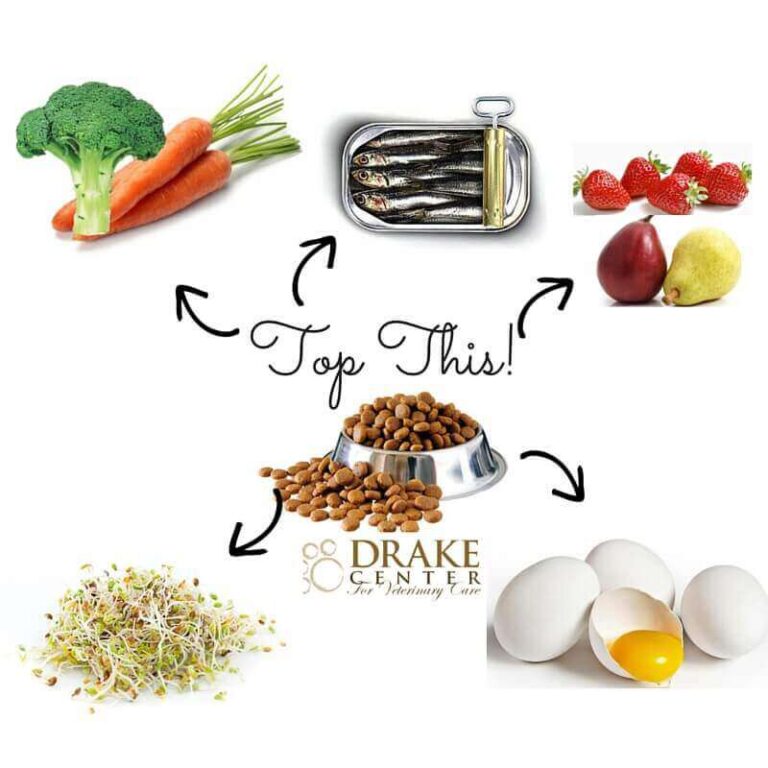
Safe human foods for dogs
Some human foods can be healthy additions when served plain and in small amounts. They should not replace a complete dog diet.