How To Train Your Dog To Not Bark At People: Easy Tips
Learn how to train your dog to not bark at people with simple, humane techniques that build calm behavior and make walks more enjoyable.
Reward calm behavior, manage triggers, and teach your dog an easy alternative to barking at people.
Learning how to train your dog to not bark at people takes patience, timing, and a clear plan. Barking is often your dog’s way of saying, “I feel worried,” “Stay back,” or “I want attention.” The goal is not to silence your dog through fear. It is to help your dog feel safe and choose a calmer response.
This guide explains how to train your dog to not bark at people at home, on walks, at the door, and around strangers. It combines reward-based training, trigger control, simple exercises, and practical lessons commonly used by professional dog trainers and veterinary behavior experts.
Why Dogs Bark at People
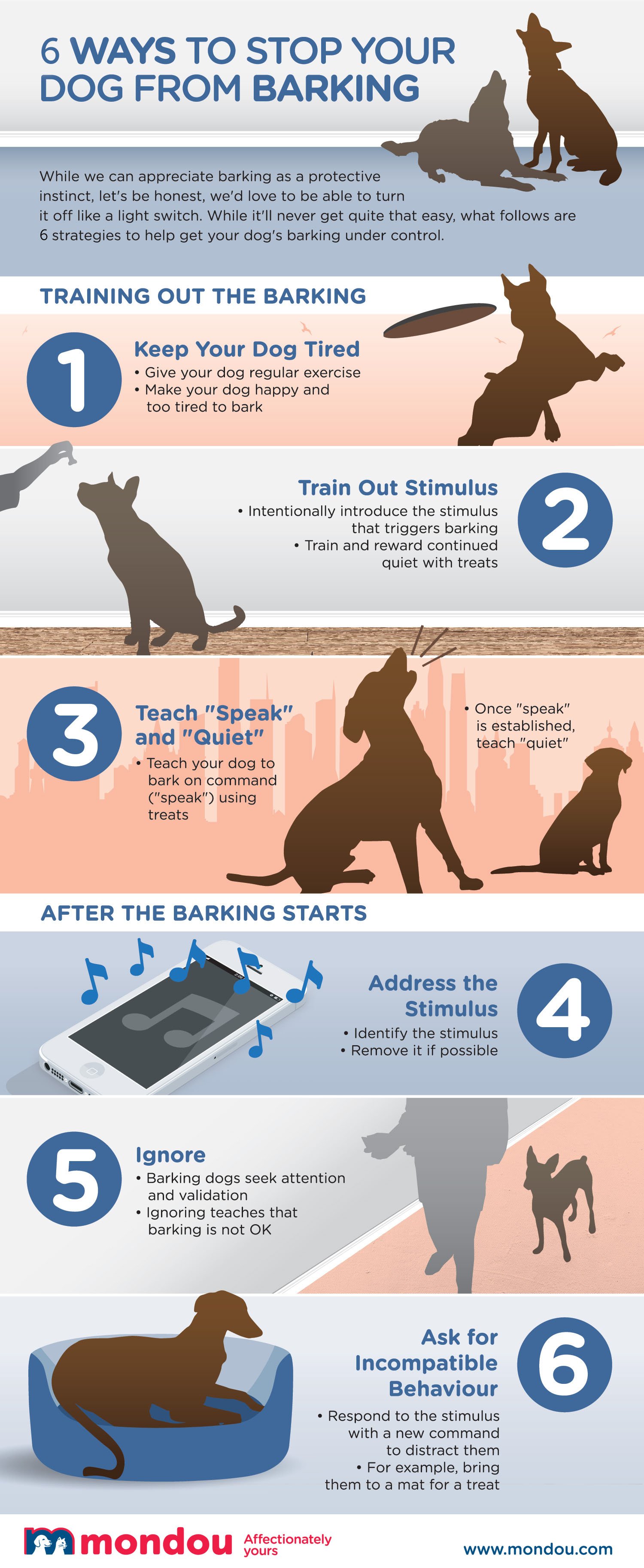
Dogs bark at people for many reasons. Some dogs feel nervous around strangers. Others bark because they are excited, protective, frustrated, or eager to greet someone. A dog may also learn that barking makes people move away, which can make the behavior stronger over time.
Before you begin learning how to train your dog to not bark at people, watch the full situation. Notice who your dog barks at, where it happens, and what your dog’s body says.
Common causes include:
• Fear or anxiety: Your dog may bark to create distance from a person.
• Territorial behavior: Your dog may feel the home, yard, car, or sidewalk belongs to them.
• Excitement: Some dogs bark because they want to greet or play.
• Frustration: A leash, window, fence, or door may stop your dog from reaching someone.
• Lack of social experience: Dogs that did not meet many people as puppies may feel unsure later.
• Learned behavior: If barking once caused a person to leave, your dog may repeat it.
• Pain or illness: Sudden barking can sometimes point to discomfort, hearing loss, or another health concern.
The sound of the bark matters less than the emotion behind it. A loose, wiggly dog may be excited. A stiff dog with a hard stare may feel threatened. Treat these two dogs differently.
Read Your Dog’s Body Language
Body language gives you an early warning. If you act before your dog explodes into loud barking, training becomes much easier.
Watch for signs such as:
• Turning the head away
• Lip licking or yawning
• Ears pinned back or held very still
• Tail tucked under the body
• Stiff legs or a frozen posture
• Raised fur along the back
• Direct staring
• Lunging or snapping
A calm dog may look at a person and then look back at you. That small glance is valuable. It means your dog can still think and learn.
A barking dog is not always an aggressive dog. Barking alone cannot prove intent. Still, lunging, snapping, biting, or intense fear should be taken seriously. If you feel unsafe, contact a qualified force-free trainer or a board-certified veterinary behaviorist.
Set Up the Training for Success
Good training starts before the barking begins. Think of your dog’s trigger like a fire alarm. If the alarm is already loud, your first job is to lower the heat, not teach a new trick.
Use management while you train:
• Close blinds if your dog barks at people through windows.
• Use a baby gate to create space from visitors.
• Keep your dog on a leash before opening the front door.
• Walk during quieter times if busy sidewalks cause barking.
• Cross the street when another person is too close.
• Use a car barrier or covered crate during travel.
• Ask visitors to ignore your dog at first.
Management is not a failure. It prevents your dog from practicing the unwanted behavior. Each barking episode can build a stronger habit, so fewer rehearsals help your training progress.
Also provide enough sleep, exercise, sniffing, and mental work. A tired dog is not automatically a calm dog, but an under-stimulated dog may react more easily. Short scent games, food puzzles, and relaxed walks can support better focus.
Find Your Dog’s Trigger Distance
Trigger distance is the space your dog needs to notice a person without barking. This may be 10 feet for one dog and 100 feet for another.
Start by observing your dog from far away. The right distance is one where your dog can:
• Take a treat
• Look at the person
• Respond to their name
• Turn away without pulling hard
• Keep a loose body
If your dog barks, lunges, refuses food, or cannot look away, you are too close. Move back until your dog can think again.
This is one of the most important parts of how to train your dog to not bark at people. Training below the barking point allows your dog to learn that people can appear without causing danger or extreme excitement.
Teach the “Look at Me” Cue
The “look at me” cue gives your dog a simple job. Practice it in a quiet room before using it around people.
Follow these steps:
-
Hold a small, tasty treat near your dog’s nose.
-
Move the treat toward your eyes.
-
When your dog looks at you, say “yes” or use a clicker.
-
Give the treat at once.
-
Repeat several times.
-
Add the words “look at me” just before your dog turns toward you.
Keep practice sessions short. Five one-minute sessions can work better than one long session.
When your dog can respond indoors, practice in the yard or a quiet outdoor area. Then work at a safe distance from people. Do not use the cue to force your dog to stare at you while a scary person approaches. The cue should help your dog disengage, not hide rising fear.
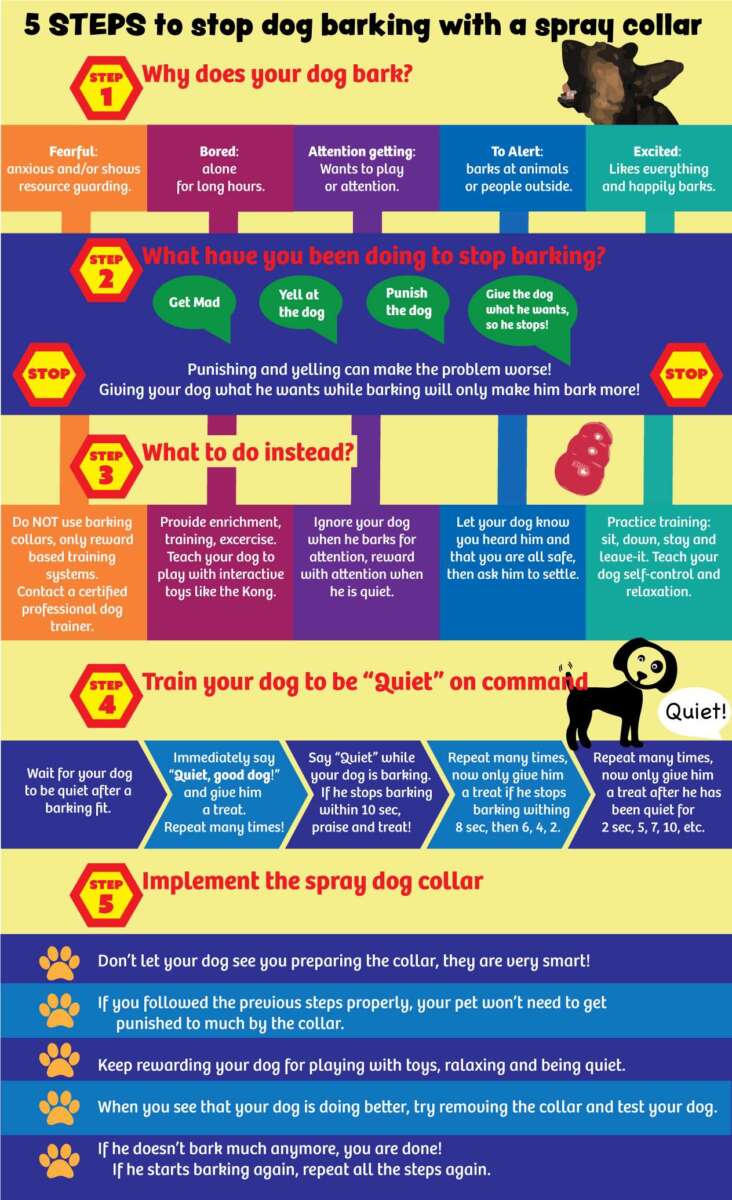
Teach “Quiet” Without Punishment
The word “quiet” can help, but it must be taught with care. Do not shout “quiet” over repeated barking. Your dog may think you are joining the noise.
Instead, wait for a brief pause. Even one second is enough at first.
Use this process: