
What Is A Bark Box To Stop Barking: How It Works
What is a bark box to stop barking? Learn how ultrasonic devices work, their effectiveness, safety, and humane alternatives for quieter days.
A bark box to stop barking is a device that detects barking and delivers a corrective sound or signal.
Many dog owners search for what is a bark box to stop barking after sleepless nights, neighbor complaints, or constant barking at the window. The term can mean an electronic anti-bark device, but it is also confused with BarkBox, the dog toy and treat subscription. This guide explains the difference, how bark-control devices work, their limits, safety concerns, and better training steps based on modern canine behavior advice.
What is a bark box to stop barking?
What is a bark box to stop barking? It is usually a small device that listens for a dog’s bark and responds with a sound, vibration, spray, or electrical signal. Some products are worn on a dog’s collar, while others sit in a room, yard, or near a fence.
The device is meant to interrupt barking. It does not truly teach a dog why barking is unwanted or what behavior should replace it. Think of it as pressing pause on a noisy song, not fixing the broken speaker.


A bark box to stop barking may use one or more of these methods:
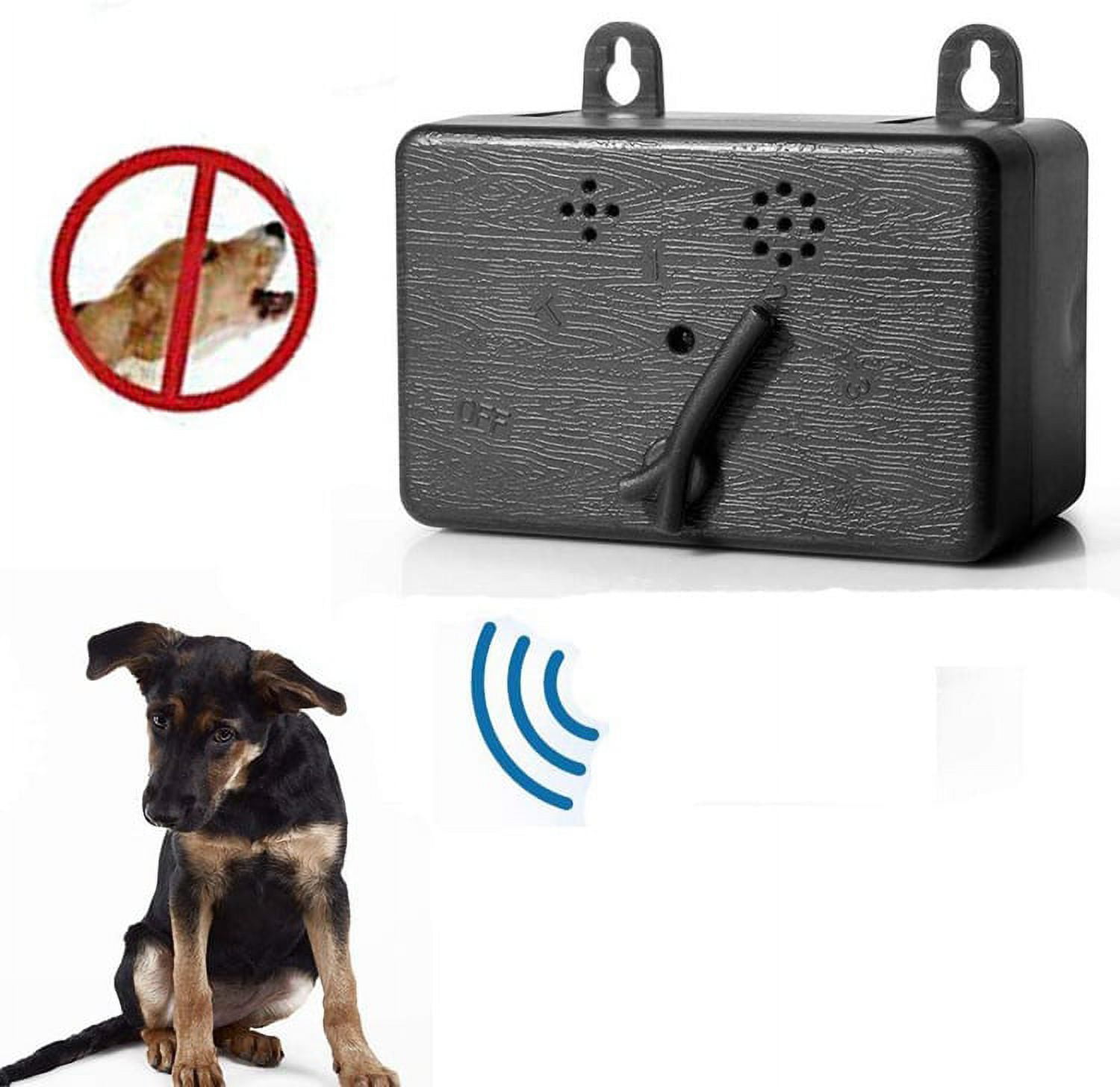
• Ultrasonic sound: The unit emits a high-pitched tone that people may hear faintly or not at all.
• Audible warning tone: The device makes a sound when it detects barking.
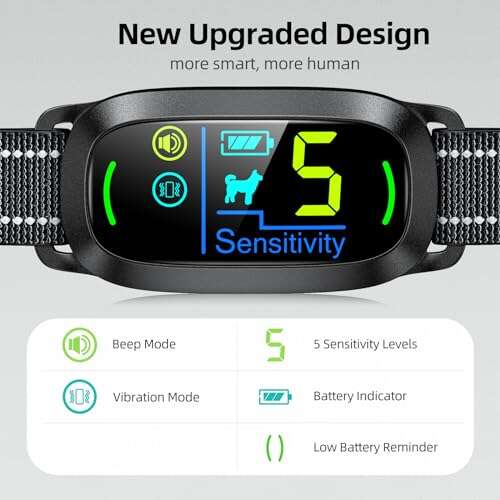
• Vibration: A collar vibrates around the dog’s neck as a warning or correction.
• Citronella or scented spray: The collar releases a small burst near the dog’s nose.
• Static stimulation: The collar sends an electrical pulse. Intensity and quality vary by product.
• Reward-based response: Some newer systems pair bark detection with treats, praise, or another reward.
The best choice depends on why the dog barks. A dog that barks at delivery workers needs a different plan from a dog that barks because it is lonely, afraid, in pain, or guarding its territory.
BarkBox versus a bark-control box
A major source of confusion is the difference between BarkBox and a bark box to stop barking.
BarkBox is a subscription service that sends dog toys, treats, and chews. It is not designed to reduce barking. In fact, a new toy may create excitement and temporary noise, although play can also help a bored dog settle later.


A bark-control box is an anti-barking product. It detects barking and tries to interrupt it. These products are sold under many brand names, so shoppers should read the product description carefully before buying.
Here is the simple difference:
• BarkBox: A monthly dog toy and treat service.
• Bark-control box: A device intended to reduce or interrupt barking.
• Training plan: A set of steps that teaches a dog when to be quiet and what to do instead.
If you search for what is a bark box to stop barking, check whether the listing says “bark control,” “anti-bark,” “ultrasonic,” “training collar,” or “bark deterrent.” If it mentions toys, treats, or a monthly box, it is probably the subscription service.

How does a bark box to stop barking work?
Most bark-control devices use a microphone or vibration sensor. When the system detects a sound that matches a bark, it activates a response. The response may last for a short time or continue while barking is detected.
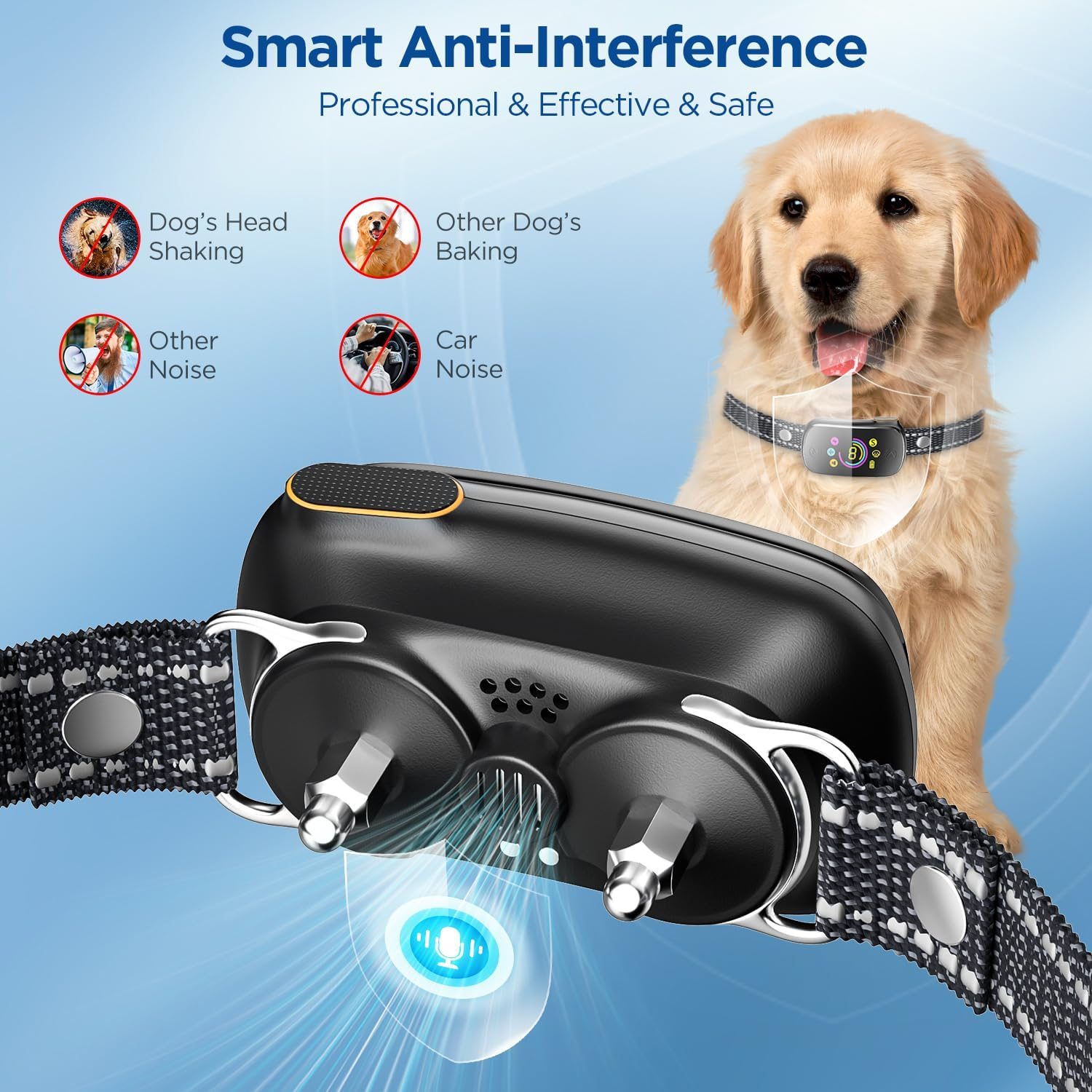
A collar-based bark box to stop barking usually reacts to sound, throat vibration, or both. Dual detection can help reduce false triggers because the collar looks for a bark near the dog’s neck rather than every loud sound in the room.
An outdoor unit works in a different way. It listens for barking within a stated range and sends a tone toward the dog. Walls, wind, traffic, other dogs, and poor placement can affect its performance.
Some devices have levels that increase after repeated barking. This may stop noise quickly, but fast silence does not always mean the dog feels calm. A frightened dog may stop barking while remaining tense, confused, or distressed.
Common product types
Ultrasonic bark devices
Ultrasonic units produce a high-frequency sound. Some dogs react to it, while others ignore it. People may not hear the tone clearly, but dogs can still find it unpleasant.
The effect is often inconsistent. A dog may learn that the sound occurs near the device, yet bark again when the device is removed.
Anti-bark collars
These collars may use sound, vibration, spray, or static stimulation. They can be convenient, but they must fit correctly and should never be left on for long periods without supervision.
A collar can also misread another dog’s bark, a door slam, or a loud vehicle. Poorly designed products may punish the wrong behavior.


Indoor and outdoor boxes
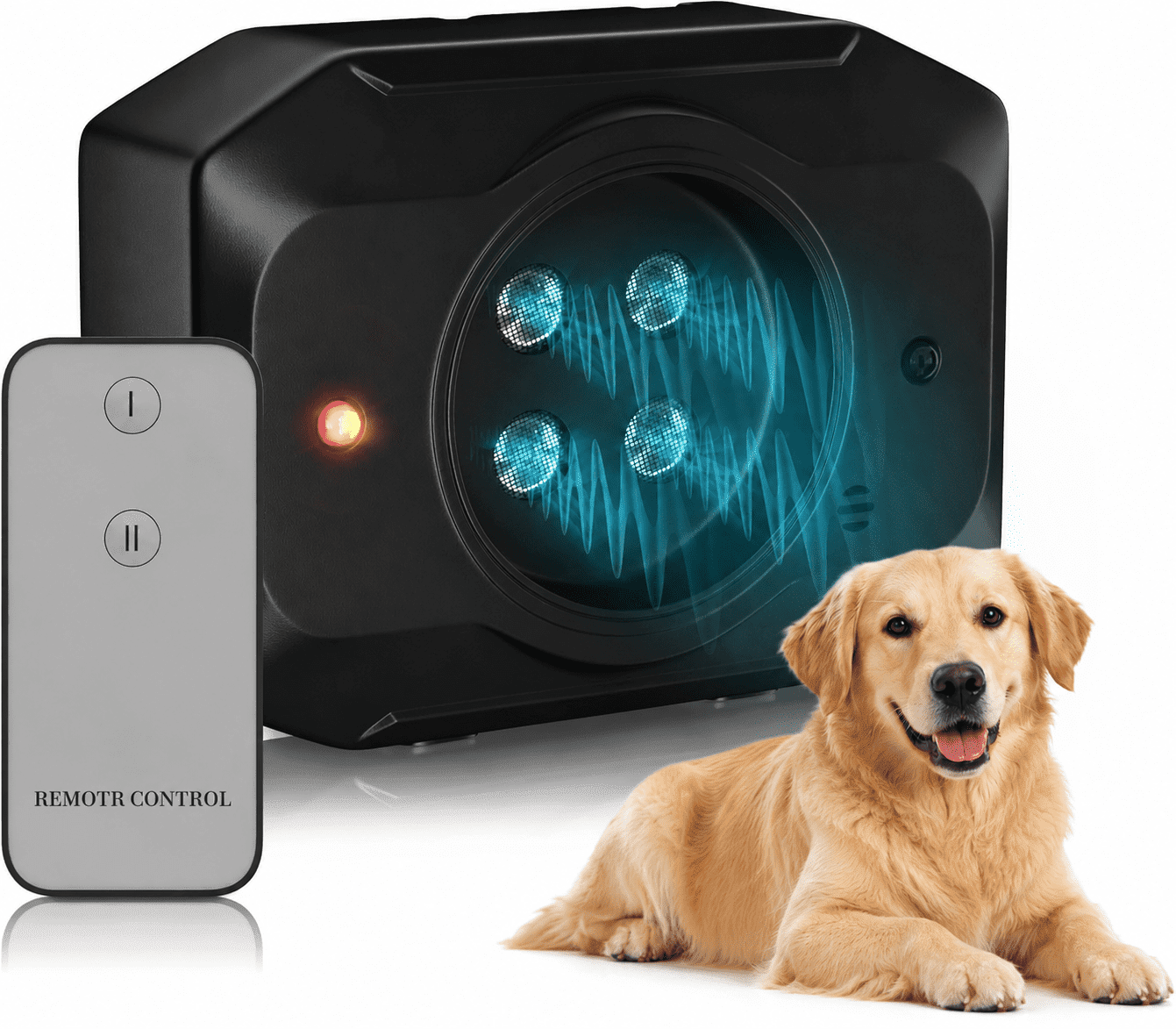
An indoor unit may help with barking at windows or hallway sounds. An outdoor box may cover a yard or boundary area, but its stated range is often measured under ideal conditions.
Before buying, look for clear details about range, weather resistance, battery life, sensitivity, and the correction type.
Why dogs bark in the first place
Understanding the cause is more useful than asking only what is a bark box to stop barking. Barking is communication. It can signal excitement, fear, frustration, pain, boredom, or a desire for attention.
Common causes include:
• Alarm barking: The dog reacts to people, animals, cars, or sounds.
• Territorial barking: The dog tries to protect the home or yard.
• Attention barking: The dog has learned that barking brings food, play, eye contact, or movement from a person.
• Fear barking: The dog feels unsafe and wants distance.
• Boredom barking: The dog lacks exercise, play, training, or mental work.
• Separation-related barking: The dog vocalizes when left alone.
• Social barking: The dog responds to other dogs nearby.
• Pain or illness: A sudden change in barking can signal a medical problem.
A bark box to stop barking may reduce the sound without treating the cause. That creates a risk: the dog may feel more worried but lose its normal way to warn you. For this reason, sudden, intense, or unusual barking deserves attention rather than automatic punishment.


Is a bark box to stop barking safe?
Safety depends on the device, the dog, and how the product is used. Sound-only and vibration products are generally less invasive than shock-based collars, but “gentle” does not mean harmless for every dog.
A fearful dog may become more anxious when a strange sound appears during an already stressful moment. A sensitive dog may also react poorly to vibration or spray. Static devices can cause pain, fear, skin irritation, and confusion, especially when the bark is caused by anxiety.
Many veterinary behavior professionals favor reward-based training over punishment-based methods. Major animal welfare groups also warn that aversive tools can damage trust and may worsen fear or aggression in some dogs.
Avoid using a bark-control device when:
• Your dog is barking from fear, panic, or separation distress.
• The barking started suddenly.
• Your dog shows aggression, trembling, hiding, pacing, or other stress signs.
• The device can affect nearby dogs.
• You cannot supervise the dog.
• The product has no reliable sensitivity controls.
• The collar is too tight, damaged, or poorly fitted.
• You are using it as the only training method.
Never use a bark box to stop barking as a substitute for veterinary care. A vet can check for pain, hearing changes, cognitive decline, or other health problems. A qualified behavior professional can help when fear, aggression, or separation anxiety is involved.

Benefits and limits of a bark box
A bark box to stop barking can offer short-term help in some homes. It may interrupt barking while you close the curtains, call your dog away from the window, or begin a training exercise.
Potential benefits include:
• It can alert you when barking starts.
• It may interrupt repetitive barking for a short time.
• It can support a broader training plan.
• Some sound-only models affect people less than loud verbal corrections.
• It may help reduce barking at a fence when used with supervision.
The limits are just as important:
• It may not work for every dog.
• It can respond to the wrong sound.
• It may stop warning signals without reducing fear.
• It does not teach a replacement behavior.
• Some dogs become used to the sound or vibration.
• It may affect other dogs in the home.
• It cannot solve boredom, pain, isolation, or separation anxiety by itself.
In practice, the biggest mistake is expecting a device to do the work of training. A dog needs clear feedback. Quiet behavior should lead to something good, such as a treat, toy, access to the yard, or calm praise.

How to use a bark box more responsibly
If you choose to use a bark box to stop barking, treat it as one small part of a plan. Do not place it in the yard and leave the dog outside for hours. Supervision helps you notice stress and reward quiet behavior at the right time.
Use these steps:
-
Find the trigger. Write down when barking happens, what the dog sees or hears, and how long it lasts.
-
Rule out health problems. Contact a veterinarian if the barking is new, intense, or linked with pain or unusual behavior.
-
Reduce the trigger. Close blinds, move furniture away from windows, use white noise, or create a quieter rest area.
-
Teach a replacement behavior. Ask for “come,” “look,” “sit,” or “go to your mat.”
-
Reward calm behavior. Give a small treat within a second or two of quiet behavior.
-
Introduce the device carefully. Follow the product instructions and start with the least intense setting.
-
Watch body language. Stop if the dog pants heavily, trembles, hides, freezes, licks its lips, or tries to escape.
-
Review results. If barking returns as soon as the device is gone, the underlying lesson has not been learned.
One practical lesson from working through barking cases is that timing matters more than volume. People often shout “quiet” after several minutes of barking, then reward the dog with attention when it finally stops. The dog may learn that loud barking makes people respond. Mark the first calm pause instead.

Better training methods for barking
A bark box to stop barking works best, if at all, when paired with humane training. The goal is not perfect silence. Dogs are allowed to communicate. The goal is fewer, shorter, and calmer barking episodes.
Teach “quiet”
Start in a low-distraction room. Allow one bark, then say “quiet” in a calm voice. When the dog pauses, give a treat. Gradually increase the quiet time before the reward.
Do not repeat the cue again and again. If the dog does not understand, lower the difficulty and make the trigger less intense.
Reward “go to mat”
Place a mat several feet from the door or window. Reward your dog for stepping on it, lying down, and staying calm. Practice when no visitors are present.
Later, use the mat when someone knocks. This gives the dog a job that is incompatible with rushing to the door and barking.
Manage window barking
Use curtains, frosted window film, or a baby gate. Move the dog to another room before predictable triggers, such as school buses or mail delivery.
Management is not failure. It prevents repeated practice of the unwanted behavior while training builds new habits.
Add exercise and mental work
A walk, scent game, food puzzle, or short training session can help meet a dog’s needs. Exercise alone will not cure anxiety, but under-stimulation can make barking worse.
Give chews and puzzle toys safely. Choose products that match your dog’s size and chewing style, and supervise when needed.
Support dogs that bark when alone
Do not use a bark box to stop barking for a dog with possible separation anxiety without professional guidance. The device can increase distress while you are away.
A behavior plan may include gradual alone-time practice, enrichment, environmental changes, and veterinary treatment when appropriate.
How to choose a bark-control device
If you still plan to buy one, compare products with care. A cheap device with poor detection can create more problems than it solves.
Look for:
• A clear explanation of how barking is detected.
• Adjustable sensitivity.
• A warning tone before any stronger response.
• A low-intensity starting level.
• Automatic shutoff.
• Reliable fit and comfortable materials.
• Weather protection for outdoor use.
• A return policy.
• Clear instructions and safety warnings.
• Independent reviews that discuss false triggers.
Avoid products that promise instant obedience, claim to work for every dog, or encourage high-intensity corrections as the first step. Marketing language is not proof of safety or effectiveness.
For many families, a sound-only device used briefly and with supervision is a more cautious option than a shock collar. Even then, observe the dog rather than assuming silence equals comfort.
When to contact a professional
Contact a veterinarian if barking appears suddenly, happens at night, or occurs with limping, appetite changes, confusion, pain, or unusual restlessness.
Seek help from a certified behavior professional when barking includes:
• Lunging or biting attempts.
• Severe fear.
• Panic when left alone.
• Destructive behavior.
• Self-injury.
• Resource guarding.
• Repeated escape attempts.
A professional can identify the trigger and create a plan based on distance, rewards, management, and gradual exposure. This is often faster and safer than trying several bark-control products without knowing the cause.
If neighbors are affected, be honest and proactive. Explain that you are working on the issue, reduce the dog’s access to triggers, and keep a record of training steps. A calm plan can prevent a stressful problem from becoming a community dispute.
Frequently Asked Questions About What Is a Bark Box to Stop Barking
Is a bark box the same as BarkBox?
No. BarkBox is a subscription service for dog toys and treats. A bark box to stop barking usually means an anti-bark device that detects vocalizations and responds with sound, vibration, spray, or another signal.
Does a bark box to stop barking really work?
It may interrupt barking for some dogs, but results vary. It often works best when combined with trigger management and reward-based training rather than used as a stand-alone solution.
Are ultrasonic bark boxes safe for dogs?
Ultrasonic devices are not painful for every dog, but some dogs may find the sound stressful or confusing. Stop using one if your dog shows fear, avoidance, trembling, or other signs of distress.
Can a bark box stop separation anxiety?
No. Separation anxiety involves distress when a dog is alone, and a bark-control device may make that distress worse. A veterinarian or qualified behavior professional should guide treatment.
Should I use a bark box outside?
Outdoor use requires supervision, careful placement, and attention to nearby dogs. Do not leave a dog outside for long periods with an anti-bark device as the only solution.
What is the best alternative to a bark box?
The best alternative is a plan that identifies the trigger, prevents repeated barking, teaches a calm replacement behavior, and rewards quiet moments. Veterinary advice is important when barking is linked to fear, pain, aggression, or being left alone.
Conclusion
A bark box to stop barking is usually an anti-bark device, not the BarkBox toy subscription. It may interrupt noise, but it cannot explain the barking, treat anxiety, or teach your dog what to do instead.
Start by finding the cause. Use management, calm training, rewards, exercise, and professional help when needed. If you try a device, choose the least intrusive option, supervise closely, and stop if your dog shows stress. Take time to observe your dog, build a clear plan, and share your experience or questions in the comments.

Pet Care Writer & Researcher
Daniel writes practical guides on daily care, feeding, and safety, turning complex topics into simple, actionable advice.




7 Comments