Are Bark Collars Bad For Dogs: The Safety Truth

Are bark collars bad for dogs? Learn about safety risks, humane alternatives, and expert tips to choose the best training approach.

Bark collars are not always harmful, but aversive types can cause fear, stress, and worsen a dog’s behavior.

The answer to “are bark collars bad for dogs” depends on the collar type, the dog, and how it is used. Veterinary behavior experts often recommend finding the reason for barking first, then using reward-based training and humane management before considering any bark-control device.

What Is a Bark Collar?
Source: amazon.com

What Is a Bark Collar?

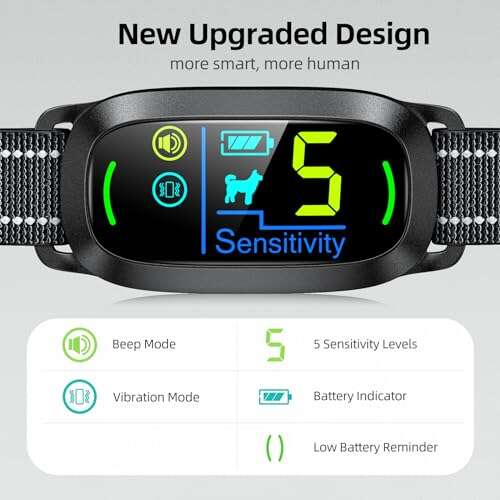
A bark collar is a device that reacts when a dog barks. It may give a sound, vibration, spray, or electric shock. Some collars use a microphone, while others also sense throat movement to reduce false triggers.

The goal is to interrupt barking. However, stopping a sound does not always solve the cause. A dog may bark because it feels afraid, lonely, excited, bored, or protective.

Common bark collar types include:

Tone collars: Emit a beep when the dog barks.

Vibration collars: Send a buzzing sensation through the collar.

Spray collars: Release citronella or another scent near the dog’s nose.

Static or shock collars: Deliver an electric stimulus at one or more levels.

Ultrasonic devices: Make a high-pitched sound that may interrupt barking.

The design and settings matter, but the dog’s emotional state matters more. A tool that seems mild to one dog may be frightening to another.
Are Bark Collars Bad for Dogs?
Source: internationalcompetitionnetwork.org

Are Bark Collars Bad for Dogs?

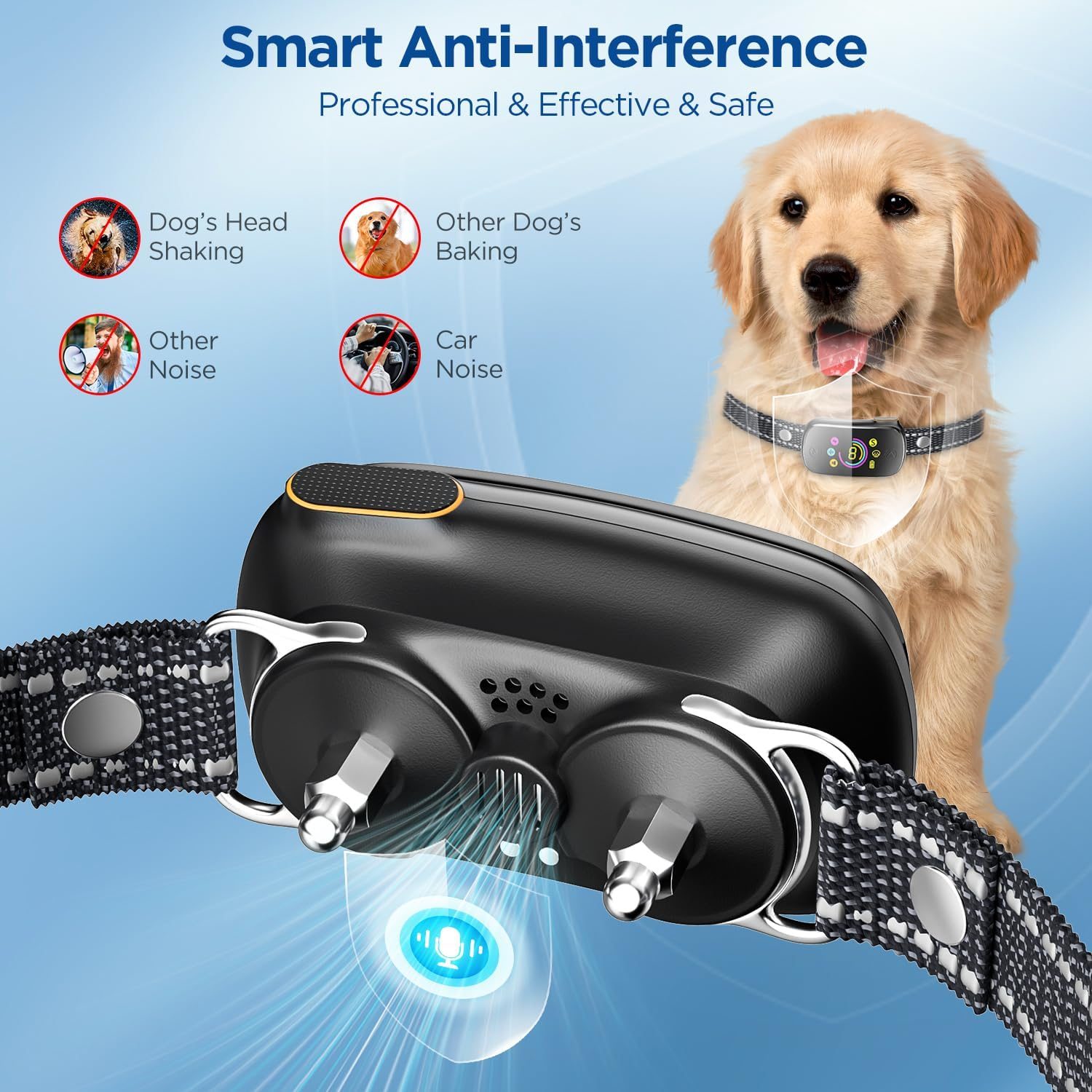
Bark collars can be bad for dogs when they rely on pain, fear, surprise, or repeated punishment. Static shock collars raise the greatest welfare concerns, especially when owners use high settings or leave the collar on for long periods.

Research and professional guidance on aversive dog training link punishment-based methods with increased stress and fear. These methods may also damage trust between a dog and its owner. Some dogs stop barking but remain anxious, which means the problem has been hidden rather than fixed.

That does not mean every bark collar causes the same level of harm. A well-designed tone or vibration collar may be less risky than a shock collar, but it can still startle a sensitive dog. A spray collar may also upset a dog or fail to address the reason for barking.

When asking “are bark collars bad for dogs,” consider these risks:

Fear: The dog may connect the correction with a person, another dog, a visitor, or a place.

Anxiety: Repeated surprises can make a nervous dog more tense.

Aggression: A fearful dog may growl, snap, or bite when it cannot escape a trigger.

Confusion: If the timing is poor, the dog may not understand what caused the correction.

Learned helplessness: Some dogs may stop trying to respond because they expect something unpleasant.

False punishment: The collar may react to another dog’s bark or a loud sound.

The American Veterinary Society of Animal Behavior supports reward-based training and warns about the risks of aversive tools. The exact outcome varies, but the safest approach is to avoid pain and fear whenever possible.

Why Do Dogs Bark?
Source: amazon.com

Why Do Dogs Bark?

Barking is normal communication. It becomes a problem when it is constant, intense, unsafe, or disruptive. Before choosing a collar, identify what your dog is trying to say.

Common causes of barking

Alarm barking: Your dog reacts to people, animals, cars, or sounds.

Fear barking: Your dog feels threatened and wants distance.

Attention barking: Your dog learns that barking brings food, play, eye contact, or movement.

Boredom barking: Your dog lacks exercise, enrichment, or social contact.

Separation-related barking: Your dog becomes distressed when left alone.

Frustration barking: Your dog sees something it cannot reach, such as a squirrel outside a window.

Pain or illness: A sudden change in barking may signal a medical problem.

A dog barking at the mail carrier needs a different plan from a dog barking when left alone. A bark collar may interrupt both sounds, but it does not teach the same lesson in each case.

For example, a dog with separation anxiety may bark because it is panicking. Punishing that bark can increase distress. In this case, the right plan may include a veterinary check, gradual alone-time training, enrichment, and help from a qualified behavior professional.

When Bark Collars May Be Especially Risky
Source: internationalcompetitionnetwork.org

When Bark Collars May Be Especially Risky

Some dogs are more likely to suffer from bark collar use. Puppies, senior dogs, fearful dogs, and dogs with anxiety need careful handling. A collar can also be dangerous when the owner cannot watch the dog’s response.

Avoid using a bark collar without professional advice if your dog:

• Shows fear, trembling, hiding, or escape attempts

• Growls, lunges, snaps, or bites

• Has a history of abuse or harsh training

• Barks when alone

• Has a medical condition that affects hearing, skin, or nerves

• Is under six months old

• Wears the collar around many other barking dogs

• Barks because of pain, confusion, or age-related changes

Never use a bark collar as a substitute for veterinary care. A sudden increase in barking may come from pain, hearing loss, cognitive decline, or another health issue.

Fit also matters. A tight collar can cause skin damage, pressure sores, and discomfort. A collar that is too loose may fail to work and may get caught on objects.

Do Bark Collars Work?
Source: amazon.com

Do Bark Collars Work?

Bark collars may reduce barking in some dogs, at least for a short time. That result does not prove the method is safe or that the dog has learned a better behavior.

A dog may stop barking because it expects an unpleasant event. It may still feel upset each time a visitor arrives. In some cases, the dog shifts to whining, pacing, scratching, or destructive behavior.

The answer to “are bark collars bad for dogs” should include both effectiveness and welfare. A tool can reduce noise while creating a new problem.

Bark collars are also less reliable when:

• Several dogs bark at once

• The dog barks from another room

• Wind, traffic, or household sounds trigger the device

• The dog has thick fur that affects contact

• The collar is poorly fitted

• The bark comes from distress rather than habit

A collar should never be tested casually on a dog with aggression or severe fear. If barking is linked to risk, work with a veterinarian or certified behavior consultant.

Safer Alternatives to Bark Collars
Source: visafs.mx

Safer Alternatives to Bark Collars

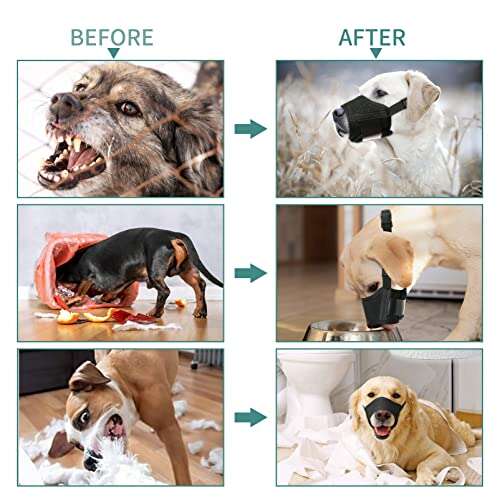
Reward-based training is usually the best place to start. It teaches your dog what to do instead of only trying to stop what you dislike.

1. Find the trigger

Keep a simple barking log for several days. Write down the time, location, trigger, length of barking, and what happened next.

Patterns often appear quickly. Your dog may bark only at dusk, when children walk past, or during long periods alone.

2. Reduce the trigger

Management prevents practice. Close blinds, use window film, move furniture away from windows, or play soft background noise.

If your dog barks at the yard fence, use a visual barrier or limit unsupervised outdoor time. This does not cure the cause, but it lowers stress while training begins.

3. Reward calm behavior

Give a treat when your dog notices a trigger and stays quiet. Start far enough away that your dog can still think and eat.

Over time, reward calm looks, relaxed body language, and attention toward you. Small rewards can build a strong habit.

4. Teach a quiet cue

Wait for a brief pause in barking. Say “quiet” in a calm voice, then reward the silence. Do not shout, because your dog may think you are barking too.

Keep sessions short. Several one-minute sessions may work better than one long session.

5. Provide daily enrichment

A dog with a full body and mind is often easier to train. Try:

• Sniff walks

• Food puzzles

• Short obedience games

• Chew items approved for your dog

• Scent games around the home

• Play with clear start and stop cues

6. Treat separation anxiety correctly

Do not punish barking that occurs when your dog is alone. Use gradual departures, safe enrichment, and professional support.

A veterinarian may also discuss treatment if anxiety is severe. Many dogs need a complete plan rather than a single device.

How to Choose Humane Bark Control
Source: amazon.com

How to Choose Humane Bark Control

If you are still considering a bark-control product, choose the least intrusive option and monitor your dog closely. A device should not cause pain, panic, or lasting fear.

Look for:

• Tone or vibration settings that can be turned off

• Reliable bark detection

• Adjustable sensitivity

• Clear instructions

• A short trial period

• Automatic shutoff

• A comfortable, safe fit

Avoid collars that promise instant obedience or use language about “dominance.” Good training is not about overpowering a dog. It is about making the right behavior clear and rewarding.

Test any non-aversive device while you are present. Stop if your dog freezes, pants, hides, scratches at the collar, avoids you, or shows unusual behavior. These signs suggest that the device is causing distress.

Do not leave a bark collar on all day or overnight. Check the neck often for redness, swelling, hair loss, or sores. Remove the collar during play with other dogs unless the product instructions and a professional say it is safe.

From cases I have reviewed, the most common mistake is using a collar before identifying the trigger. Owners often focus on the noise because it is frustrating, but the barking is only the visible part of the problem. Once the trigger is managed, training is usually clearer and kinder.

What Experts Recommend
Source: walmart.com

What Experts Recommend

Modern veterinary behavior guidance generally favors reward-based training. This approach uses food, play, praise, access, and calm repetition to strengthen useful behavior.

Professional groups have raised concerns about shock and other aversive training methods. Studies have found that reward-based methods can support better welfare and may improve the dog-owner relationship.

Still, research has limits. Dogs differ widely, and not every study measures the same collar, setting, or training plan. A vibration collar is not identical to a shock collar, and a short supervised use is not the same as constant wear.

A balanced decision should consider:

• The cause of barking

• The dog’s age and temperament

• The collar’s type and intensity

• The owner’s ability to supervise

• Other training options

• The risk of fear or aggression

When in doubt, ask your veterinarian for a medical check. You can also seek help from a board-certified veterinary behaviorist or a reward-based certified dog trainer.

Practical Steps for a Barking Dog
Source: amazon.com

Practical Steps for a Barking Dog

Use this simple plan before buying a bark collar:

  1. Schedule a veterinary check if the barking is new, intense, or linked to pain.

  2. Record the pattern for three to seven days.

  3. Remove or reduce triggers near windows, doors, fences, and crates.

  4. Add exercise and mental work that fit your dog’s age and health.

  5. Reward quiet moments before barking becomes intense.

  6. Teach an alternative behavior, such as looking at you, going to a mat, or sitting.

  7. Get professional help if fear, aggression, or separation distress is involved.

  8. Review progress weekly and change the plan if your dog seems more anxious.

This plan may take longer than pressing a button, but it builds a skill your dog can use in real life. The goal is not just a quiet home. It is a calmer, safer dog.

Are Bark Collars Bad for Dogs? Frequently Asked Questions

Are shock bark collars cruel?

Shock bark collars can cause pain, fear, and stress, especially when used at high levels or without careful training. Many veterinary behavior professionals recommend reward-based methods instead.

Can bark collars cause aggression?

They can increase fear or frustration in some dogs, and those emotions may appear as growling, lunging, or biting. A dog that already shows aggression should not use an aversive bark collar without expert guidance.

Are vibration bark collars safe?

Vibration collars are usually less aversive than shock collars, but they can still startle or upset sensitive dogs. Stop using one if your dog shows fear, avoidance, freezing, or distress.

Can a bark collar stop separation anxiety?

No. A bark collar may suppress the sound while the dog remains highly distressed. Separation anxiety needs gradual training, careful management, and sometimes veterinary treatment.

How old should a dog be before using a bark collar?

There is no universal safe age for every device, but puppies should not wear bark collars as a quick training fix. Young dogs need basic reward-based training and an assessment of why they bark.

What is the best alternative to a bark collar?

The best alternative is a plan based on the cause of barking. This may include trigger management, reward-based training, enrichment, and help from a veterinarian or qualified behavior professional.

Conclusion

So, are bark collars bad for dogs? Aversive collars, especially shock collars, can create fear, stress, confusion, and new behavior problems. Tone, vibration, and spray products may be less intense, but they still require care and may not solve the real cause of barking.

Start with a health check, identify the trigger, reduce exposure, and reward calm behavior. With patience and the right support, you can improve barking while protecting your dog’s trust and emotional well-being. Explore reward-based training resources or speak with a qualified professional before choosing any bark-control device.

Similar Posts

Leave a Reply

Your email address will not be published. Required fields are marked *