
Do German Shorthaired Pointers Bark A Lot: Barking Facts
Do German Shorthaired Pointers Bark A Lot? Learn why they bark, how much to expect, and practical ways to manage excessive barking.
German Shorthaired Pointers may bark often, but training, exercise, and the reason behind each bark matter most.
So, do German Shorthaired Pointers bark a lot? The honest answer is that they are alert, energetic hunting dogs that may become loud when bored, excited, lonely, or undertrained. With enough daily activity and clear guidance, most can learn to bark less and settle well at home.
Do German Shorthaired Pointers Bark a Lot?
German Shorthaired Pointers are not usually considered nonstop barkers. Still, they are active, watchful dogs with strong senses and a need for regular work. When those needs are missed, barking can become their way to release energy or ask for attention.
The breed was developed to hunt and search across large areas. That background helps explain why many German Shorthaired Pointers notice birds, squirrels, people, cars, and strange sounds quickly. Some will bark to alert you, while others may bark because they want to chase or investigate.
In short, do German Shorthaired Pointers bark a lot? They can, especially without enough exercise and mental stimulation. Their barking level depends on the dog’s age, personality, training, daily routine, and living space.
The American Kennel Club describes the breed as intelligent, energetic, and eager to work. These traits are wonderful, but they also mean a German Shorthaired Pointer may struggle with a quiet, inactive lifestyle.

Why Do German Shorthaired Pointers Bark?
Barking is communication. Before trying to stop it, identify what your dog is trying to say. A German Shorthaired Pointer may bark for several common reasons.
Alert barking
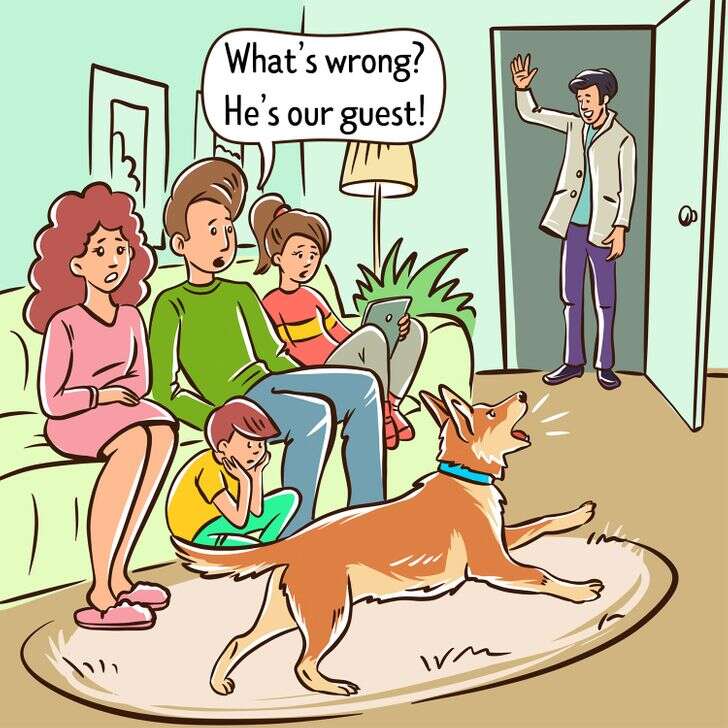
Many German Shorthaired Pointers bark when they hear a delivery truck, see a stranger, or notice movement outside. This type of barking often comes in short bursts. Your dog may then look at you as if asking whether the situation is safe.
Alert barking is normal. The goal is not always to remove it completely. A better goal is to teach your dog to alert you once or twice and then become quiet.
Boredom and excess energy
A bored German Shorthaired Pointer can become noisy, restless, and destructive. Barking may increase when the dog spends long hours alone without exercise or a job.
A short walk around the block may not be enough for this breed. Many need a mix of brisk walks, running, scent games, retrieving, obedience work, and free play.
Excitement
Some dogs bark when they see a leash, another dog, a favorite toy, or a family member coming home. Excitement barking may include jumping, spinning, whining, and racing around the room.
This behavior can become stronger when people respond with loud voices or immediate play. From the dog’s view, the barking worked. It created action.
Frustration
A dog may bark when it cannot reach something it wants. Common examples include barking at squirrels through a window, pulling toward another dog, or vocalizing when a toy is out of reach.
Frustration barking often appears during leash walks or fence time. It may sound sharp and intense, but it is not always a sign of aggression.
Separation distress
Some German Shorthaired Pointers bark when left alone because they feel worried, not because they are being stubborn. Other signs may include pacing, drooling, scratching doors, chewing, or attempts to escape.
Separation anxiety requires a careful plan. Punishment can make the fear worse. A veterinarian or certified behavior professional can help assess the problem and create a gradual training program.
Fear or discomfort
A dog may bark at thunder, fireworks, unfamiliar people, slippery floors, or strange objects. Fear barking often comes with a lowered body, pinned ears, tucked tail, or attempts to move away.
Pain can also cause a normally quiet dog to bark more. A sudden change in vocal behavior deserves a veterinary check.

Are German Shorthaired Pointers More Vocal Than Other Dogs?
German Shorthaired Pointers are often more vocal than calm companion breeds, but they are not typically known as extreme barkers. Their energy and alert nature make them more likely to react to activity around them.
Every dog is different. One German Shorthaired Pointer may rarely bark, while another may announce every squirrel, jogger, and backyard sound. Genetics, early socialization, past experiences, and daily habits all play a role.
Breed comparisons can also be misleading. A quiet dog may still develop serious barking if it is anxious or bored. Likewise, an energetic breed may remain peaceful when its physical and mental needs are met.
Do German Shorthaired Pointers bark a lot compared with low-energy breeds? Often, yes. Compared with highly vocal breeds, such as some hounds or herding dogs, their barking may be moderate.
The best question is not only how often the dog barks. Ask when the barking happens, how long it lasts, and whether the dog can calm down after the trigger disappears.

How Much Exercise Does a German Shorthaired Pointer Need?
Exercise is one of the most important answers to the question, do German Shorthaired Pointers bark a lot? A dog with unused energy may search for its own activity. Barking, digging, chewing, and chasing can become self-made entertainment.
Adult German Shorthaired Pointers often need substantial daily activity. Their needs vary with age, health, weather, and training, but many thrive with a combination of:
• A brisk walk, hike, run, or safe off-leash session
• Fetch, swimming, or other retrieving games
• Scent work that encourages slow, focused searching
• Short obedience sessions
• Puzzle feeders and food-dispensing toys
• Calm time after exercise
Exercise should not mean endless high-speed activity. Constantly throwing a ball may create a fitter, more frantic dog. Balance active games with scent work, chewing, basic training, and rest.
Puppies need special care. Their bones and joints are still developing, so forced running and repeated jumping can cause problems. Ask your veterinarian how to match exercise with your puppy’s age and body condition.
Older dogs also need activity, but the pace may need to change. Gentle walks, scent games, swimming, and low-impact training can keep an older German Shorthaired Pointer content.

How to Stop Excessive Barking
Stopping excessive barking begins with finding the cause. A simple training plan can help, but it must be consistent.
1. Track the barking
For several days, write down:
• What happened before the barking
• Where your dog was
• How long the barking lasted
• What stopped it
• Whether your dog looked excited, afraid, frustrated, or bored
This record can reveal a pattern. For example, your dog may bark only at the front window during the afternoon. That points to a visual trigger, not a general behavior problem.
2. Reduce easy triggers
Management is not a shortcut. It prevents your dog from practicing the unwanted habit.
You can:
• Close curtains during busy times
• Use frosted window film
• Move furniture away from windows
• Keep your dog away from the front door during deliveries
• Play soft background noise
• Use a secure fence
• Avoid leaving your dog outside alone for long periods
Each quiet moment matters. The more often a dog rehearses barking, the more automatic it can become.
3. Teach a calm response
Use a calm cue such as “quiet” after your dog notices a trigger. Wait for a brief pause, then reward the silence with a small treat.
At first, reward one second of quiet. Later, build to three seconds, five seconds, and longer. Do not repeat the cue over and over. Give it once, then help your dog succeed.
4. Reward an alternative behavior
Your dog cannot bark and perform every behavior at the same time. Teach a replacement such as:
• Looking at you
• Going to a mat
• Sitting
• Bringing you a toy
• Lying down
For example, when someone knocks, ask your dog to go to a bed. Reward the dog for staying there. This gives the barking energy a new path.
5. Provide daily mental work
Training uses the brain. Five minutes of focused scent work may tire a dog more effectively than a long walk with no chance to think.
Try hiding treats around one room, placing kibble in a puzzle toy, or teaching simple cues such as “touch,” “find it,” and “wait.”
6. Avoid punishment
Yelling can sound like barking to your dog. Shock collars and harsh corrections may suppress noise while increasing fear or stress. They can also make a dog more reactive.
Reward-based training is supported by modern veterinary behavior guidance. It teaches the dog what to do instead of only punishing what you dislike.

Common Mistakes That Make Barking Worse
Many owners ask, do German Shorthaired Pointers bark a lot even after training? Sometimes the training plan accidentally rewards the behavior.
One common mistake is giving attention during barking. Talking, opening the door, throwing a toy, or offering food may teach the dog that barking gets results.
Another mistake is waiting until the dog is fully worked up. Training is easier when your dog is mildly alert but still able to think. Once the dog is frantic, learning becomes much harder.
Inconsistent rules also create confusion. If barking at the window is allowed on Monday but corrected on Tuesday, your dog may bark more while trying to discover which response works.
Other errors include:
• Using too little exercise
• Expecting a young dog to remain calm for long hours
• Leaving a highly social dog alone all day
• Relying only on physical exercise
• Ignoring signs of fear or pain
• Allowing fence running and repeated barking
• Rewarding silence too late
A practical lesson from behavior work is simple: make calm behavior easy to repeat. Set up the home so your dog has fewer chances to bark and more chances to earn rewards for being quiet.

Barking in Puppies, Adults, and Senior Dogs
Age changes the reason behind barking. A puppy may bark because the world feels new. It may also bark for attention, play, food, or contact with its mother and littermates.
Puppies need gentle socialization. Expose them to new sounds, people, surfaces, and places at a safe pace. Do not force a frightened puppy toward a trigger. Pair new experiences with treats and calm praise.
Adult German Shorthaired Pointers often bark because of routine problems, excitement, boredom, or environmental triggers. This is the stage when clear rules, daily work, and regular training make the biggest difference.
Senior dogs may bark more because of hearing loss, vision changes, pain, confusion, or canine cognitive decline. A veterinarian should assess a sudden increase in barking, especially if it occurs at night or with other behavior changes.
Do German Shorthaired Pointers bark a lot as they age? Some do, but increased barking should not be dismissed as normal aging. Health problems can change behavior.

Do German Shorthaired Pointers Bark at Night?
Some German Shorthaired Pointers bark at night when they hear wildlife, outdoor sounds, neighbors, or household movement. A dog that sleeps outdoors may react to every change in the environment.
Night barking may also come from loneliness or separation distress. Bringing the dog indoors, adding a steady bedtime routine, and using background noise may help.
Before bedtime, offer a calm walk, a bathroom break, and a quiet activity such as a stuffed food toy. Avoid intense games right before sleep because they may increase arousal.
If nighttime barking begins suddenly, schedule a veterinary exam. Pain, urinary problems, hearing changes, and cognitive issues can disturb sleep.

Are German Shorthaired Pointers Good Apartment Dogs?
A German Shorthaired Pointer can live in an apartment, but a small home does not remove the breed’s need for activity. A dedicated owner may succeed with a strong routine, nearby walking areas, and daily enrichment.
The main challenge is not the apartment itself. It is the lack of exercise, noise control, and space to settle. A dog that spends the day alone may bark at hallway sounds or become restless.
Apartment owners should plan for:
• Morning exercise before work
• Training and puzzle activities during the day
• Quiet rest after activity
• Leash manners in shared spaces
• Window management
• A reliable plan for bathroom breaks
Do German Shorthaired Pointers bark a lot in apartments? They may if they hear frequent hallway noise or lack activity, but thoughtful management can reduce the problem.
When Should You Contact a Professional?
Contact your veterinarian if barking is sudden, intense, or linked with signs of illness. A medical issue should be ruled out before treating the behavior as a training problem.
A qualified behavior professional can help when:
• Your dog shows fear or aggression
• Barking lasts for long periods
• Your dog damages doors or windows
• Separation distress is suspected
• Training has not improved the behavior
• Neighbors are affected
Look for a certified veterinary behaviorist or a reward-based trainer with recognized professional credentials. Ask how they handle fear, anxiety, and reactivity before starting.
There is no universal timeline. Some dogs improve within weeks, while others need months of gradual practice. Progress may look like shorter barking episodes, faster recovery, or the ability to respond to a cue around mild triggers.
Frequently Asked Questions About Do German Shorthaired Pointers Bark a Lot
Do German Shorthaired Pointers bark more than most dogs?
They can be more vocal than calm, low-energy breeds because they are alert and active. However, they are not always excessive barkers, and training and exercise strongly affect their behavior.
Why does my German Shorthaired Pointer bark at everything?
Your dog may be reacting to sounds, movement, boredom, excitement, fear, or frustration. Track the triggers, reduce exposure, and reward calm behavior instead of correcting the noise alone.
Can you train a German Shorthaired Pointer not to bark?
You can teach better barking control, but expecting complete silence is not realistic. Reward a brief alert, teach a quiet cue, and train an alternative behavior such as going to a mat.
Do German Shorthaired Pointers bark when left alone?
Some do, especially when they are lonely, bored, or experiencing separation distress. Exercise, gradual alone-time training, enrichment, and professional help can reduce this behavior.
Are German Shorthaired Pointer puppies loud?
Puppies may bark often because they are learning how to communicate and control their impulses. Early socialization, short training sessions, naps, and consistent routines can prevent barking from becoming a habit.
Is barking a sign that my German Shorthaired Pointer is aggressive?
Not usually. Barking can signal alertness, excitement, fear, or frustration, so body language matters; a stiff posture, growling, lunging, or snapping requires careful assessment.
Conclusion
So, do German Shorthaired Pointers bark a lot? They may bark often when they are bored, under-exercised, anxious, excited, or reacting to sights and sounds. With daily physical activity, mental work, trigger management, and reward-based training, many become calm and pleasant house dogs.
Start by tracking when the barking happens. Meet your dog’s needs, reward quiet behavior, and seek veterinary or professional guidance when the behavior is sudden or severe. If you live with a German Shorthaired Pointer, share your experience and explore more evidence-based training resources to help your dog thrive.

Pet Care Writer & Researcher
Daniel writes practical guides on daily care, feeding, and safety, turning complex topics into simple, actionable advice.





9 Comments