What Can I Do About My Neighbor’s Barking Dog: Legal Tips
What can I do about my neighbor’s barking dog? Learn practical, respectful, and legal steps to restore peace and resolve the issue.
Speak calmly with your neighbor, document the noise, and use local animal-control or mediation services if it continues.
When a neighbor’s barking dog disrupts sleep, work, or peace at home, frustration can build fast. The best response is calm, clear, and step-by-step. Barking may come from boredom, fear, separation anxiety, poor training, or a medical issue, so the solution is not always as simple as telling the owner to be quiet.
This guide explains what can I do about my neighbor’s barking dog, from having a respectful talk to making a formal complaint. It also covers noise records, local laws, safety concerns, mediation, and practical ways to protect your peace without creating a larger dispute.

Start by understanding the barking
Before you act, notice when and how the dog barks. A dog that barks for five minutes when a delivery truck arrives is different from a dog that barks for hours every night.
Common reasons for barking include:
• Alert barking at people, animals, cars, or sounds
• Separation anxiety when the owner leaves
• Boredom or a lack of exercise
• Fear, pain, or illness
• Territorial behavior
• Hunger, thirst, heat, cold, or poor shelter
• A habit that the owner has not corrected
Keep a simple note for several days. Write down the date, start time, end time, location, and possible trigger. This helps you decide what can I do about my neighbor’s barking dog based on facts rather than guesswork.
Do not assume the owner knows how bad the noise is. Sound can travel in odd ways. The owner may hear a short burst indoors while you hear every bark through an open window or shared wall.

Talk to your neighbor first
A calm conversation is often the fastest way to solve a barking dog problem. Choose a neutral time when the dog is quiet. Do not confront the owner while you are angry or while the dog is in the middle of a barking episode.
Use specific, respectful language. For example:
“Hi, I wanted to mention something. Your dog has been barking for about an hour most evenings this week, often after 10 p.m. I thought you might not know because it may sound different inside your home.”
Then explain how the noise affects you. You might say that it wakes your child, interrupts remote work, or makes it hard to sleep. Avoid insults, threats, and labels such as “bad owner.” Those words can turn a fixable problem into a personal fight.
Offer useful information if you have it. A short recording can help the owner understand the sound, but do not record private conversations or enter the property. Ask whether the owner would be willing to try training, more exercise, indoor time, a vet visit, or another solution.
What if you feel unsafe speaking in person?
You do not have to approach someone who has threatened you, acts aggressively, or keeps dangerous animals. In that case, use a polite written message, contact property management, or ask a local mediation service to help.
Never enter the neighbor’s yard, touch the dog, or try to silence it yourself. A frightened dog may bite, even if it has seemed friendly before.

Keep a clear noise record
If the barking continues, create a factual record. A good log shows a repeated pattern and can support a landlord, homeowners association, mediator, animal-control officer, or court.
Record:
• The date and time the barking begins and ends
• Whether the barking is constant or occurs in bursts
• How loud or disruptive it is inside your home
• What may have triggered it
• Whether you contacted the owner
• How the owner responded
You may also use short recordings from inside your own home. Check your state’s privacy laws before recording conversations, people, or areas where others expect privacy. Focus on the dog and the noise, not on spying on your neighbor.
Do not exaggerate. A record that says “barking from 11:05 p.m. to 12:10 a.m.” is more useful than one that says “barking all night” when that was not true. Accurate notes make your complaint more credible.
Try practical solutions with the owner
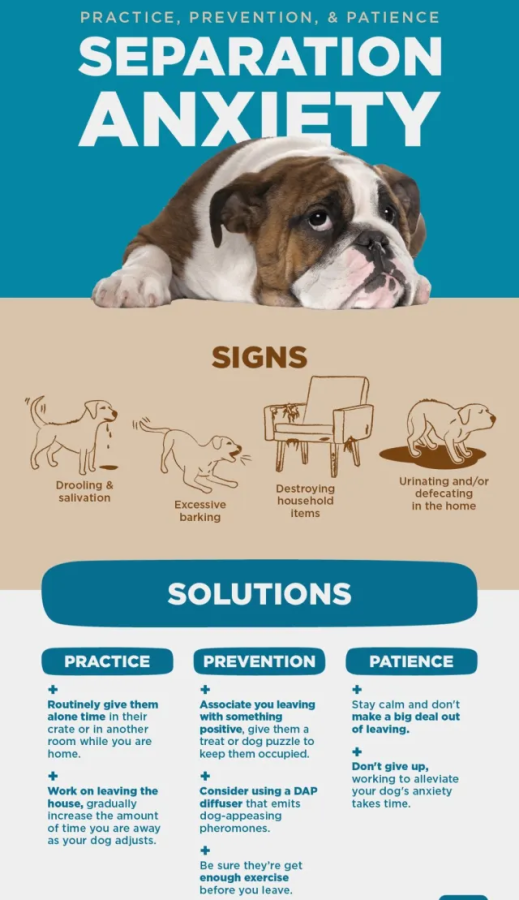
The right solution depends on the cause. A dog that barks from boredom may need daily walks, play, training, or puzzle toys. A dog with separation anxiety may need a behavior plan from a qualified trainer or veterinary behavior professional.
Possible steps include:
• Bringing the dog indoors during busy noise periods
• Closing blinds to reduce visual triggers
• Adding exercise and calm play
• Teaching a “quiet” cue with reward-based training
• Using a secure, comfortable resting area
• Visiting a veterinarian to check for pain or illness
• Working with a certified positive-reinforcement trainer
• Treating separation anxiety with professional guidance
Ultrasonic devices, shock collars, and punishment can have limits and risks. They may suppress a sound without fixing fear, stress, or anxiety. Some dogs become more distressed, and the barking may return when the device is removed.
Do not use a whistle, air horn, loud music, or another noise to punish the dog. This may increase the animal’s fear and disturb other neighbors. Your goal is a quieter home, not a louder conflict.

Check your local noise and animal-control rules
Barking laws vary by city, county, state, lease, and homeowners association. Some rules measure the length or frequency of barking. Others prohibit repeated noise that unreasonably disturbs a person’s peace, even if there is no exact time limit.
Search your local government website for terms such as:
• Barking dog complaint
• Animal noise ordinance
• Nuisance animal
• Excessive noise
• Animal control
• Code enforcement
Read the actual rule, not only a summary on a social media page. Some areas require written warnings, several reports, a specific number of witnesses, or recordings. Others ask residents to contact the owner before filing a formal complaint.
Noise rules may also include quiet hours. However, a barking dog can still violate a general nuisance rule outside those hours if the noise is severe or repeated. Local enforcement practices differ, so contact the relevant office for current instructions.

Contact the right agency
If a friendly conversation does not work, decide which agency fits the problem. Calling the wrong office can delay help.