What Foods Are Healthiest For Dogs: Best Healthy Choices
Learn what foods are healthiest for dogs, including nutritious fruits, vegetables, proteins, and safe treats to support your pet’s health.
The healthiest foods for dogs are complete diets with lean protein, balanced nutrients, and safe whole-food extras.
Knowing what foods are healthiest for dogs can help you support steady energy, healthy digestion, strong muscles, and a shiny coat. The best choices depend on your dog’s age, size, activity, health, and current diet. This guide brings together practical feeding advice, veterinary nutrition principles, safe human foods, foods to avoid, and simple ways to build better meals.

What foods are healthiest for dogs?
The healthiest foods for dogs are foods that provide balanced nutrition without too many calories, fillers, or unsafe ingredients. For most dogs, this means a complete and balanced commercial diet or a carefully planned homemade diet made with veterinary guidance.
A healthy dog diet usually includes:
• Animal or plant-based protein for muscle repair and body function
• Healthy fats for energy, skin, and coat health
• Carbohydrates for energy and fiber
• Vitamins and minerals for bones, nerves, blood, and immune health
• Water for every major body process
When people ask what foods are healthiest for dogs, they often expect one magic ingredient. In reality, good nutrition works more like a team sport. No single food can meet every need, but the right mix can support your dog for years.
Look for a dog food labeled “complete and balanced” for your dog’s life stage. In the United States, this usually means the food meets recognized nutrient profiles or has passed feeding trials. Your veterinarian can help you choose a diet that fits your dog’s needs.
The best protein foods for dogs
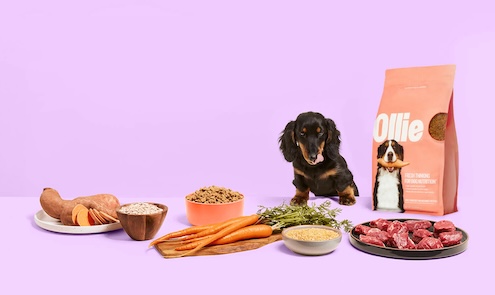
Protein helps dogs maintain muscle, skin, blood, enzymes, hormones, and immune defenses. Dogs can use protein from animal and plant sources, although the quality and balance of amino acids matter.
Healthy protein options include:
• Cooked chicken without bones or seasoning
• Turkey without skin, bones, or rich gravy
• Lean beef
• Lean pork, cooked well
• Eggs, fully cooked
• Salmon and other low-mercury fish
• Sardines packed in water with no added salt
• Plain cottage cheese in small amounts, if tolerated
• Complete commercial dog foods with named protein sources
Chicken, turkey, beef, and fish are common choices because most dogs enjoy them. Still, a food that works well for one dog may cause itching, loose stool, or gas in another.
Eggs can be a useful topper because they contain protein and several nutrients. Cook them fully, and skip butter, oil, salt, garlic, onions, and spices. Raw eggs can carry bacteria and may interfere with nutrient use when fed often.
Fish provides protein and omega-3 fats. Salmon can support skin and coat health, but it must be cooked. Never feed raw salmon from unsafe sources, as some fish can carry parasites that cause serious illness in dogs.

Healthy fruits and vegetables for dogs
Many fruits and vegetables can add fiber, water, and helpful nutrients to a dog’s diet. They should complement a balanced food, not replace it.
Safe choices include:
• Carrots, raw or cooked
• Green beans, plain and chopped
• cucumber
• Pumpkin puree with no added sugar or spices
• Sweet potatoes, cooked and plain
• Broccoli in small amounts
• Zucchini
• Apples without seeds or core
• Blueberries
• Strawberries
• Watermelon without seeds and rind
• Bananas in small portions
• Peas, plain and cooked
Pumpkin is often used as a gentle source of fiber. It may help some dogs with mild stool changes, but it is not a cure for diarrhea. Ongoing vomiting, diarrhea, blood in stool, pain, or weakness needs veterinary care.
Carrots are a popular low-calorie snack. They can be served as small raw pieces or lightly cooked. Cut them to match your dog’s size, since large chunks can become a choking risk.
Fruit contains natural sugar, so portions matter. A few blueberries may suit a small dog, while a larger dog may handle a small handful. Treats and extras should generally stay within about 10% of daily calories.

Whole grains and carbohydrates dogs can eat
Dogs can digest cooked carbohydrates, and many benefit from the energy and fiber they provide. Whole grains are not automatically unhealthy or “fillers.” Their value depends on the full recipe and your dog’s response.
Safe carbohydrate choices include:
• Brown rice
• White rice
• Oatmeal cooked in water
• Barley
• Quinoa, plain and cooked
• Plain pasta in small portions
• Cooked potatoes without butter or seasoning
• Cooked sweet potatoes
Rice is often easy to digest for dogs with temporary stomach upset, but it does not provide a complete diet by itself. A bowl of rice and chicken may be suitable for short-term use in some cases, yet it lacks several nutrients when fed for weeks.
Some dogs do well with grains, while others need a grain-free diet because of a specific medical reason. Grain-free food is not automatically healthier. Current veterinary guidance has raised concerns about possible links between some grain-free diets and diet-associated heart disease, especially when diets contain large amounts of peas, lentils, or potatoes.
Do not remove grains unless your veterinarian recommends it. True food allergies are less common than many owners assume, and a proper elimination diet is the best way to investigate them.
Healthy fats and oils for dogs
Fat provides concentrated energy and helps dogs absorb vitamins A, D, E, and K. It also supports the skin, coat, brain, and reproductive system.
Good sources may include:
• Fish oil made for pets
• Salmon in small portions
• Sardines packed in water
• The natural fat already present in a complete dog food
• Small amounts of cooked egg
Fish oil can provide EPA and DHA, two omega-3 fats that may support skin, joints, and inflammation control. Use a product made for pets and ask your veterinarian about the correct dose. Too much fish oil can cause stomach upset and may affect blood clotting.
Avoid adding large amounts of coconut oil, bacon grease, butter, or other rich fats. High-fat foods can cause weight gain and may trigger pancreatitis in sensitive dogs. A shiny coat does not require a greasy diet.
When considering what foods are healthiest for dogs, remember that more fat is not always better. The goal is the right amount for your dog’s body and activity level.
How to choose a healthy commercial dog food
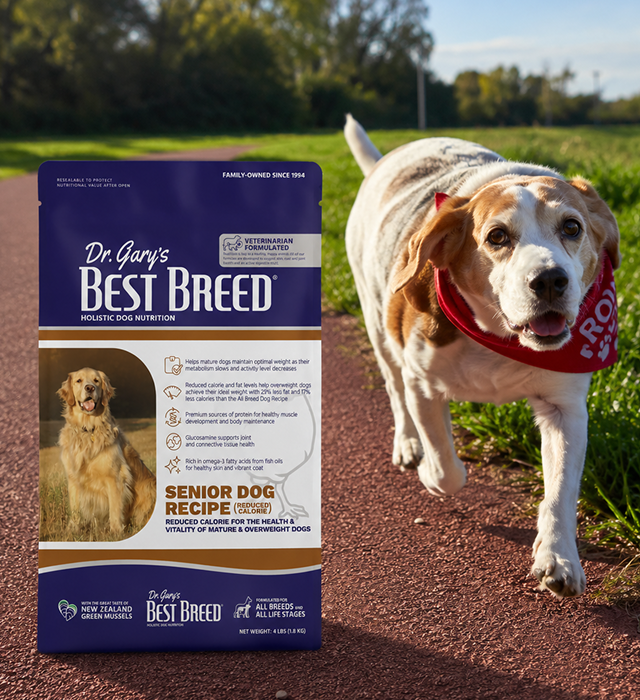
A complete commercial diet is often the safest and simplest way to feed a dog. It is formulated to provide a specific balance of protein, fat, vitamins, minerals, and calories.
Use these steps when comparing dog foods:
- Check the nutritional adequacy statement. Choose a food made for your dog’s life stage, such as puppy, adult maintenance, or senior.
- Review the calorie content. Two foods can look similar but provide very different calories per cup.
- Choose a reputable manufacturer with strong quality control and nutrition expertise.
- Look for clear feeding instructions, but adjust portions based on body condition.
- Consider your dog’s health needs, including allergies, kidney disease, diabetes, or weight concerns.
- Change foods slowly over about seven days to reduce digestive upset.
The ingredient list matters, but it does not tell the whole story. Ingredients appear by weight, and some ingredients contain more water than others. A long ingredient list is not automatically better, and a short list is not automatically healthier.
Marketing words such as “natural,” “premium,” or “holistic” may sound helpful, but they do not replace a complete and balanced nutrition statement. Ask your veterinarian or a board-certified veterinary nutritionist if you are unsure.

Homemade dog food: benefits and limits
Homemade dog food can work well when it is carefully formulated. It may help dogs with selected medical conditions, food sensitivities, or strong taste preferences. It can also give owners more control over ingredients.
The main risk is imbalance. Homemade meals may lack calcium, zinc, iodine, vitamin D, vitamin E, or other key nutrients. Meat and rice alone may look wholesome, but they do not meet a dog’s long-term nutritional needs.
If you prepare homemade meals, follow a recipe created for your dog by a veterinary nutrition professional. Do not swap ingredients freely, since small changes can alter the nutrient balance. Use a kitchen scale when the recipe requires exact amounts.
One lesson many pet owners learn the hard way is that healthy human food does not equal a healthy complete diet for dogs. A small amount of plain chicken may be a fine topper. A bowl made only of chicken every day can create serious deficiencies.
How much healthy food should dogs eat?
Even the healthiest foods for dogs can cause problems when portions are too large. Extra calories can lead to weight gain, joint strain, diabetes risk, and reduced quality of life.
Use your dog’s body condition as a guide. You should be able to feel the ribs under a thin layer of fat, see a waist from above, and notice an abdominal tuck from the side. Ribs that are hard to feel may signal excess weight.
Follow these practical feeding tips:
• Measure meals with a standard measuring cup or kitchen scale
• Divide food into two meals for many adult dogs
• Feed puppies more often, based on veterinary advice
• Count treats, chews, toppers, and table scraps as calories
• Reduce meal size when giving extra snacks
• Recheck weight every few weeks during diet changes
• Keep fresh water available at all times
Dogs vary widely in calorie needs. A working dog may need much more food than a calm older dog of the same size. Neutered dogs may also need fewer calories than active intact dogs.

Foods dogs should never eat
Some foods are toxic, while others can cause choking, intestinal blockage, or severe stomach problems. Keep dangerous foods away from your dog and contact a veterinarian promptly if an ingestion occurs.
Avoid giving dogs:
• Chocolate and cocoa
• Grapes and raisins
• Onions, garlic, leeks, and chives
• Xylitol, also called birch sugar, found in some sugar-free products
• Alcohol
• Macadamia nuts
• Raw yeast dough
• Cooked bones
• Caffeinated drinks
• Very fatty foods
• Moldy food
• Large amounts of salt
• Uncooked meat or eggs from unsafe sources
Grapes and raisins can cause sudden kidney injury in some dogs, and the toxic amount is unpredictable. Do not wait for signs to appear before seeking advice.
Xylitol can cause a rapid drop in blood sugar and may injure the liver. Check labels on gum, candy, baked goods, toothpaste, and some supplements.
Cooked bones can splinter and damage the mouth, throat, stomach, or intestines. Raw bones also carry risks, including broken teeth, choking, and bacterial contamination.