What Small Dog Doesn’t Bark A Lot: Quiet Small Breeds
Wondering what small dog doesn’t bark a lot? Compare quiet small breeds that are calm, friendly, and ideal for peaceful homes.
The quietest small dogs are often the Basenji, Cavalier King Charles Spaniel, Shih Tzu, and French Bulldog.
If you are searching for what small dog doesn't bark a lot, the best choice depends on more than breed. Temperament, training, exercise, health, and your home setting all shape a dog’s noise level. This guide compares the quietest small dog breeds, explains why dogs bark, and shares practical tips for choosing a calm companion.
What small dog doesn't bark a lot?
The Cavalier King Charles Spaniel is often one of the best answers to what small dog doesn't bark a lot. Cavaliers tend to be gentle, social, and easy to train. They may bark when someone comes to the door, but many are not constant barkers.
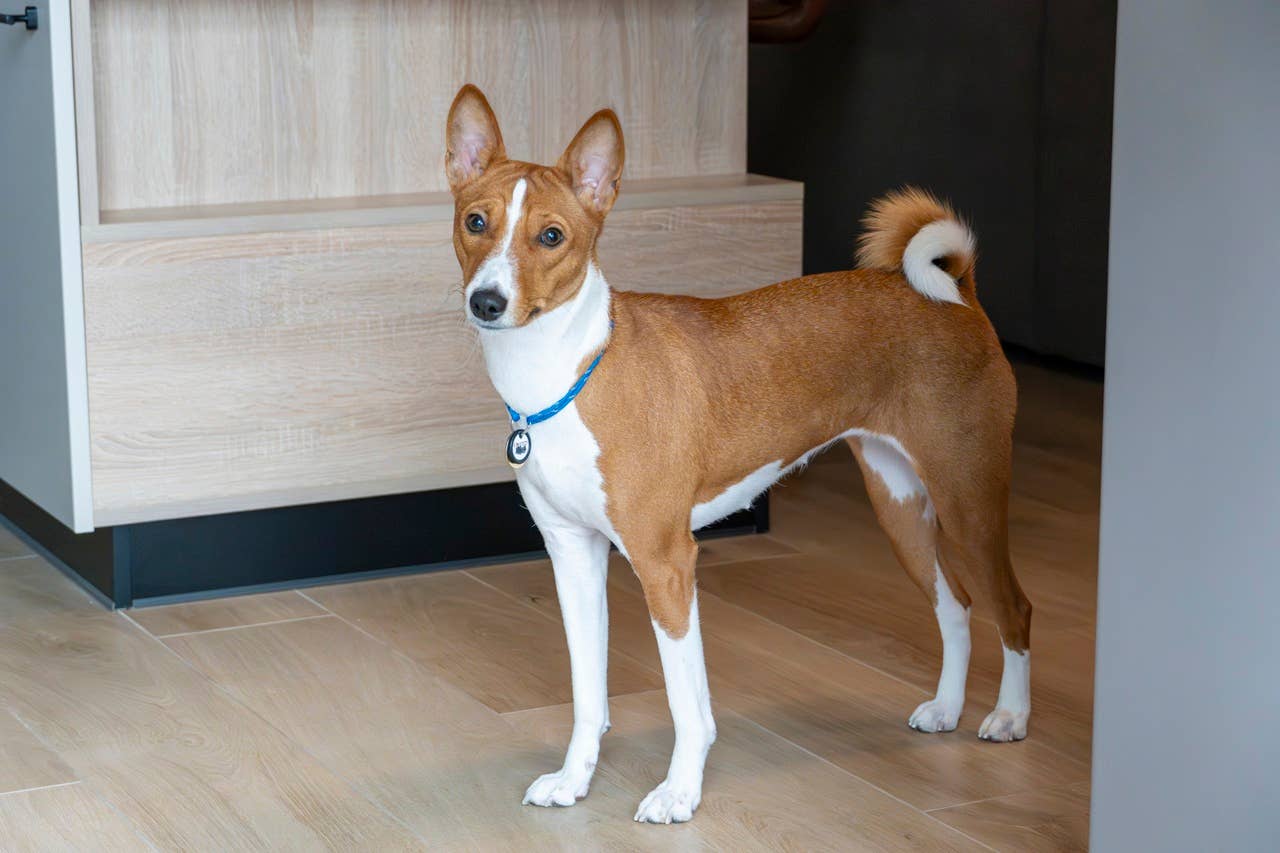
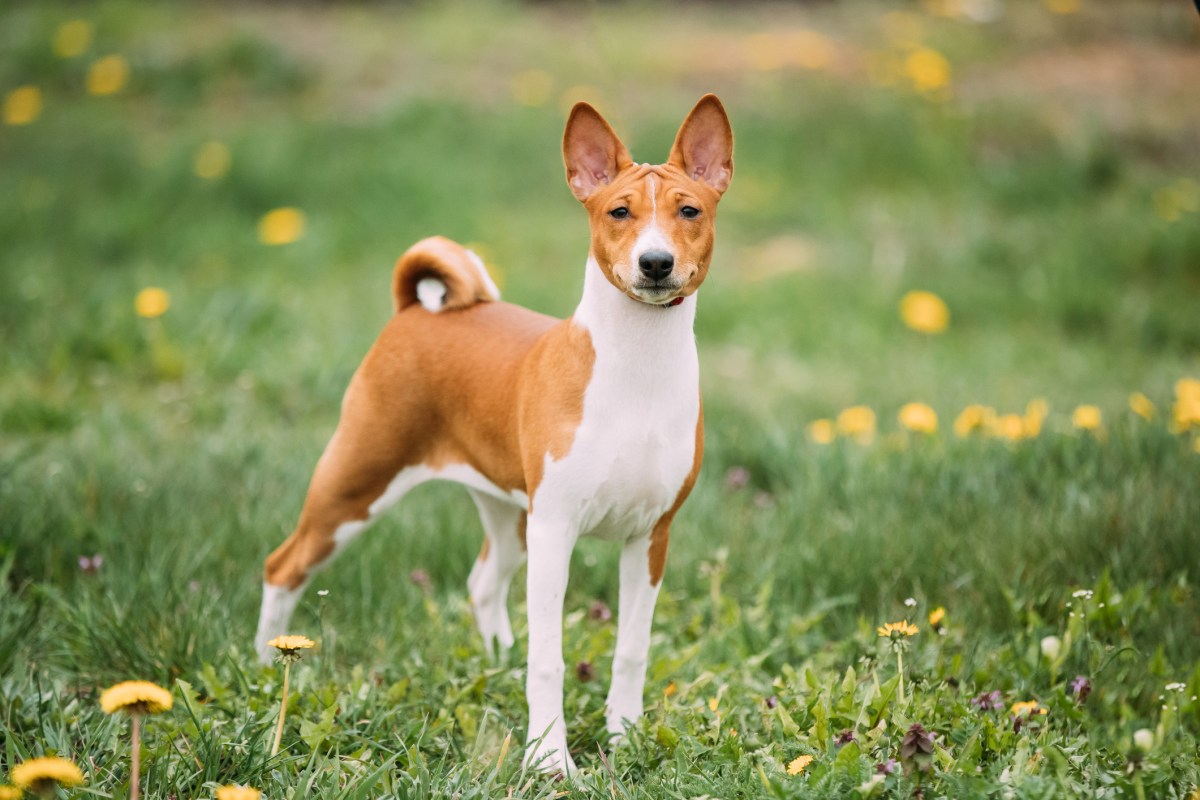
The Basenji is also famous for making less of a normal bark. However, this breed can yodel, whine, growl, and make other sharp sounds. A Basenji is not always a quiet dog; it simply uses a different voice.
Other small breeds that may bark less than average include:
• Shih Tzu: Often calm indoors when well trained and well exercised.
• Japanese Chin: Usually quiet, observant, and suited to apartment life.
• French Bulldog: Often fairly quiet, though snoring and breathing sounds are common.
• Italian Greyhound: Usually quiet inside, but sensitive and sometimes vocal when anxious.
• Pug: Often relaxed, but can bark when excited or seeking attention.
No breed guarantees silence. A quiet dog is more like a quiet roommate than a mute housemate. Even the calmest small dog may bark at a strange sound, pain, fear, boredom, or a visitor.

Quiet small dog breeds to consider
Cavalier King Charles Spaniel
The Cavalier King Charles Spaniel is a friendly companion with a soft temperament. Many Cavaliers prefer to stay close to their people rather than patrol the home and bark at every sound.
They still need daily walks, play, and mental activity. A bored Cavalier may bark for attention or follow you from room to room. Early socialization can help prevent fear-based barking.
This breed may suit:
• Families with children
• Older adults
• First-time dog owners
• People who want a cuddly indoor companion
Cavaliers do have important health concerns, including heart disease and neurological conditions. Choose a responsible breeder or consider a reputable rescue that provides clear health information.
Japanese Chin
The Japanese Chin is a small, graceful breed with a cat-like personality. Many Chins are alert but not loud. They often observe what is happening before deciding whether it deserves a response.
They can be sensitive to harsh training. Gentle reward-based methods work better than yelling or punishment. A calm home and steady routine can help this breed stay quiet.
The Japanese Chin may be a good fit for apartment living. It still needs short walks and play, but it does not usually require intense exercise.
Shih Tzu
The Shih Tzu was bred as a companion dog. It often enjoys relaxing near its owner and may not need a large yard or long runs. For many families, it is a strong answer to what small dog doesn't bark a lot.
Some Shih Tzus bark at people outside windows, door sounds, or other dogs. This behavior can improve when you block visual triggers and reward calm behavior.
The breed’s long coat needs frequent grooming. If the coat is clipped short, grooming becomes easier, but routine brushing and skin care are still important.
French Bulldog
French Bulldogs are often quiet in the traditional sense. They may spend much of the day resting, watching television with you, or following you around the house.
Their flat faces create special care needs. Heat, heavy exercise, and poor air flow can be dangerous. Many French Bulldogs also snore, grunt, or wheeze, so a home with low barking may not be a completely silent home.
Speak with a veterinarian if breathing sounds are harsh, sudden, or linked to weakness. Breathing difficulty should never be treated as a normal breed trait.
Italian Greyhound
The Italian Greyhound is often quiet, clean, and affectionate. It may bark when excited or worried, but many individuals are peaceful indoors.
This breed is sensitive to cold and can be physically fragile. It needs safe play areas and careful handling, especially around large dogs and young children.
Italian Greyhounds can develop separation distress. If left alone for long periods, they may whine, bark, or become destructive. A predictable routine and gradual alone-time training are helpful.
Basenji
The Basenji is one of the most well-known low-barking dog breeds. Its unusual voice is often described as a yodel or “baroo.”
That does not mean the Basenji is easy or quiet in every way. It is intelligent, active, curious, and independent. It may howl, whine, scream, or make loud sounds when excited.
The Basenji suits an owner who enjoys training and daily activity. It is less suitable for someone who wants a simple, low-energy lap dog.

Why do small dogs bark?
Barking is normal canine communication. Small dogs do not bark simply because they are small, but some may react more strongly to sounds, movement, or fear.
Common causes include:
• Alerting: The dog hears a person, animal, or vehicle.
• Fear: The dog feels unsafe and tries to create distance.
• Excitement: The dog barks during play, greetings, or meals.
• Frustration: The dog cannot reach something it wants.
• Boredom: The dog lacks exercise, play, or mental work.
• Attention seeking: The dog learns that barking brings a response.
• Separation distress: The dog struggles when left alone.
• Pain or illness: Sudden barking can signal a medical problem.
Research in canine behavior shows that barking is shaped by both genetics and environment. A breed may have a lower tendency to bark, but daily experiences still matter. A quiet breed raised in a noisy, stressful home may become very vocal.
Small dogs may also seem louder because their sharp voices stand out in a small room. The volume is not always higher, but the pitch can be more noticeable.
How to choose a quiet small dog
Breed is only one part of the decision. When asking what small dog doesn't bark a lot, also study the individual dog.
Use these steps before you choose:
-
Meet the dog more than once. Notice how it reacts to visitors, sounds, handling, and other dogs.
-
Ask about its daily habits. A rescue worker, foster family, or breeder can often explain whether the dog barks when alone.
-
Listen in a normal setting. A dog may be quiet during a short visit but vocal at night or when left home alone.
-
Check the dog’s health. Pain, dental disease, ear problems, and breathing issues can affect behavior.
-
Match energy levels. A high-energy dog in a quiet apartment may become noisy from frustration.
-
Ask about separation behavior. A dog that panics when alone may bark for long periods.
-
Consider grooming needs. Some quiet breeds need more coat care than new owners expect.
A small adult dog may be easier to evaluate than a puppy. Puppies change as they mature, and their future barking habits are not always clear. A foster-based rescue can sometimes provide useful information about the dog’s home behavior.

How to reduce barking in a small dog
Even a naturally quiet dog benefits from training. The goal is not to punish every sound. The goal is to teach the dog when calm behavior is useful.
Try these practical steps:
• Find the trigger. Note what happens before the barking starts.
• Reduce exposure. Close curtains if outside movement causes barking.
• Reward quiet moments. Offer a treat when your dog notices a sound and remains calm.
• Teach a calm cue. Say “quiet” in a calm voice, then reward silence.
• Add daily activity. Walks, sniffing games, and short training sessions can reduce boredom.
• Use food puzzles. Mental work can tire a small dog without overworking its body.
• Keep greetings calm. Ask visitors to ignore the dog until it settles.
• Avoid shouting. Your dog may think you are barking along.
• Do not reward demand barking. Wait for silence before giving attention.
• Practice short departures. Increase alone time slowly and safely.
Punishment can increase fear and may make barking worse. Veterinary behavior guidance generally favors reward-based training because it teaches the dog what to do instead of adding stress.
In my experience, owners often wait until barking has become a daily habit. The best results come from acting early. A few minutes of calm training each day usually works better than one long session after everyone is frustrated.
Quiet dog breeds and apartment living
A small dog is not automatically an apartment dog. Size helps, but noise, energy, grooming, and alone-time behavior matter just as much.
A quiet apartment dog should be able to:
• Settle after exercise
• Handle normal hallway sounds
• Stay alone for reasonable periods
• Relax around neighbors
• Use indoor space safely
• Adapt to elevators, visitors, and busy streets
Japanese Chins, Cavaliers, Shih Tzus, and some Italian Greyhounds may adjust well to apartments. Still, each dog is an individual.
Before bringing a dog home, check your lease rules. Some buildings have weight limits, breed restrictions, or noise policies. Ask about quiet hours and plan how you will manage barking during the adjustment period.
A white-noise machine, window film, enrichment toys, and a comfortable rest area can reduce common triggers. These tools support training, but they should not replace exercise or medical care.
Health issues that may affect barking
A change in barking deserves attention. If a normally quiet dog begins barking often, first consider health and stress.
Possible causes include:
• Pain from arthritis or injury
• Hearing or vision loss
• Canine cognitive changes in older dogs
• Dental pain
• Skin irritation
• Urinary discomfort
• Breathing problems
• Anxiety caused by a change at home
Small brachycephalic breeds, such as French Bulldogs and some Pugs, need special care because of their breathing structure. Loud breathing, fainting, blue gums, or trouble exercising require prompt veterinary attention.
Do not assume that a dog is simply “being difficult.” Behavior is often a clue. A veterinary exam can rule out physical causes before you begin a training plan.

Best quiet small dog for different homes
The right choice changes with your lifestyle.
Best for first-time owners
The Cavalier King Charles Spaniel may suit first-time owners because it is affectionate and responsive. You still need to research health testing and daily care.
Best for apartment living
The Japanese Chin or Shih Tzu may work well in an apartment when given walks, play, and a steady routine.
Best for low barking
The Basenji often barks less than many breeds, but it is not the easiest small dog. Its energy and independence require an involved owner.
Best for a calm companion
The Cavalier and Italian Greyhound can be gentle companions. Both need careful attention to health, social needs, and time alone.
Best for families
A well-socialized Cavalier may fit family life. Always supervise children and dogs, since small breeds can be injured by rough play.
There is no universal winner when deciding what small dog doesn't bark a lot. The best dog is the one whose needs fit your home, schedule, budget, and patience.

Frequently Asked Questions
What is the quietest small dog breed?
The Basenji is known for barking less than many small breeds, but it can yodel and make other loud sounds. The Cavalier King Charles Spaniel, Japanese Chin, and Shih Tzu are often better choices for people who want a generally calm companion.
Do small dogs bark more than large dogs?
Not always. Some small breeds are alert or reactive, but barking depends on genetics, training, socialization, health, and lifestyle. A well-trained small dog can be quieter than a poorly trained large dog.
Is the Cavalier King Charles Spaniel a quiet dog?
Many Cavaliers are relatively quiet and prefer staying close to their owners. They may still bark at visitors, outdoor sounds, boredom, or separation.
Do Shih Tzus bark a lot?
Shih Tzus can bark at door sounds, people, and movement outside. With early training, limited visual triggers, and enough activity, many Shih Tzus remain calm indoors.
Are Basenjis completely silent?
No. Basenjis often do not bark in the usual way, but they can yodel, whine, howl, and make sharp vocal sounds. They are active and independent, so they are not ideal for every quiet home.
Can training stop a dog from barking?
Training can reduce unnecessary barking, but it cannot remove normal communication. Reward calm behavior, manage triggers, provide exercise, and seek professional help if barking comes from fear or separation distress.
What should I do if my quiet dog suddenly barks more?
Arrange a veterinary check if the change is sudden or continues. Pain, illness, hearing changes, anxiety, or a new environmental trigger may be responsible.
Conclusion
The best answer to what small dog doesn't bark a lot is usually the Cavalier King Charles Spaniel, Japanese Chin, Shih Tzu, or Basenji, depending on your needs. The Basenji may bark less, but it can be loud in other ways. The Cavalier is often calmer and easier for many homes, while the Shih Tzu and Japanese Chin can suit apartment living.
Focus on the individual dog, not only the breed label. Meet the dog, ask about its behavior when alone, check its health, and plan for positive training from the first day. Explore reputable breed and rescue resources, and share your experience if you have found a small dog that stays wonderfully calm.

Pet Care Writer & Researcher
Daniel writes practical guides on daily care, feeding, and safety, turning complex topics into simple, actionable advice.