How To Stop A Puppy From Barking In Crate: Calmly
Learn how to stop a puppy from barking in crate with gentle, effective training tips that build comfort, confidence, and peaceful nights.
Stop crate barking by meeting your puppy’s needs, building calm crate skills, and rewarding quiet behavior step by step.
Learning how to stop a puppy from barking in crate takes patience and a clear plan. Most puppies bark because they feel alone, need to potty, feel trapped, or have not yet learned that the crate is safe. This guide explains what to do, what to avoid, and when barking may signal a deeper problem.
Why Puppies Bark in the Crate
Puppy barking in a crate is a form of communication. It does not always mean your puppy is being stubborn or trying to control you. Your puppy may be scared, lonely, bored, tired, or in need of a bathroom break.
The crate is also a new space. A young puppy has just left its mother and littermates. Being alone behind a crate door can feel like a sudden change from a busy, warm nest.
Common reasons for crate barking include:
• Your puppy needs to pee or poop.
• Your puppy has too much unused energy.
• The crate is linked with punishment or isolation.
• Your puppy is hungry, thirsty, hot, or uncomfortable.
• The crate is too large, too small, or poorly placed.
• Your puppy has learned that barking brings attention.
• Your puppy is experiencing fear or separation distress.
The first step in learning how to stop a puppy from barking in crate is finding the cause. You cannot solve a bathroom problem with training alone. You also cannot fix true panic by simply waiting longer.
Check Your Puppy’s Basic Needs First
Before you respond to barking, check the simple things. A puppy with a full bladder, an empty stomach, or too much energy will struggle to settle.
Most puppies need frequent bathroom trips. A common starting guide is that a puppy may hold urine for about one hour for each month of age, but this is only an estimate. Small breeds, active puppies, and puppies who have just had water may need to go sooner.
Use this checklist before crate time:
• Take your puppy outside for a calm potty break.
• Give your puppy a short walk or gentle play session.
• Offer water, but avoid letting your puppy gulp a large amount right before bed.
• Check that the crate has safe bedding and good airflow.
• Remove collars, harnesses, and loose items that could catch on the crate.
• Make sure the room is not too hot, cold, bright, or noisy.
• Give your puppy a safe chew approved for the puppy’s size and age.
Avoid exhausting your puppy with wild play right before crating. Overstimulation can make a puppy act like an overtired toddler. A short sniff walk, gentle training, and quiet time often work better.
When I have seen owners struggle with crate barking, the missing piece was often a routine. The puppy went into the crate at random times, after random activities, with no clear chance to settle. A predictable pattern made the crate feel much less confusing.
Make the Crate Feel Safe
A crate should be a safe resting place, not a time-out box. Your puppy should learn that the crate predicts comfort, food, sleep, and calm.
Place the crate in a quiet area where your puppy can still sense your presence. At night, many young puppies settle better when the crate is near your bed. This lets you hear signs that your puppy needs to go outside and can reduce the fear of being alone.
During the day, you can slowly move the crate farther away. Do this only when your puppy rests calmly in its current spot.
Try these crate games:
-
Toss a treat near the crate and let your puppy get it.
-
Toss a treat just inside the crate.
-
Reward your puppy for placing one paw inside.
-
Reward your puppy for walking all the way in.
-
Feed meals beside the crate, then just inside it.
-
Close the door for one second, then open it before barking starts.
-
Slowly add time while your puppy stays relaxed.
Never force your puppy into the crate. Do not drag, push, or slam the door. A forced introduction can create fear and make it harder to stop a puppy from barking in crate later.

Teach Quiet Crate Time Gradually
The most reliable answer to how to stop a puppy from barking in crate is gradual practice. Start with time your puppy can handle. If your puppy barks after 30 seconds, begin with five or ten seconds.
Reward calm behavior before barking begins. Give a small treat through the bars, then calmly walk away. Return while your puppy is still quiet. This teaches your puppy that calm behavior keeps you nearby and earns good things.
Increase crate time in small steps:
• Five seconds with the door closed
• Ten seconds while you sit nearby
• Thirty seconds while you stand up
• One minute while you take a few steps away
• Several minutes while you move around the room
• Short periods when you leave the room
If your puppy barks, whines, or scratches, the step may be too hard. Reduce the time and try again. Training should feel like climbing a gentle staircase, not jumping over a wall.
Do not rush because one good session went well. Puppies often have uneven progress. A puppy may rest for ten minutes one day and bark after two minutes the next. This does not mean training failed.

Respond to Barking Without Reinforcing It
Many owners accidentally teach crate barking by opening the door at the loudest moment. From the puppy’s point of view, barking worked. The door opened, the person appeared, or play began.
If you know your puppy does not need a bathroom break and is not in distress, wait for a brief pause. One second of quiet is enough at first. Then calmly reward the pause or release your puppy.
Keep your response boring and calm. Avoid shouting, arguing, tapping the crate, or repeating “quiet” again and again. To a puppy, even angry attention can feel rewarding.
Use this simple pattern:
-
Wait for a short quiet pause.
-
Say a calm marker such as “yes.”
-
Offer a treat or open the door if the session is complete.
-
Move slowly and avoid exciting greetings.
Do not wait for silence if your puppy is showing panic. Heavy panting, drooling, frantic escape attempts, shaking, vomiting, or self injury are warning signs. These behaviors need a different plan and may require professional help.
This distinction matters. Mild protest is not the same as fear. The goal is not to make a puppy stop making noise at any cost. The goal is to build emotional safety and calm independence.

Use a Consistent Crate Routine
A regular routine helps your puppy know what happens next. Dogs learn through repeated patterns, and a predictable routine lowers stress.
A simple evening routine might look like this:
• Dinner several hours before bedtime, based on your veterinarian’s advice
• A short play session
• A calm sniff walk
• Two or three minutes of easy training
• A potty trip
• A safe chew in the crate
• Lights low and voices quiet
Use the same short phrase each time, such as “crate time.” Say it once, then guide your puppy in with a treat. Avoid turning the routine into a long emotional goodbye.
Some puppies settle better with soft background sound. A fan, quiet radio, or white noise can cover sudden outdoor sounds. A partial crate cover may help some puppies, but keep airflow open and stop using the cover if your puppy chews it or becomes more anxious.
Never use the crate for long periods simply because it is convenient. Puppies need movement, social contact, training, play, and bathroom breaks. Crate time should support your puppy’s life, not replace it.

Help Your Puppy Sleep Through the Night
Nighttime crate barking is common because puppies have small bladders and may feel lonely. Young puppies often need one or more overnight potty trips.
Set an alarm before your puppy usually wakes and barks. Take your puppy outside quietly, give enough time to potty, and return to the crate without play. This prevents barking from becoming the way your puppy asks to go out.
Keep nighttime trips dull:
• Use low lights.
• Speak softly.
• Avoid toys and games.
• Go straight to the potty area.
• Return to the crate after your puppy finishes.
As your puppy grows, gradually extend the time between trips. If nighttime barking suddenly starts after your puppy was sleeping well, look for a change. Illness, diarrhea, pain, increased thirst, or a new fear may be involved.
When deciding how to stop a puppy from barking in crate at night, remember that sleep training is not the same as ignoring every sound. A young puppy may genuinely need help. Good training balances independence with care.

Avoid Common Crate Training Mistakes
Some methods seem quick but create larger problems. Punishment may stop noise for a moment, but it can make the crate feel unsafe.
Avoid these mistakes:
• Yelling at your puppy from across the room
• Banging on the crate
• Spraying water
• Using the crate as punishment
• Leaving a distressed puppy alone for long periods
• Opening the door during loud barking every time
• Moving too quickly through training steps
• Expecting a puppy to stay crated longer than its age and needs allow
One mistake I often see is giving the puppy freedom only after a long barking spell. The owner waits until they cannot take the noise anymore, then opens the door. This creates a strong lesson: bark longer, and the door eventually opens.
A better plan is to make sessions shorter before the puppy reaches that point. End some sessions while your puppy is still calm. This builds success and protects the positive meaning of the crate.

Tell Protest Barking From Separation Distress
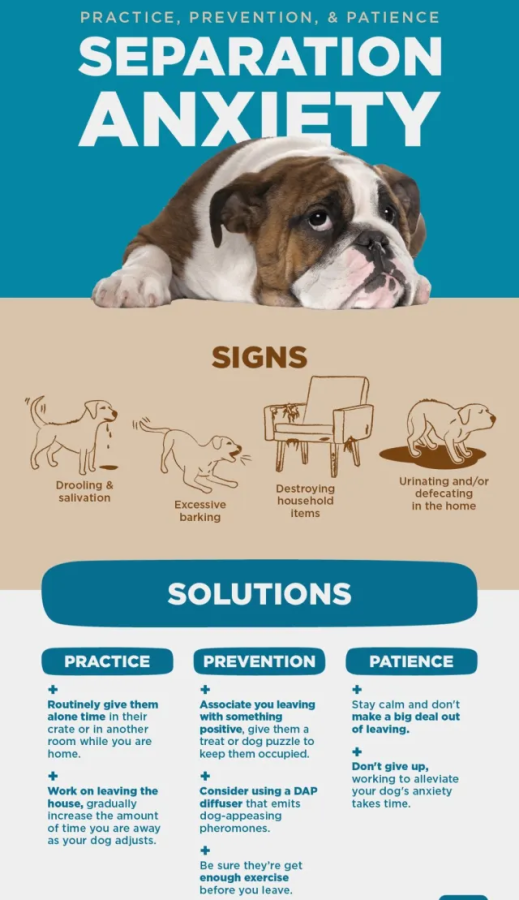
Not all barking should be handled in the same way. Protest barking may include short bursts of whining, brief pauses, and the puppy taking treats. The puppy may settle after a few minutes.
Separation distress is more intense. Signs can include:
• Continuous, frantic vocalizing
• Heavy panting or drooling
• Scratching or biting at the crate
• Trying to break through doors or windows
• Loss of bladder or bowel control despite good training
• Refusing food that the puppy normally enjoys
• Repeated self injury
If you see these signs, stop increasing crate time. Speak with your veterinarian and a qualified, reward-based behavior professional. Your veterinarian can also check for pain or medical problems that may worsen distress.
A crate is not the only way to teach alone-time skills. Some puppies do better in a puppy-proofed room, exercise pen, or gated area while they learn. The best setup is the one that keeps the puppy safe and calm.
When to Call a Veterinarian or Trainer
Contact your veterinarian if barking comes with coughing, vomiting, diarrhea, pain, weakness, unusual thirst, or a sudden behavior change. A medical problem can look like a training problem.
A certified behavior consultant or reward-based trainer can help when:
• Your puppy panics in the crate.
• Barking continues despite careful training.
• Your puppy injures its mouth, teeth, paws, or nails.
• You cannot leave your puppy alone safely.
• The problem is affecting sleep, work, or neighbors.
Look for professionals who use reward-based methods and explain their plan clearly. Be cautious of anyone who promises an instant fix or recommends fear, pain, or harsh corrections.
Research on canine training supports reward-based methods for better welfare and learning. Training plans should also account for the individual puppy, since breed, age, history, health, and home environment all affect progress.
A Simple Seven-Day Crate Training Plan
This plan is a starting point, not a strict deadline. Move back a step if your puppy becomes worried.
Days one and two
Leave the crate door open. Toss treats inside and feed meals near the entrance. Let your puppy enter and leave freely.
Days three and four
Feed meals inside the crate with the door open. Then close the door for one or two seconds while your puppy eats. Open it before your puppy worries.
Days five and six
Practice short periods with the door closed. Sit nearby, reward quiet behavior, and release your puppy after a calm pause.
Day seven
Add small distance. Stand up, walk a few steps, and briefly leave the room. Return before your puppy becomes distressed.
Repeat each stage as needed. Some puppies progress in days, while others need several weeks. Slow progress is still progress if your puppy is becoming more relaxed.
The best way to stop a puppy from barking in crate is to prevent repeated panic and reward small signs of calm. Think of every quiet breath, relaxed body, and calm glance as part of the lesson.
Frequently Asked Questions About How to Stop a Puppy From Barking in Crate
Should I ignore my puppy barking in the crate?
Do not automatically ignore every bark. First check for a bathroom need, discomfort, illness, or fear. If your puppy is safe and only protesting, wait for a brief quiet pause before calmly rewarding or releasing the puppy.
How long should I let my puppy bark in the crate?
There is no safe universal time limit. A short protest may fade, but prolonged barking with panic signs can worsen fear. Keep sessions short enough that your puppy can succeed, and seek help if distress continues.
Should I put a blanket over the puppy’s crate?
A partial cover can reduce visual distractions for some puppies. Keep plenty of airflow, watch your puppy closely, and remove the cover if chewing, heat, or anxiety becomes a problem.
Why does my puppy bark in the crate at night?
Your puppy may need to potty, feel alone, or have too much energy before bed. Use a calm bedtime routine, place the crate near your bed at first, and take your puppy out quietly when a bathroom break is likely.
Should I let my puppy out of the crate when barking?
If your puppy may need to potty or is showing panic, respond appropriately. Otherwise, wait for a short quiet pause before opening the door so barking does not become the behavior that earns release.
What if my puppy refuses treats in the crate?
Refusing food can mean the training step is too difficult or your puppy feels afraid. Make the session easier, stay closer, shorten the time, and contact a veterinarian or qualified behavior professional if fear continues.
Can crate training make separation anxiety worse?
Poor crate training can increase distress in a puppy that already fears being alone. Use gradual practice and consider a pen or puppy-proofed room if the crate causes panic while you seek professional guidance.
Conclusion
Learning how to stop a puppy from barking in crate starts with empathy and careful observation. Meet your puppy’s basic needs, make the crate pleasant, practice in tiny steps, and reward quiet behavior before barking begins.
Do not use fear or punishment, and do not confuse panic with normal protest. With a steady routine and realistic expectations, most puppies can learn that the crate is a safe place to rest. Start with one short, successful session today, and explore trusted veterinary or reward-based training resources if your puppy continues to struggle.

Pet Care Writer & Researcher
Daniel writes practical guides on daily care, feeding, and safety, turning complex topics into simple, actionable advice.