Do Westies Bark A Lot: Causes And Solutions
Do Westies bark a lot? Learn why West Highland Terriers bark and get practical tips to reduce excessive barking at home.
Westies can bark often, but training, exercise, and the reason for barking make a big difference.
If you are asking, “do westies bark a lot,” the honest answer is yes, they can be vocal. The West Highland White Terrier is a bright, alert terrier bred to notice movement and chase small prey. That history helps explain the barking, but it does not mean your Westie must bark all day. This guide explains what triggers the noise and how to manage it with kind, consistent training.
Do Westies Bark a Lot?
Westies often bark more than quiet companion breeds. They may bark at sounds, people, dogs, squirrels, delivery trucks, or changes around the home. Some also bark when they feel bored, excited, worried, or eager to play.
Still, each dog is different. Genetics, early socialization, age, health, home life, and training all affect vocal behavior. One Westie may alert you to every passerby, while another may bark only during play.
The better question is not only, “do westies bark a lot?” It is also, “why is my Westie barking?” The cause points to the right solution.
Why Westies Bark
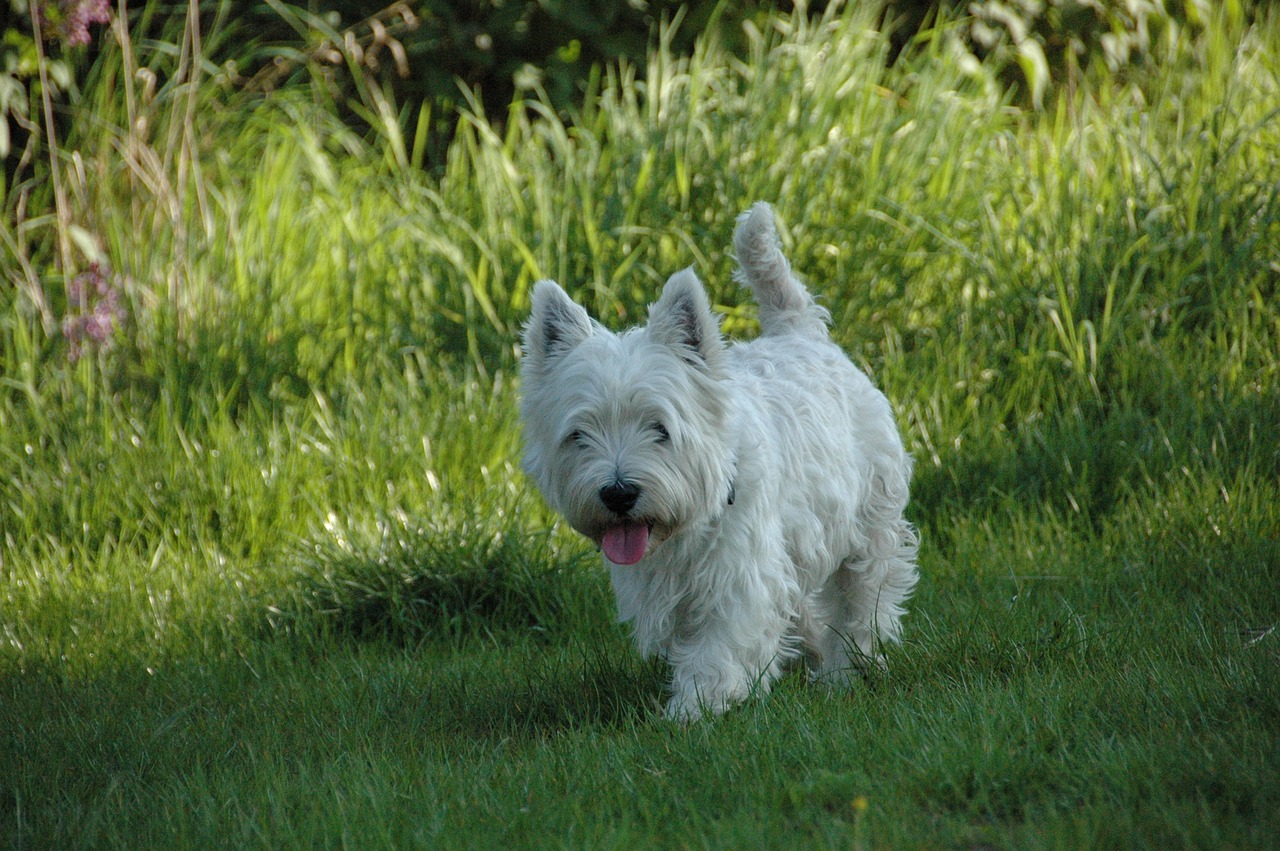
Westies are terriers. Terriers were developed to find, chase, and remove small animals from dens. Barking helped them communicate with people and stay engaged during this work.
That useful working trait can appear in a modern home. A Westie may treat a squirrel near the window like an important job. Your dog may also see a mail carrier as a daily visitor who needs a formal announcement.
Common reasons for Westie barking include:
- Alerting you to sounds, people, or animals
- Excitement during play or walks
- Frustration when a toy, treat, or person is out of reach
- Fear of unfamiliar people, dogs, places, or noises
- Boredom and a lack of mental activity
- Separation distress when left alone
- A desire for attention
- Protecting a favorite space, food bowl, or person
- Pain, hearing loss, confusion, or another health issue
Barking is communication. It is like a text message from your dog, but with much less punctuation control. Before correcting it, study the message.

What Triggers Excessive Westie Barking?
Outside sights and sounds
Many Westies bark at windows, fences, and front doors. Passing dogs, birds, lawn equipment, and traffic can all trigger an alert response.
A dog that repeatedly watches the street may become more reactive over time. Each bark can feel rewarding because the person or animal eventually moves away. Your Westie may believe the barking worked.
Boredom and unused energy
A Westie may bark when the day feels empty. A short walk is helpful, but many dogs also need sniffing, training, play, and problem-solving.
Terriers often enjoy tasks. Without a suitable outlet, your dog may invent one. Barking at a curtain, chasing shadows, or patrolling the yard can become the chosen activity.
Attention seeking
If barking leads to eye contact, talking, petting, food, or opening a door, the behavior may grow stronger. Even saying “stop” can reward the bark if your dog wants interaction.
This does not mean you should ignore every sound. It means you should give attention to calm behavior whenever possible.
Separation-related distress
A Westie who barks only when alone may be dealing with stress rather than simple disobedience. Other signs may include pacing, scratching doors, drooling, destruction, or indoor accidents.
A camera can help you see what happens after you leave. If your dog panics, speak with a veterinarian or qualified behavior professional before starting a long-alone training plan.
Fear or pain
A sudden increase in barking deserves attention. Ear problems, dental pain, arthritis, vision changes, and other medical concerns can affect behavior.
Never assume an older dog is “just being difficult.” A veterinary check is a wise first step when barking changes quickly or comes with other unusual signs.

How Much Barking Is Normal?
There is no single number of daily barks that defines normal behavior. A few alert barks at a sound may be reasonable. Long periods of barking, barking at nearly every event, or barking that causes distress needs a closer look.
Ask these questions:
- Does the barking have a clear trigger?
- Can your Westie stop after you address the trigger?
- Does your dog relax between events?
- Is anyone in the home losing sleep?
- Has the barking caused complaints or safety concerns?
- Did the behavior start suddenly?
A healthy alert response is usually brief. Excessive barking is often repeated, hard to interrupt, and linked to stress, frustration, or a learned habit.
The answer to “do westies bark a lot?” also depends on your lifestyle. Apartment living may make normal alert barking feel more intense. A busy family home may create more excitement but also provide more activity.

How to Stop a Westie From Barking Too Much
1. Find the pattern
Keep a simple bark diary for several days. Note the time, trigger, location, length, and what happened after the bark.
For example:
- 8:00 a.m.: Barked at a dog outside for two minutes
- 12:30 p.m.: Barked at the doorbell
- 3:00 p.m.: Barked when left alone
- 6:00 p.m.: Barked during an exciting game
This record helps separate window barking from separation distress or attention barking. It also shows whether your plan is working.
2. Reduce easy triggers
Management is not a shortcut. It prevents your Westie from practicing the behavior while training begins.
Try these changes:
- Use curtains, window film, or a baby gate near busy windows.
- Move the dog bed away from the front door.
- Use white noise during delivery hours.
- Give a food puzzle before predictable noisy events.
- Keep your Westie indoors when yard activity causes barking.
- Ask guests to text instead of ringing the bell during early training.
You do not need to remove every sound from your dog’s life. The goal is to lower the number of intense reactions.
3. Teach a calm cue
First, allow one or two alert barks. Then say “thank you” or “quiet” in a calm voice. Hold a treat near your dog’s nose.
When your Westie stops barking to sniff, give the treat. Repeat this many times in a quiet setting before using the cue during a real trigger.
Do not shout “quiet” over loud barking. Your dog may hear it as more barking from you. Calm timing works better than louder volume.
4. Reward quiet behavior
Look for calm moments and pay them. Give a treat when your Westie rests, watches a trigger without barking, or turns toward you.
This teaches an important lesson: silence is not empty time. It has value. With practice, your dog may begin to choose calm behavior before you ask.
5. Use reward-based training
Reward-based methods are recommended by many veterinary and animal behavior professionals because they teach the dog what to do instead of adding fear.
Avoid shock collars, shouting, and harsh corrections. These methods may stop sound for a moment, but they can increase fear or frustration. They may also hide warning signs without solving the cause.
6. Build daily enrichment
A Westie often needs more than physical exercise. Add short activities that use the nose and brain.
Good options include:
- Sniff walks where your dog sets a safe, slow pace
- Five-minute training sessions
- Treat searches around one room
- Food puzzles suited to your dog’s skill level
- Hide-and-seek with a toy
- Gentle tug with rules for starting and stopping
- Digging in a supervised sandbox
- Safe play with a familiar dog
Several short sessions may work better than one long session. Stop while your dog is still interested.

A Simple Training Plan for Barking
Use this plan for mild alert or attention barking. It is not a substitute for professional help when your Westie panics, bites, or cannot settle.
- Choose a calm cue, such as “quiet.”
- Practice in a low-distraction room.
- Make a small sound, such as a gentle knock.
- Wait for a brief pause.
- Say the cue once.
- Reward the pause at once.
- Repeat for a few minutes.
- Slowly practice with stronger sounds and more distance.
Keep sessions short. Three to five minutes can be enough. If your Westie starts barking nonstop, the trigger is too difficult. Make the exercise easier.
A common mistake is rewarding the dog after a long barking fit. That timing can teach your dog to bark longer before becoming quiet. Reward early pauses whenever you can.

Do Westies Bark More Than Other Dogs?
Westies may bark more readily than many calm companion breeds. Their terrier background makes them alert, bold, and quick to react to movement.
However, breed comparisons have limits. A quiet dog from a vocal breed may bark less than a poorly socialized dog from a quieter breed. Environment and learning matter greatly.
If you want a very quiet dog, a Westie may not be the safest match. If you enjoy an active, clever, expressive companion, the breed may suit you well. Good training can reduce unwanted barking, but it cannot erase every terrier instinct.
This is why asking “do westies bark a lot?” before adoption is useful. It helps you plan for the dog you are likely to have, not the dog you hope to create.

Westie Barking in Apartments
Westies can live in apartments, but the home needs a thoughtful routine. Shared walls make repeated barking a concern, so prevention matters.
Try to provide:
- A morning sniff walk
- Short training games during the day
- A quiet rest area away from the hallway
- Window management
- Gradual practice with door sounds
- Calm greetings for visitors
- Background sound during busy periods
Do not rely on a long walk alone. A Westie may return home physically tired but mentally ready to patrol the hall. Sniffing and problem-solving can help the dog settle.
Speak with neighbors before a problem grows. A polite conversation can reduce tension while you work on training.

When to Contact a Veterinarian or Behavior Expert
Professional help is wise when barking is sudden, extreme, or linked to fear. A veterinarian can check for medical causes and discuss anxiety treatment when needed.
Contact a qualified behavior professional if your Westie:
- Cannot calm down after a trigger is gone
- Growls, lunges, or snaps with the barking
- Damages doors or windows when alone
- Shows signs of panic
- Guards food, toys, or spaces
- Barks for hours
- Becomes worse despite careful training
Look for a professional who uses reward-based methods and can explain the plan clearly. Behavior cases vary, so no online guide can replace an individual assessment.

Common Mistakes Westie Owners Make
One common mistake is waiting until barking becomes a daily habit. Early action is usually easier than changing a pattern that has continued for months.
Another mistake is giving mixed signals. If barking sometimes earns a treat, a door opening, or a game, your Westie may keep trying. Consistent responses help your dog understand the rule.
Other mistakes include:
- Punishing warning barks caused by fear
- Leaving a bored dog alone with no activity
- Allowing constant window patrols
- Using a bark collar as the first solution
- Expecting instant results
- Forgetting to reward quiet behavior
- Exercising only the body and not the mind
Progress is rarely perfectly straight. A noisy day does not mean training failed. Look for a gradual drop in intensity, length, or frequency.
Frequently Asked Questions About Do Westies Bark a Lot
Do Westies bark a lot compared with other small dogs?
Westies can be more vocal than many small companion breeds because they were bred as alert terriers. Their barking level still depends on training, socialization, exercise, health, and the home environment.
Can you train a Westie not to bark?
You can teach a Westie to bark less and stop on cue. You cannot always remove barking completely, because alerting and reacting are natural parts of the breed’s behavior.
Why does my Westie bark at everything outside?
Your Westie may see outside movement as a threat, exciting event, or hunting opportunity. Block busy views, reward calm watching, and teach a quiet cue before the behavior becomes a strong habit.
Do Westies bark when left alone?
Some Westies bark when alone because of boredom, frustration, or separation-related distress. A camera can reveal the pattern, while gradual alone-time training and veterinary guidance can help.
Are Westies good apartment dogs if they bark?
Westies can live in apartments when they receive daily exercise, enrichment, and barking support. Window control, sound training, and quick action are especially important in shared buildings.
Do Westies bark more as they get older?
Age alone does not always cause more barking. New vocal behavior in an older Westie can signal pain, hearing or vision changes, confusion, or anxiety, so a veterinary check is recommended.
Conclusion
So, do westies bark a lot? They can, especially when they are bored, excited, alert, afraid, or left without guidance. Their terrier instincts make them naturally watchful, but smart management and reward-based training can turn frequent barking into useful communication.
Start by finding the trigger, reducing repeated practice, adding mental enrichment, and rewarding quiet moments. If barking is sudden, intense, or linked to panic, ask your veterinarian or a qualified behavior expert for help. Share your Westie’s barking pattern in the comments, and explore more positive training resources to build a calmer home.

Pet Care Writer & Researcher
Daniel writes practical guides on daily care, feeding, and safety, turning complex topics into simple, actionable advice.