What Is A Bark Collar: Safe Training Tips And Choices
Learn what is a bark collar, how it works, pros and cons, and safe training tips to stop nuisance barking without harm.
A bark collar is a device worn by dogs to detect and reduce excessive barking.
As a long-time dog trainer and researcher, I’ll walk you through exactly what is a bark collar, how it works, when it helps, and when it doesn’t. I use clear, practical advice based on hands-on experience and industry guidance so you can decide if a bark collar is right for your dog and family.
How a bark collar works
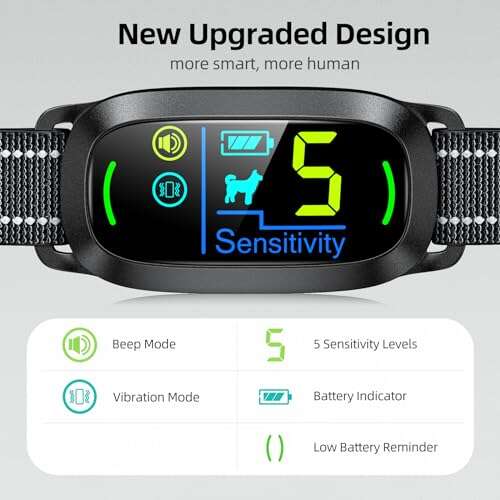
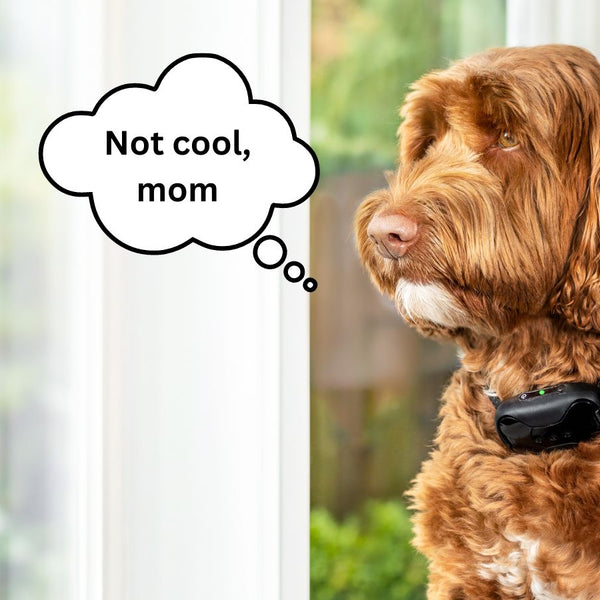
If you want to understand what is a bark collar, start with the sensors and feedback it uses. Most bark collars detect the vibration or sound of a dog’s bark. When a bark is detected, the collar gives feedback to the dog. Feedback may be a beep, vibration, spray, or mild static pulse. The goal is to interrupt the bark and teach quieter behavior.
Common detection methods
- Sound sensors that pick up bark frequency and volume.
- Vibration sensors that sense throat movement to avoid false triggers.
- Combined sensors for better accuracy.
Common feedback methods
- Audible tone or beep.
- Vibration that feels like a phone buzz.
- Citronella or other scent spray.
- Low-level static stimulation.
PAA-style question: Will a bark collar hurt my dog?
- Most modern collars use low and adjustable levels and are designed not to cause harm. You should choose humane settings and monitor your dog closely.
PAA-style question: Are bark collars accurate?
- Accuracy varies by model. Collars with both sound and vibration sensors reduce false activations.

Types of bark collars
When evaluating what is a bark collar, know the common types and how they differ.
Sound-activated collars
- Detect bark audio and respond with tone, vibration, or static.
- Simple but can trigger from other dogs or noises.
Vibration-activated collars
- Sense throat vibration and are less likely to false-trigger.
- Often better for multi-dog or noisy neighborhoods.
Citronella spray collars
- Release a quick scent puff when barking is detected.
- Non-static option that some dogs dislike and learn to avoid.
Static (electronic) collars
- Deliver a low-level pulse that is adjustable.
- Controversial but effective when used correctly and sparingly.
Ultrasonic collars
- Emit a high-pitched sound audible to dogs but not most humans.
- Results vary and some dogs ignore them.

Benefits of using a bark collar
Knowing what is a bark collar helps you weigh its benefits against other tools.
Benefits
- Quick reduction in excessive barking when combined with training.
- Hands-off option for owners who cannot supervise constant training.
- Adjustable settings let you tailor the response to your dog.
- Can improve neighbor relations and reduce noise complaints.
Real-life payoff
- For dogs with habit barking, a collar often speeds learning when paired with rewards for quiet.

Limitations and risks
It’s important to be honest about what is a bark collar and where it can fall short.
Limitations
- Not a fix for barking caused by fear, pain, or separation anxiety.
- May teach suppression rather than addressing root causes.
- Some models can false-trigger from other dogs or external noises.
Risks
- Overuse or high settings can stress a dog.
- Poor fit or worn collars can irritate the skin.
- Using a collar without training can create new behavior problems.
Safety notes
- Consult your vet for dogs with medical or behavioral issues.
- Follow manufacturer guidance on fit, levels, and duration.
How to choose the right bark collar
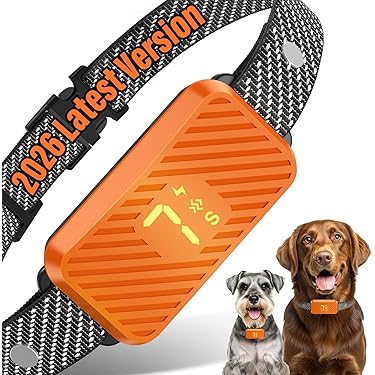
Deciding what is a bark collar for your dog means matching tool to need.
Key factors to consider
- Dog size and breed. Small dogs need lightweight collars.
- Bark cause. If barking is anxiety-driven, choose training over a collar.
- Detection reliability. Look for combined sound and vibration sensors.
- Adjustable intensity. Start at the lowest effective level.
- Safety features. Auto-shutoff, waterproofing, and skin-friendly materials matter.
- Reviews and warranty. Choose reputable brands with clear return policies.
Checklist before purchase
- Measure your dog’s neck and weight.
- Read owner reviews about false triggers.
- Check for vet or trainer recommendations.
- Confirm you can return the device if it’s not suitable.

How to train your dog with a bark collar
A collar works best as part of a training plan. Here’s how to use one responsibly.
Step-by-step plan
- Introduce the collar off the dog first so it looks normal.
- Fit it loosely and let your dog wear it for short periods while supervised.
- Use the lowest setting that gets attention without distress.
- Pair quiet moments with treats and praise to reward silence.
- Avoid using the collar when your dog is reacting to fear or pain.
- Monitor skin regularly and remove the collar during sleep if advised.
Tips from experience
- I often combine collar use with counter-conditioning exercises.
- Keep sessions short and positive. The collar should speed learning, not replace your time.

Alternatives to bark collars
If you’re still asking what is a bark collar and whether you need one, consider alternatives first.
Behavioral training
- Teach "quiet" and "leave it" with rewards.
- Address triggers and teach coping skills.
Environmental changes
- Provide exercise, toys, and mental stimulation to reduce boredom barking.
- Block visual triggers with curtains or landscaping.
Management tools
- White noise machines, crate training, and timed outdoor breaks.
- Professional trainers or behaviorists for chronic barking.
When to choose alternatives
- If the dog barks due to separation anxiety, medical issues, or fear, start with a vet or behaviorist.

Personal experience testing bark collars
I’ve tested several collars across breeds and temperaments. My experience shapes what is a bark collar in real life.
What I learned
- Collars help moderate habitual barking quickly when paired with training.
- Vibration-sensing models cut false triggers in half compared to sound-only devices.
- Citronella can be effective for some dogs but causes stress in others.
- Static collars worked for some breeds but require careful, conservative use.
Mistakes to avoid
- Don’t start at high levels. Low is almost always better.
- Don’t use a collar to mask a pain-related bark. Check health first.
- Don’t ignore follow-up training. Collars without reward-based work give short-lived results.
Practical tip
- Keep a training log. Note settings, triggers, and progress. That helps fine-tune use and proves if the collar is helping long-term.
Frequently Asked Questions of what is a bark collar
What is a bark collar and does it stop barking permanently?
A bark collar is a device that detects barking and delivers feedback to discourage it. It can create lasting change when used with consistent training, but results vary by dog and cause of barking.
Is a bark collar cruel or harmful to dogs?
Most modern collars are designed to be safe when used correctly. Harm is rare if you use the lowest setting, monitor your dog, and consult a professional for behavioral issues.
How long should a dog wear a bark collar each day?
Start with short supervised sessions of 10 to 30 minutes and gradually increase if the dog is comfortable. Never leave a collar on 24/7 without breaks and checks for skin irritation.
Can bark collars be used for all dog breeds and ages?
Many collars fit a wide range of sizes, but puppies and very small breeds may need special models. Always check the manufacturer’s age and weight recommendations and consult your vet for puppies.
Will a bark collar work for separation anxiety barking?
No. If barking is caused by separation anxiety, a collar may stop the sound but not the underlying distress. Seek behavior modification or professional help instead.
How do I prevent false triggers from other dogs or noises?
Choose collars with vibration sensors or combined detection systems. Proper fit and calibration help reduce false positives and improve accuracy.
Are spray collars safe around other pets and children?
Citronella sprays are generally safe but can be unpleasant to some dogs and nearby pets. Keep children away during testing and store sprays securely when not in use.
Conclusion
Understanding what is a bark collar gives you a practical tool and a responsibility. Use a collar as part of a clear training plan, start low, monitor closely, and always address the root cause of barking. If you follow these steps, you can improve your dog’s behavior while keeping their welfare central. Try a thoughtful approach, track progress, and consult a vet or trainer when in doubt — and feel free to share your results or questions below.

Pet Care Writer & Researcher
Daniel writes practical guides on daily care, feeding, and safety, turning complex topics into simple, actionable advice.