Do Pug Dogs Bark A Lot: What Owners Should Know
Do pug dogs bark a lot? Learn why Pugs bark, how vocal they are, and practical tips to reduce excessive barking at home.
Pug dogs usually bark a moderate amount, but boredom, fear, and excitement can increase it.
If you are asking, “do pug dogs bark a lot,” the honest answer is usually no, but every Pug has a different voice and personality. As a brachycephalic companion breed, the Pug often uses barking, snorting, whining, and body language to express its needs. Understanding the cause behind the sound is more useful than counting each bark.
This guide explains why Pugs bark, how much noise you can expect, and how to reduce problem barking without harsh methods. You will also learn which sounds may signal stress, pain, or a breathing issue that needs veterinary care.
Do Pug Dogs Bark a Lot?
Pugs are not usually known as nonstop barkers. Compared with some highly alert breeds, many Pugs bark only when they notice a person, hear a strange sound, want attention, or feel excited.
Still, the answer to “do pug dogs bark a lot” depends on the individual dog. A well-trained Pug with enough company and daily enrichment may be fairly quiet. A bored, anxious, or poorly socialized Pug may bark often.
Pugs were bred mainly as companion dogs. They tend to stay close to their people and may react when their family leaves the room. This attachment can make some Pugs more vocal than expected.
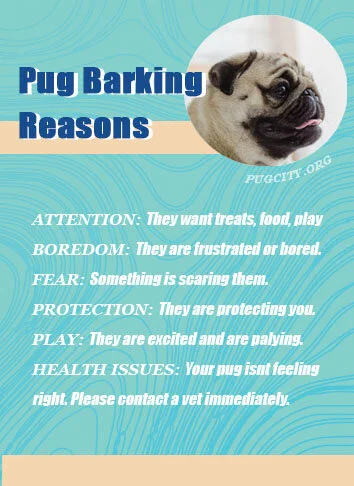
Common reasons a Pug may bark include:
• Alerting you to visitors, noises, or movement outside
• Asking for food, play, attention, or access to a room
• Showing excitement when someone comes home
• Reacting to unfamiliar dogs or people
• Feeling lonely or frustrated
• Protecting a favorite person, toy, bed, or food bowl
A Pug’s short muzzle does not prevent barking. However, barking may sound different from the sharp call of a German Shepherd or Beagle. Some Pugs produce a raspy bark, while others make soft yaps, grumbles, whines, or snorts.

Why Do Pugs Bark?
To understand do pug dogs bark a lot, look at what happens before the barking starts. The trigger often tells you more than the volume.
Alert barking
Many Pugs bark when they hear a delivery truck, footsteps, a doorbell, or a neighbor outside. This is normal watchdog behavior. Your Pug may bark a few times and then settle when it realizes the sound is harmless.
Attention seeking
Pugs are social dogs. If barking earns petting, food, eye contact, or play, the dog may repeat it. Even saying “quiet” can reward barking if your Pug enjoys any response from you.
Boredom
A Pug may sleep for much of the day, but sleep alone is not enough. Short walks, gentle play, scent games, and simple training help keep the mind active. Without enrichment, barking can become a self-made activity.
Separation distress
Some Pugs bark when left alone because they feel worried, not because they are being stubborn. Other signs may include pacing, scratching at doors, drooling, accidents, or destructive behavior.
Separation-related barking needs patient training. Punishing the dog after you return can increase fear and does not teach calm behavior.
Fear and frustration
A Pug may bark at large dogs, strangers, traffic, umbrellas, or sudden sounds. The bark is often a request for distance. Forcing the dog closer to the trigger can make the reaction stronger.
Pain or illness
A sudden change in barking deserves attention. Dental pain, skin discomfort, joint pain, stomach problems, or breathing trouble can make a normally quiet Pug vocal.
If barking begins suddenly or occurs with coughing, gagging, heavy panting, weakness, or difficulty breathing, contact a veterinarian promptly. Pugs are prone to brachycephalic airway problems, so breathing changes should never be ignored.

Are Pugs Good Apartment Dogs?
Pugs can be good apartment dogs because they are small, people-focused, and often happy to relax indoors. Their size, however, does not guarantee quiet behavior. A Pug that barks at every hallway sound may disturb neighbors.
The better question is not only “do pug dogs bark a lot?” It is also, “what sounds can my Pug hear, and how will I manage them?”
Apartment living works best when you provide:
• Two or more short, gentle walks each day, adjusted for weather and health
• Daily training sessions lasting about three to five minutes
• Food puzzles or scent games
• A calm resting area away from busy windows
• White noise or soft background music during loud periods
• A predictable routine for meals, walks, rest, and alone time
Pugs do not tolerate heat well. Avoid long outdoor activity in hot or humid weather. A cool indoor game may be safer and more useful than an extended walk.
In homes I have observed, window access is a common source of barking. A Pug that watches every passerby may practice alert barking for hours. Closing the blinds or using privacy film often reduces the trigger before training even begins.
How to Stop Excessive Pug Barking
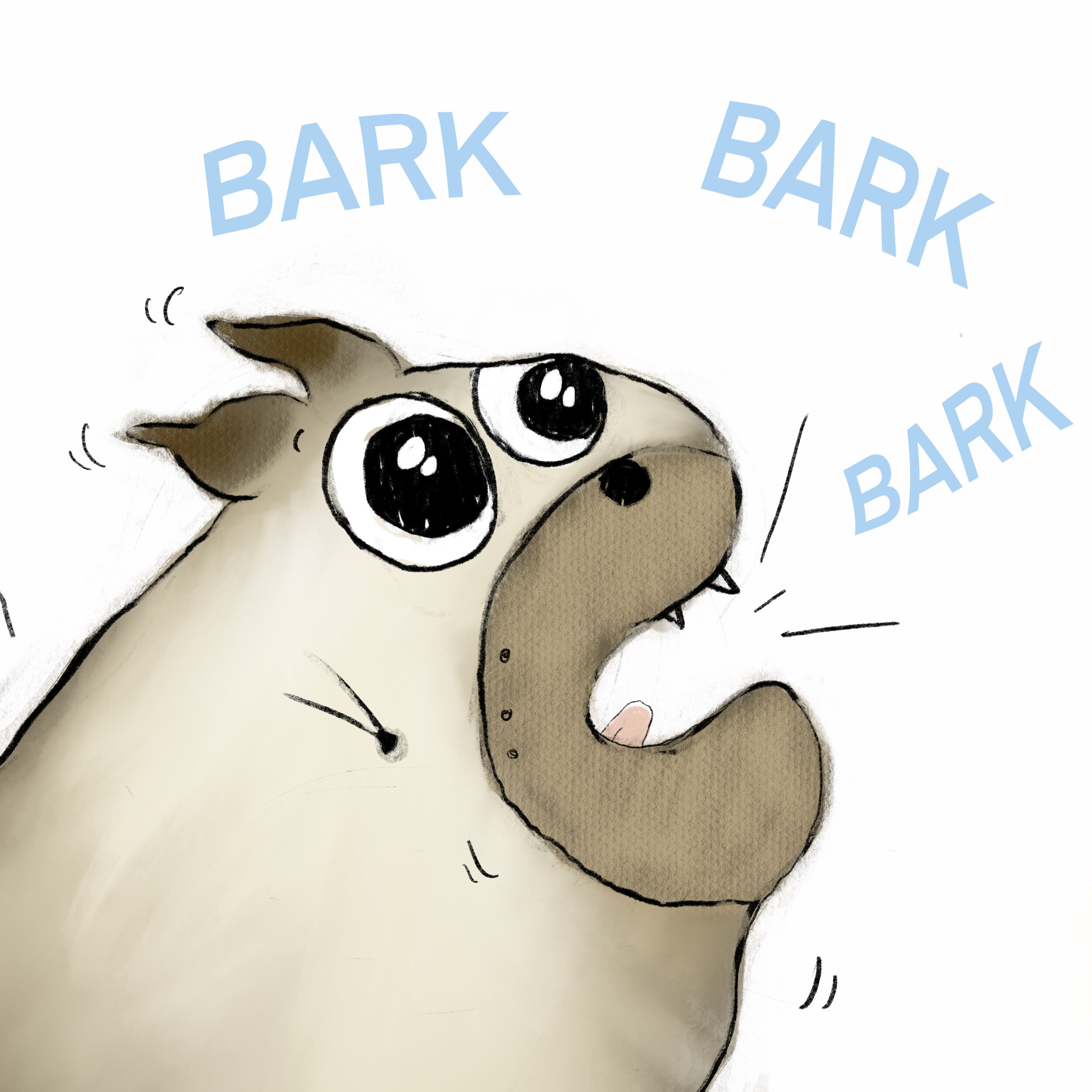
Training works best when you manage the trigger and teach a replacement behavior. The goal is not to silence every natural alert. The goal is to help your Pug respond, then settle.
1. Find the trigger
Keep a simple barking record for several days. Write down:
• What happened before the bark
• The time and location
• How long the barking lasted
• What stopped it
• Whether your Pug looked excited, worried, or frustrated
This record can reveal patterns. For example, your Pug may bark at the doorbell but remain quiet when soft music plays.
2. Reduce the trigger
Management is not a failure. It prevents your dog from rehearsing the behavior.
Try these steps:
• Block the view from windows
• Move the bed away from the front door
• Use a fan or white noise to soften outside sounds
• Ask visitors to text instead of knocking
• Keep your Pug away from the door during deliveries
3. Teach a calm response
When your Pug notices a mild trigger, calmly say a cue such as “thank you.” Wait for a pause, then offer a small treat. Over time, your dog can learn that one or two alert barks are enough.
Do not shout “quiet” repeatedly. From your dog’s point of view, you may sound like you are barking too.
4. Reward silence
Begin in a quiet room. When your Pug is calm, quietly place a treat on the floor. Repeat this often. Next, reward calm behavior after a small sound, such as a gentle knock.
Use tiny treats. Training should be frequent and easy, not tiring or stressful.
5. Teach an alternative behavior
Ask your Pug to go to a bed, touch your hand, sit, or look at you. These actions give the dog something useful to do instead of barking.
For example, when a visitor arrives, guide your Pug to a mat. Reward the dog for staying there. With practice, the mat becomes a signal for calm behavior.
6. Avoid punishment
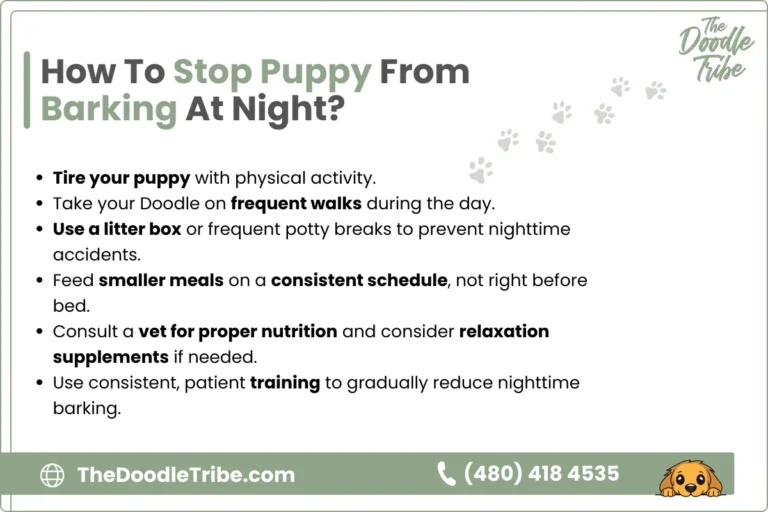
Shock collars, yelling, and physical corrections may stop a bark for a moment, but they can increase fear and anxiety. Reward-based training is safer and is recommended by modern veterinary behavior professionals.
If barking is severe, a certified professional dog trainer or veterinary behaviorist can create a plan based on the cause.

How Much Exercise and Enrichment Does a Pug Need?
Pugs need regular activity, but they are not built for intense exercise. Their short noses can make it harder to cool down and breathe during exertion.
Most healthy adult Pugs benefit from:
• Several short walks rather than one long, demanding walk
• Gentle indoor play
• Sniffing time
• Basic obedience training
• Puzzle feeders
• Hide-and-seek games with treats or toys
• Calm social time with trusted people or dogs
Mental exercise can be as valuable as physical exercise. Five minutes of scent work may leave your Pug more satisfied than a walk around the same block.
Watch for heavy panting, wide nostrils, blue or gray gums, weakness, or collapse. Stop activity and seek veterinary help if breathing does not quickly return to normal. Your veterinarian can suggest safe exercise based on your Pug’s weight, airway health, age, and fitness.
A common mistake is assuming that a tired dog is always a quiet dog. Overheating or exhaustion is not healthy enrichment. Aim for calm satisfaction, not extreme fatigue.

Pug Barking by Age
Puppies may bark as they learn about the world. New sounds, people, and objects can seem exciting or frightening. Gentle socialization helps puppies build confidence, but exposure should be gradual and positive.
Teenage Pugs may bark more as they test habits and gain independence. This is a good time to reinforce calm behavior rather than waiting for the problem to grow.
Adult Pugs often develop predictable barking patterns. You may notice barking at the door, during meals, or when you prepare to leave.
Senior Pugs can become vocal because of pain, hearing changes, vision loss, confusion, or age-related anxiety. A new behavior in an older Pug should receive a veterinary checkup.
So, do pug dogs bark a lot at every age? Not always. Their barking level often reflects learning, health, routine, and emotional comfort.

Do Male and Female Pugs Bark Differently?
There is no strong rule that male Pugs bark more than female Pugs, or that females are always quieter. Personality, training, socialization, health, and living conditions usually matter more than sex.
An intact dog may react to nearby dogs or mating-related scents, but barking is not controlled by sex alone. Neutering or spaying may affect some behaviors, yet it is not a guaranteed cure for barking.
When choosing a Pug, meet the dog in more than one setting. Watch how the dog responds to handling, strangers, other dogs, and mild household sounds. A confident, relaxed dog may be easier to guide than a fearful dog, regardless of sex.

When Pug Barking Needs Professional Help
Occasional barking is normal. Seek extra help when barking is frequent, intense, or difficult to interrupt.
Contact your veterinarian if:
• Barking starts suddenly
• Your Pug barks while coughing or struggling to breathe
• The dog seems painful, restless, or confused
• Barking occurs mainly at night in an older dog
• Your Pug has changes in appetite, sleep, movement, or bathroom habits
Consider a qualified behavior professional if:
• Your Pug panics when left alone
• Barking includes lunging, snapping, or biting
• Training efforts have not helped after several weeks
• You feel stressed, angry, or unsure what to do
A behavior plan should consider the whole dog. Diet, sleep, exercise, health, home layout, and past experiences can all affect vocal behavior.

Frequently Asked Questions About Do Pug Dogs Bark a Lot
Do Pugs bark more than other small dogs?
Pugs usually bark a moderate amount, but they can be vocal when excited, lonely, or alert. Some small breeds bark more often because they were bred for guarding or signaling.
Can Pugs be trained not to bark?
You can teach a Pug to bark less and settle faster, but you cannot remove all barking. Reward calm behavior, manage triggers, and teach a replacement cue such as going to a mat.
Do Pugs bark when left alone?
Some Pugs bark when alone because they are social and may develop separation distress. Gradual alone-time training, enrichment, and professional guidance can help.
Are Pugs quiet at night?
Many Pugs sleep quietly at night, but outside sounds, bathroom needs, discomfort, or anxiety may cause nighttime barking. Sudden nighttime vocalizing, especially in an older Pug, deserves a veterinary check.
Do Pugs bark at strangers?
Some Pugs bark at strangers near the home or during greetings. Positive socialization and rewards for calm behavior can teach your dog that visitors do not always require an alarm.
Is a Pug’s barking a sign of aggression?
Barking alone does not prove aggression. Look at the full body language, including stiffness, growling, retreating, raised hackles, loose movement, and whether the dog can relax after the trigger passes.
Conclusion
Do pug dogs bark a lot? Most Pugs are moderate barkers, not constant barkers, but boredom, fear, attention seeking, separation distress, and health problems can increase vocal behavior.
Start by identifying the trigger. Then reduce the trigger, reward quiet moments, provide safe enrichment, and teach a calm alternative. Never ignore sudden barking with breathing trouble or other signs of illness.
With patience and a clear routine, many Pugs learn when to alert and when to relax. If your Pug’s barking feels overwhelming, speak with your veterinarian or a reward-based behavior professional, and share your experience in the comments.