
Do Bark Collars Hurt Dogs: Safety Facts And Humane Tips
Do bark collars hurt dogs? Learn how different types work, potential risks, and humane training alternatives for safer, happier pets.
Most bark collars do not physically injure every dog, but shock models can cause pain, fear, and lasting stress.
Do bark collars hurt dogs? The honest answer depends on the collar type, the dog, and how the device is used. As a pet care writer who has reviewed behavior guidance and real-world training cases, I believe bark collars should never be the first solution. This guide explains the risks, signs of harm, safer options, and how to make a careful choice.
Do bark collars hurt dogs?
Some bark collars can hurt dogs, especially collars that use electric shock. A shock may be brief, but it can still cause pain, fear, confusion, or distress. The risk rises when the collar is too tight, poorly fitted, used for long periods, or triggered by the wrong sound.
Other bark collars use sound, vibration, citronella spray, or a mix of signals. These options may not cause physical pain in the same way as an electric collar, but they can still startle or upset a sensitive dog.
The key point is simple: a bark collar stops a noise. It does not explain why the dog is barking.
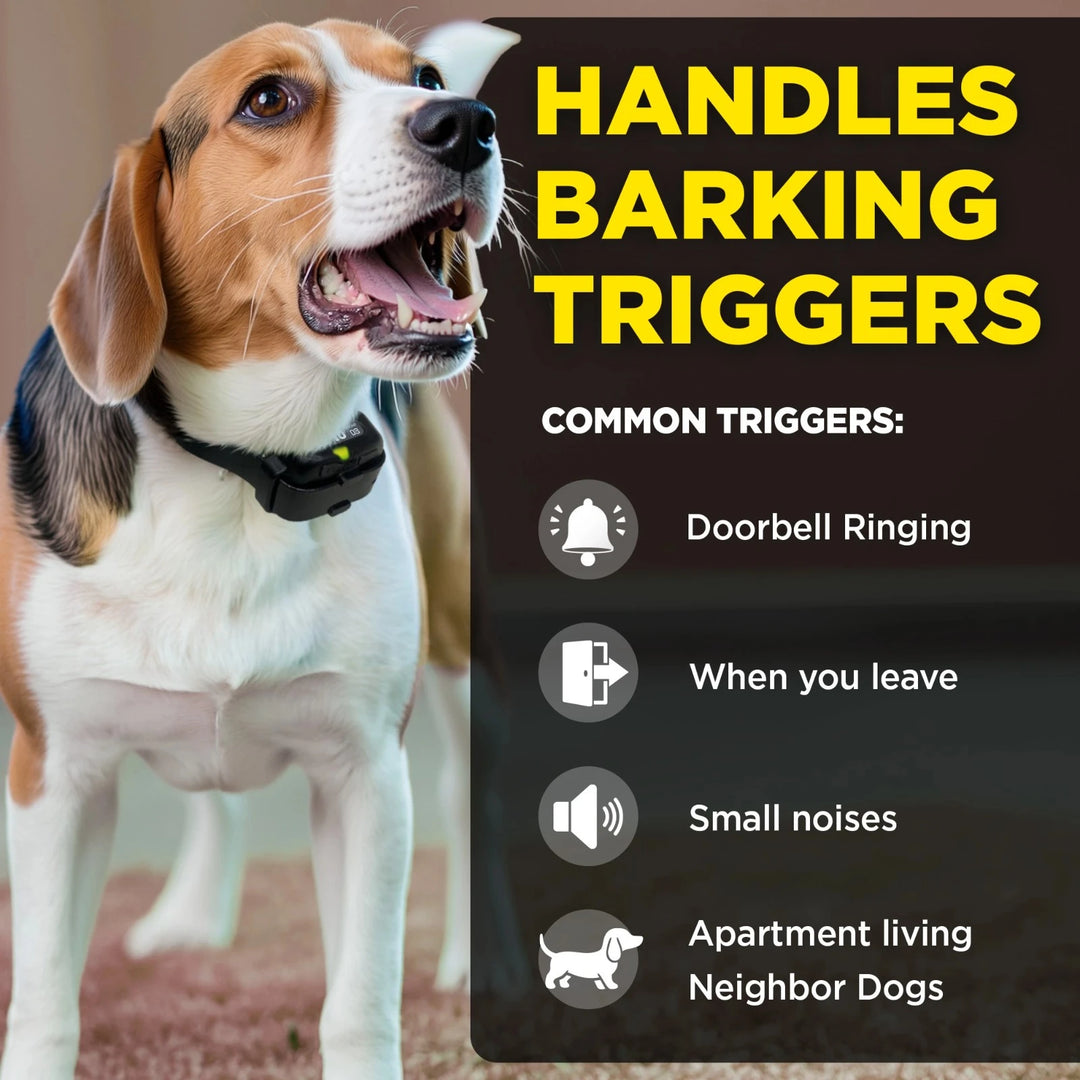
A dog may bark because of:
• Fear or stress
• Boredom and excess energy
• Separation distress
• Pain or illness
• Territorial behavior
• Excitement
• A need for attention
• Noise from people, pets, or traffic
If the cause remains, the dog may become more anxious while the barking continues in another form.
How different bark collars work
Not all bark collars work in the same way. Understanding the technology helps you judge the risk.
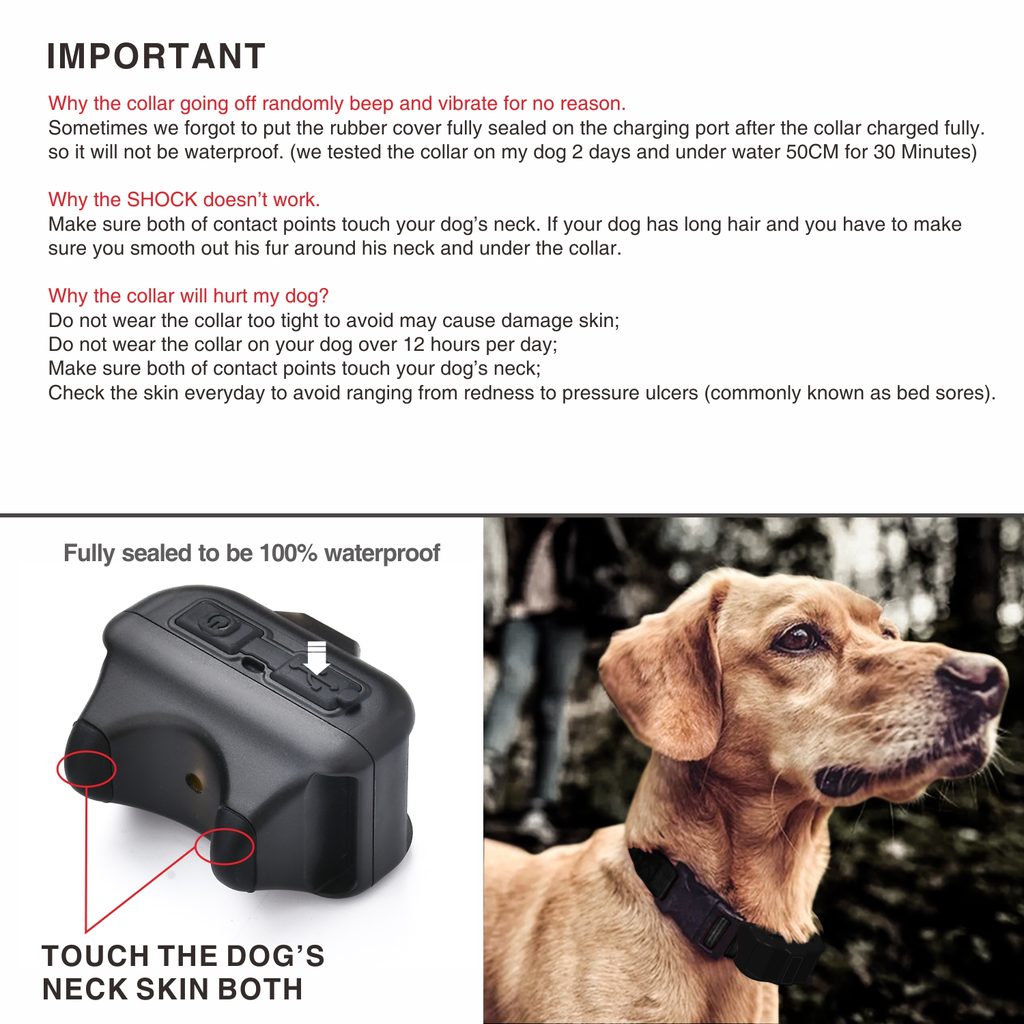
Shock bark collars
Shock collars detect a bark through sound, throat movement, or both. The collar then sends an electric pulse through contact points on the dog’s neck.
Some products use different levels. However, a low setting is not automatically harmless. Dogs vary in size, coat, skin sensitivity, and stress response. A setting that seems mild to one dog may feel painful to another.
Shock collars can also create a poor link in the dog’s mind. For example, a dog may bark at a child, receive a shock, and begin to fear the child. This can turn a simple barking issue into a larger behavior problem.
Vibration bark collars
Vibration collars use a buzzing or pulsing sensation. They do not send an electric shock, but the vibration may still startle a dog.
Some dogs ignore vibration. Others find it unpleasant or frightening. A vibration collar may be less harsh than a shock collar, but it is not risk-free.
Sound collars
Sound collars play a high-pitched tone when the dog barks. The sound may interrupt barking, but it does not teach the dog what to do instead.
Sound collars may also react to another dog barking nearby. In that case, your dog can receive a warning without causing the noise.
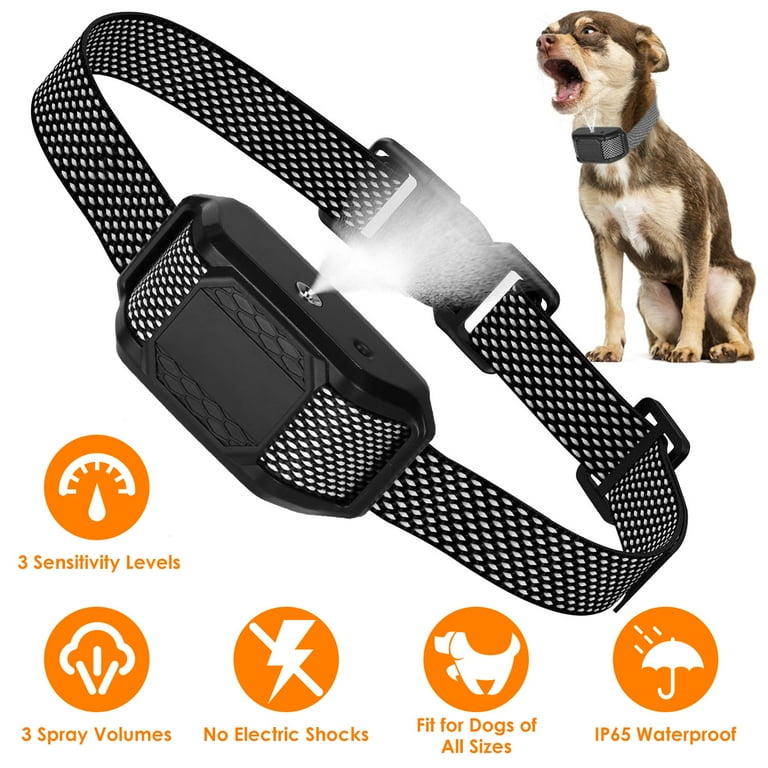
Citronella collars
Citronella collars release a scented spray near the dog’s nose. Many dogs dislike the smell, so the spray may interrupt barking.
This approach avoids electric shock, but it can still cause stress. Some dogs also learn to bark through the spray or become wary of wearing the collar.
Why do bark collars hurt dogs in some cases?
Do bark collars hurt dogs because of the device itself, or because of poor use? Both can play a role.
A collar can cause physical discomfort when:
• It is too tight
• The contact points press into the skin
• The dog wears it for many hours
• Moisture stays under the collar
• The collar rubs against the neck
• The dog has thin fur or sensitive skin
• The device gives repeated corrections
Electric collars may also cause emotional harm. A dog may not understand why the correction happened. If the collar activates during play, greeting, or a nearby bark, the dog may connect the unpleasant event with the wrong person, animal, or place.
This is like hearing an alarm every time you open a door without knowing why. You may stop opening doors, but you may also become nervous around doors. Dogs can react in a similar way.
Research and professional behavior guidance have raised concerns about aversive training methods. Veterinary behavior groups commonly favor reward-based training because it teaches a clear behavior without adding fear or pain.

Health and behavior risks to watch for
Do bark collars hurt dogs over time? They can create problems when used often or without careful training support.
Possible risks include:
• Redness, swelling, or sores on the neck
• Hair loss beneath the collar
• Scratching or rubbing
• Freezing or hiding
• Trembling
• Excessive panting
• Avoiding people
• New aggression
• Increased anxiety
• Whining or unusual quietness
• Barking more intensely when the collar is removed
• Fear of the yard, door, leash, or other trigger
Some dogs stop barking because they shut down, not because they learned calm behavior. A quiet dog is not always a relaxed dog.
A strong warning sign is a change in the dog’s normal personality. If your friendly dog becomes withdrawn, jumpy, or defensive, remove the collar and speak with a veterinarian or qualified behavior professional.
Never use a bark collar on a dog with neck wounds, skin disease, severe fear, or a history of aggression without veterinary advice.

When a bark collar may be especially unsafe
Certain dogs face a higher risk from aversive bark collars.
Avoid shock or punishment-based bark collars for:
• Puppies that are still learning basic behavior
• Senior dogs with health changes
• Dogs with hearing loss
• Dogs with seizure disorders
• Very small dogs
• Dogs with thin coats
• Dogs with anxiety or fear
• Dogs that bark from separation distress
• Dogs that show aggression
• Dogs that are left alone for long periods
Do bark collars hurt dogs with separation anxiety? They may make the problem worse. A dog that panics when alone needs support for fear and distress, not a punishment for vocalizing.
A medical check also matters. Pain, cognitive decline, hearing changes, and illness can cause sudden barking. Treating the medical issue may reduce the barking without any collar.
Better ways to reduce excessive barking
The safest plan starts by finding the reason for the barking. Keep a simple record for several days.
Write down:
• What happens before the bark
• Where the dog is
• Who or what the dog sees
• How long the barking lasts
• What makes it stop
• Whether the dog appears afraid, excited, angry, or playful
Once you know the trigger, you can teach a better response.
Teach a quiet cue
Wait for a short pause in the barking. Say “quiet” in a calm voice, then give a small treat. Repeat this many times.
Do not shout. Dogs may think you are barking with them. Reward quiet moments before the dog becomes highly upset.
Reduce visual triggers
Use curtains, window film, or a baby gate if the dog barks at people outside. Move the dog’s resting area away from the front window.
This does not solve every problem, but it lowers the number of barking rehearsals.
Add exercise and mental work
A dog with unused energy may bark more often. Try:
• Sniff walks
• Food puzzles
• Short training games
• Safe play
• Chew items
• Basic obedience practice
Mental work can be as useful as a long walk. Ten minutes of calm training may tire a dog more than ten minutes of rushed activity.
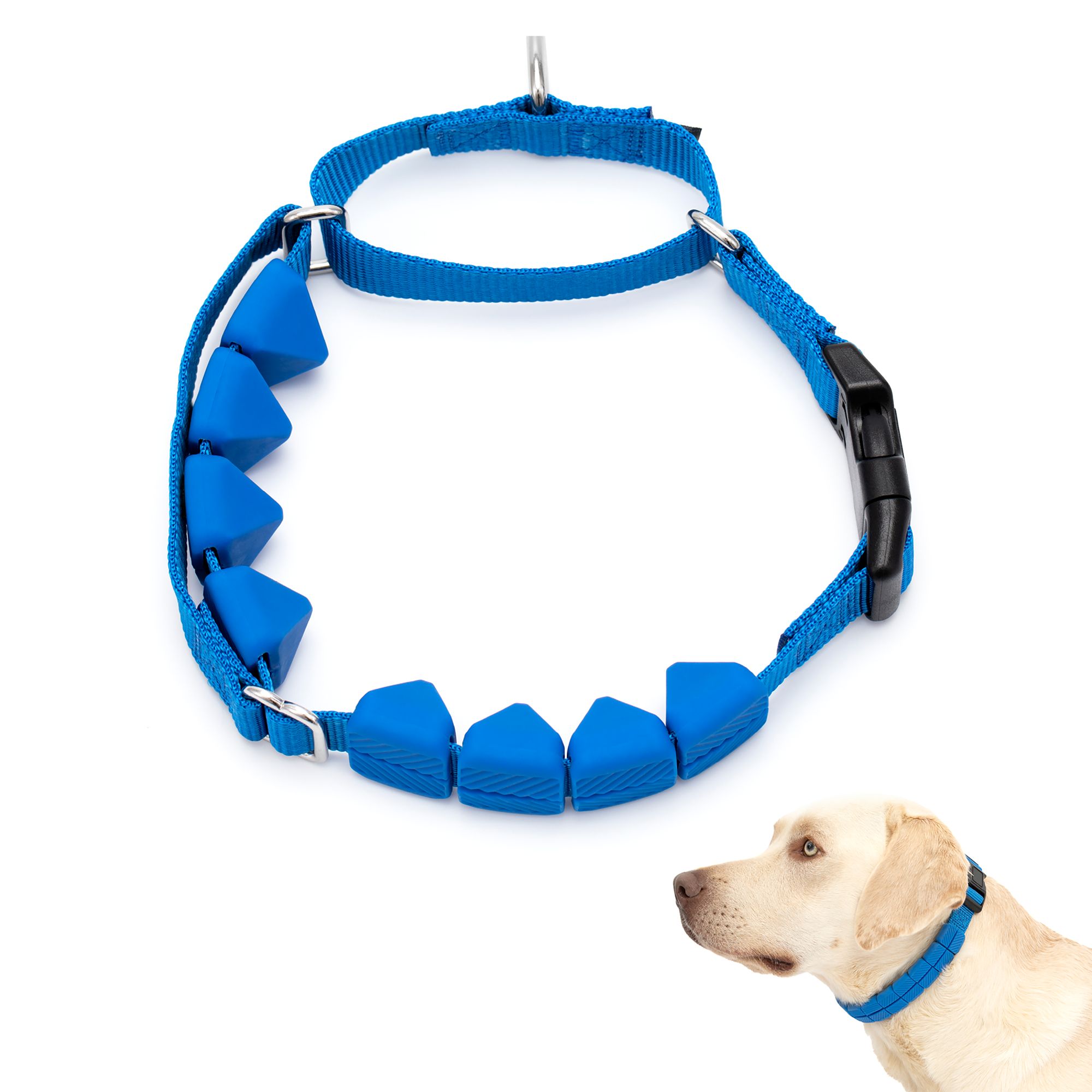
Reward calm behavior
Notice your dog when the house is quiet. Give praise, gentle attention, or a treat. Dogs repeat behaviors that bring good results.
This teaches the dog that calm behavior has value.
Get help for serious cases
A certified professional dog trainer or veterinary behaviorist can help with fear, aggression, and separation distress. Choose someone who explains methods clearly and avoids promises of instant results.
How to use a bark collar more safely
Do bark collars hurt dogs less when used carefully? Careful use may reduce some risks, but it does not remove the concerns linked to punishment or electric stimulation.
If you decide to try a non-shock collar, follow these steps:
-
Ask your veterinarian to rule out pain or illness.
-
Identify the reason for the barking.
-
Choose a device that does not use electric shock.
-
Select a collar made for your dog’s size and coat.
-
Follow the fitting instructions.
-
Check the neck each day for redness or rubbing.
-
Do not leave the collar on all day.
-
Do not use it when the dog is unsupervised.
-
Pair the interruption with reward-based training.
-
Stop immediately if your dog shows fear, pain, or distress.
A collar should never replace exercise, enrichment, supervision, or training. It should also never be used to punish barking caused by a dog that is trapped, frightened, injured, or left alone too long.
One common mistake is putting the collar on and expecting silence within hours. That approach may suppress a symptom while hiding the real problem. Good training changes the dog’s emotional response, not just the volume of the bark.

What veterinarians and behavior experts recommend
Do bark collars hurt dogs according to veterinary behavior guidance? Professional opinions differ on some training tools, but many animal behavior organizations advise using reward-based methods first.
Reward-based training has a clear advantage: it shows the dog what to do. Punishment may stop a behavior for a moment, but it often does not teach a calm replacement.
Evidence also suggests that aversive methods can increase fear and stress in some dogs. The effect depends on the dog, the handler, the timing, and the intensity. That uncertainty is important. A product may work for one dog and create a new problem for another.
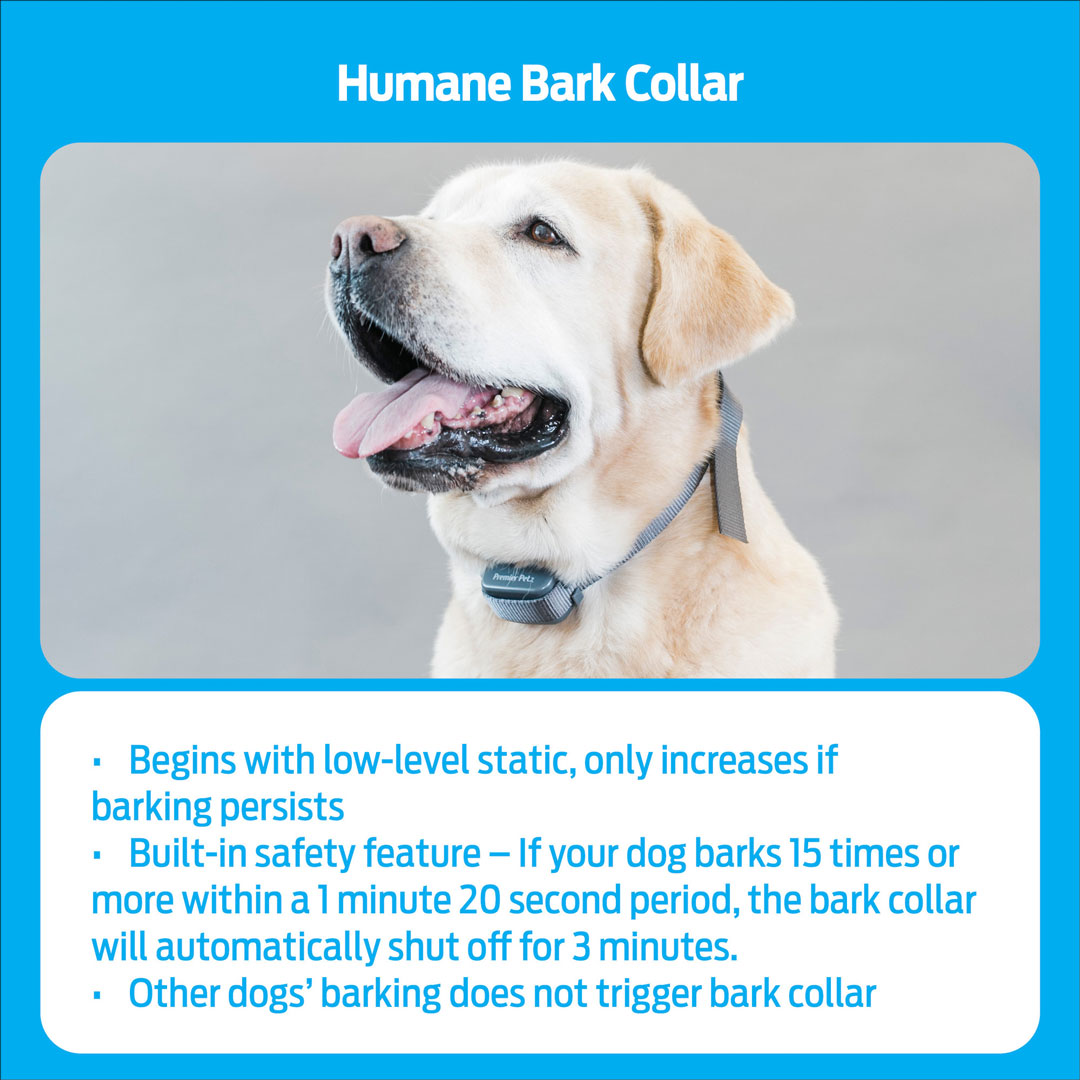
Manufacturers may claim that a collar is safe because it uses automatic bark detection or adjustable levels. Those features can reduce accidental corrections, but they do not prove that the collar is harmless.
Look for advice from:
• A licensed veterinarian
• A board-certified veterinary behaviorist
• A qualified reward-based trainer
• A trusted animal welfare organization
Be cautious with claims such as “100 percent safe,” “works for every dog,” or “no training needed.” Behavior is complex, and no collar can replace a proper assessment.
How to choose a humane bark control plan
A good plan should protect the dog’s body and emotional health.
Before buying a bark collar, ask:
• What causes the barking?
• Could pain or illness be involved?
• Is the dog alone for too long?
• Is the barking linked to fear?
• Can I change the environment?
• Can I teach a quiet cue?
• Do I need professional help?
For some dogs, a management plan works well. This may include white noise, more exercise, window barriers, day care, a dog walker, or gradual alone-time training.
For neighborhood barking, speak with your neighbors in a calm way. Let them know you are working on the problem. A shared solution is often better than trying to silence the dog with a harsh device.
If you rent a home or live in a community with noise rules, check local regulations. Some areas restrict or ban shock collars. Rules can change, so confirm the current requirements where you live.
Frequently Asked Questions About Do Bark Collars Hurt Dogs
Do bark collars hurt dogs physically?
Shock bark collars can cause pain or skin irritation, especially when they are too tight or used for long periods. Sound, vibration, and spray collars may not cause the same physical pain, but they can still frighten or stress some dogs.
Are vibration bark collars safe for dogs?
Vibration collars are generally less harsh than shock collars, but they are not suitable for every dog. Stop using one if your dog trembles, hides, freezes, scratches at the collar, or acts unusually fearful.
Can bark collars make barking worse?
Yes. A bark collar may increase fear, anxiety, or frustration, which can lead to more intense barking or other behavior problems. It may also stop warning barks without solving the reason the dog feels unsafe.
Is it cruel to use a shock bark collar?
Many veterinary and animal behavior professionals discourage shock collars because they rely on pain or fear. Reward-based training and careful management are safer starting points for most barking problems.
Can a bark collar help with separation anxiety?
A bark collar does not treat separation anxiety. It may punish a dog during a panic episode and make the fear worse, so behavior support and veterinary guidance are more appropriate.
What is the safest alternative to a bark collar?
The safest alternative is a plan based on the cause of the barking. This may include reward-based training, exercise, environmental changes, gradual desensitization, and help from a veterinarian or qualified behavior professional.
Conclusion
So, do bark collars hurt dogs? Shock collars can cause pain, skin problems, fear, and confusion. Vibration, sound, and spray collars may be gentler, but they can still stress some dogs and do not address the cause of barking.
Start with a health check, identify the trigger, and reward calm behavior. Use changes in the home, exercise, enrichment, and professional guidance before relying on a correction device.
Your dog is not trying to be difficult. Barking is communication. Listen to the message, choose the kindest effective plan, and share your experience or questions with a trusted trainer, veterinarian, or pet care community.

Pet Care Writer & Researcher
Daniel writes practical guides on daily care, feeding, and safety, turning complex topics into simple, actionable advice.