How To Train Dog Not To Bark At People: Quick Calm Tips
Learn how to train dog not to bark at people with simple, proven steps, gentle techniques, and quick tips to stop nuisance barking and build calm behavior.
Teach calm, consistent cues, reward silence, and manage triggers to stop barking at people.
I write training plans for dog owners and behavior cases every week, and I know how frustrating it is when a friendly walk or a visitor turns into a barking session. This guide explains how to train dog not to bark at people with clear steps, real examples, common pitfalls, and gentle, science-backed techniques you can use today. You’ll learn why dogs bark, how to read triggers, and practical training drills that work for puppies and adult dogs alike. Read on for step-by-step methods, personal tips, and quick fixes to make outings and guests peaceful again.

Understanding why dogs bark at people
Barking is a natural dog communication tool. It can mean excitement, fear, alarm, boredom, or a desire to play.
Different triggers cause the same sound. A dog barking at a mail carrier may bark from territorial instinct. The same dog may bark at a stranger on the street out of fear. Knowing the reason helps you choose the right training for how to train dog not to bark at people.
I’ve worked with dogs who bark from over-excitement and dogs who bark from anxiety. The training approach for each is different and that changes outcomes fast.
Key principles to stop barking
Follow these simple rules before you start training. They reduce confusion and speed progress.
- Consistency matters. Use the same cues and rewards every time.
- Calm leadership helps. Dogs respond to predictable routines.
- Timing is crucial. Reward quiet within one or two seconds of it happening.
- Manage the environment. Remove or control triggers while you teach alternative behaviors.
Apply these principles to any plan for how to train dog not to bark at people. Small, steady habits beat harsh corrections.

Preparing to train: tools, mindset, and safety
Set expectations and gather supplies. Training works best when you are ready.
-
Tools to have
- High-value treats cut into tiny pieces for quick rewards.
- A flat collar or harness and a 6-foot leash for control.
- A clicker if you use marker training.
- A calm helper to act as a “stranger” during practice.
-
Mindset and timing
- Train in short sessions, 5 to 10 minutes, twice daily.
- Expect gradual progress; aim for small wins each session.
- Safety first: if your dog shows extreme fear, consult a professional.
When you prepare, training becomes consistent and humane. This setup makes teaching how to train dog not to bark at people faster and less stressful.

Step-by-step training plan: how to train dog not to bark at people
This plan focuses on changing the dog’s reaction and rewarding the behavior you want. Use the steps below in order.
-
Identify the trigger
- Notice patterns: door, window, walk, or specific clothing.
- Keep a short log of when the barking starts to find patterns.
-
Teach a calm alternative (look at me)
- Hold a treat near your eyes and say “look” or “focus.”
- Reward the dog for making eye contact, then move away slowly.
- Repeat until the dog reliably looks on cue even with mild distractions.
-
Desensitize and counter-condition
- Start far from the trigger where the dog stays quiet.
- When a person appears and your dog stays calm, reward immediately.
- Gradually decrease distance over sessions while rewarding quiet.
-
Add a verbal quiet cue
- When the dog stops barking for a second or two on its own, say “easy” or “quiet,” and reward.
- Increase the duration of silence required before giving the reward.
-
Generalize to real situations
- Practice with different people, clothing, and locations.
- Use helpers who approach at different paces and keep the dog below threshold.
-
Maintain and reinforce
- Practice often and use intermittent rewards once the behavior is reliable.
- Keep sessions short and positive to avoid burnout.
I’ve used this plan to help a reactive terrier go from noisy door greetings to calm sits in less than three weeks. Small steps and reward timing made the difference.

Training on leash, at the door, and during walks
Different contexts need small tweaks. Here’s what to do in common scenarios.
Leash training
- Keep slack in the leash and stop if your dog lunges to bark.
- Turn your body and walk the other way. Reward when the dog looks at you.
- Use focus and short rewards to redirect attention.
At the door
- Put the dog on a mat and practice “place” so they learn to stay calm when someone enters.
- Reward calm behavior, not silence that’s forced.
- Slowly reintroduce door knocks and deliveries with controlled practice.
During walks
- Anticipate triggers and move to wider space.
- Teach a “watch me” or “heel” cue to keep attention on you.
- Reward for calm passing or for sitting politely when people approach.
These adjustments help you apply how to train dog not to bark at people across daily life.

Tools, aids, and training aids that help
Tools can speed training when used properly. Use them to support, not replace, learning.
- High-value treats and food puzzles to reward calm.
- Clicker to mark good moments precisely.
- Long line for distance management during desensitization.
- Head halter for strong pullers, used with positive training only.
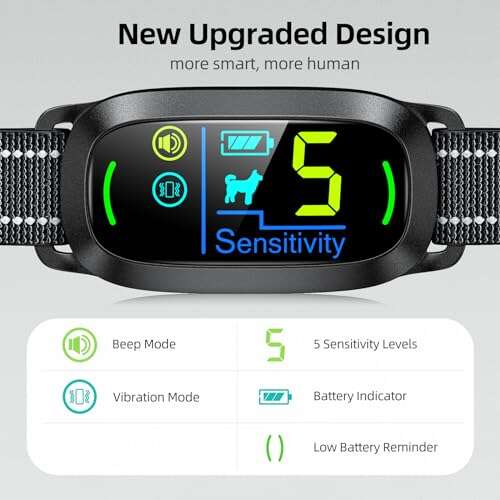
Avoid punishment-based tools like shock or prong collars. They can increase fear and make barking worse. Positive, reward-based tools build trust and lasting change for how to train dog not to bark at people.

Troubleshooting and common mistakes
Training rarely goes perfectly. These tips help you adjust when problems appear.
-
Mistake: rewarding silence by accident
- Fix: only reward calm when it follows a clear cue or desired action.
-
Mistake: moving too quickly
- Fix: step back to a distance where the dog can succeed without barking.
-
Mistake: inconsistent rules among family members
- Fix: teach everyone the cues and reward system so the dog gets one message.
-
If barking increases
- Take a break, reassess the trigger, and reduce intensity of practice.
- Consider professional help for fear or aggression.
From my experience, owners who rush the process see slow or no progress. Patience and steady practice win.

PAA-style quick questions
What is the fastest way to stop barking at strangers?
The fastest humane method is to reduce trigger intensity, reward calm behavior immediately, and teach a reliable focus cue like “look” or “sit.” Consistent practice and short, frequent sessions create quick progress.
Can treats stop barking?
Treats alone won’t stop barking, but they reinforce quiet behavior when delivered at the right moment. Pair treats with a clear cue and controlled exposure to the trigger.
When should I seek professional help?
If your dog shows aggression, extreme fear, or no improvement after weeks of consistent training, seek a certified behaviorist. Early expert help prevents worsening and keeps training safe.
How long does it take to train a dog not to bark at people?
Most dogs make noticeable progress in 2 to 6 weeks with consistent short sessions. Severe cases or fear-based barking may take longer and need professional guidance.
Are punishment methods effective?
Punishment may suppress barking temporarily but often increases fear and reactivity long-term. Reward-based methods are safer and more reliable for lasting change.
Personal lessons, tips, and real-life examples
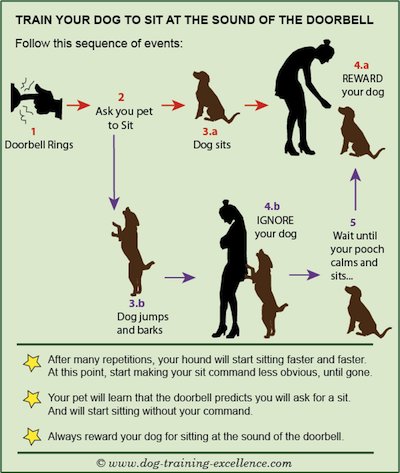
I once trained a Labrador that barked at delivery people. We started by giving distance, rewarding calm, and using a “place” cue. Over two weeks, the dog learned to sit and wait for a treat when the doorbell rang. The family stayed consistent and the problem disappeared.
Tips from my practice
- Short training wins: five minutes, three times a day.
- Keep treats tiny. Too big slows response.
- Celebrate progress, not perfection. Small wins build momentum.
Common pitfalls I’ve seen
- Owners reward barking by giving attention. Even scolding can feel like attention.
- Skipping foundation work on focus cues leads to slow results.
- Using punishment can break trust and make fear worse.
These real stories show how patient, humane training reprograms responses and builds confidence.
Related concepts and long-term maintenance
Think beyond immediate barking. Build overall calm and reliability.
- Socialization: positive exposure helps dogs learn that people are safe.
- Exercise: tired dogs bark less from pent-up energy.
- Mental work: puzzle toys and obedience tasks reduce boredom barking.
- Routine: predictable schedules reduce anxiety and barking.
Long-term, maintain training with occasional refreshers. Reinforce cues and rewards. This keeps your results stable and prevents relapses in how to train dog not to bark at people.
Frequently Asked Questions of how to train dog not to bark at people
How long will it take for my dog to stop barking at people?
Most dogs show improvement in 2 to 6 weeks with consistent training. Severe or fear-based barking may need months and professional help.
Can I use a shock collar to stop barking fast?
No. Shock collars can increase fear and reactivity and often make problems worse. Positive reinforcement is safer and more effective long-term.
Should I ignore my dog's barking at strangers?
Ignoring can help if the dog seeks attention, but it won’t teach an alternative behavior. Use redirection, focus cues, and rewards instead.
What if my dog is aggressive when people approach?
Do not train alone. Seek a certified behaviorist to assess triggers and create a safety-first plan. Aggression requires professional guidance and careful management.
How do I train a shy dog who barks out of fear?
Use distance-based desensitization, pair people with high-value treats, and move slowly. Celebrate small steps and avoid forcing close interactions.
Conclusion
You can change your dog’s reaction to people with calm consistency, good timing, and reward-based training. Start by identifying triggers, teach a reliable focus or “place” cue, and desensitize your dog at a pace they can handle. Keep sessions short, stay consistent with family members, and use rewards to reinforce quiet, friendly behavior. Try the steps in this guide, track progress, and be patient — steady practice brings lasting results. If you hit a wall, consult a professional for tailored help. Leave a comment with your dog’s specific issue or subscribe for more step-by-step behavior tips.