What Fresh Food Is Best For Dogs: Healthy Choices
Learn what fresh food is best for dogs, including nutritious meats, vegetables, and fruits that support your pet’s health and happiness.
The best fresh food for dogs includes lean meat, cooked vegetables, safe grains, and a complete nutrient balance.
Knowing what fresh food is best for dogs can help you add variety without upsetting your pet’s stomach or weakening their diet. As a practical guide, I focus on foods that are safe, easy to digest, and useful as part of a balanced feeding plan. The key lesson is simple: fresh ingredients can support good health, but they should complement—not replace—proper canine nutrition unless a veterinary nutritionist creates the recipe.
What Fresh Food Is Best for Dogs?
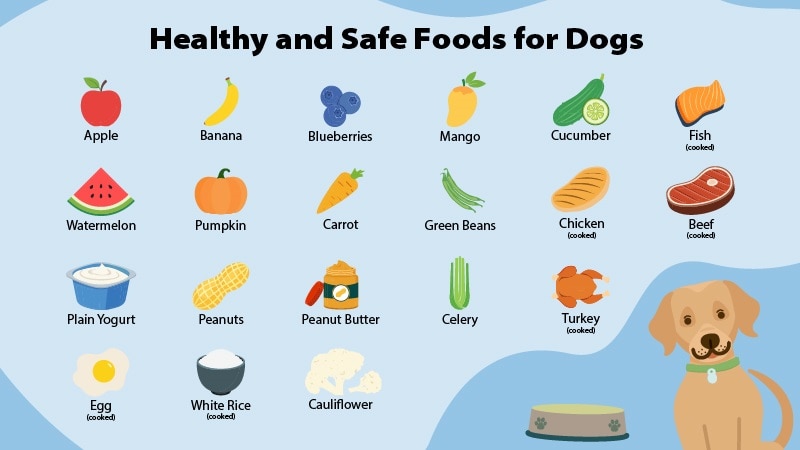
The best fresh food for dogs is usually plain, cooked, and low in fat. Good choices include lean proteins, cooked vegetables, certain fruits, and digestible carbohydrates. These foods provide protein, fiber, vitamins, minerals, and moisture.
Healthy options include:
• Cooked chicken, turkey, lean beef, or salmon
• Plain eggs
• Green beans, carrots, pumpkin, and sweet potatoes
• Cooked white rice, brown rice, oats, or quinoa
• Blueberries, apples without seeds, and bananas in small amounts
• Plain yogurt if your dog tolerates dairy
Fresh food should be served without salt, butter, sauces, onion, garlic, or spicy seasoning. Dogs do not need the same flavors people enjoy. In fact, rich sauces and fatty scraps can cause stomach upset or pancreatitis.
A dog’s main diet should be complete and balanced. This means it must supply the right levels of protein, fat, calcium, phosphorus, vitamins, and trace minerals. A bowl of chicken and rice may look wholesome, but it is not a complete long-term diet by itself.

Best Fresh Protein Sources for Dogs
Protein helps maintain muscle, skin, organs, hormones, and immune function. For many dogs, lean animal protein is the most useful fresh food to add to a meal.
Chicken and turkey
Plain, cooked chicken and turkey are popular choices because they are lean and easy to digest. Remove the skin and all bones before serving. Cooked bones can splinter and cause choking, mouth injuries, or intestinal damage.
Choose unseasoned meat. Avoid deli turkey, rotisserie chicken, and processed poultry because they may contain high levels of salt, fat, onion, or garlic.
Lean beef
Lean ground beef, sirloin, and other low-fat cuts can provide protein, iron, and zinc. Drain excess fat after cooking. High-fat beef may lead to diarrhea or increase the risk of pancreatitis in sensitive dogs.
Do not feed raw ground beef casually. Raw meat can carry bacteria such as Salmonella and E. coli. These germs may affect both dogs and people in the home.
Fish
Cooked salmon, sardines packed in water, and other low-mercury fish can provide protein and omega-3 fatty acids. Omega-3 fats may support skin, coat, and joint health.
Remove every bone before serving. Avoid smoked, salted, or heavily seasoned fish. Do not offer large amounts of tuna, which can contain more mercury than smaller fish.
Eggs
Fully cooked eggs are a useful source of protein and several vitamins. Scramble or boil them without butter, oil, salt, or seasoning.
Raw eggs are not the best choice for routine feeding. They may carry bacteria, and frequent raw egg white consumption may interfere with biotin use.
Organ meats
Small amounts of cooked liver, kidney, or heart can provide valuable nutrients. However, liver is very rich in vitamin A. Too much can cause vitamin A toxicity.
Use organ meat as a small part of a balanced recipe, not as the main protein. If you are preparing homemade meals often, ask a veterinary nutritionist for exact amounts.

Best Fresh Vegetables for Dogs
Vegetables can add fiber, water, and helpful plant nutrients. They are also a low-calorie way to provide texture and variety.
The best fresh food for dogs from the vegetable group is usually plain, cooked, and cut into small pieces. Cooking softens tough plant fibers and may make some vegetables easier to digest.
Good choices include:
• Carrots: Serve raw as small pieces or cooked until soft. Large chunks can be a choking risk.
• Green beans: These are low in calories and can work well as a small treat.
• Pumpkin: Plain canned pumpkin or cooked pumpkin may support normal stool quality. Do not use pumpkin pie filling.
• Sweet potatoes: Cook, peel, and serve in small portions. They contain useful fiber but also add carbohydrates.
• Zucchini: Plain cooked zucchini is mild and low in calories.
• Peas: Small amounts are generally safe, but they should not replace animal protein.
• Broccoli: Small portions may be fine, but large amounts can cause gas.
• Cucumber: Plain cucumber can provide water and crunch when cut into safe pieces.
Introduce one vegetable at a time. This makes it easier to identify the cause if your dog develops gas, loose stool, vomiting, or itching.
Avoid onions, garlic, leeks, shallots, and chives. These members of the allium family can damage red blood cells and may cause anemia. Never assume that a vegetable is safe just because it is healthy for people.

Best Fresh Fruits for Dogs
Fruit can be a healthy occasional treat, but it contains natural sugar. Treat fruit as a small addition rather than a major part of your dog’s diet.
Safe choices include:
• Blueberries
• Strawberries with the leafy tops removed
• Apple slices without seeds or the core
• Bananas in small pieces
• Seedless watermelon
• Cantaloupe
• Pear slices without seeds
• Mango without the pit or skin
Wash fruit before serving. Cut it into small pieces that match your dog’s size. A large piece of apple or melon can become a choking hazard, especially for small dogs.
Never give grapes or raisins. Even small amounts can cause serious kidney injury in some dogs. The exact toxic dose is not predictable, so treat every exposure as urgent and contact a veterinarian or pet poison service.
Avoid fruit pits and seeds. Peach, plum, cherry, and apricot pits can cause choking or intestinal blockage. Some pits and seeds also contain compounds that can release cyanide when damaged.

Fresh Foods That Provide Healthy Carbohydrates
Dogs can digest properly cooked carbohydrates, although they do not need large amounts. Carbohydrates can provide energy and help form a soft, easy-to-eat meal.
Useful choices include:
• White rice
• Brown rice
• Plain oats
• Quinoa
• Barley
• Cooked potatoes
• Cooked sweet potatoes
Plain white rice is often gentle on the stomach for short-term feeding, but chicken and rice should not become a permanent diet unless it has been balanced by a professional.
Brown rice and oats contain more fiber, which may help some dogs feel full. However, too much fiber can cause gas or loose stool. Dogs with diabetes, obesity, or certain digestive conditions may need a more carefully planned carbohydrate intake.
Never add raisins, macadamia nuts, chocolate, xylitol, or sugar-free sweeteners to homemade meals. Xylitol can cause a dangerous drop in blood sugar and liver injury.

How Much Fresh Food Should Dogs Eat?
Fresh food should usually make up no more than about 10% of a dog’s daily calories when it is used as a topper or treat. The remaining calories should come from a complete and balanced dog food.
This 10% guideline is practical, but calorie needs vary. A young, active dog may need more energy than an older dog with arthritis. A small dog can also exceed its daily calorie limit with just a few extra bites.
Start with small portions, such as:
• One teaspoon for a toy breed
• One tablespoon for a small dog
• One to two tablespoons for a medium dog
• A few tablespoons for a large dog
These are general starting points, not medical prescriptions. Adjust based on your dog’s size, age, activity, body condition, and health needs.
Watch your dog’s body shape. You should be able to feel the ribs under a thin layer of fat, and your dog should have a visible waist when viewed from above. A veterinarian can help assess body condition more accurately.
A common mistake is adding fresh food without reducing the regular food portion. This can slowly cause weight gain. Measure both foods and count treats, chews, and table scraps as part of the daily total.

How to Prepare Fresh Food Safely
Safe preparation matters as much as ingredient choice. Fresh food can still cause illness if it is spoiled, contaminated, or poorly stored.
Follow these steps:
- Wash your hands before and after preparing food.
- Use separate cutting boards for raw meat and produce.
- Cook meat thoroughly and check that the center is no longer raw.
- Remove all bones, pits, cores, stems, and tough skin.
- Avoid salt, onion, garlic, sauces, butter, and spicy seasonings.
- Refrigerate leftovers within two hours.
- Use refrigerated cooked food within three to four days.
- Freeze extra portions in sealed containers.
- Throw away food that smells sour, looks moldy, or has changed texture.
Raw feeding carries special risks. Raw meat may contain bacteria and parasites that can affect pets, children, older adults, pregnant people, and anyone with a weak immune system. Some raw diets also lack calcium, contain too much vitamin A, or have an unsafe calcium-to-phosphorus ratio.
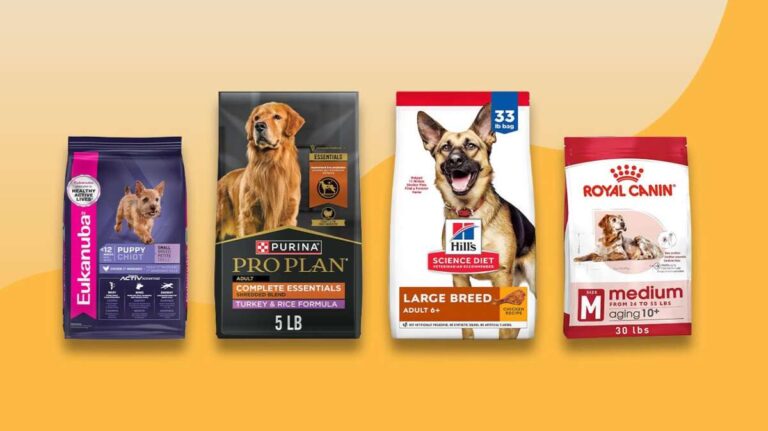
If you choose a commercial fresh dog food, check the nutritional adequacy statement. Look for wording that confirms the food meets recognized standards for your dog’s life stage. Refrigerated packaging alone does not prove that a product is nutritionally complete.

Are Homemade Fresh Meals Balanced for Dogs?
Homemade food can be nutritious, but creating a complete recipe is harder than it looks. Meat, rice, and vegetables do not automatically provide enough calcium, iodine, vitamin D, zinc, or essential fatty acids.
Studies of homemade dog food recipes have found that many lack one or more important nutrients. The risk is higher when owners change ingredients, skip supplements, or estimate portions without a kitchen scale.
A properly balanced homemade diet usually needs:
• A specific animal protein amount
• A measured source of calcium
• Essential fatty acids
• Correct vitamin and mineral supplements
• The right calorie level
• Adjustments for age, size, activity, and medical needs
Do not copy a recipe from a social media post without checking its nutrition. Recipes should come from a board-certified veterinary nutritionist or another qualified professional who uses established nutrient standards.