What Is The Best Dog Food For Medium Dogs: Nutrition Guide
Find what is the best dog food for medium dogs with expert tips on nutrition, ingredients, and healthy meal choices for your pet.
The best dog food for medium dogs is a complete, balanced recipe matched to your dog’s age, size, health, and activity level.
Choosing the best dog food for medium dogs is less about finding one magic brand and more about reading the label, checking ingredient quality, and matching calories to your dog’s needs. After reviewing many diets and seeing how dogs respond to food changes in real life, I have found that the right choice supports steady energy, healthy weight, firm stools, and a shiny coat without relying on flashy marketing.
What Is the Best Dog Food for Medium Dogs?
The best dog food for medium dogs is a complete and balanced food made for the correct life stage. It should provide enough protein, healthy fat, vitamins, and minerals without adding too many calories.
Most medium dogs weigh about 20 to 50 pounds. However, size ranges can vary by breed. A Cocker Spaniel, Border Collie, and Bulldog may all fall into the medium dog group, yet they can have very different energy needs.
Look for food that meets these basic standards:
• It is labeled complete and balanced for your dog’s life stage.
• It lists a clear animal protein, such as chicken, turkey, beef, fish, or lamb.
• It provides suitable calories for your dog’s size and activity level.
• It includes nutrients for healthy skin, joints, digestion, and muscle.
• It comes from a company with strong quality control and feeding research.
The best dog food for medium dogs may be dry kibble, wet food, fresh food, or a mix. The format matters less than the food’s nutrition, safety, and suitability for your individual dog.
How to Choose the Best Dog Food for Medium Dogs
Start with your dog, not the front of the bag. Words such as “natural,” “premium,” and “holistic” can sound useful, but they do not tell you if the food meets your dog’s actual needs.
Check the label and feeding guide. Then consider your dog’s age, weight, activity, breed traits, allergies, and health history.
Check the life stage
Puppies need food that supports growth. Adult dogs need food that maintains muscle and a healthy body weight. Senior dogs may benefit from lower calorie levels, added joint support, or easier digestion, although senior formulas are not always required.
For growing medium breed puppies, calcium and phosphorus must stay in a safe balance. Too much or too little of certain minerals can affect bone development. Ask your veterinarian before giving a puppy a supplement.
Look for animal protein
Dogs can digest plant ingredients, but animal protein is often a useful source of essential amino acids. A named meat or fish near the start of the ingredient list is a positive sign.
Good examples include:
• Chicken
• Turkey
• Beef
• Salmon
• Lamb
• Duck
• Egg
Meat meals, such as chicken meal or salmon meal, are also concentrated protein sources. The word “meal” does not mean the ingredient is poor quality. It means the ingredient has had much of its water removed.
Review the guaranteed analysis
The guaranteed analysis shows minimum crude protein and crude fat, plus maximum crude fiber and moisture. These numbers help you compare foods, but they do not tell the whole story.
For example, wet food may appear lower in protein than dry food because it contains much more water. You can compare foods more fairly by looking at dry matter values or asking your veterinarian for help.
Consider calories per cup
Calorie control is one of the most important parts of choosing the best dog food for medium dogs. A food with high calories per cup can cause weight gain even when you follow the feeding chart.
Use a measuring cup or kitchen scale. Treats, table scraps, dental chews, and food used for training all count toward daily calories.
Best Dog Food Types for Medium Dogs
There is no single food format that works for every dog. Each type has benefits and limits.
Dry dog food
Dry kibble is convenient, easy to measure, and often more affordable. It can also help reduce some surface plaque when the dog chews it, though kibble does not replace tooth brushing or professional dental care.
Choose kibble with a suitable calorie level and a texture your dog can chew. Some medium dogs eat too fast, so a slow feeder may help.
Wet dog food
Canned food has a high water content and often appeals to picky eaters. It can help dogs that need more moisture or have trouble chewing dry food.
Wet food usually costs more per calorie. Once opened, it also needs refrigeration and should not sit in the bowl for long periods.
Fresh or gently cooked food
Fresh food can be appealing because it often uses recognizable ingredients and has a soft texture. Still, “fresh” does not automatically mean nutritionally complete.
Check that the product is complete and balanced for the correct life stage. Avoid homemade recipes unless a veterinary nutrition specialist has designed them.
Freeze dried and raw food
Freeze dried and raw diets may attract owners who want less processed food. Yet raw diets can carry bacteria, and some homemade or commercial raw diets may lack key nutrients.
Freezing or drying does not remove every food safety risk. Families with young children, older adults, pregnant people, or anyone with a weak immune system should use extra caution.
Mixed feeding
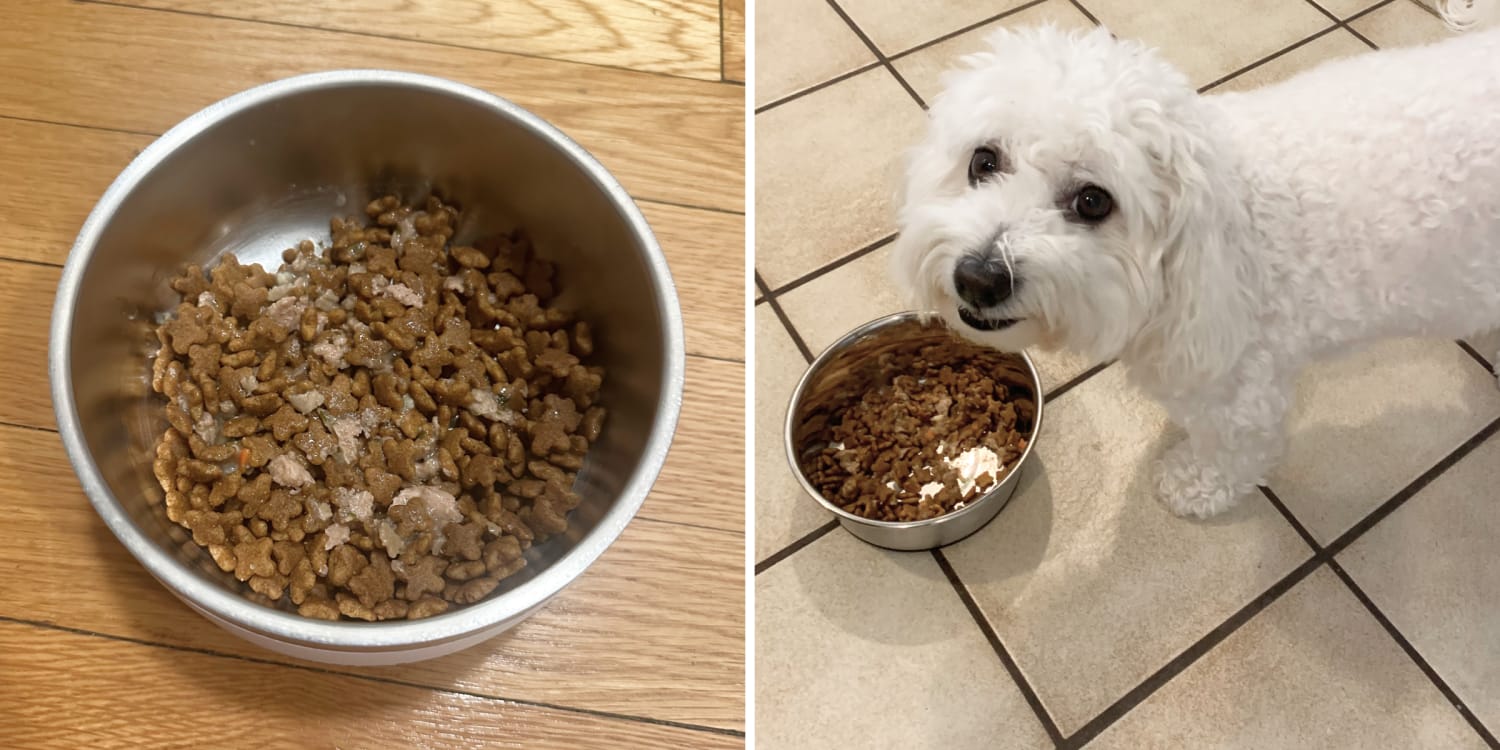
Many owners combine kibble with wet food. This can add variety and moisture, but reduce the amount of kibble to prevent excess calories.
A useful method is to replace part of the dry food with a measured amount of wet food, rather than adding wet food on top of the normal meal.
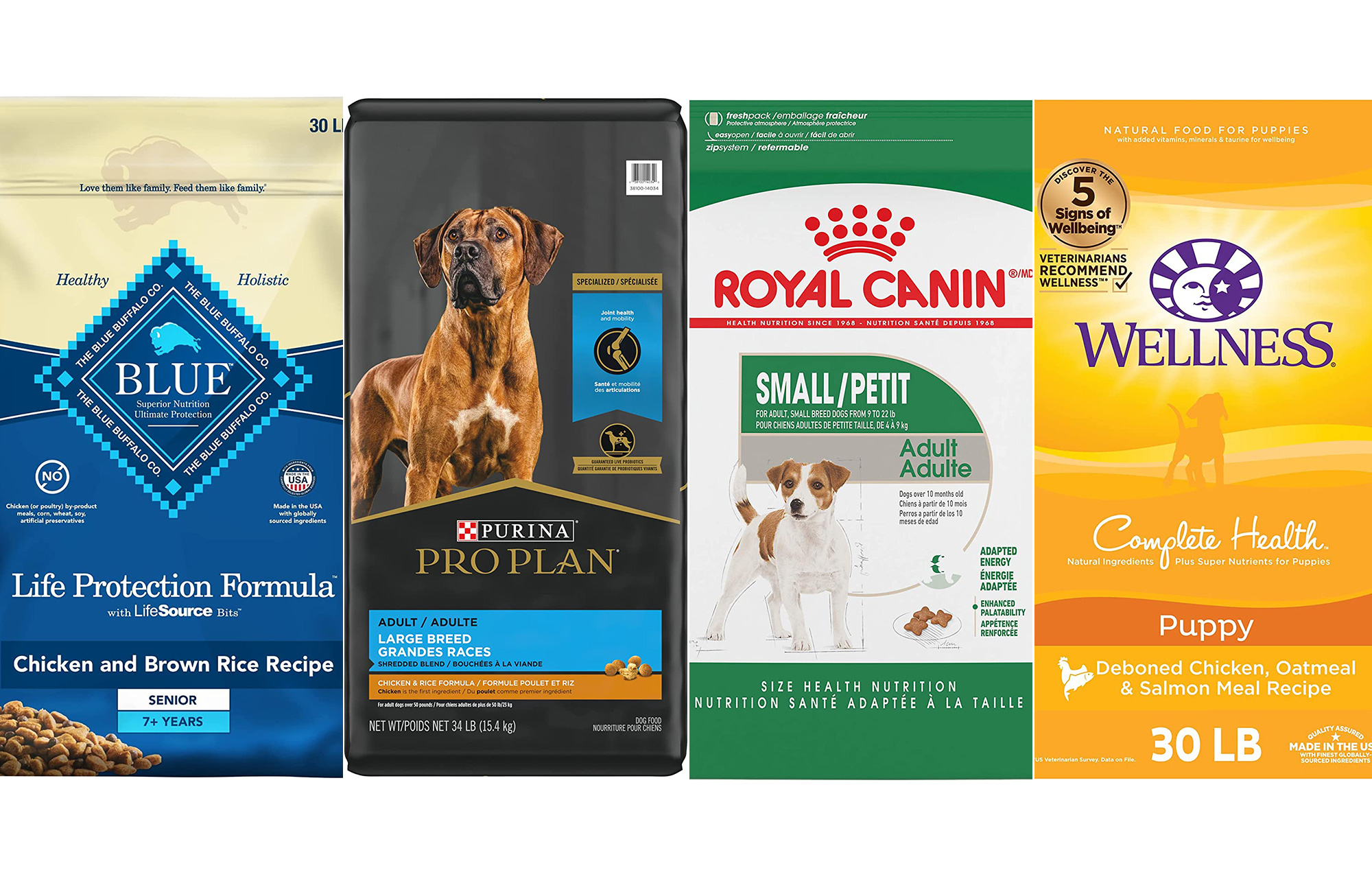
The Best Dog Food for Medium Dogs by Life Stage
Your dog’s age changes what “best” means. A food that suits a healthy adult may not suit a growing puppy or a dog with kidney disease.
Medium breed puppies
Puppies need more calories and nutrients per pound than adult dogs. Feed a puppy formula that supports growth and follow the feeding plan based on expected adult size.
Do not judge a puppy’s health by a round belly alone. Healthy growth should be steady, with visible muscle and a waist when viewed from above.
Adult medium dogs
Healthy adult dogs need enough protein to maintain muscle and enough energy to support daily activity. An adult maintenance formula is usually a good starting point.
An active Border Collie may need more calories than a relaxed Bulldog. Adjust portions based on body condition, not only the package guide.
Senior medium dogs
Older dogs often become less active. Their food may need fewer calories and enough protein to help preserve lean muscle.
A senior dog with arthritis, dental pain, heart disease, kidney disease, or diabetes may need a veterinary diet. Do not change a senior dog’s food without discussing health issues with a veterinarian.
Ingredients That Support Medium Dog Health
The best dog food for medium dogs should provide more than protein and calories. It should support the body from the inside out.
Protein and amino acids
Protein supports muscles, skin, hair, enzymes, and immune function. Dogs need specific amino acids, not just a high protein number.
A food with moderate or high protein may still be unsuitable if it lacks overall balance. This is why the complete nutritional profile matters more than one impressive number on the label.
Healthy fats
Fat gives dogs energy and helps the body use vitamins. Omega 3 fats from fish oil or certain marine ingredients may support skin, coat, and normal inflammatory response.
More fat is not always better. High fat can lead to weight gain and may upset dogs with sensitive digestion.
Fiber and carbohydrates
Fiber helps support normal stool quality and gut function. Ingredients such as beet pulp, pumpkin, oats, barley, rice, and certain vegetables can provide useful fiber and carbohydrates.
There is no proven need to avoid all grains unless your dog has a confirmed medical reason. Grain allergies are less common than many owners assume.
Joint support
Medium dogs can develop joint problems, especially if they are overweight or highly active. Some foods include glucosamine, chondroitin, or omega 3 fats.
These ingredients may help some dogs, but they are not cures. Weight control, safe exercise, and veterinary care remain more important.
Vitamins and minerals
Calcium, phosphorus, zinc, copper, iodine, and vitamins A, D, and E all have important roles. The correct balance matters more than adding extra supplements.
A complete commercial food usually provides these nutrients. Adding supplements without professional advice can create an imbalance.
:strip_icc()/sps-tier-3-primary-best-dog-food-weight-loss-ahuang-037-ce3edd322a1345f4b574389ec94f28b1.jpeg)
How Much Food Should a Medium Dog Eat?
The correct portion depends on body weight, age, metabolism, activity, and calorie density. Package feeding charts are useful starting points, not exact prescriptions.
A simple feeding process works well:
-
Find the food’s calories per cup or can.
-
Start with the package amount for your dog’s weight.
-
Divide the daily amount into two meals for most adult dogs.
-
Count treats and snacks as part of the daily intake.
-
Check body shape every two to four weeks.
A dog at a healthy weight should have a visible waist from above. You should be able to feel the ribs with light pressure, but the ribs should not be sharply visible in most breeds.
If your dog gains weight, reduce food slightly or increase safe activity. If your dog loses weight, seems constantly hungry, or has low energy, speak with a veterinarian.
Common Mistakes When Choosing Dog Food
Even caring owners can make food choices based on confusing claims. These mistakes are common and easy to avoid.
Choosing food by ingredient buzzwords
Words such as “ancestral,” “wild,” or “meat first” may sound persuasive. They do not prove that a product is complete, safe, or ideal for your dog.
Read the nutrition statement and feeding information before judging the marketing language.
Switching food too quickly
A sudden change can cause loose stool, gas, or vomiting. Change food over about seven days by slowly increasing the new food and reducing the old food.
Sensitive dogs may need an even slower transition.
Trusting every online review
Reviews can show whether dogs like a food, but they cannot confirm nutritional adequacy or safety. A food that works for one dog may cause itching or digestive trouble in another.
Use reviews as personal opinions, not as scientific proof.
Adding too many toppers
Toppers can make meals more exciting, but too many extras may unbalance the diet. Treats and toppers should usually make up no more than about 10 percent of daily calories.
Ignoring body condition
A dog can eat a high quality food and still become overweight. Excess weight raises the risk of joint strain, diabetes, breathing trouble, and other health problems.
Your dog’s waist is a better guide than the food bag’s suggested serving alone.
:strip_icc()/best-dog-food-for-older-dogs-4579808-39040096ef9640df95cb3fcd1ba6aff6.jpg)
How to Transition to a New Dog Food
A careful food transition can prevent many stomach problems. Use this seven day plan unless your veterinarian suggests another approach.
• Days 1 and 2: Feed about 75 percent old food and 25 percent new food.
• Days 3 and 4: Feed about 50 percent old food and 50 percent new food.
• Days 5 and 6: Feed about 25 percent old food and 75 percent new food.
• Day 7: Feed the new food only.
Watch for vomiting, severe diarrhea, blood in the stool, facial swelling, or breathing trouble. Contact a veterinarian quickly if these signs appear.
In my experience reviewing diet changes, the biggest mistake is changing both food and treats at the same time. Make one change at a time so you can identify what helps or causes a problem.
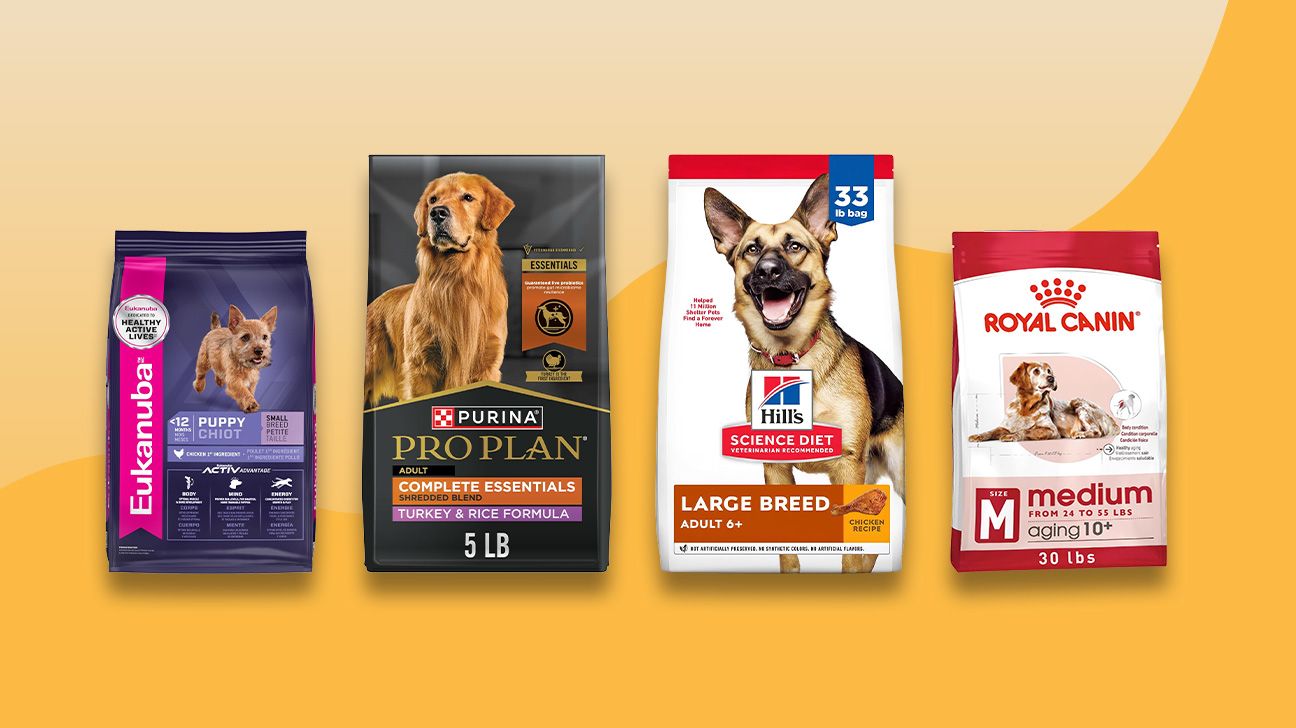
When a Medium Dog Needs a Veterinary Diet
Some dogs need more than ordinary adult maintenance food. A veterinarian may recommend a therapeutic diet for a diagnosed condition.
Examples include:
• Food allergies or suspected adverse food reactions
• Kidney disease
• Urinary stones
• Diabetes
• Pancreatitis
• Severe obesity
• Chronic digestive disease
• Heart disease
A food allergy cannot be confirmed by itching alone. It may require a strict elimination diet under veterinary guidance. During that trial, even flavored medicine or small treats can affect the result.
Do not use a prescription diet simply because it sounds healthier. These diets are designed for specific medical needs and may not be suitable for every dog.

My Practical Take on the Best Dog Food for Medium Dogs
When helping owners compare foods, I focus on a few simple signs: the dog’s body condition, stool quality, energy, coat, and willingness to eat. A beautiful ingredient list means little if the dog gains weight, has chronic diarrhea, or refuses every meal.
One mistake I often see is choosing a rich food for a moderately active dog. The owner follows the bag directions, but the dog still gains weight. A lower calorie food or a smaller measured portion often solves the issue better than adding more exercise alone.
Another lesson is to avoid constant food changes. If your dog is healthy, maintains a good weight, and has normal stools, there may be no need to chase every new diet trend.
Frequently Asked Questions About the Best Dog Food for Medium Dogs
What is the best dog food for medium dogs with normal health?
The best dog food for medium dogs with normal health is a complete and balanced adult formula with suitable calories and clear nutrition information. Choose a product that your dog digests well and that helps maintain a healthy body weight.
Is grain free food better for medium dogs?
Grain free food is not automatically better. Most dogs can digest grains, and grain free diets may replace grains with ingredients such as peas, lentils, or potatoes without providing a clear health benefit.
How often should a medium dog eat?
Most adult medium dogs do well with two measured meals each day. Puppies may need three or more meals, depending on age, size, and veterinary advice.
Can I feed my medium dog homemade food?
You can feed homemade food only when the recipe is complete and balanced. A veterinary nutrition specialist should formulate the recipe because common homemade diets lack calcium, zinc, iodine, or other essential nutrients.
Should medium dogs eat food made for large breeds?
A medium dog does not usually need large breed food unless a veterinarian recommends it. Large breed formulas may have different calorie and mineral levels, so choose food based on life stage and individual needs.
How do I know if my dog’s food is working?
Healthy signs include stable weight, good energy, normal stools, healthy skin, and a shiny coat. Ongoing itching, vomiting, diarrhea, low energy, or weight change deserves a veterinary check.
Is wet food healthier than dry food?
Neither type is always healthier. Wet food offers more moisture and may help picky eaters, while dry food is convenient and easy to portion; the most important factor is complete nutrition that suits your dog.
Conclusion
The best dog food for medium dogs is a complete, balanced diet that fits your dog’s age, activity level, body condition, and health needs. Focus on calorie control, clear protein sources, safe manufacturing, and the way your dog responds over time.
Measure meals, count treats, change foods slowly, and ask your veterinarian about unusual symptoms or special diets. Use these steps to compare your options with confidence, and share your experience or questions in the comments.

Pet Care Writer & Researcher
Daniel writes practical guides on daily care, feeding, and safety, turning complex topics into simple, actionable advice.