What Is The Most Popular Dog Food: Best Choices
Find out what is the most popular dog food and why pet owners choose it. Compare nutrition, ingredients, and options for every dog’s needs.
Purina ONE and Purina Pro Plan are among the most popular dog foods in the United States today.
That answer needs a little context. The most popular dog food depends on sales, region, dog size, budget, and veterinary needs. In this guide, I’ll explain which brands lead the market, why owners choose them, and how to decide whether a popular food is truly right for your dog.
)
What Is the Most Popular Dog Food in the United States?
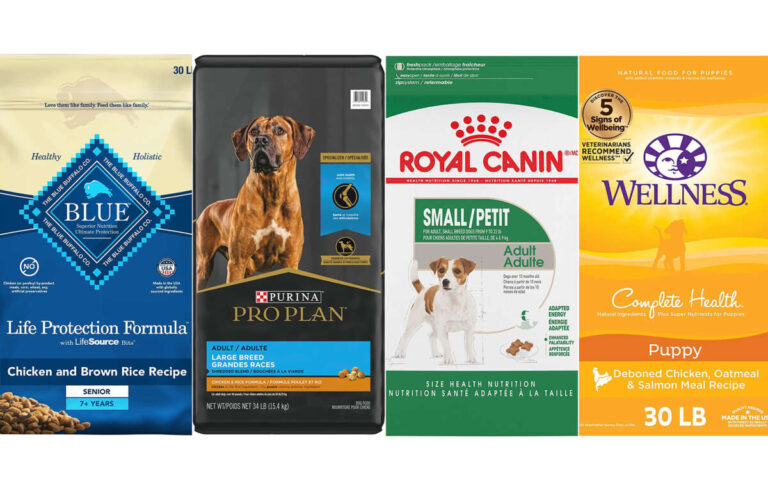
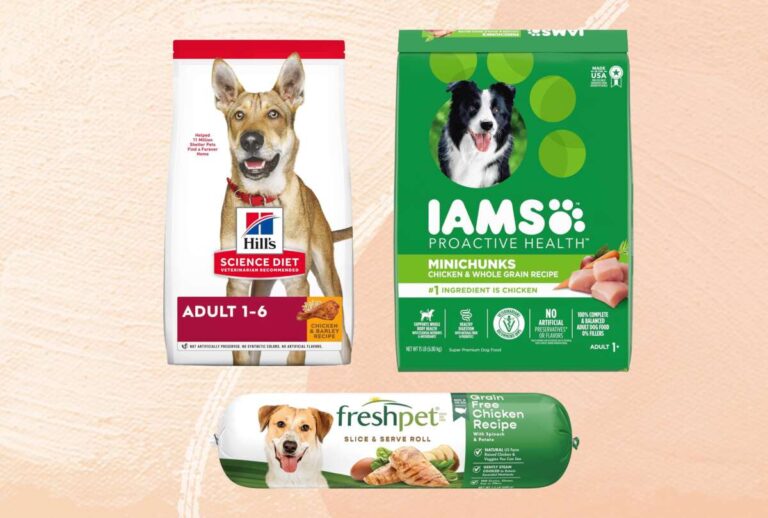
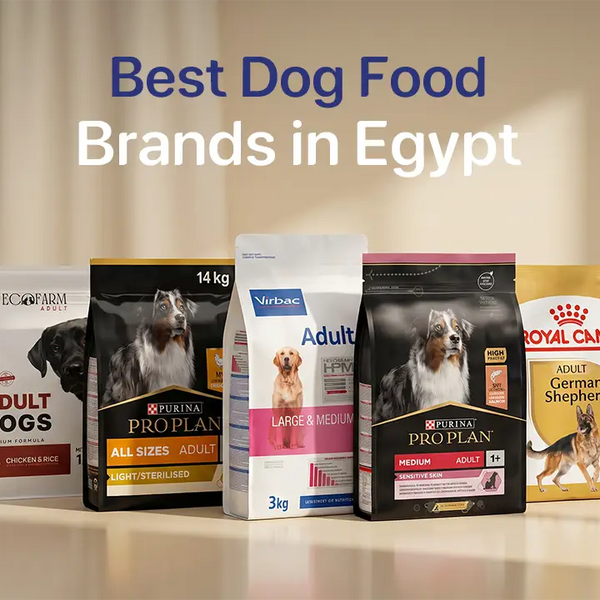
When people ask, “what is the most popular dog food,” they often mean the brand most widely bought by American dog owners. Based on broad retail presence, brand recognition, and long-term consumer demand, Purina ONE, Purina Pro Plan, Pedigree, Iams, and Hill’s Science Diet are among the leading choices.
Purina ONE and Pedigree are common in grocery stores and large retailers. Purina Pro Plan and Hill’s Science Diet are especially popular with owners who want more targeted nutrition or advice from a veterinarian. Iams also remains a familiar and affordable choice.
The most popular dog food is not always the best dog food for every pet. A food may sell well because it is affordable, easy to find, and trusted by many families. Your dog still needs a diet that fits their age, size, health, activity level, and taste.
Popular dog food brands in the U.S.
The following brands are widely known and commonly available:
- Purina ONE: A mainstream food with formulas for puppies, adults, seniors, large breeds, and different health goals.
- Purina Pro Plan: A higher-priced line with options for sensitive skin, sensitive stomachs, sport dogs, and specific life stages.
- Pedigree: A budget-friendly brand sold in many grocery and discount stores.
- Iams: A well-known brand that offers basic nutrition at a moderate price.
- Hill’s Science Diet: A science-focused line with life-stage and condition-based formulas.
- Royal Canin: A specialized brand with breed-specific and veterinary diets.
- Blue Buffalo: A popular natural-style brand with many grain-inclusive and grain-free products.
Market popularity can change over time. It can also look different when measured by dollar sales, number of bags sold, online reviews, or veterinary recommendations.
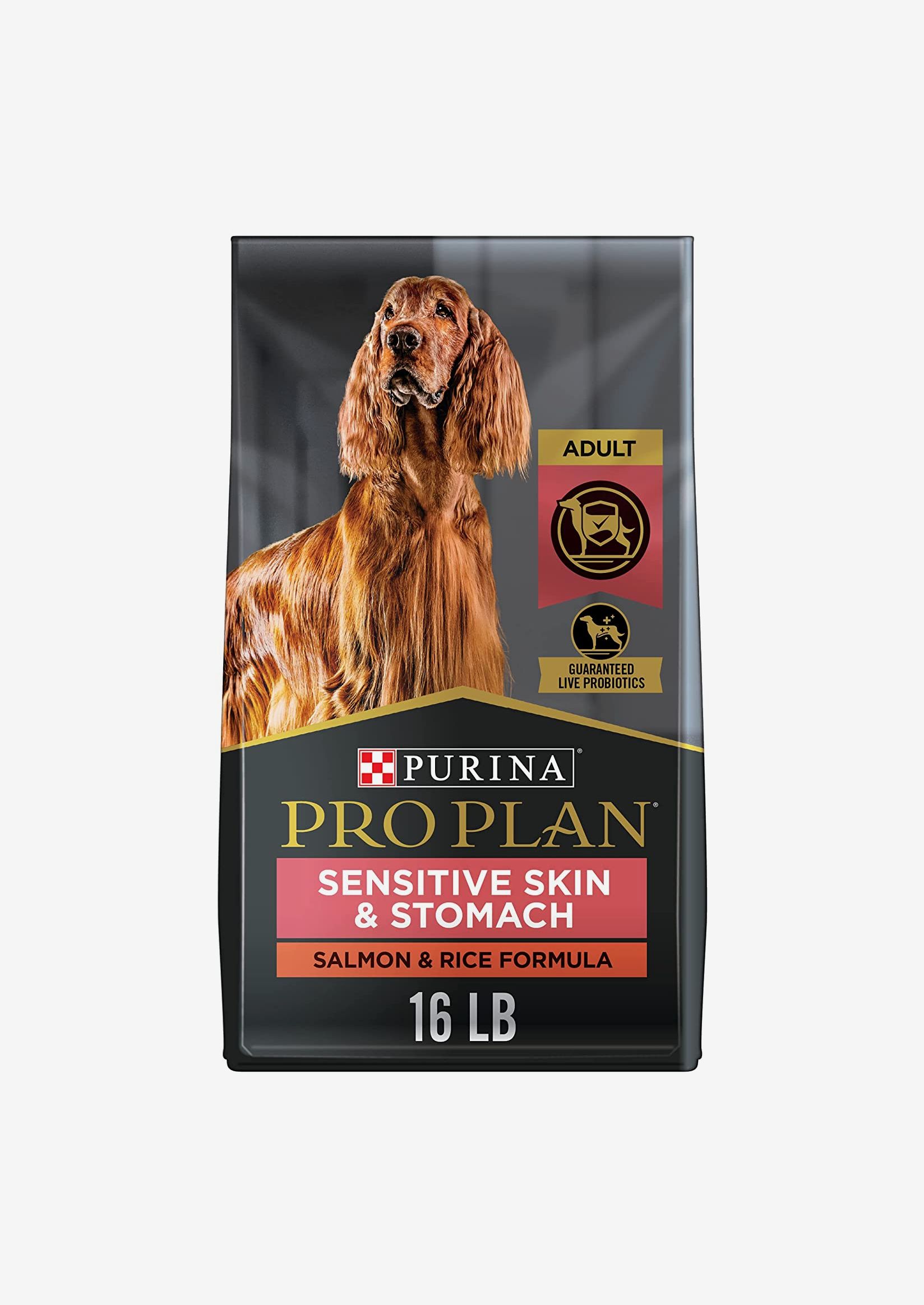
Why Is Purina Often Considered the Most Popular Dog Food?
Purina has a strong position in the U.S. pet food market. Its products are sold in many places, from local grocery stores to veterinary clinics. This makes the brand easy for owners to find and easy to replace when a store runs out of a certain formula.
Purina also offers products at several price points. Purina ONE may suit a family looking for everyday nutrition, while Purina Pro Plan offers more advanced formulas. This range helps the brand serve puppies, active dogs, seniors, and dogs with certain dietary concerns.
Another reason for its popularity is product variety. Owners can choose dry food, wet food, puppy food, senior food, large-breed food, small-breed food, and sensitive-stomach recipes without switching to a completely different company.
In my experience reviewing dog food choices, convenience plays a major role. Many owners begin with the food their breeder, shelter, groomer, or veterinarian suggests. If the dog has firm stools, good energy, a healthy coat, and steady weight, the owner often stays with that food.
What Makes a Dog Food Popular?
Popularity comes from more than taste. Several practical factors influence what people buy.
Price and household budgets
Dog food is a long-term expense. A family may prefer a food that offers solid nutrition without creating a large monthly bill. Large bags can lower the cost per serving, especially for homes with several dogs.
Still, the cheapest food is not always the most economical choice. A diet that causes loose stool, poor coat quality, or overeating may lead to extra costs. A slightly better formula may provide better value over time.
Easy store access
Many owners buy dog food during a normal shopping trip. Brands found at grocery stores, pet stores, warehouse clubs, and online retailers have a clear advantage.
Consistent access matters for dogs with sensitive stomachs. Sudden food changes can cause vomiting, diarrhea, or refusal to eat. A widely available brand can make it easier to keep meals consistent.
Strong brand trust
Owners want to feel confident about what goes into the bowl. Brands that provide clear feeding instructions, customer support, quality testing, and complete product information often earn repeat buyers.
A familiar name does not guarantee that every recipe is perfect for every dog. It does, however, give many owners a starting point when comparing options.
Taste and texture
Dogs have personal preferences. Some love crunchy kibble. Others prefer canned food, soft food, or a mix of both. Even a highly rated recipe will fail if a dog refuses to eat it.
Food texture can also matter for older dogs or dogs with dental pain. A softer meal may be easier to eat, but your veterinarian should assess ongoing dental problems.
Advertising and social influence
Packaging, television ads, social media, and online reviews can shape buying decisions. Words such as “natural,” “premium,” and “holistic” may sound appealing, but they do not always explain the full nutritional value of a food.
Look past the front of the bag. The nutritional adequacy statement, calorie content, feeding guide, and ingredient information provide more useful clues.

Is the Most Popular Dog Food Also the Healthiest?
Not necessarily. The most popular dog food may be safe and complete, but popularity alone does not prove that it is the best choice for your dog.
A suitable diet should meet the nutritional needs of the dog’s life stage. Puppies, adult dogs, pregnant dogs, and senior dogs do not all need the same balance of calories, protein, fat, vitamins, and minerals.
Look for a statement showing that the food is complete and balanced for the correct life stage. In the United States, pet food labels commonly use nutritional standards established by the Association of American Feed Control Officials. These standards help define whether a food is intended to provide a complete diet.
Signs that a food may be working well
Your dog may be doing well on a diet when you notice:
- Stable body weight
- Firm, regular stools
- A healthy skin and coat
- Good daily energy
- Normal appetite
- Little gas or digestive upset
- No repeated ear or skin problems linked to food
These signs do not replace veterinary care. A dog can appear healthy while developing a hidden condition, so routine checkups still matter.
Signs that the food may not be a good fit
Watch for:
- Ongoing diarrhea or vomiting
- Sudden weight gain or weight loss
- Persistent itching
- Recurrent ear infections
- Dull coat
- Extreme thirst or urination
- Refusal to eat
- Low energy
These symptoms can have many causes. Do not assume that food is the problem without veterinary guidance.
How to Choose the Best Dog Food for Your Pet
Instead of choosing only by popularity, use a simple decision process.
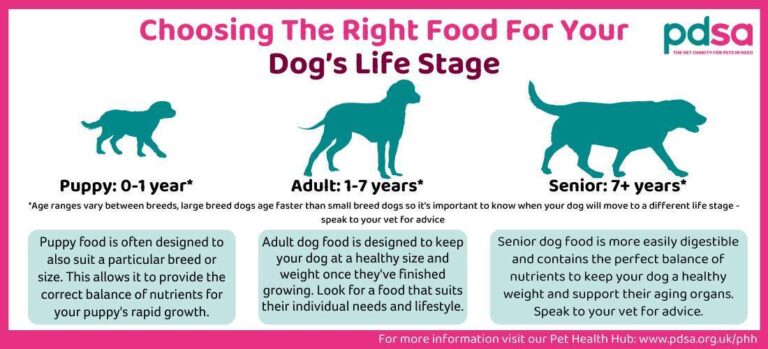
1. Start with your dog’s life stage
Choose a food made for puppies, adults, seniors, or all life stages. Large-breed puppies need special mineral control to support healthy growth. Small dogs may need smaller kibble and more calories per pound.
2. Consider body size and activity
An active working dog may need more calories than a calm house dog. Dogs that gain weight easily may need controlled portions or a lower-calorie formula.
Do not rely only on the feeding chart. Use it as a starting point, then adjust portions based on body condition and your veterinarian’s advice.
3. Review health needs
Dogs with kidney disease, diabetes, food allergies, urinary problems, or chronic digestive disease may need a veterinary diet. These foods are designed for specific medical goals and should be used with professional guidance.
A regular store-bought food may not meet the needs of a dog with a diagnosed condition.
4. Check the label
Pay attention to:
- The complete and balanced statement
- Life-stage information
- Calorie content
- Feeding directions
- Manufacturer contact details
- Guaranteed analysis
- Main protein sources
The ingredient list has value, but it should not be judged alone. Ingredients are listed by weight before processing, and the list does not tell the whole story about digestibility or nutrient balance.
5. Match the food to your budget
A reliable food that you can buy consistently is often better than an expensive food you cannot maintain. If you need to change brands, make the change slowly.
Mix the old and new foods over about seven days. Increase the new food little by little. Sensitive dogs may need an even slower change.
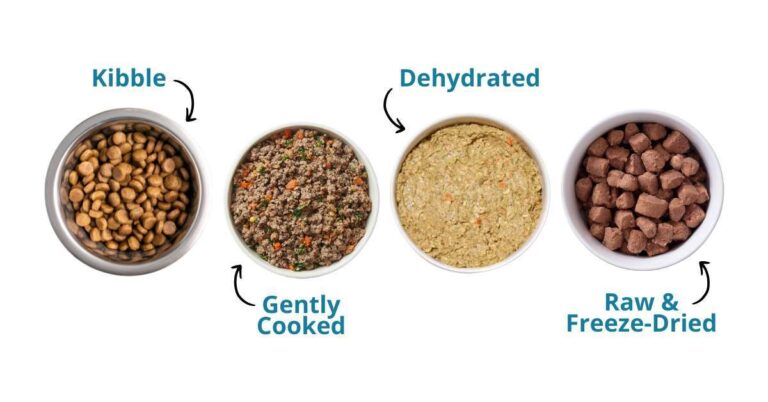
Dry Food, Wet Food, or Fresh Dog Food?
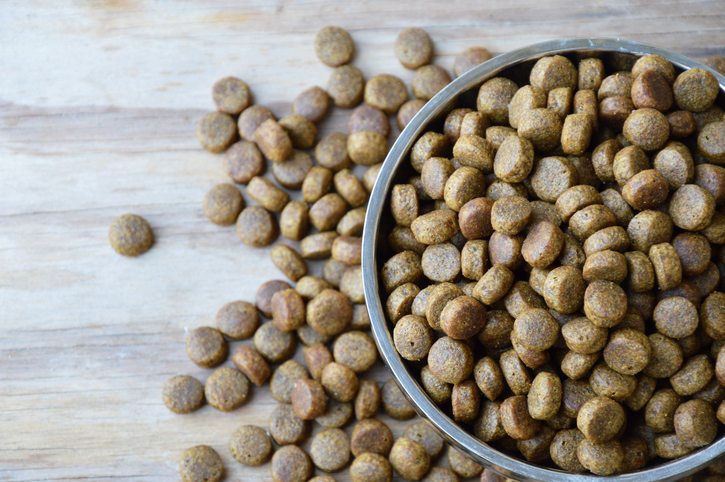
The most popular dog food format in the U.S. is dry kibble. It is affordable, easy to measure, simple to store, and convenient for busy households.
Wet food is also useful. It contains more water and may appeal to picky eaters. It can help increase fluid intake, although it is often more expensive per calorie and spoils faster after opening.
Fresh and refrigerated foods have become more visible in recent years. Some owners like the appearance and smell of these diets. However, fresh does not automatically mean complete, balanced, or better for every dog.
Benefits of dry dog food
- Usually lower cost per serving
- Easy to store
- Simple to measure
- Available in many formulas
- Less mess than canned food
Benefits of wet dog food
- Higher moisture content
- Strong smell and taste
- Helpful for some picky eaters
- Softer texture for some dogs
Benefits and limits of fresh food
Fresh food may be appealing, but check how it is handled and whether it meets complete-and-balanced standards. Refrigerated food also requires careful storage and may cost more.
The best format is the one your dog can eat safely, digest well, and maintain at a healthy weight.
Are Grain-Free Dog Foods More Popular?
Grain-free dog food became popular because many owners believed grains caused allergies or were unnecessary fillers. Yet true grain allergies are uncommon in dogs. Animal proteins such as beef, chicken, and dairy are more common allergy triggers.
Some grain-free diets have also been examined because of reports involving canine dilated cardiomyopathy, a serious heart disease. The issue is complex, and researchers have not reduced it to one simple ingredient or one brand.
Do not remove grains unless your veterinarian recommends it. A food with rice, corn, barley, or oats can still provide complete and balanced nutrition. Dogs can digest properly cooked grains, and these ingredients can provide useful carbohydrates and nutrients.
If your dog has itching or digestive symptoms, ask a veterinarian about a structured elimination diet. Randomly changing foods can make the cause harder to identify.

Common Mistakes When Buying Popular Dog Food
Many feeding problems come from small mistakes rather than a poor brand.
Changing food too quickly
A sudden switch can upset the digestive system. Transition gradually unless a veterinarian tells you to change food at once for medical reasons.
Feeding too many calories
Treats, table scraps, dental chews, and toppers all count. Ideally, treats should make up no more than about 10 percent of daily calories unless your veterinarian gives different advice.
Trusting marketing claims
“Natural,” “premium,” and “human-grade” can describe real features, but they do not replace a complete-and-balanced statement. Read the full label.
Ignoring body condition
A dog’s weight matters more than the serving size printed on the bag. Learn to feel the ribs with light pressure and check for a visible waist when viewed from above.
Buying based only on ingredients
An ingredient list can be useful, but it does not show how the complete recipe performs. Nutrient balance, digestibility, quality control, and feeding results matter too.
One lesson I often share with dog owners is this: do not change food every time you see a new advertisement. If your dog is healthy and thriving, steady feeding is usually more helpful than constant experimentation.
How Veterinarians Evaluate Dog Food
Veterinarians usually consider the whole dog, not just the brand name. They may review body condition, stool quality, skin health, activity, medical history, and lab results.
They may also ask about treats, supplements, human food, and feeding habits. A complete diet can become unbalanced when it is mixed with large amounts of extras.
For dogs with medical conditions, a veterinarian may suggest a therapeutic diet. These foods can support kidney function, urinary health, glucose control, or digestive recovery. They should not be replaced with a general food without professional advice.
If a brand makes a strong health claim, look for clear evidence and transparent labeling. Be cautious of claims that promise to cure disease, reverse aging, or solve every allergy.

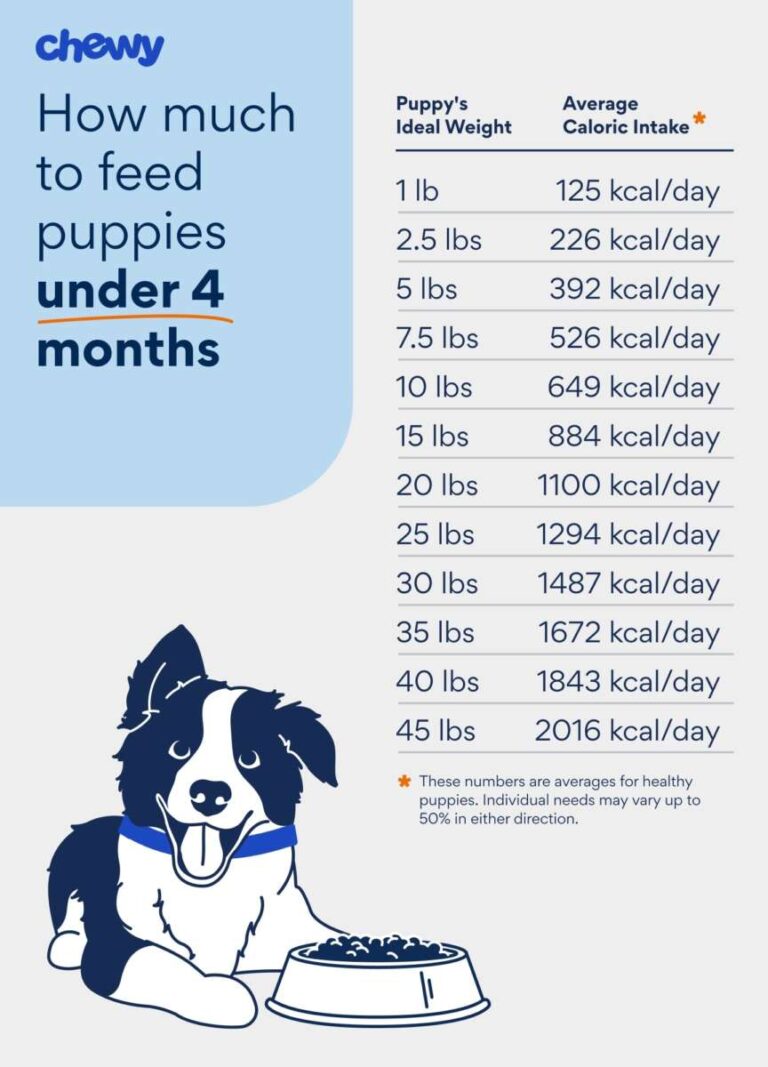
What Is the Most Popular Dog Food for Puppies?
Puppy foods from Purina Pro Plan, Purina ONE, Hill’s Science Diet, Royal Canin, and Iams are widely chosen in the United States. The right option should support growth and match the puppy’s expected adult size.
Large-breed puppies need careful control of calcium, phosphorus, and calories. Overfeeding can place stress on developing bones and joints.
Feed measured meals rather than leaving food out all day. Your veterinarian can help adjust portions as your puppy grows.
What Is the Most Popular Dog Food for Senior Dogs?
Senior formulas from Purina, Hill’s, Royal Canin, Iams, and other major brands are common choices. These recipes may provide adjusted calories, protein, fiber, or joint-support nutrients.
There is no single senior formula that suits every older dog. A senior with kidney disease, arthritis, dental pain, or weight loss may need a more specific plan.
Regular wellness exams become especially important as dogs age. Changes in appetite, thirst, weight, or behavior should not be dismissed as normal aging.
How to Compare Two Popular Dog Foods
When comparing two similar foods, use the following checklist:
- Confirm that both foods are complete and balanced.
- Compare the intended life stage.
- Check calories per cup or can.
- Review the guaranteed analysis.
- Consider your dog’s health history.
- Compare cost per day, not just the bag price.
- Watch your dog’s stool, coat, energy, and weight.
- Make any change gradually.
For example, a larger bag may seem cheaper, but a calorie-dense food could require smaller portions. Calculate the daily cost before deciding.
Also check the package date and storage instructions. Store dry food in a cool, dry place, ideally in its original bag inside a clean, sealed container. Wash food and water bowls often.
Frequently Asked Questions About What Is the Most Popular Dog Food
What is the most popular dog food brand?
Purina is often viewed as one of the most popular dog food brands in the United States, especially through lines such as Purina ONE and Purina Pro Plan. Pedigree, Iams, Hill’s Science Diet, and Royal Canin are also widely used.
Is the most popular dog food the best choice?
Not always. The best dog food is complete and balanced for your dog’s life stage, health needs, activity, and budget.
What is the most popular dry dog food?
Purina ONE, Purina Pro Plan, Iams, Pedigree, and Hill’s Science Diet are among the most commonly purchased dry dog foods. Availability and popularity can vary by store, region, and price.
Is expensive dog food better?
A higher price does not automatically mean better nutrition. Compare the food’s nutritional adequacy, calorie level, quality controls, and fit for your dog rather than relying on price alone.
Should dogs eat grain-free food?
Most dogs do not need a grain-free diet. Grains can be part of a healthy, complete diet, and grain-free food should be used only when there is a clear reason and professional guidance.
How often should I change my dog’s food?
Change food only when there is a good reason, such as a life-stage change, health need, availability issue, or poor tolerance. Make the transition gradually to reduce digestive upset.
Can I mix wet and dry dog food?
Yes, many healthy dogs can eat a mix of wet and dry food. Reduce the amount of dry food so the combined meal does not provide too many calories.
Conclusion
Purina ONE and Purina Pro Plan are strong answers to the question, “what is the most popular dog food,” but no single brand is right for every dog. Pedigree, Iams, Hill’s Science Diet, Royal Canin, Blue Buffalo, and other established brands may also provide suitable options.
Focus on complete nutrition, life stage, calorie needs, medical history, label details, and your dog’s response. Choose a food you can feed consistently, make changes slowly, and ask your veterinarian for help when symptoms appear.
Your dog’s bowl is one of the simplest daily ways to support long-term health. Compare your current food with these guidelines, then share your experience or explore more trusted dog nutrition resources before making your next purchase.

Pet Care Writer & Researcher
Daniel writes practical guides on daily care, feeding, and safety, turning complex topics into simple, actionable advice.