Do Mini Poodles Bark A Lot: Causes And Tips
Do mini poodles bark a lot? Learn why they bark, how much to expect, and practical training tips for a quieter, happier home.
Yes, mini Poodles can bark often, but training, exercise, and the reason for barking make a big difference.
If you are wondering, “do mini Poodles bark a lot,” the honest answer is more useful than a simple yes or no. Miniature Poodles are bright, alert, social dogs. They may bark to announce visitors, react to sounds, ask for attention, or show stress. With the right routine and training, most can learn when to stay quiet.
Do Mini Poodles Bark a Lot?
Mini Poodles can bark more than some quiet companion breeds. They are watchful dogs with quick minds and sharp hearing. A small sound outside may become a major event in their world.
Still, barking levels vary from one dog to another. Some Mini Poodles are calm and quiet. Others bark at nearly every sound, person, dog, or change in the home.


The breed’s history helps explain this behavior. Poodles were first bred as working water dogs. They were expected to notice movement, respond to people, and stay engaged with their surroundings. That alert nature remains in many Mini Poodles today.
A Mini Poodle may bark because:
• Someone walks past the window
• A delivery driver approaches the door
• The dog wants food, play, or attention
• The dog feels bored or under-stimulated
• A strange sound appears
• The dog feels nervous or threatened
• The dog has learned that barking gets results
So, do mini Poodles bark a lot compared with other small dogs? They can, especially when they lack structure. Their barking is often linked to alertness, intelligence, and unmet needs rather than stubbornness.

Why Do Mini Poodles Bark?
The first step in reducing barking is finding the cause. Barking is a form of communication. It is more like a message than a bad habit.
Alert barking
Alert barking is common in Mini Poodles. Your dog may bark when the doorbell rings, a car stops outside, or a neighbor walks by.
This type of barking often comes in short, sharp bursts. The dog may run to the window or door. Once the sound ends, the barking may stop.
Attention-seeking barking
Mini Poodles are people-focused dogs. They often want to be near their family. If barking earns petting, eye contact, food, or play, the dog may repeat it.
Even saying “quiet” can reward the behavior if your dog enjoys any response. From the dog’s point of view, you are still engaging.
Boredom barking
A smart dog needs more than a short bathroom walk. Mini Poodles need mental work, movement, and social contact.


A bored Mini Poodle may bark at birds, shadows, household sounds, or nothing you can see. The barking helps fill an empty day.
Fear or anxiety barking
Some dogs bark because they feel unsafe. They may react to strangers, loud noises, other dogs, or being left alone.
Fear barking can include pacing, hiding, trembling, lip licking, or a tucked tail. Punishment can make this problem worse because it adds more stress.
Excitement barking
Excited barking often happens before walks, meals, car rides, or play. The dog may jump, spin, whine, and bark at the same time.
This behavior is common in young dogs. It improves when the dog learns that calm behavior makes good things happen.
Frustration barking
A Mini Poodle may bark when it sees another dog but cannot reach it. It may also bark when a toy rolls under furniture or when a person leaves the room.
Frustration barking can look like excitement, but the dog may seem tense or restless. Training should focus on patience and impulse control.

Are Mini Poodles More Vocal Than Other Dogs?
Mini Poodles are not always the most vocal dogs, but they are often highly responsive. They notice small changes and may react quickly.
Compared with a naturally quiet breed, a Mini Poodle may seem noisy. Compared with breeds known for frequent vocal behavior, such as some terriers or hounds, the difference may be smaller.
A better question than “do mini Poodles bark a lot” is this: How often does your individual dog bark, and why?
Genetics play a role. So do early socialization, home life, exercise, health, and training. A Mini Poodle raised in a busy home may become used to many sounds. A dog with little exposure may bark at every new event.
The American Kennel Club describes Poodles as intelligent, active, and alert. Those traits are valuable, but they also mean the dog needs guidance. Intelligence without an outlet can turn into noisy behavior.
How Much Exercise Does a Mini Poodle Need?
Exercise can reduce barking, but it is not a magic cure. A tired dog may bark less, yet too much intense activity can create an overexcited dog.


Most adult Mini Poodles benefit from daily activity that includes:
• A brisk walk
• Short training sessions
• Safe off-leash play in a secure area
• Scent games
• Puzzle toys
• Gentle fetch
• Calm social time with people
Mental exercise is just as important as physical exercise. Five minutes of training can make your dog think hard. Simple skills such as “sit,” “stay,” “touch,” and “place” build focus.
Puppies need shorter sessions with plenty of rest. Older dogs may need slower walks and low-impact games. Always adjust activity for age, health, weight, and advice from your veterinarian.
One practical lesson is easy to miss: adding more exercise may not solve barking if the dog is anxious. A fearful dog needs confidence-building, not only longer walks.
How to Stop a Mini Poodle From Barking
You do not need to silence every bark. Barking is normal. The goal is to reduce unnecessary barking and teach your dog a calm response.
1. Find the trigger
Keep a simple record for several days. Write down:
• What happened before the bark
• Where your dog was
• How long the barking lasted
• What stopped it
• What your dog received afterward
Patterns often appear quickly. Your Mini Poodle may bark only at the front window or only when left alone.
2. Reduce easy triggers
Management prevents your dog from practicing the behavior.
Try these changes:
• Close curtains during busy street hours
• Move furniture away from windows
• Use white noise near the front door
• Keep your dog away from delivery activity
• Offer a food puzzle during predictable busy times
• Use a baby gate to limit access to barking zones
Management is not a failure. It gives training a better chance to work.
3. Teach a quiet cue
Wait for a brief pause in barking. Say “quiet” in a calm voice, then reward the silence with a small treat.


At first, reward one second of quiet. Slowly build to three seconds, five seconds, and longer. Do not shout the cue, because loud speech may sound like more barking.
4. Reward calm behavior
Notice your dog when it is quiet. Give a treat while your Mini Poodle rests on a mat or watches the world without reacting.
Dogs repeat behavior that brings good results. If calm behavior earns rewards, calm behavior becomes more useful to the dog.
5. Teach an alternative behavior
Ask for “place” when the doorbell rings. Teach your dog to go to a bed and stay there while you open the door.
Practice first without real visitors. Then add mild sounds and small steps. Training works best when you begin before the dog reaches full excitement.
6. Avoid punishment
Shock collars, yelling, and physical corrections may stop a bark for a moment. They can also increase fear and damage trust.
Veterinary behavior experts commonly support reward-based training. If barking is severe, work with a certified professional trainer or veterinary behaviorist.

How to Handle Barking When You Leave
Some Mini Poodles bark because they dislike being alone. Separation-related barking may start soon after you leave and continue for a long time.
Other signs can include:
• Scratching doors
• Chewing near exits
• Indoor accidents
• Drooling
• Pacing
• Attempts to escape
• Panic when you prepare to leave
A small amount of protest is not always separation anxiety. A camera can help you see what happens after you leave.
Start with very short absences. Leave for a few seconds, return calmly, and slowly increase the time. Keep departures and arrivals low-key.
Give your dog a safe activity, such as a stuffed food toy. Avoid leaving the dog alone for longer than it can manage. Progress should be slow enough that panic does not begin.
If your dog injures itself or cannot settle, contact a veterinarian. Anxiety may need a treatment plan that includes behavior work and, in some cases, medication.

Do Mini Poodles Bark at Night?
Some Mini Poodles bark at night, but nighttime barking usually has a reason. The cause may be outside noise, a need to use the bathroom, loneliness, pain, or confusion.
Puppies often wake because they cannot hold their bladder for a full night. Senior dogs may wake because of discomfort or age-related changes.
Make the sleeping area calm and predictable. Use a comfortable bed, gentle background noise, and a regular bedtime routine.
Do not rush to reward repeated demand barking with play or food. First check that your dog is safe and does not need the bathroom. If nighttime barking begins suddenly, speak with your veterinarian.

Can Training Prevent Excessive Barking?
Early training can greatly reduce problem barking. Socialization is especially helpful during puppyhood, when dogs learn what is normal and safe.
Introduce your Mini Poodle to new people, friendly dogs, surfaces, sounds, and places at a gentle pace. Do not force the puppy toward something scary. Let the puppy observe, move away, and try again later.
Good socialization does not mean meeting everyone. It means learning that new experiences can be safe.
Training should also include:
• Name recognition
• Recall
• Loose-leash walking
• Impulse control
• A settle cue
• Calm greetings
• Handling practice
• Time alone
A common mistake is waiting until barking becomes intense. Quiet behavior is easier to teach before the dog is overexcited.

Health Problems That Can Increase Barking
A change in barking can sometimes signal a health problem. Pain, hearing loss, vision changes, cognitive decline, and thyroid disorders may affect behavior.
Contact your veterinarian if barking:
• Starts suddenly
• Happens mostly at night
• Appears with confusion
• Occurs with aggression
• Comes with appetite or weight changes
• Is linked to limping or sensitivity
• Appears with drinking or urination changes
A medical check should come before assuming the dog is simply disobedient. Behavior and health often overlap.
Veterinary sources such as the Merck Veterinary Manual stress the importance of ruling out medical causes when behavior changes suddenly. That advice is especially important for senior dogs.
What I Would Do With a Barky Mini Poodle
The most useful approach is to treat barking like a puzzle. I would not begin by asking, “How do I stop this sound?” I would ask, “What is my dog trying to tell me?”
For example, if the dog barks at the window, I would block the view, teach a mat cue, and reward quiet watching. If the dog barks during play, I would pause the game and restart only after calm behavior.
I would also avoid a common mistake: giving commands again and again. Repeating “quiet” while the dog continues barking can weaken the cue. Say it once, wait for a pause, and reward that pause.
The best results usually come from small daily sessions. A few minutes of calm practice can be more effective than one long session once a week.
When Should You Get Professional Help?
Consider professional support when barking affects sleep, neighbors, safety, or your dog’s quality of life.
Seek help if your Mini Poodle:
• Barks for hours
• Shows panic when alone
• Becomes aggressive
• Cannot settle after triggers disappear
• Barks despite consistent training
• Has injured itself while trying to escape
• Has a sudden, unexplained behavior change
Choose a reward-based trainer with recognized education and experience. For serious fear or anxiety, a board-certified veterinary behaviorist can assess both medical and emotional needs.
A good professional will ask about the dog’s history, environment, daily routine, and health. Be cautious of anyone who promises a quick fix or relies mainly on punishment.
Frequently Asked Questions About Do Mini Poodles Bark a Lot
Do Mini Poodles bark more than Toy Poodles?
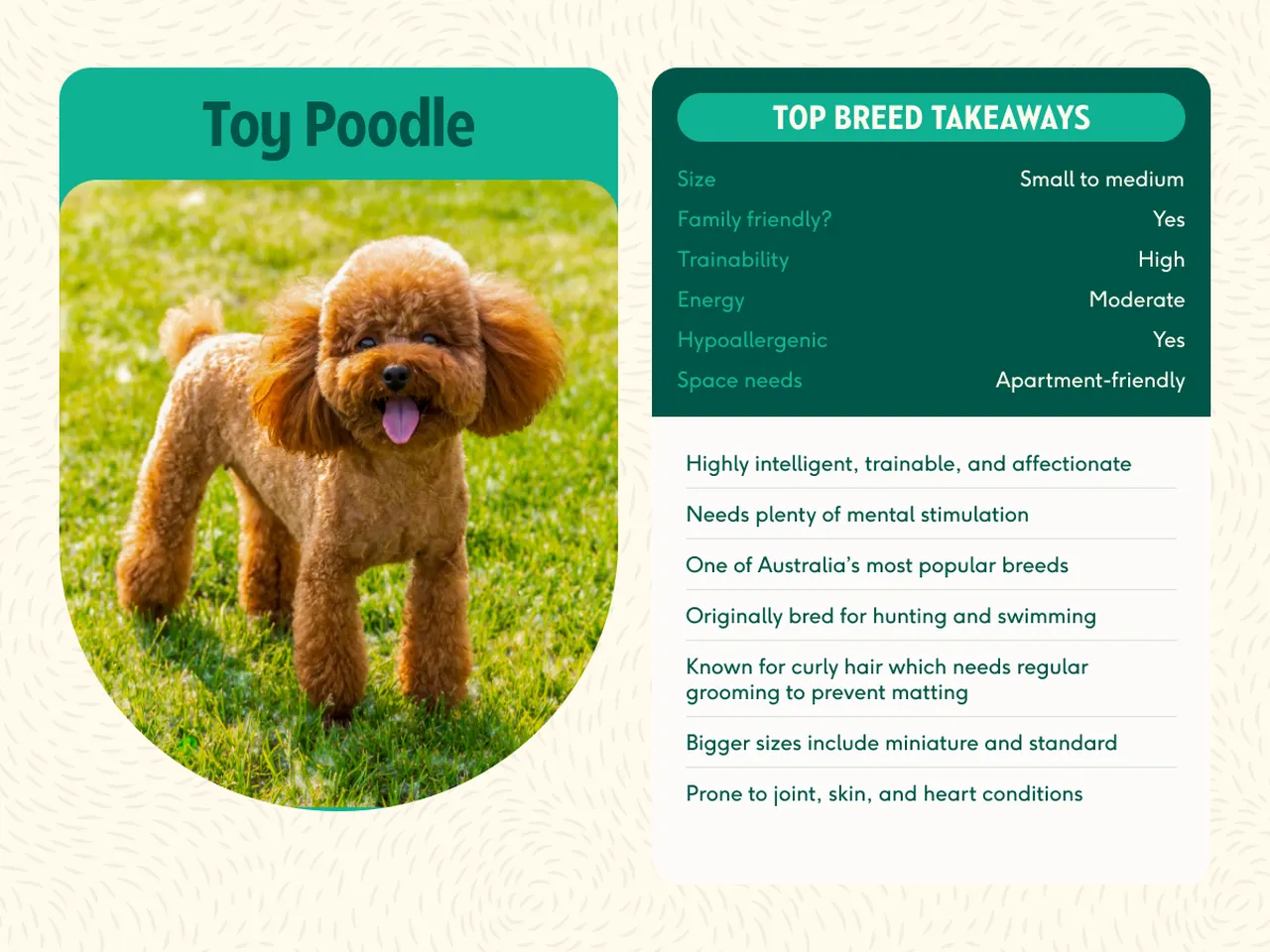
Both Miniature and Toy Poodles can be alert and vocal. Barking depends more on genetics, training, socialization, anxiety, and daily routine than on size alone.
Are Mini Poodles good apartment dogs if they bark?
They can be good apartment dogs when their exercise and mental needs are met. Early training, sound management, and quiet-time practice are important because nearby neighbors may hear repeated barking.
How do I stop my Mini Poodle from barking at strangers?
Identify the distance at which your dog can stay calm, then reward quiet observation. Pair this with a “place” cue and avoid forcing greetings.
Do Mini Poodles bark when left alone?
Some do, especially if they have separation-related anxiety or little practice being alone. Gradual absences, enrichment, and professional guidance can help.
Will neutering or spaying stop a Mini Poodle from barking?
Spaying or neutering is not a reliable treatment for barking. It may affect some hormone-related behaviors, but alert, fearful, bored, and attention-seeking barking usually need training and behavior changes.
Can a bark collar stop a Mini Poodle from barking?
A bark collar may suppress sound without addressing the cause. It can increase fear or stress, so reward-based training and trigger management are safer starting points.
Conclusion
So, do mini Poodles bark a lot? They can, but frequent barking is not guaranteed. These smart, alert dogs often bark because they notice changes, need more activity, feel worried, or have learned that barking works.
Find the trigger first. Then combine exercise, mental work, calm training, trigger management, and veterinary care when needed. With patience and steady practice, a Mini Poodle can become an expressive but well-mannered companion.
Start by tracking your dog’s barking for one week and reward every moment of calm. If you found these tips useful, explore more positive dog-training resources or share your experience with Mini Poodle barking in the comments.

Pet Care Writer & Researcher
Daniel writes practical guides on daily care, feeding, and safety, turning complex topics into simple, actionable advice.