
Do Standard Poodles Bark A Lot: What To Know
Do standard poodles bark a lot? Learn why they vocalize, what triggers barking, and practical tips to help your poodle stay calm and quiet.
Standard Poodles may bark more than some breeds, but training, exercise, and their home life greatly affect how often they bark.
So, do standard poodles bark a lot? The honest answer is that they are alert, smart, and vocal dogs with strong social needs. Some bark only when something changes, while others bark from boredom, excitement, fear, or frustration. This guide explains what causes the barking and how to reduce it kindly and safely.
Do Standard Poodles Bark a Lot?
Standard Poodles are not usually among the noisiest dog breeds. However, they can become frequent barkers when their needs are not met. Their high intelligence makes them quick to notice sounds, movement, visitors, and changes in the home.
A well-trained Standard Poodle may give a few alert barks and then settle. A lonely, bored, or anxious dog may bark for much longer. This is why do standard poodles bark a lot cannot be answered with a simple yes or no.
The breed was developed as a working water dog. Standard Poodles were bred to think, move, and work closely with people. That working background still affects modern dogs. They often want a job, a routine, and regular interaction with their family.
The most common pattern looks like this:
• Calm and well-exercised dogs often bark in moderation.
• Dogs with too little exercise may bark to release energy.
• Dogs that spend long periods alone may bark from stress or boredom.
• Dogs with weak training may bark at every sound or visitor.
• Dogs with fear or separation anxiety may bark intensely.
Barking is a form of communication. It is not always a behavior that should be stopped completely. The goal is to understand the reason for the bark and teach the dog when quiet behavior is appropriate.

Why Do Standard Poodles Bark?
Standard Poodles bark for many of the same reasons as other dogs. The difference is that their intelligence and sensitivity can make the behavior more noticeable. A Poodle may learn very quickly that barking gets attention, opens a door, or starts a game.
Alert barking
Standard Poodles are often aware of their surroundings. They may bark when they hear a delivery truck, see a person near the window, or notice an unfamiliar animal.
Alert barking can be useful. It tells you that your dog noticed something. The problem begins when the dog cannot stop after the alert has passed.
Excitement barking
Some Poodles bark when they see a leash, a favorite toy, or a familiar person. They may also bark before meals or when they expect a walk.
This type of barking often comes with jumping, spinning, whining, or fast movement. The dog is not being stubborn. The dog is having trouble controlling strong excitement.
Boredom barking
Boredom is a major reason why do standard poodles bark a lot in the home. Standard Poodles need both physical exercise and mental work. A short walk may not be enough for a clever adult Poodle.
A bored dog may bark at windows, pace through the home, steal objects, or repeatedly bring toys to people. These actions are signs that the dog needs more activity and structure.
Fear or anxiety barking
A Poodle may bark at strangers, loud sounds, other dogs, or unfamiliar places because the situation feels unsafe. Fear barking can grow worse if the dog is punished.
A harsh response may confirm the dog’s fear. It can also make the dog afraid of both the original trigger and the person giving the correction.
Separation-related barking
Some Standard Poodles bark when left alone. They may also howl, scratch doors, destroy items, or try to escape. These signs can point to separation anxiety rather than simple disobedience.
Separation anxiety needs a careful plan. In serious cases, work with a veterinarian or a qualified veterinary behavior professional.
Learned barking
Dogs repeat actions that produce results. If barking causes someone to give food, open a door, throw a toy, or speak to the dog, barking may become stronger.
This does not mean owners cause the problem on purpose. Many people respond to barking because they want peace. Over time, the dog may learn that louder or longer barking works best.
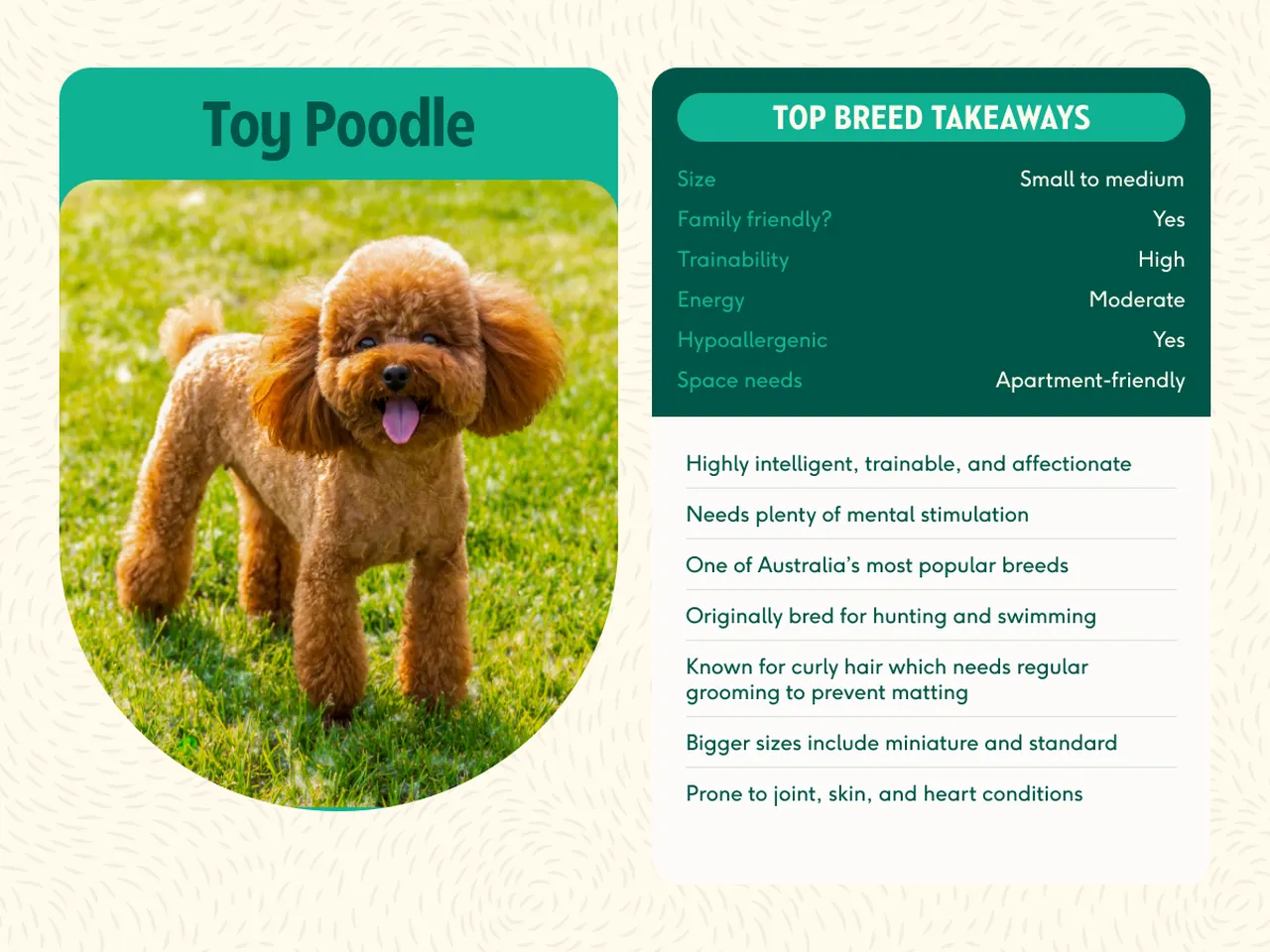
How Much Exercise Does a Standard Poodle Need?
Exercise can have a major effect on barking. Most healthy adult Standard Poodles need daily activity, but the right amount depends on age, health, temperament, and training.
A useful routine may include:
• A brisk walk or jog, if the dog is physically ready.
• Fetch, swimming, or safe off-leash play in a secure area.
• Short obedience sessions.
• Food puzzles and scent games.
• Calm practice in different places.
• Time with people and friendly, well-matched dogs.
Mental exercise matters as much as physical exercise. Ten minutes of scent work can tire a dog in a way that a simple walk may not. Ask your Poodle to find treats, touch your hand, bring a toy, or follow basic cues around the home.
Puppies need care with exercise. Their bones and joints are still developing. Avoid forcing long runs, repeated high jumps, or intense workouts without veterinary guidance.
Older Poodles may need shorter walks, more rest, and low-impact games. Pain can also increase irritability and barking. A sudden change in vocal behavior deserves a veterinary check.

Are Standard Poodles More Vocal Than Other Dogs?
Standard Poodles are often moderately vocal. They are not silent dogs, but they are also not automatically constant barkers. Individual personality matters more than the breed label alone.
Some breeds were selected to bark while working. Others were bred to alert people, guard property, or communicate during hunting. Standard Poodles were bred as active retrieving dogs, so they are alert and responsive, but barking is not their only defining trait.
Do standard poodles bark a lot compared with quiet breeds? They may seem vocal beside a Greyhound or a quiet adult Labrador. They may seem fairly quiet beside a small watchdog breed or a dog bred for constant alerting.
Factors that often shape barking include:
• Genetics and family temperament.
• Early socialization.
• Daily exercise.
• Time spent alone.
• Noise levels near the home.
• Training history.
• Health and age.
• The owner’s response to barking.
A breeder can sometimes provide useful information about the parents’ temperaments. Still, no breeder can guarantee that a puppy will never bark. Behavior develops through both inherited traits and life experience.

How to Stop Excessive Barking in a Standard Poodle
The best plan starts with the cause. Do not treat all barking in the same way. A dog barking at a squirrel needs a different plan from a dog barking during panic when left alone.
1. Track the barking
Write down what happens before, during, and after the barking. Note the time, trigger, location, and your response.
For example:
• Trigger: A person walks past the front window.
• Behavior: The dog barks and runs to the glass.
• Result: The person keeps walking, and the dog stops.
In this case, the dog may believe that barking made the person leave. A window barrier and quiet training may help.
2. Reduce common triggers
Management is not a shortcut. It prevents your dog from practicing the unwanted behavior.
You can:
• Close curtains during busy times.
• Move furniture away from windows.
• Use white noise near outside doors.
• Keep the dog away from the door during deliveries.
• Provide a quiet resting area.
• Use a secure fence that blocks direct street views.
If do standard poodles bark a lot at outdoor movement, reducing window access can create a quick improvement.
3. Teach a quiet cue
First, allow one or two alert barks. Then say “quiet” in a calm voice. When your dog pauses, give a small treat.
At first, reward even one second of silence. Slowly increase the quiet period. Avoid yelling the cue because your dog may hear yelling as another form of barking.
Practice when the dog is calm. Training during a full barking episode is much harder.
4. Reward calm behavior
Notice your Poodle when the dog is resting quietly. Give praise, a treat, or gentle attention before barking starts.
This teaches a valuable lesson: calm behavior also gets good results. Many owners only react after barking begins. Rewarding silence helps change that pattern.
5. Use positive training methods
Reward-based training is supported by modern animal behavior guidance. It builds cooperation and reduces the risk of fear.
Avoid shock collars, hitting, leash jerks, and frightening corrections. These methods may suppress sound for a short time, but they can increase fear or aggression. They also do not teach the dog what to do instead.
6. Provide a daily job
Standard Poodles often thrive when they have simple tasks. Try teaching your dog to:
• Bring a toy to a basket.
• Find hidden treats.
• Touch a target with the nose.
• Wait on a mat during meals.
• Carry a safe toy during a walk.
A dog with a job may be less likely to invent one, such as barking at every noise.

Common Mistakes That Can Make Barking Worse
Many caring owners accidentally reinforce barking. This is easy to do because barking is stressful, especially in an apartment or close neighborhood.
One common mistake is giving attention during barking. Talking, pushing the dog away, or repeatedly saying “stop” can still feel rewarding to a social Poodle.
Another mistake is waiting too long to provide exercise. If the dog spends the day bored, a short evening walk may not erase all that stored energy.
Inconsistent rules can also confuse a dog. If barking at the kitchen works on some days but not others, the dog may bark longer because the reward could come at any moment.
Avoid these habits:
• Opening the door while the dog is barking.
• Giving food to stop noise without teaching calmness.
• Punishing barking caused by fear.
• Leaving a highly anxious dog alone for long periods.
• Using a crate as a punishment.
• Expecting a young puppy to have adult self-control.
In behavior science, a behavior that sometimes earns a reward can become very persistent. Consistency matters more than perfection.

When Barking May Signal a Health Problem
A change in barking can sometimes point to a medical issue. Pain, hearing loss, vision changes, cognitive decline, and other health problems may affect vocal behavior.
Contact your veterinarian if barking:
• Starts suddenly.
• Happens mostly at night.
• Comes with pacing or confusion.
• Appears after an injury or illness.
• Occurs with coughing, breathing trouble, or weakness.
• Comes with aggression that is new for the dog.
Older Standard Poodles may develop age-related changes that affect sleep and behavior. A veterinary exam can help rule out physical causes before you focus only on training.
A veterinarian can also refer you to a certified trainer or veterinary behaviorist when needed. Severe anxiety, aggression, or compulsive behavior deserves professional support.

Standard Poodle Barking in Apartments
Standard Poodles can live well in apartments if their exercise, training, and social needs are met. Home size is less important than daily routine and noise management.
Apartment owners should plan activity before long quiet periods. A morning walk, a short training game, and a food puzzle may help the dog settle while the owner is away.
Teach your Poodle to relax on a mat. Reward quiet lying, soft body language, and calm responses to hallway sounds. Start with low-level sounds and slowly build up.
If do standard poodles bark a lot at neighbors, avoid punishment. Use sound masking, block the dog’s view, and reward calm behavior before the barking becomes intense. Speak with neighbors early and show that you are working on the issue.

Do Male or Female Standard Poodles Bark More?
There is no strong rule that male Standard Poodles bark more than females, or that females are always quieter. Personality, training, hormones, health, and environment have a larger effect.
Some dogs are naturally watchful. Others are more relaxed. A responsible breeder may help match a puppy to your home based on temperament rather than sex alone.
Spaying or neutering may affect some behaviors, but it is not a guaranteed cure for barking. Discuss timing and expected benefits with your veterinarian.

How Long Does It Take to Reduce Barking?
The timeline depends on the cause, how long the behavior has existed, and how consistent the training is. Mild alert barking may improve within a few weeks of careful practice.
Long-term anxiety can take much longer. Some dogs need a behavior plan, environmental changes, and medication prescribed by a veterinarian.
Measure progress in small steps:
• Fewer barking episodes.
• Shorter barking periods.
• Faster recovery after a trigger.
• More eye contact with you.
• More time spent resting.
Do standard poodles bark a lot after training? They may still bark sometimes. Successful training does not create a silent dog. It creates a dog that can respond, recover, and settle.
Frequently Asked Questions About Do Standard Poodles Bark a Lot
Do Standard Poodles bark more than other dogs?
Standard Poodles are usually moderate barkers, but individual dogs vary. They may bark more than quiet breeds and less than some alert or watchdog breeds.
Are Standard Poodles good for apartment living?
Yes, many can live happily in apartments with daily exercise, mental enrichment, and quiet training. Noise triggers and long periods alone can create problems if they are not managed.
Why does my Standard Poodle bark at everything?
Your dog may be alert, bored, excited, fearful, or reacting to a learned reward. Track the trigger and consider a veterinary check if the barking is sudden or extreme.
How can I stop my Standard Poodle from barking at strangers?
Create distance from the trigger, block the view when possible, and reward calm behavior. Do not force greetings or punish fear-based barking.
Will more exercise stop my Standard Poodle from barking?
Exercise can help when excess energy is part of the problem, but it may not fix fear, separation anxiety, or learned barking. Combine activity with training and proper management.
Should I use a bark collar on a Standard Poodle?
Bark collars are not the best first choice because they may increase fear and do not identify the cause. Reward-based training and professional guidance are safer and more useful for lasting behavior change.
Can a Standard Poodle be trained not to bark?
A Standard Poodle can learn when barking is appropriate and how to settle after an alert. No dog can be expected to stay silent all the time, since barking is normal canine communication.
Conclusion
So, do standard poodles bark a lot? They can, but frequent barking is not unavoidable. Most barking improves when you meet the dog’s need for exercise, mental work, social contact, clear rules, and calm training.
Start by finding the trigger. Then reduce access to that trigger, reward quiet behavior, and teach a simple cue such as “quiet.” If barking is sudden, severe, or linked to fear and separation, ask your veterinarian or a qualified behavior professional for help.
With patience and consistency, a Standard Poodle can be alert without being disruptive. Use these steps this week, and explore more reward-based training resources to help your dog become calmer and more confident.

Pet Care Writer & Researcher
Daniel writes practical guides on daily care, feeding, and safety, turning complex topics into simple, actionable advice.