What Is The Best Adult Dog Food: Smart Feeding Guide
What is the best adult dog food for nutrition, energy, and overall health? Compare key ingredients and find a balanced choice for your dog.
The best adult dog food in the United States is one that is complete and balanced for adult maintenance, fits your dog’s age, size, health, and activity level, and keeps your dog at a healthy weight. There is no single brand that is best for every dog.
For most healthy adult dogs, choose a food with a clear AAFCO nutritional adequacy statement, named animal protein, suitable calories, and feeding directions. Buy from a company that can explain how it formulates, tests, and checks its food.
The label matters more than bold claims such as “natural,” “ancestral,” or “premium.” A simple food can be a better fit than an expensive one if it meets your dog’s needs and your dog thrives on it.

Quick answer: What should you look for?
Start with these five checks:
- Look for an AAFCO statement saying the food is complete and balanced for adult maintenance.
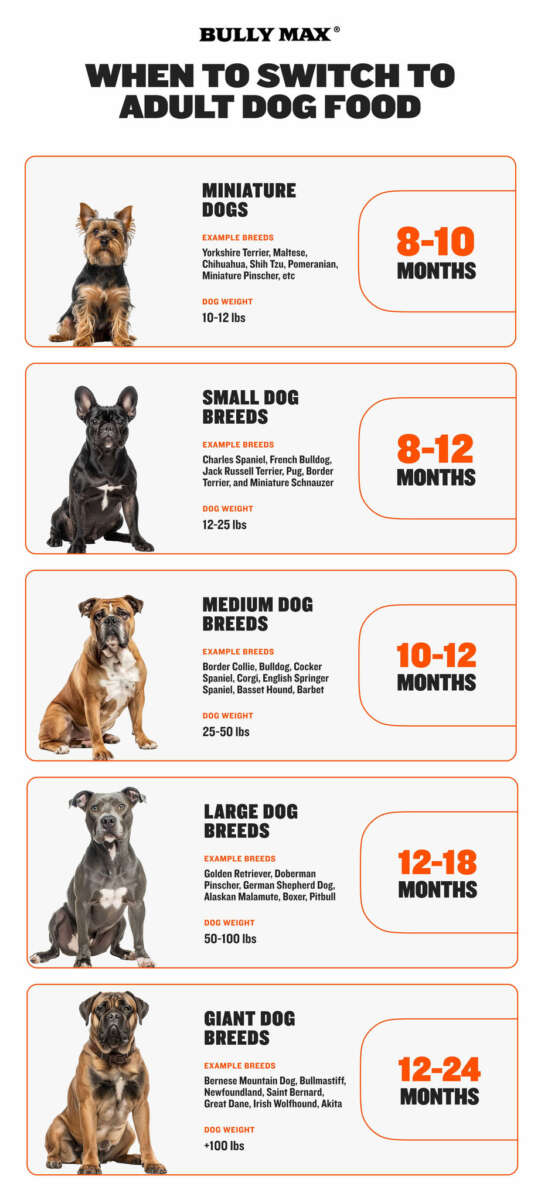
- Match the food to your dog’s life stage and size. A small adult Chihuahua and a large adult Great Dane have different needs.
- Check calories, not just cups. Foods vary widely in calories per cup.
- Choose a company with strong quality control and nutrition expertise.
- Watch your dog’s body condition, stool, skin, coat, and energy. These signs help show whether the food is working.
For a healthy adult dog, a food made for adult maintenance is usually the most direct choice. An all-life-stages food may also meet an adult dog’s needs, but it is formulated to support growth as well. That can mean a different calorie and nutrient profile.
Dogs with kidney disease, diabetes, food allergies, pancreatitis, urinary disease, or other medical needs may require a veterinary therapeutic diet. Ask your veterinarian before choosing food for a diagnosed condition.
What “complete and balanced” means in the United States
“Complete and balanced” means the food is designed to provide all required nutrients in the right amounts for a stated life stage. In the U.S., pet food labels often refer to nutritional profiles set by the Association of American Feed Control Officials, or AAFCO.
AAFCO does not approve every pet food before sale. Instead, state regulators use AAFCO model rules and profiles as part of pet food regulation. The food label should state whether the product:
- Meets an AAFCO nutrient profile through formulation or analysis
- Passed an AAFCO feeding trial
- Is intended for adult maintenance, growth, reproduction, or all life stages
Look for wording similar to:
“Animal feeding tests using AAFCO procedures substantiate that this product provides complete and balanced nutrition for maintenance of adult dogs.”
A feeding-trial statement and a formulated-to-meet statement are not the same. Neither statement proves that a food is ideal for every individual dog. It does show that the product is being sold for a defined nutritional purpose.
Adult maintenance versus all life stages
A food for adult maintenance is made for fully grown dogs. A food for all life stages must meet the needs of growth and reproduction as well as adult maintenance.
That difference matters because puppies need nutrients in different amounts and ratios. A food designed for growth may provide more calories or nutrients than an inactive adult dog needs.
An all-life-stages food is not automatically unsafe for adult dogs. It may be a sound choice when fed in the right amount. Still, adult-maintenance food can make portion planning easier for a typical healthy adult dog.
“Complete” is not the same as “complementary”
Some toppers, broths, treats, canned meats, and supplements are not complete foods. They may be labeled for intermittent or supplemental feeding only.
These products should not replace your dog’s main diet unless a veterinary nutrition professional has designed the full plan. Too many extras can also add calories and unbalance the diet.
How to choose the best adult dog food
1. Start with your dog, not the front of the bag
The right food depends on your dog’s details:
- Age and life stage
- Adult body weight
- Breed size
- Activity level
- Neuter status
- Body condition
- Stool quality
- Medical history
- Food allergies or intolerances
- Preference for dry, wet, or mixed feeding
A healthy, active adult dog may need more calories than a calm senior dog of the same weight. Two dogs can also respond differently to the same food.
2. Check the nutritional adequacy statement
This is one of the most useful parts of the label. It appears near the guaranteed analysis or feeding directions.
For a normal adult dog, the label should clearly say the food is complete and balanced for adult maintenance or all life stages.
Do not rely only on phrases such as:
- High protein
- Holistic
- Human-grade
- Natural
- Grain-free
- Limited ingredient
- Raw
- Superfood
These terms may describe a product, but they do not replace a complete-and-balanced statement.
3. Consider the manufacturer’s quality controls
A pet food company should be able to explain who formulates its diets and how it checks ingredients and finished products.
Useful questions include:
- Does the company employ or consult a qualified animal nutritionist?
- Does it test ingredients before use?
- Does it test finished food for nutrient levels?
- Does it monitor for bacteria, toxins, and contaminants?
- Does it have a clear recall and traceability process?
- Can it provide calorie information?
- Does it publish or explain its quality-control methods?
The World Small Animal Veterinary Association offers questions that can help pet owners assess a pet food company. These questions are more useful than judging quality by package design or ingredient buzzwords.
A small company can make good food, and a large company can make poor choices. Company size alone does not prove quality. The key issue is whether the manufacturer has reliable systems and shares useful information.
4. Compare calories per cup or can
Calories affect weight more than the number of cups alone. One cup of dry food may contain far more calories than one cup of another food.
Look for the label’s calorie content, often listed as:
- Kilocalories per cup
- Kilocalories per can
- Kilocalories per kilogram
For example, this is a hypothetical comparison:
| Food | Calories per cup | Daily amount | Daily calories |
|---|---|---|---|
| Food A | 350 kcal | 2 cups | 700 kcal |
| Food B | 450 kcal | 2 cups | 900 kcal |
Both plans use two cups, but Food B provides 200 more calories each day. Over time, that difference may lead to weight gain.
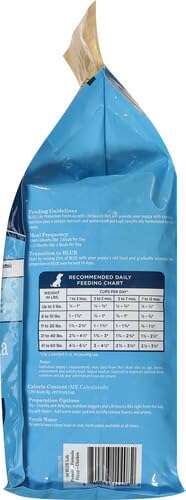
Use the package feeding guide as a starting point, not a fixed rule. Then adjust based on body condition and weight trends.
5. Choose protein and fat levels that fit the dog
Healthy adult dogs need protein, fat, carbohydrates, vitamins, minerals, and water. The best balance depends on the dog.
An active working dog may need more calories and fat than a sedentary house dog. A dog that gains weight easily may need a lower-calorie food with careful portions.
More protein is not always better. The source, digestibility, total calories, and medical needs also matter. Dogs with certain diseases may need a specific protein or mineral plan set by a veterinarian.
6. Decide between dry, wet, or mixed feeding
Dry food is often easy to measure and store. Wet food provides more water and may help dogs that prefer soft textures.
A mixed diet can work well. The main rule is to count calories from both foods. Do not add a full serving of wet food on top of the usual dry-food portion unless the total amount has been adjusted.
Treats, dental chews, table food, and supplements count too. The American Veterinary Medical Association advises that treats should remain a small part of a dog’s daily calories. A common veterinary rule is to keep extras near 10% of daily calories, while the main complete food supplies about 90%.

The best food by type of adult dog
There is no universal winner, but these categories can guide a sound choice.
Best for most healthy adult dogs
Choose a complete and balanced adult-maintenance food from a company with strong quality controls. Pick calories that help your dog maintain a lean body.
Both dry and wet foods can work. Your dog’s health, appetite, stool, budget, and eating habits matter more than the format.
Best for overweight adult dogs
Choose a food with controlled calories and measure each meal with a standard measuring cup or, better yet, a kitchen scale.
Weight loss should be gradual. Severe food restriction can leave a dog hungry and may reduce important nutrients. A veterinarian can calculate a safe calorie target and check for medical causes of weight gain.
Do not assume a food labeled “light” will solve the problem by itself. The daily calorie amount still matters.
Best for highly active or working dogs
Working, sporting, and highly active dogs may need more calories than typical pets. They may also need a food with an energy density that supports long activity periods.
Increase food in small steps. Watch body weight, muscle, stool, and recovery. A working dog that loses weight or tires quickly may need a veterinary assessment, not just a larger bowl.
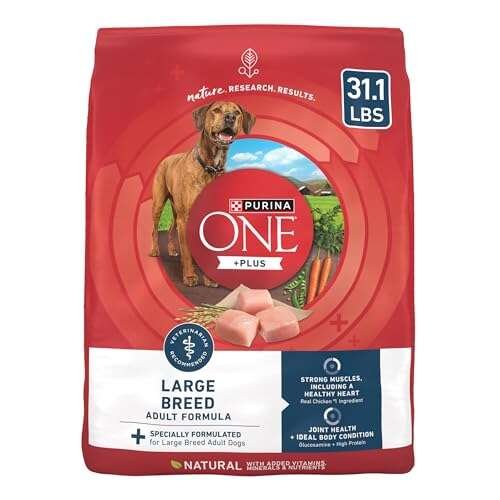
Best for large-breed adult dogs
Large dogs benefit from careful weight control because extra weight places more stress on joints. A large-breed adult formula may offer appropriate calorie density, kibble size, and nutrient targets.
The phrase “large breed” does not guarantee that the food is right for every large dog. Check the adequacy statement and feeding guide.
Best for small-breed adult dogs
Small dogs often eat small portions, so calorie errors can add up quickly. A few extra treats may represent a large share of a small dog’s daily intake.
Small-breed foods may use smaller pieces and a higher calorie density. Measure portions closely, especially for dogs that gain weight easily.
Best for dogs with sensitive stomachs
A sensitive stomach can have many causes. It may relate to fast eating, sudden diet changes, parasites, infection, pancreatitis, food intolerance, or another medical problem.
For mild, short-term digestive upset, call your veterinarian for advice. If the problem keeps returning, choose a diet plan with veterinary guidance rather than switching foods again and again.
Best for dogs with food allergies
True food allergies are less common than many owners think. Dogs can still develop them, and signs may include itching, ear problems, or digestive upset.
The reliable way to investigate a food allergy is usually a carefully managed elimination diet followed by a controlled food challenge. Over-the-counter “limited ingredient” foods may contain trace amounts of other proteins because of shared equipment.
A veterinarian can help select a suitable diet and prevent accidental exposure.

Are expensive, grain-free, raw, or fresh foods better?
Expensive food is not automatically better
Price can reflect ingredients, packaging, shipping, marketing, or manufacturing costs. It does not prove better nutrition.
Judge the food by its adequacy statement, calories, formulation, quality controls, and your dog’s response. A costly food that causes weight gain or loose stool is not a good fit for that dog.
Grain-free food is not required for most dogs
Most dogs can digest properly cooked grains. There is no general need to avoid grains unless a veterinarian has identified a specific reason.
The U.S. Food and Drug Administration investigated reports of canine dilated cardiomyopathy involving diets with high amounts of peas, lentils, other pulses, or potatoes. The investigation did not establish that every grain-free diet causes heart disease, and the issue is complex.
Do not remove grains simply because they sound undesirable. If you are considering a grain-free diet, discuss the choice with your veterinarian and ask about the complete formula.
Raw diets carry food-safety risks
Raw meat diets can expose dogs and people to pathogens such as Salmonella, Campylobacter, and certain strains of E. coli. Freezing does not reliably remove all hazards.
Raw diets can also become nutritionally unbalanced, especially when they are made at home without a veterinary nutritionist. Risk is higher in homes with young children, older adults, pregnant people, or anyone with a weakened immune system.
Fresh and home-cooked diets need careful formulation
A home-cooked diet may be useful in a special case, but many recipes found online lack one or more essential nutrients. Common gaps include calcium, certain vitamins, trace minerals, and fatty acids.
If you want to feed a home-cooked diet long term, ask a board-certified veterinary nutritionist to formulate it. Follow the recipe closely, including supplements and amounts.

How much should an adult dog eat?
The correct amount is the amount that maintains a healthy body condition, not simply the amount printed on the bag.
A rough starting estimate can be made from resting energy requirement, or RER:
RER = 70 × body weight in kilograms^0.75
A veterinarian may then apply a factor based on age, activity, neuter status, and health. This is only an estimate. Individual dogs can need more or less.
Convert pounds to kilograms
To convert body weight:
Kilograms = pounds ÷ 2.2
For a hypothetical 44-pound dog:
44 ÷ 2.2 = 20 kilograms
The dog’s calorie needs still depend on more than weight. A calm neutered dog and an active intact dog of the same weight may need different amounts.
Use body condition, not just the scale
A dog at a healthy body condition should generally have:
- Ribs that can be felt with light pressure
- A visible waist when viewed from above
- An abdominal tuck when viewed from the side
- A steady weight over time
Ribs that are hard to feel may suggest excess body fat. Ribs, spine, or hip bones that are very prominent may suggest the dog is too thin.
Ask your veterinarian to show you a body-condition score. This is more useful than comparing your dog with a breed photo or another dog in the home.
Make changes slowly
Switch food over about seven days unless your veterinarian gives different advice:
- Days 1–2: 25% new food, 75% old food
- Days 3–4: 50% new food, 50% old food
- Days 5–6: 75% new food, 25% old food
- Day 7: 100% new food
Some dogs need a slower change. Vomiting, severe diarrhea, refusal to eat, marked lethargy, or signs of pain call for veterinary advice.

Common mistakes when choosing adult dog food
Choosing by ingredients alone
Ingredients matter, but an ingredient list cannot tell you everything about digestibility, nutrient balance, sourcing, or quality control.
A named meat ingredient may be useful information, but the first ingredient does not prove that a food is superior. The whole formula matters.
Treating “by-products” as automatically bad
Animal by-products can include nutritious organs and tissues. The term does not automatically mean unsafe or low quality.
Likewise, a food can contain attractive-sounding ingredients and still be unsuitable if it lacks complete nutrition or has poor calorie control.
Changing foods too often
Frequent switching can cause loose stool and makes it hard to know what caused a problem. Change foods for a clear reason, and keep notes about the date, food, amount, stool, skin, and weight.
Ignoring treats and chews
A dental chew, training treat, spoonful of peanut butter, or table scrap can add many calories. Count these extras when a dog gains weight.
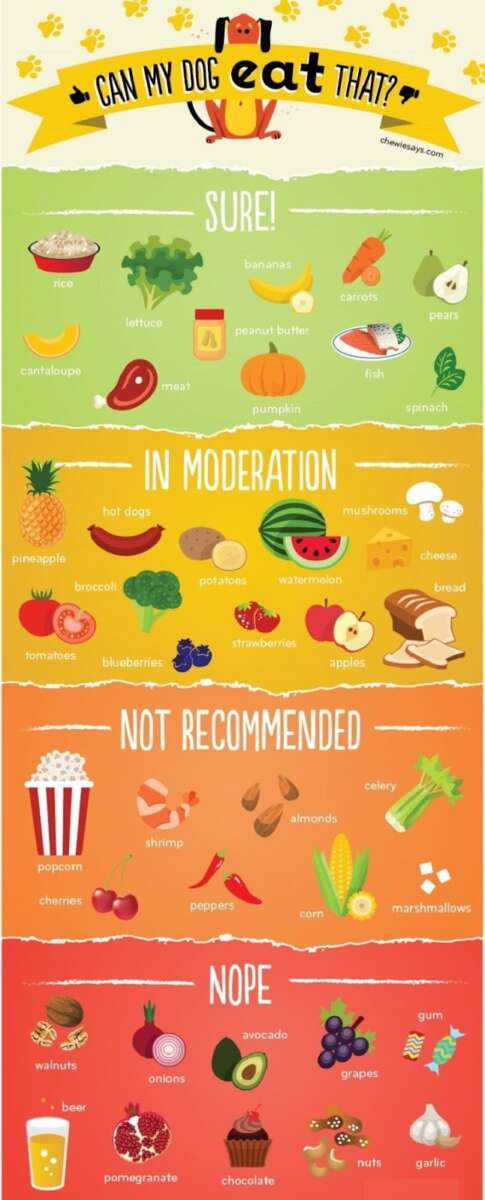
Check peanut butter labels for xylitol, also called birch sugar. Xylitol can be highly toxic to dogs. If your dog may have eaten it, contact a veterinarian or animal poison service at once.
Assuming supplements are harmless
Supplements can interact with medicines or provide too much of a nutrient. Calcium, vitamin D, iron, and some herbal products can cause harm at high amounts.
Do not add supplements to a complete diet unless your veterinarian recommends them.
When should you ask a veterinarian?
Ask a veterinarian before changing food for a dog with:
- Ongoing vomiting or diarrhea
- Blood in stool
- Loss of appetite
- Weight loss or rapid weight gain
- Excessive thirst or urination
- Repeated ear or skin infections
- Suspected food allergy
- Kidney, liver, heart, urinary, or pancreatic disease
- Diabetes
- Pregnancy or nursing
- A history of urinary stones
- Trouble chewing or swallowing
Seek prompt care for severe weakness, repeated vomiting, a painful swollen belly, breathing trouble, collapse, or possible toxin exposure.
A veterinarian may recommend blood tests, a prescription diet, a calorie plan, or a structured food trial. Do not use a general adult food as a substitute for a therapeutic diet when a disease has been diagnosed.

A simple adult dog food decision table
Use this table as a starting point. It does not replace a veterinary diet plan.
| Dog’s situation | Useful starting choice | Main point to check |
|---|---|---|
| Healthy adult, stable weight | Complete adult-maintenance food | AAFCO statement and calories |
| Gains weight easily | Lower-calorie plan with measured portions | Daily calories and body condition |
| Very active or working | Energy-dense food as needed | Weight, stamina, and stool |
| Small adult dog | Small-breed adult food or measured standard food | Calorie density and portion size |
| Large adult dog | Large-breed adult food may help | Weight control and calorie density |
| Loose stool after food change | Slow transition and veterinary advice | Cause, not just the next brand |
| Suspected allergy | Vet-guided elimination diet | Strict control of all ingredients |
| Kidney, heart, urinary, or other disease | Veterinary therapeutic plan | Disease-specific nutrient limits |

Frequently asked questions
Is dry or wet food better for adult dogs?
Neither is always better. A complete dry food can be convenient and easy to measure. A complete wet food provides more water and may suit dogs with dental or appetite issues. You can use either format or combine them while tracking total calories.
How do I know if my dog’s food is working?
Look for stable weight, healthy body condition, normal stool, good energy, healthy skin and coat, and a willing appetite. These signs do not rule out disease, so contact your veterinarian if symptoms persist.
Can adult dogs eat puppy food?
Healthy adult dogs can usually eat puppy food for a short time, but it may provide more calories than they need. Long-term use can cause weight gain in some adults. Choose food for adult maintenance unless a veterinarian recommends another plan.
Should I avoid chicken, corn, or grains?
Not unless your dog has a confirmed allergy or your veterinarian has another reason. Chicken, corn, rice, wheat, and other common ingredients can be part of a complete diet. The response of the individual dog matters more than internet lists of “bad” ingredients.
How often should I feed an adult dog?
Many adult dogs do well with two measured meals per day. Some dogs need a different schedule because of medical needs, appetite, activity, or medication. Regular meals can make it easier to track intake and notice changes.
Bottom line
The best adult dog food is not the food with the most impressive package or the highest price. It is a complete and balanced food that suits your dog’s life stage, health, activity, calorie needs, and preferences.
Start with the AAFCO adequacy statement. Check calories. Measure meals. Keep treats modest. Monitor body condition and stool. If your dog has symptoms or a diagnosed disease, involve your veterinarian before changing the diet.
Sources and further reading
- AAFCO: Pet Food and Animal Feed
- FDA: Questions and Answers—FDA’s Work on Potential Causes of Non-Hereditary DCM in Dogs
- WSAVA Global Nutrition Guidelines
- AVMA: Pet Nutrition
- Merck Veterinary Manual: Nutritional Requirements of Dogs

Pet Care Writer & Researcher
Daniel writes practical guides on daily care, feeding, and safety, turning complex topics into simple, actionable advice.