How To Stop Dog Barking When Not Home: Easy Fixes
Learn how to stop dog barking when not home with proven training tips, calming strategies, and simple ways to reduce separation anxiety.
Most dogs stop barking alone when you reduce stress, add calm routines, and teach quiet behavior step by step.
Learning how to stop dog barking when not home takes more than saying “quiet” before you leave. The barking may come from boredom, fear, noise, loneliness, or separation anxiety. With careful observation, reward-based training, and the right home setup, you can help your dog feel safe and settle while you are away.
Why dogs bark when left alone
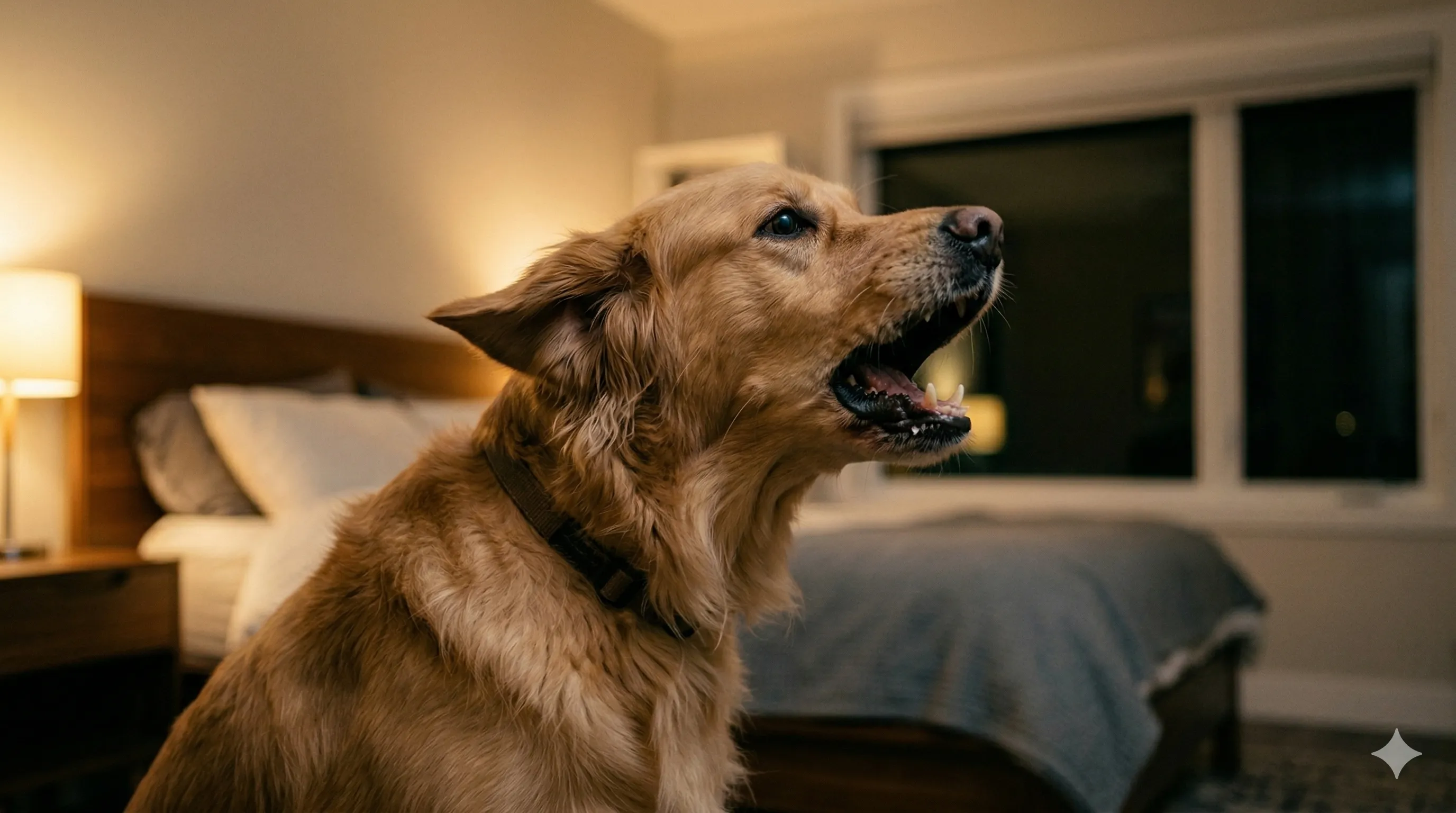
Barking is a form of communication. Your dog may bark because something feels exciting, scary, frustrating, or uncomfortable. The first step in learning how to stop dog barking when not home is finding the reason behind it.
Common causes include:
- Separation anxiety
- Boredom or unused energy
- Outside sounds, people, or animals
- A need for food, water, or a bathroom break
- Fear of being alone
- Territorial behavior
- A new home, schedule, pet, or family change
- Pain, hearing loss, or another health issue
Some dogs bark for a few minutes after you leave. Others bark for hours. A dog that paces, drools, scratches doors, destroys items, or tries to escape may have separation-related distress rather than a simple habit.
Try recording your dog after you leave. A pet camera or old phone can show when the barking starts and what happens first. This small clue often saves weeks of guesswork.
Find out what triggers the barking
Before changing your dog’s routine, collect useful information. Watch the first 30 minutes after you leave, since many problems appear during this time.
Write down:
- The time barking begins
- How long each barking spell lasts
- Whether your dog paces or stays in one place
- Any whining, scratching, chewing, or drooling
- Sounds that cause barking
- Whether your dog settles after exercise or a meal
- Your dog’s age, breed, health, and daily schedule
A dog that barks at every passing person may need help with visual triggers. A dog that barks, pants, and scratches the exit may need a separation anxiety plan. These issues can look similar from outside, but they need different solutions.
Your neighbors can also provide helpful details. Ask whether the barking is constant or happens at certain times. Stay calm and polite. Their feedback can help you create a better plan and prevent a small issue from becoming a conflict.
Build a calm pre departure routine
Dogs notice patterns. If you grab your keys, put on shoes, and rush out, your dog may learn that these actions predict a long, stressful absence.
Create a quiet routine instead:
- Give your dog exercise that matches their age and health.
- Allow time for a bathroom break.
- Offer a small meal or food puzzle if appropriate.
- Lower the energy in the room.
- Leave without a long goodbye.
- Return without creating a huge greeting party.
Exercise can help, but it is not a cure for separation anxiety. A tired dog may still panic when alone. Think of exercise as one part of the plan, not the whole answer.
For many dogs, a sniff walk works better than a fast walk around the block. Sniffing gives the brain useful work and may help the dog relax. Avoid intense play right before leaving if it makes your dog more excited.
In my experience helping owners troubleshoot barking, one common mistake is making departure time emotional. Long hugs and repeated goodbyes can accidentally tell the dog that leaving is a major event. A calm exit often works better.

Use gradual alone time training
Gradual training is one of the most useful methods for how to stop dog barking when not home. It teaches your dog that short absences are safe before you ask for longer ones.
Begin below your dog’s stress limit. If your dog starts barking after 20 seconds, begin with five or ten seconds.
Follow these steps:
- Ask your dog to relax on a bed or mat.
- Step away for a few seconds.
- Return before barking starts.
- Reward calm behavior with a quiet voice or small treat.
- Repeat several times.
- Increase the time very slowly.
Next, walk to the door. Then touch the handle. Later, open the door and close it. After that, step outside for a few seconds. Change the steps often so your dog does not become worried by one fixed pattern.
If barking starts, the session moved too fast. Return to an easier step at the next practice session. Do not punish the barking. Fear and punishment can make alone time feel even less safe.
Practice when you have time. Five calm sessions of one minute may teach more than one long session that ends in panic. Progress may take days or months, depending on the dog.

Make the home feel safer
Your dog’s surroundings can either lower stress or keep barking alive. Set up a comfortable area where your dog can rest without feeling trapped.
Helpful changes may include:
- Closing curtains that expose busy streets
- Using white noise or soft music
- Moving the crate away from loud windows
- Leaving a safe bed and familiar-smelling item
- Providing fresh water
- Keeping the room cool and well ventilated
- Removing items your dog may chew or swallow
- Using a baby gate when a full house is too much space
A crate can help some dogs feel secure, but it is not right for every dog. Never use a crate as a quick fix for panic, and never leave a dog confined for too long. If your dog pants heavily, drools, bites the bars, or tries to escape, speak with a veterinarian or qualified behavior professional.
Food toys can make alone time more pleasant. Use only items your dog has already tested safely while supervised. Avoid giving a new chew and leaving immediately, since choking or stomach problems can occur.
Offer safe mental enrichment
Boredom can cause barking, especially in young, active, and clever dogs. Enrichment gives your dog something suitable to do instead of watching the window or listening for your return.
Try rotating:
- Frozen food toys
- Treat scatter games
- Snuffle mats
- Safe chew items
- Puzzle feeders
- A short scent search before you leave
- A toy that appears only during alone time
Do not provide every toy at once. Too many choices can reduce interest. Keep some items stored and rotate them every few days.
Food toys should fit your dog’s size, chewing style, and health needs. Dogs that guard food or destroy toys may need a different plan. When in doubt, ask your veterinarian about safe options.
Enrichment helps with normal boredom, but it may not solve true separation anxiety. A panicked dog may ignore even a favorite treat. That response is valuable information, not stubbornness.

Reduce barking at outside sounds
Some dogs bark because they hear people, cars, wildlife, or other dogs. You can reduce these triggers by changing what your dog sees and hears.
Try these steps:
- Block the view from windows.
- Move beds away from doors and street-facing rooms.
- Play steady background sound.
- Ask a friend to create mild sounds while you reward calm behavior.
- Increase sound intensity only when your dog stays relaxed.
- Keep training sessions short.
This process is called desensitization and counterconditioning. It changes the dog’s emotional response by pairing a mild trigger with something pleasant. If your dog reacts strongly, lower the volume or increase the distance.
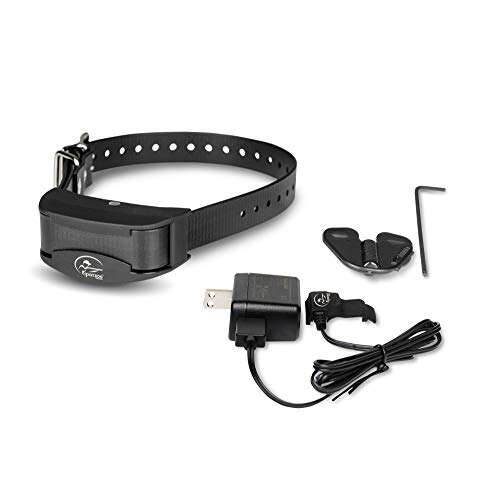
Do not use a bark collar as your first choice. Shock and spray collars may stop noise in some cases, but they can increase fear and do not teach the dog why calm behavior is better. Reward-based training is safer and more useful for long-term behavior change.
Consider a midday break
A long workday may be too much for some dogs, even after training. A dog walker, trusted friend, pet sitter, or dog daycare may reduce the length of alone time.
Choose care based on your dog’s personality. A shy dog may prefer one quiet visit at home. A social dog may enjoy a well-run daycare, but daycare is not ideal for every animal.
Before hiring help:
- Ask for references
- Confirm insurance or business credentials
- Arrange a trial visit
- Share feeding and safety instructions
- Explain door, leash, and medication needs
- Check that the person knows your dog’s triggers
A midday break will not teach independence by itself. It supports the training plan by preventing your dog from practicing hours of barking or panic.

Know when separation anxiety needs professional help
Separation anxiety is more than ordinary frustration. Signs may include intense barking, repeated attempts to escape, destruction near exits, house soiling only when alone, shaking, vomiting, or heavy drooling.
Contact your veterinarian if:
- The behavior started suddenly
- Your dog seems painful or ill
- Your older dog has changed behavior
- Your dog injures the mouth, paws, or nails
- Your dog cannot eat when alone
- Training causes severe distress
- You suspect separation anxiety
A veterinarian can check for medical problems and refer you to a certified veterinary behaviorist or qualified positive-reinforcement trainer. In serious cases, behavior medication may support training. Medication should come from a veterinarian and should not replace behavior work.
Professional help is not a failure. It is similar to asking a physical therapist for help with an injury. Early support can protect your dog and make the process kinder.
Mistakes that can make barking worse
Many loving owners try to solve barking quickly. Some common responses can accidentally add stress or reward the behavior.
Avoid these mistakes:
- Yelling from another room
- Punishing the dog after returning home
- Waiting for hours of barking to stop
- Increasing alone time too quickly
- Using a crate when the dog panics inside it
- Leaving unsafe chews or toys
- Relying only on exercise
- Expecting quiet behavior without practice
- Ignoring a sudden behavior change
Yelling may sound like barking to your dog. Punishment after the event does not explain what the dog should do instead. It may also make your return feel unpredictable.
A better plan rewards quiet moments before barking starts. Keep your voice calm, track progress, and change one factor at a time. Small wins matter.
A simple seven day starting plan
Use this plan as a starting point, not a strict rule. Move more slowly if your dog shows stress.
- Day one: Record your dog and identify the main trigger.
- Day two: Block window views and add steady background sound.
- Day three: Practice calm mat time while you move around the home.
- Day four: Touch the door, then return and reward calm behavior.
- Day five: Step outside for a few seconds and come back quietly.
- Day six: Repeat short absences and add a safe food toy.
- Day seven: Review the recording and adjust the time based on your dog’s response.
Keep a simple log. Write down the absence length, barking time, body language, and what helped. Progress is easier to see on paper than in memory.
The goal is not perfect silence at once. The goal is a dog that feels safer, recovers faster, and spends more time resting.