Why Does My Dog Bark At Night So Much: Causes And Fixes
Why does my dog bark at night so much? Learn common causes and gentle, practical ways to help your dog sleep peacefully.
Dogs bark at night because they may sense threats, feel anxious, need something, or have an untreated health problem.
Wondering why does my dog bark at night so much can be frustrating, especially when everyone needs sleep. The cause may be simple, such as outdoor sounds or boredom, but night barking can also signal fear, pain, aging, or separation stress. This guide explains how to find the cause and calm your dog safely.
Why Does My Dog Bark at Night So Much?
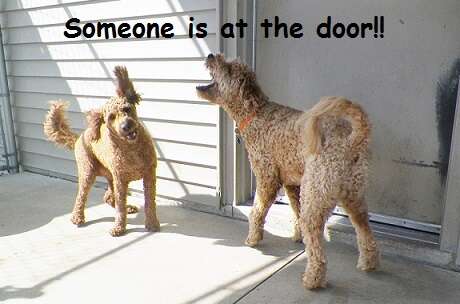
Dogs bark to communicate. At night, the world becomes quieter, so small sounds can seem loud and important to your dog. A distant car, raccoon, neighbor, or tree branch may trigger barking that you cannot hear.
Your dog may also bark because the house feels different after dark. Fewer people move around. There is less light. Your dog may feel alone or may become more alert to changes around the home.
Common reasons include:
- Alert barking at sounds, people, or animals
- Fear of darkness, storms, or strange noises
- Separation anxiety after the family goes to bed
- Boredom and unused energy
- Hunger, thirst, or the need to go outside
- Pain, illness, or physical discomfort
- Canine cognitive dysfunction in older dogs
- A learned habit that has been rewarded by attention
The best solution depends on the reason. Treating fear like boredom, for example, may make the problem worse. Think of the barking as a message. Your first job is to understand what your dog is trying to say.

Common Reasons Dogs Bark at Night
Your dog hears things you do not
Dogs have far better hearing than people. They can notice distant voices, wildlife, plumbing sounds, heating systems, and vehicles long before you do.
A dog that barks at the window may be reacting to movement outside. A dog that barks from a crate or bedroom may be responding to sounds from another part of the home.
Try to note the exact pattern. Does the barking begin at the same time each night? Does it stop when a noise stops? Does your dog stare at a door, window, or ceiling? These clues can reveal the trigger.
Your dog has too much energy
A dog that sleeps much of the day may be ready to play at midnight. This is common in puppies, young dogs, working breeds, and active mixes.
Physical exercise helps, but mental work matters too. A short sniff walk, food puzzle, training session, or safe chew can help your dog settle.
Avoid intense play right before bed. Rough games may increase excitement instead of creating calm. Aim for exercise earlier in the evening, followed by quiet time.
Your dog feels lonely or anxious
Some dogs bark when they are separated from their people. Night can make this worse because the usual household activity stops.
Signs of nighttime anxiety may include:
- Barking soon after you leave the room
- Scratching at doors
- Pacing or panting
- Drooling
- Destructive behavior
- Repeated attempts to wake you
- Barking that stops when you come near
This pattern can point to separation distress rather than simple disobedience. Punishment may increase fear and make the barking stronger.
Your dog wants attention
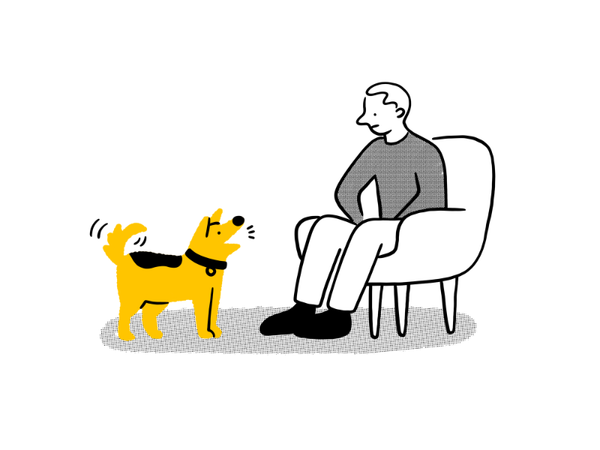
dogs learn from results. If barking brings you downstairs, opens a door, gives food, or starts play, your dog may repeat it.
This does not mean your dog is being sneaky or bad. It means the behavior worked. Even scolding can reward barking because your dog receives attention.
Changing this pattern takes consistency. If one family member ignores barking but another offers treats, the dog receives a confusing message.
Your dog needs to go outside
Puppies, senior dogs, and dogs with certain health problems may need nighttime bathroom breaks. A dog that suddenly barks after sleeping for several hours may be asking for help.
Take your dog outside calmly. Keep the trip quiet and boring. Avoid turning it into playtime, or your dog may learn to wake you for entertainment.
Your dog is reacting to darkness
Some dogs become nervous when the lights go out. They may struggle to see familiar objects or may feel exposed in a dark room.
A small night-light can help. So can moving the bed to a spot where your dog feels secure. Do not force a frightened dog to stay in a dark area.
Your dog is aging
Older dogs may bark at night because of hearing loss, vision changes, pain, or confusion. Canine cognitive dysfunction can also affect sleep and behavior.
A senior dog may sleep during the day and wander or vocalize at night. It may seem as if the dog has forgotten the household routine.
These changes deserve a veterinary check. Age alone should not be used to explain away a sudden behavior change.

Medical Causes of Nighttime Barking
When people ask why does my dog bark at night so much, they often expect a behavior answer. Medical problems must also be considered, especially if the barking is new or severe.
Pain can make it hard for a dog to lie down or stay asleep. Arthritis, dental pain, ear infections, stomach problems, and injuries may cause nighttime restlessness.
Other possible medical causes include:
- Increased thirst or urination
- Urinary tract problems
- Skin allergies and itching
- Hearing or vision loss
- Hormonal disorders
- Digestive discomfort
- Neurologic disease
- Age-related cognitive changes
- Medication side effects
Watch for other signs. These may include limping, panting, vomiting, diarrhea, weight loss, appetite changes, accidents, shaking, or repeated licking.
Contact a veterinarian if your dog shows sudden nighttime barking with pain, trouble breathing, weakness, collapse, repeated vomiting, or severe confusion. A behavior plan cannot fix a medical problem that has not been treated.
A veterinary visit may include a physical exam, dental check, blood tests, urine testing, or other tests based on your dog’s age and symptoms. The right evaluation depends on the individual dog.

How to Find the Real Cause
The fastest way to understand why does my dog bark at night so much is to collect details instead of guessing.
Keep a simple log for several nights. Write down:
- When the barking starts
- How long each episode lasts
- Where your dog is located
- What your dog looks at or hears
- What happens before the barking
- How you respond
- What finally makes the barking stop
- Any daytime changes in eating, sleep, or mood
A phone recording can help. It may reveal a distant sound, a dog in the neighborhood, or a repeated pattern that is easy to miss when you are tired.
Consider the timing. Barking at 9 p.m. may suggest excess energy or attention seeking. Barking at 2 a.m. may relate to wildlife, bathroom needs, anxiety, or medical discomfort. Timing does not prove the cause, but it provides useful clues.
Also consider recent changes. Did you move the dog’s bed? Bring home a new pet? Change work hours? Add a baby? Start construction nearby? Dogs often react to changes that people consider small.

How to Stop a Dog From Barking at Night
Once you understand why does my dog bark at night so much, create a plan that meets the dog’s needs and prevents repeated practice.
Build a calm evening routine
Dogs often relax better when bedtime follows a predictable pattern. Try this order:
- Give your dog a bathroom break.
- Offer a calm walk with time to sniff.
- Practice a few easy cues, such as sit or touch.
- Provide water and a safe chew.
- Lower the lights and reduce household noise.
- Settle your dog in a comfortable sleep area.
Keep the routine similar each night. Predictability can reduce worry.
Improve daytime exercise
A dog with unused energy may treat the night like a work shift. Add activity that fits your dog’s age, health, and breed.
Good options include:
- Sniff walks
- Gentle fetch
- Short training sessions
- Food puzzles
- Hide-and-seek games
- Safe social time
- Swimming, if approved and suitable
- Controlled play with another dog
Do not suddenly increase exercise in a dog with joint pain or poor fitness. Ask your veterinarian for safe activity limits when needed.
Reduce outside triggers
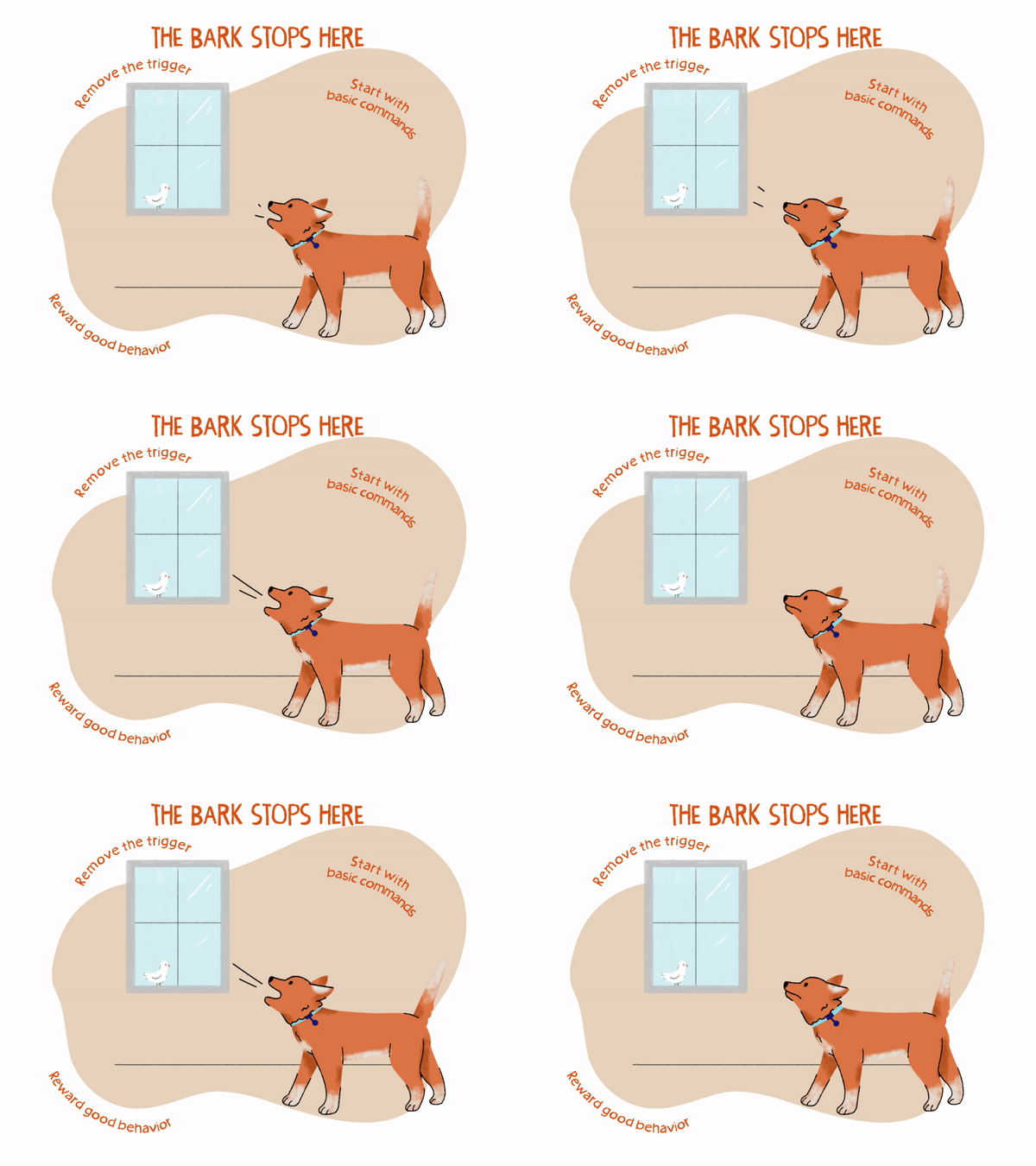
Block your dog’s view of busy windows with curtains or frosted film. Move the bed away from doors if hallway sounds cause barking.
White noise, a fan, or soft music may cover mild outdoor sounds. These tools help some dogs, but they will not solve severe fear or pain.
Check your yard for wildlife activity. Motion lights, secure fencing, and covered trash may reduce visits from animals that trigger barking.
Teach quiet behavior
Do not shout “quiet” over repeated barking. Your dog may hear this as more barking from you.
Instead, wait for a brief pause. Say “quiet” in a calm voice, then reward the silence. At first, reward one or two seconds. Slowly increase the quiet period.
This method teaches a clear replacement behavior. Your dog learns that calm behavior brings good results.
Make the sleeping area comfortable
Your dog should have a safe, comfortable place to rest. Check the temperature, bedding, lighting, and noise level.
Some dogs sleep better near their people. Others settle better in a quiet room. Test one change at a time so you can see what helps.
Never use a crate as punishment. A crate should be a safe space, not a place where a distressed dog is forced to remain for long periods.
Mistakes That Can Make Night Barking Worse
Many well-meaning owners accidentally strengthen barking. When you are tired, it is easy to open the door, offer food, or yell. Your dog then learns that barking changes your behavior.
Avoid these common mistakes:
- Punishing fear with yelling or physical force
- Using shock or spray collars without professional guidance
- Letting the dog bark for long periods without checking basic needs
- Giving attention every time barking begins
- Changing the rules from one night to the next
- Skipping exercise and mental stimulation
- Assuming every case is attention seeking
- Ignoring sudden behavior changes in an older dog
Punishment may suppress noise for a moment, but it does not address the cause. If your dog is scared, punishment can confirm that nighttime is dangerous.
A better approach is calm and consistent. Check for urgent needs, reduce triggers, reward quiet, and seek professional help when progress stops.
When to Call a Veterinarian or Dog Behaviorist
Call your veterinarian when nighttime barking begins suddenly, becomes intense, or appears with physical symptoms. This is especially important for puppies, senior dogs, and dogs with known health problems.
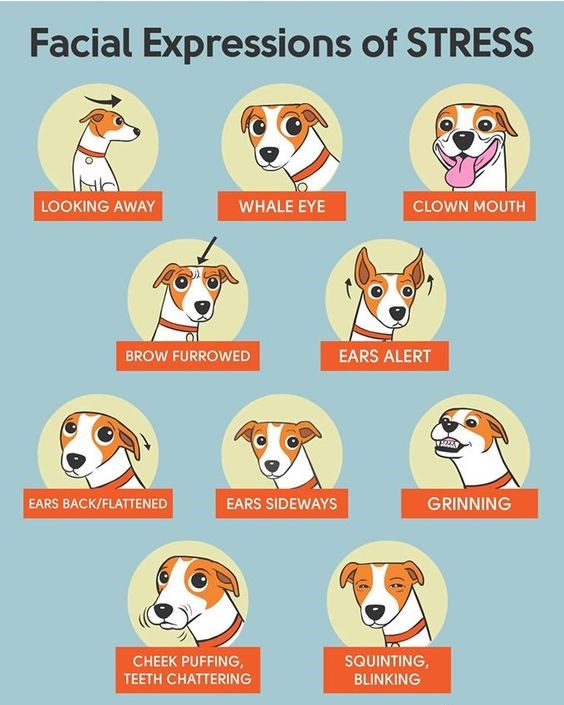
A qualified veterinary behaviorist or certified behavior professional can help when anxiety, fear, or aggression is involved. Look for someone who uses reward-based methods and can explain the plan clearly.
Professional help is wise if:
- Your dog cannot settle for hours
- Your dog is injuring itself
- Barking comes with panic or destructive behavior
- Your dog threatens people or animals
- You have tried a consistent plan for several weeks without improvement
- The problem is harming sleep or family life
- You suspect separation anxiety
Medication may help some dogs, but it should come from a veterinarian. Medication works best when combined with behavior change, environmental support, and careful follow-up.
No single trick works for every dog. Breed, age, health, history, housing, and family routine all affect the outcome. Honest assessment is more useful than a promise of instant results.
A Practical Seven-Night Plan
If you are still asking why does my dog bark at night so much, try this structured plan. Make only safe changes, and stop if your dog shows distress.
Night one: Observe
Record the time, place, sound, body language, and your response. Do not rush to train before you understand the pattern.
Night two: Check basic needs
Offer a bathroom break, fresh water, suitable bedding, and a comfortable temperature. Note whether the barking changes.
Night three: Reduce triggers
Close curtains, move the bed, use white noise, and limit access to areas that cause alert barking.
Night four: Add calm activity
Use a sniff walk and short training session earlier in the evening. Finish with a quiet routine.
Night five: Reward quiet
Wait for a pause in barking. Mark the calm moment with gentle praise or a small treat. Keep your voice soft.
Night six: Practice during the day
Teach “quiet,” “place,” or “settle” when your dog is calm. Daytime practice makes nighttime learning easier.
Night seven: Review the pattern
Compare the notes. If barking is improving, continue the plan. If it is unchanged or worse, contact a veterinarian or qualified behavior professional.
This plan is not a substitute for medical care. It is a way to organize your observations and build better habits.

Frequently Asked Questions
Why does my dog bark at night but not during the day?
Night is quieter, so dogs may notice sounds and movement that are hidden by daytime activity. Darkness, loneliness, wildlife, and changes in routine can also increase nighttime alertness.
Should I ignore my dog barking at night?
Do not ignore barking automatically. First check for pain, illness, bathroom needs, fear, or danger; then avoid rewarding repeated barking with exciting attention.
Does barking at night mean my dog is bored?
Boredom can cause night barking, especially in young and active dogs. However, anxiety, outside sounds, discomfort, and aging are also common causes.
How can I calm my dog at night?
Use a steady bedtime routine, provide suitable exercise earlier in the day, reduce outside triggers, and reward calm behavior. If your dog appears frightened or distressed, speak with a veterinarian or behavior professional.
Why has my older dog started barking at night?
A senior dog may bark because of pain, hearing or vision loss, urinary needs, or canine cognitive dysfunction. New nighttime barking in an older dog should receive a veterinary evaluation.
Will a bark collar stop nighttime barking?
A bark collar may reduce sound without fixing the cause. It can increase fear or stress in some dogs, so reward-based training and professional advice are safer starting points.
Should my dog sleep in my bedroom?
Many dogs sleep more calmly near their people, while others prefer a quiet area. Choose the location where your dog can rest safely without showing distress or creating a repeated attention cycle.
Conclusion
Why does my dog bark at night so much? The answer may involve alertness, fear, boredom, loneliness, bathroom needs, pain, or age-related changes. Careful observation is the key to finding the right solution.
Start with basic needs, a calm routine, daytime activity, fewer triggers, and reward-based training. Never ignore sudden barking with signs of illness, and do not punish a dog that may be frightened or uncomfortable.
Track your dog’s progress for several nights, and ask a veterinarian or qualified behavior professional for help when needed. With patience and a clear plan, quieter nights are often possible. Share your experience or explore more trusted dog-care resources to keep learning.

Pet Care Writer & Researcher
Daniel writes practical guides on daily care, feeding, and safety, turning complex topics into simple, actionable advice.