
How To Get Dog To Stop Barking At Door: Calm Training Tips
Learn how to get dog to stop barking at door with simple, positive training techniques that create calmer greetings and a quieter home.
Teach calm door habits, reward quiet behavior, and manage triggers before your dog can rehearse barking.
Learning how to get dog to stop barking at door takes more than saying “quiet.” Door barking is often driven by excitement, fear, guarding, or a learned reward. With the right plan, you can replace the noisy rush with a calm routine that works for visitors, deliveries, and everyday sounds.
Why Dogs Bark at the Door
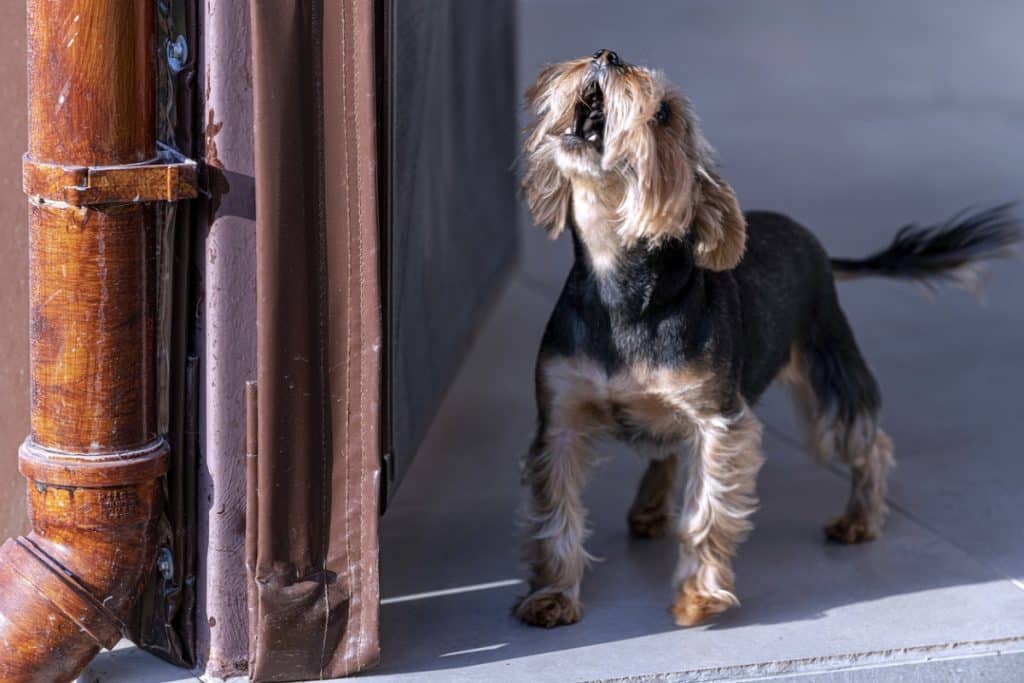
Door barking is normal dog communication, but it can become a habit. Your dog may bark when someone knocks, rings the doorbell, walks past the home, or enters the hallway. Each trigger can create a different emotional response.
Common reasons include:
• Alerting: Your dog wants to tell you that someone is outside.
• Territorial behavior: Your dog believes the home or yard must be protected.
• Excitement: Guests mean attention, play, or a fun change in routine.
• Fear: Knocking, voices, or sudden movement may feel threatening.
• Frustration: Your dog can hear or see a person but cannot reach them.
• Learned behavior: Barking may make the visitor move away, which can reward the dog.
The last point matters. If your dog barks at the mail carrier and the mail carrier leaves, your dog may think, “My barking worked.” The same pattern can happen when a guest enters only after a noisy greeting.
When considering how to get dog to stop barking at door, first identify the emotion behind the bark. A fearful dog needs safety and distance. An excited dog needs impulse control. A territorial dog needs careful management and new associations.
Veterinary behavior experts commonly recommend reward-based training rather than punishment. Punishment may stop sound for a moment, but it can increase fear or make the dog view visitors as an even greater threat.
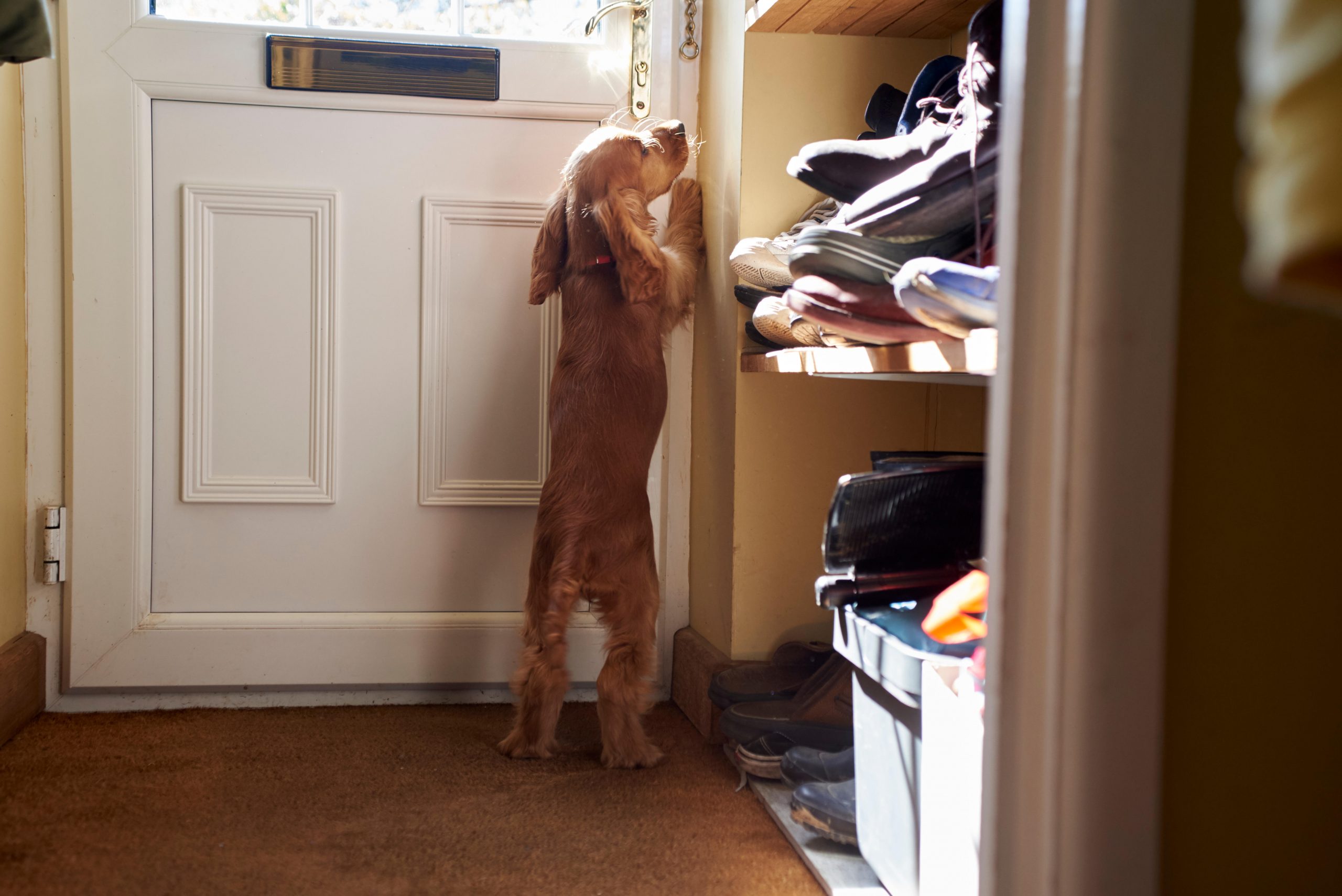
Prepare Before Training Begins
Training works best when your dog is calm enough to learn. A dog that is already charging the door is often too excited to respond well to a cue.
Start by reducing the number of barking rehearsals. This is called management. It does not replace training, but it gives your dog fewer chances to practice the unwanted behavior.
Try these steps:
• Close blinds or use privacy film on windows near the door.
• Move furniture away from the entry so your dog cannot watch every passerby.
• Use a baby gate to create space between your dog and the front door.
• Keep treats in a sealed container near the entry.
• Use a white-noise machine or fan to soften hallway sounds.
• Ask delivery workers to leave packages without knocking when possible.
• Place your dog in another room before expected visitors arrive.
Choose a reward your dog truly values. Small pieces of chicken, turkey, cheese, or a favorite training treat often work better than dry kibble during early practice.
Make sure your dog also receives enough exercise, sleep, sniffing time, and mental enrichment. A tired dog is not automatically a calm dog, but unmet needs can make barking harder to manage.
A useful lesson from real home training is that owners often wait until the doorbell rings to begin. That is like trying to teach someone to swim during a storm. Practice first when the house is quiet.
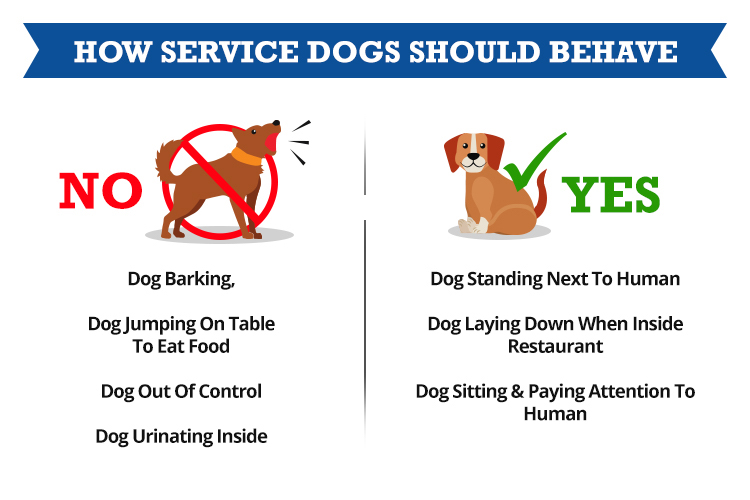
Teach a Reliable “Place” Cue
A “place” cue tells your dog to go to a mat, bed, or marked spot. It gives your dog a clear job when someone approaches the door.
Begin away from the door. Place a mat on the floor and reward your dog for looking at it. Then reward one step toward it, followed by standing on it. Build slowly until your dog walks to the mat and stays there for a few seconds.
Use this simple process:
-
Say “place” in a calm voice.
-
Guide your dog to the mat with a treat if needed.
-
Reward your dog when all four paws are on the mat.
-
Add a short pause before giving another treat.
-
Release your dog with a word such as “okay.”
-
Repeat for a few minutes at a time.
Do not force your dog onto the mat or hold the collar tightly. The goal is to make the mat feel safe and rewarding.
Once your dog understands the cue, add mild distractions. Walk toward the door, touch the handle, and then return to reward your dog. Later, practice with a soft knock or a quiet doorbell sound.
This exercise is central to how to get dog to stop barking at door because it replaces rushing with a specific, repeatable action.
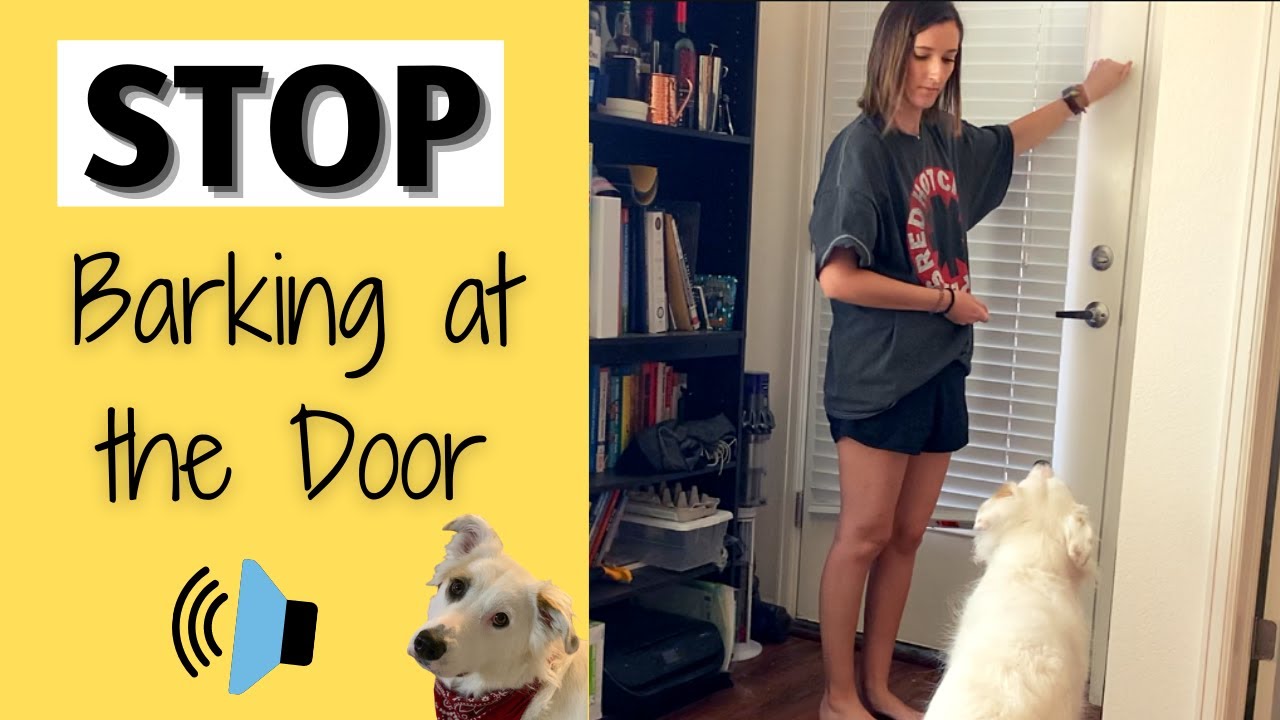
Pair the Doorbell With Good Things
Many dogs react to the doorbell before a visitor even arrives. You can change that response by pairing the sound with food.
Ask a helper to tap the door softly or play a recorded doorbell at a very low volume. The instant your dog hears it, give several small treats. Stop the sound, and stop the treats. Repeat until your dog begins to look at you when the sound occurs.
This process is called counterconditioning. It changes the meaning of the trigger from “danger or exciting visitor” to “good things happen.”
Keep the sound below your dog’s barking level. If your dog barks, lunges, or cannot eat, the trigger is too strong. Lower the volume, increase the distance, or wait for a calmer day.
Over several sessions, slowly increase the sound. Do not rush. Some dogs improve in days, while others need weeks or months, especially if fear or aggression is involved.
When learning how to get dog to stop barking at door, timing matters more than the number of treats. Reward the first calm response, not the long period after your dog has already lost control.
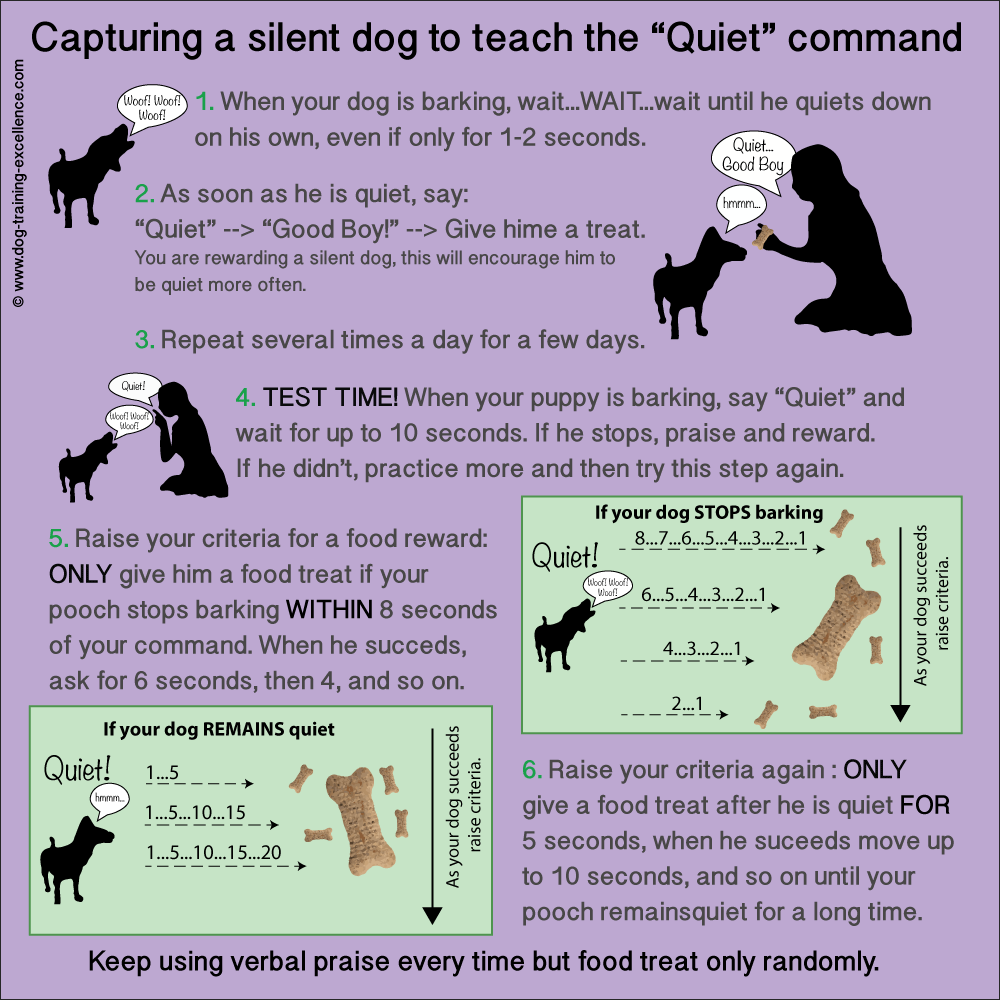
Teach a Quiet Response Without Shouting
Many people yell “quiet” while the dog is barking. From the dog’s view, this can sound like more barking from the family. It may also add stress.
Instead, wait for a brief pause. The moment your dog stops to take a breath, calmly say “quiet” and offer a treat. Repeat this during mild practice sessions.
You can use this pattern:
• Trigger a soft knock.
• Wait for one second of silence.
• Say “quiet.”
• Deliver a treat near your dog’s nose.
• Repeat before the barking becomes intense.
At first, reward one second of quiet. Then build to three seconds, five seconds, and ten seconds. Increase time slowly so your dog keeps succeeding.
Avoid repeating the cue again and again. If “quiet” is said ten times without a reward, it may lose meaning. Use one cue, help your dog succeed, and reward the correct behavior.
The goal is not always perfect silence. A brief alert bark followed by calm behavior may be realistic and healthy for many dogs.
:strip_icc()/stop-your-dog-from-barking-3877988-v5-TT-350f8d51e1c24802bce9a0430dec82a8.jpg)
Practice With Realistic Visitor Drills
Once your dog can go to the mat and respond to a soft sound, practice with a helper. Tell the helper exactly what to do. Random, intense surprises can cause setbacks.
Begin with the visitor standing far from the door. Ask your dog to go to the mat. The helper can then knock lightly. Reward your dog for staying on the mat and looking at you.
Next, open the door a small amount. Keep rewarding calm behavior. If your dog gets up, close the door and reset without scolding.
Build the drill in small steps:
-
The visitor approaches the house.
-
The visitor knocks once.
-
You reward your dog on the mat.
-
You open the door slightly.
-
The visitor enters and ignores the dog.
-
Your dog remains calm for a few seconds.
-
You release your dog to greet only when the body is relaxed.
Ask visitors not to lean over, stare, hug, or reach toward your dog. A calm side turn is often less threatening. Some dogs should remain behind a gate during visits, and that is a valid long-term plan.
When working on how to get dog to stop barking at door, control is more important than speed. A short, successful drill teaches more than one chaotic greeting.

Reward Calm Greetings
A dog that barks at the door may also jump, spin, mouth, or rush guests. Door manners should include calm greetings, not only less barking.
Keep your dog on a leash during early practice. Ask guests to wait quietly while you reward four paws on the floor. If your dog jumps, the guest should turn away and remove attention.
Give your dog several safe greeting choices:
• Sniffing a visitor’s hand when invited.
• Sitting near the guest.
• Staying on a mat.
• Taking a treat from the floor.
• Moving behind a gate while guests settle in.
Never force a fearful dog to greet. Allow the dog to watch from a safe distance and reward relaxed body language. Signs of stress can include tucked ears, lip licking, yawning, hiding, freezing, or a low tail.
Do not use the visitor as a test if your dog has bitten, snapped, or made serious threats. Use physical barriers and contact a qualified professional first.
:strip_icc()/puppy-barking-2804577-f7f6bffd80fa4edca1bd247ba52fc0a6.jpg)
Manage Barking at Deliveries and Passersby
Some dogs bark most at fast, repeated triggers. Delivery workers, children, joggers, and other dogs can create a daily cycle of barking.
For deliveries, manage the event before the person reaches the door. Put your dog in a room with a food puzzle, play calming music, and collect the package after the worker leaves.
For window barking, block the view during busy hours. You can also teach your dog to move away from the window when called. Reward the dog in another room, then return to normal activity.
For apartment hallways, use distance. Move your dog away from the door before opening it. If someone approaches, scatter treats on the floor or guide your dog behind a gate.
A food scatter can help because sniffing and searching may lower arousal. It is not a cure, but it can interrupt the barking cycle and give your dog a simple task.
This management is a key part of how to get dog to stop barking at door. You cannot train well if your dog practices the problem dozens of times each day.

Avoid Common Training Mistakes
Some responses can make door barking worse, even when the owner has good intentions.
Avoid these common mistakes:
• Yelling: Your dog may think you are joining the alarm.
• Shock or spray collars: These can increase fear and may suppress warning signals without changing the underlying emotion.
• Opening the door during a barking frenzy: Your dog may learn that barking makes access happen.
• Rewarding only after a long struggle: Reward earlier calm moments.
• Moving too fast: Difficult practice can create stronger reactions.
• Allowing inconsistent rules: Everyone in the home should use the same cues.
• Punishing growling: A growl is a warning. Removing the warning without fixing fear can create greater risk.
One mistake I often see in household training plans is focusing on the sound while ignoring the dog’s body. A dog that is silent but stiff, frozen, or staring may still feel threatened. Look for loose muscles, normal breathing, and the ability to take food.
Progress is rarely perfectly smooth. A loud holiday, storm, move, or painful health problem can cause a temporary setback. Return to an easier step rather than treating the setback as failure.
Know When to Contact a Professional
Some cases need more than home training. Contact your veterinarian if the barking starts suddenly, becomes intense, or appears with confusion, pain, hearing changes, or other unusual behavior.
Ask for help from a certified applied animal behaviorist, veterinary behaviorist, or qualified reward-based dog trainer if your dog:
• Has bitten or attempted to bite a visitor.
• Lunges or slams into the door.
• Cannot eat when the door trigger appears.
• Shows severe fear or panic.
• Redirects aggression toward family members.
• Does not improve after several weeks of careful practice.
Your veterinarian can also check for medical issues that affect behavior. Pain, sensory decline, and anxiety can all change how a dog responds to familiar sounds.
A professional should observe the full situation, including the dog’s posture, environment, trigger distance, and handler responses. Be cautious of anyone who promises a guaranteed cure or relies mainly on fear, pain, or forced control.
The best plan may include training, environmental changes, medication, or all three. Medication is not a shortcut or a failure. For some dogs, it lowers anxiety enough for learning to become possible.
A Simple Daily Training Plan
Short practice sessions are easier for dogs and people. Aim for five minutes, one or two times each day, instead of one long session.
Try this weekly framework:
• Days one and two: Teach “place” in a quiet room.
• Days three and four: Add movement toward the door.
• Days five and six: Pair a soft knock with treats.
• Day seven: Practice with a calm helper.
Track useful details in a notebook. Record the trigger, distance, barking level, response time, and reward used. A simple scale from zero to five can show progress more clearly than memory.
For example, a dog may move from barking at a person 20 feet away to barking only at 10 feet. That is meaningful improvement, even if the dog is not yet quiet at the door.
Keep sessions positive and stop while your dog is still successful. Patience is not passive. It is the skill of protecting small gains until they become a habit.
Frequently Asked Questions
How long does it take to get a dog to stop barking at the door?
Some dogs show improvement within a few days, but reliable behavior often takes several weeks. Fear, age, past learning, and the number of daily triggers can affect the timeline.
Should I ignore my dog when it barks at the door?
Ignoring may help if the barking seeks attention, but it is not enough for fear or territorial behavior. Manage the trigger, teach an alternative behavior, and reward calm responses.
Is it okay to use treats when my dog stops barking?
Yes. Rewarding quiet behavior helps your dog learn what to do instead. Give the treat soon after the pause so your dog can connect calm behavior with the reward.
Should I let my dog see visitors at the door?
Only if your dog can stay relaxed. Use a gate, leash, or separate room when needed, and never force a fearful or aggressive dog to greet someone.
Why does my dog bark at the door when nobody is there?
Dogs may hear sounds that people miss, such as hallway movement, distant voices, or outdoor animals. Check for medical issues if the behavior is new, intense, or paired with confusion.
Will a bark collar stop door barking?
A bark collar may reduce sound without changing fear, excitement, or guarding. Reward-based training and trigger management are safer ways to build lasting behavior.
What should I do if my dog charges the door?
Do not grab, shout, or open the door during the charge. Use a barrier, move your dog to a safe room, and seek professional help if there is a bite risk.
Conclusion
The most effective way to get dog to stop barking at door is to understand the cause, prevent repeated rehearsals, and reward a clear alternative such as going to a mat. Practice with mild triggers first, build calm greetings slowly, and use barriers when visitors create too much stress.
Expect gradual progress rather than instant silence. Start today with three minutes of “place” training, keep treats near the entry, and ask one calm helper to practice with you. For more guidance, consult your veterinarian or a qualified reward-based trainer, and share what has worked for your dog.

Pet Care Writer & Researcher
Daniel writes practical guides on daily care, feeding, and safety, turning complex topics into simple, actionable advice.