What Does Dog Food Contain: Ingredients Explained
What does dog food contain? Learn about key ingredients, nutrients, fillers, and how to choose a healthy formula for your dog.
Dog food contains animal or plant proteins, fats, carbohydrates, vitamins, minerals, water, and safe preservatives.
Knowing what does dog food contain helps you choose meals that match your dog’s age, size, health, and activity level. Dog food labels can look complex, but the main ingredients have clear jobs. This guide explains each part, how to read the label, which ingredients matter most, and what to avoid.
What Does Dog Food Contain?
Most complete dog food contains six key nutrient groups:
• Protein for muscles, skin, organs, enzymes, and immune function
• Fat for energy, hormones, skin health, and brain support
• Carbohydrates for energy and fiber
• Vitamins for body processes and normal growth
• Minerals for bones, nerves, muscles, and fluid balance
• Water for digestion, circulation, temperature control, and cell health
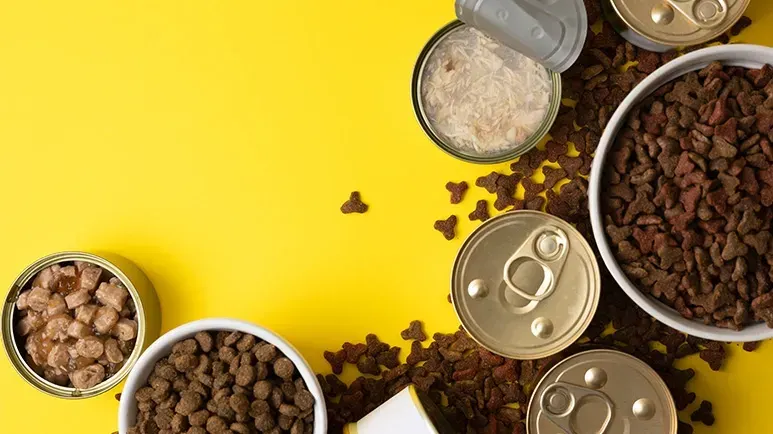
The exact recipe can vary. Dry kibble often contains grains, starches, and less water. Canned food usually contains more water and may have a softer texture. Fresh and freeze dried diets may use fewer processed ingredients, but they still need balanced nutrients.
So, what does dog food contain depends on the product type, life stage, and feeding purpose. Puppy food, adult food, senior diets, and prescription formulas all use different nutrient levels.
A food labeled “complete and balanced” should meet recognized nutrient standards for a stated life stage. In the United States, these standards are commonly linked to AAFCO nutrient profiles. Still, a label alone cannot tell you whether a food suits every individual dog.

Protein: The Main Building Block
Protein is one of the most important answers to the question, what does dog food contain? Dogs use protein to build and repair muscles, skin, hair, blood cells, and body tissues.
Protein comes from animal and plant sources. Common animal sources include:
• Chicken
• Turkey
• Beef
• Lamb
• Fish
• Egg
• Chicken meal or meat meal
Plant sources may include peas, lentils, soy, corn, wheat, rice, and potatoes. These ingredients can add protein, but they do not always provide the same amino acid balance as animal proteins.
Complete and incomplete protein
Proteins are made from amino acids. Dogs can produce some amino acids in their bodies, but they must get others from food. These are called essential amino acids.
Animal proteins often contain a useful balance of essential amino acids. Plant proteins can also contribute to a healthy diet when the full recipe is carefully formulated. The important issue is not whether one ingredient sounds impressive. It is whether the complete food supplies enough usable protein for your dog.
Puppies, pregnant dogs, working dogs, and dogs recovering from illness may need different protein levels. Dogs with kidney disease may also need a carefully controlled diet, but protein should never be reduced without veterinary guidance.
What do meat meals mean?
A meat meal is a concentrated ingredient made by cooking and drying animal tissue. Since much of the water has been removed, meat meal can provide more protein by weight than fresh meat.
For example, fresh chicken contains a large amount of water. Chicken meal contains far less water, so it may appear lower on the ingredient list by weight but still provide substantial protein.
Fat: More Than Just Calories
Fat is another major part of what does dog food contain. It provides concentrated energy and helps dogs absorb fat soluble vitamins such as vitamins A, D, E, and K.
Healthy fats can support:
• Skin and coat condition
• Brain development
• Nerve function
• Hormone production
• Immune health
• Energy for active dogs
Common fat sources include chicken fat, fish oil, beef fat, flaxseed, sunflower oil, and canola oil. Fish oil is known for providing omega 3 fatty acids, including EPA and DHA. These fats may support skin, joints, and normal brain function.
Fat is useful, but more is not always better. A high fat diet may lead to weight gain or digestive upset in some dogs. Dogs with a history of pancreatitis may need a lower fat diet under veterinary supervision.
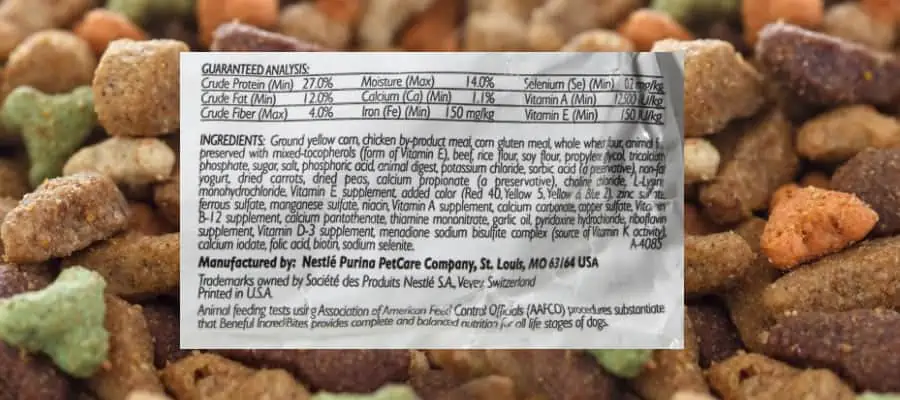
When checking what does dog food contain, look for the crude fat percentage on the guaranteed analysis. This number gives useful information, but it does not reveal the full quality of the fat or how much energy the food provides.

Carbohydrates and Fiber
Carbohydrates are not required in the same way as some essential amino acids and fatty acids, but they can be useful in dog food. They provide energy and help create the texture of kibble.
Common carbohydrate ingredients include:
• Rice
• Oats
• Barley
• Corn
• Wheat
• Potatoes
• Sweet potatoes
• Peas
• Tapioca
Dogs can digest cooked carbohydrates well. Their digestive systems have adapted to use starch as an energy source. This does not mean every dog needs the same carbohydrate level. A very active dog may use more energy, while a dog trying to lose weight may benefit from a carefully managed diet with useful fiber.
Fiber supports normal digestion and stool quality. It can also help dogs feel full. Sources include beet pulp, pumpkin, cellulose, psyllium, vegetables, and certain grains.
Too much fiber may reduce calorie density or cause gas and loose stools. A sudden change in fiber intake can also upset the stomach. Make food changes slowly over seven to ten days when possible.

Vitamins and Minerals
Vitamins and minerals answer another important part of what does dog food contain. They help support bones, blood, nerves, muscles, metabolism, immunity, and many other body functions.
Important vitamins may include:
• Vitamin A for vision, skin, and immune health
• Vitamin D for calcium use and bone health
• Vitamin E for antioxidant support
• B vitamins for energy metabolism and nerve function
• Vitamin K for normal blood clotting
Important minerals may include:
• Calcium for bones and teeth
• Phosphorus for bones and energy use
• Zinc for skin and immune health
• Iron for healthy blood cells
• Copper for connective tissue and blood formation
• Selenium for antioxidant protection
• Sodium and potassium for fluid and nerve balance
The balance between nutrients matters. For example, too much or too little calcium can harm growing puppies. Large breed puppies are especially sensitive to improper calcium and calorie levels.
This is why adding human vitamins or mineral supplements can be risky. A complete commercial diet usually already contains these nutrients. Extra supplements may cause an imbalance or reach harmful levels.
Water in Dog Food
Water is easy to overlook when asking what does dog food contain, yet it is essential. Canned food may contain roughly 70% to 80% water, while dry kibble often contains around 10% water. Exact levels vary by product.
Water supports:
• Digestion
• Blood flow
• Temperature control
• Waste removal
• Joint lubrication
• Normal cell function
Dogs eating dry food often drink more water because kibble contains less moisture. Dogs eating canned food may drink less from the bowl because they receive more water with each meal.
Always provide clean, fresh water. A sudden increase in drinking can signal a health issue, especially when it occurs with frequent urination, weight loss, vomiting, or low energy. Contact a veterinarian if you notice a major change.

Preservatives and Additives
Dog food may contain preservatives to keep fats from becoming rancid and to protect the product during storage. Some preservatives are natural, while others are made in a laboratory and approved for use at regulated levels.
Examples include:
• Mixed tocopherols, which are forms of vitamin E
• Citric acid
• Rosemary extract
• Ascorbic acid, also known as vitamin C
• Certain approved synthetic preservatives
Food may also contain additives for texture, taste, color, or stability. Natural flavor can make food more appealing, while gums can help keep canned food smooth.
Preservatives are not automatically dangerous. The dose, safety record, and overall formula matter. However, some dogs may react poorly to a certain ingredient, so watch for itching, vomiting, diarrhea, or repeated ear problems after a diet change.
A useful practical lesson is to avoid judging food by one ingredient alone. A long ingredient list does not always mean poor quality, and a short list does not always mean the food is complete.
How to Read a Dog Food Label
Understanding the label makes it easier to answer what does dog food contain in a specific product.
1. Check the nutritional adequacy statement
Look for wording that says the food is complete and balanced for a specific life stage. It may be made for growth, maintenance, reproduction, or all life stages.
A food made for adult maintenance may not meet the needs of a growing puppy. Likewise, a puppy formula may provide more calories and nutrients than a sedentary adult dog needs.
2. Read the ingredient list
Ingredients are listed by weight before processing. Ingredients with high water content may appear near the top even though they contribute less dry matter after cooking.
Do not assume the first ingredient tells the whole story. Look at the full formula, including protein sources, fat sources, fiber, vitamins, and minerals.
3. Review the guaranteed analysis
The guaranteed analysis usually lists: