Why Do Dogs Bark At People: Causes And Solutions
Learn why do dogs bark at people, what triggers the behavior and simple, effective tips to stop excessive barking. Read expert advice now.
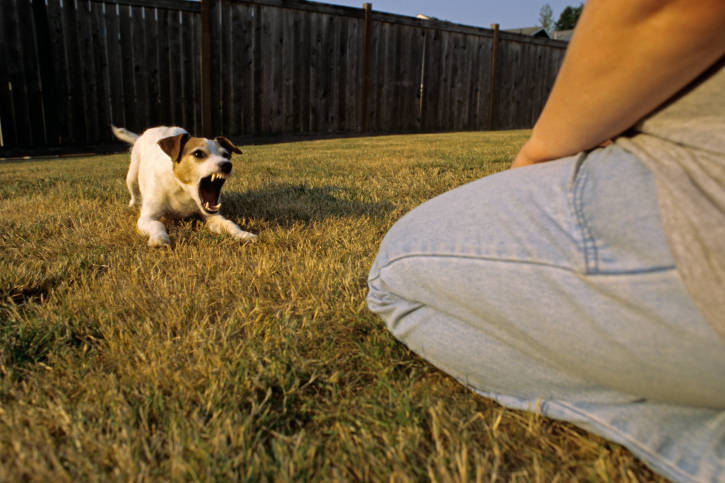
Dogs bark at people for many reasons: alerting, fear, protection, attention, or simple excitement.
I’ve studied canine behavior and worked with trainers and owners for years, so I can explain why do dogs bark at people in clear, practical terms. This guide breaks down the causes, body language, training steps, real-life examples, and when to seek help — all written so you can act with confidence and compassion.
Why dogs bark at people: common causes
Dogs use barking to talk. Knowing why do dogs bark at people helps you act calmly. Below are the main causes you will see in homes and streets.
- Alerting and alarm
- Dogs warn their family about strangers or unusual sounds. This is often loud, short, and repeated.
- Fear and anxiety
- A dog may bark when it feels scared. The sound can be high-pitched and paired with retreating or trembling.
- Territorial or protective barking
- Some dogs bark to defend space. It is often deep and forceful when someone approaches the yard or doorway.
- Attention seeking
- Dogs learn that barking brings attention. They may bark at people to get petting or a reaction.
- Frustration and barrier reactivity
- When a dog can see but not reach a person, it may bark out of frustration. This is common at windows, fences, or on a leash.
- Social greeting
- Some dogs bark to greet people. The tone is often excited and accompanied by tail wagging.
- Medical or pain-related barking
- Sudden or unusual barking can be a sign of pain, cognitive decline, or other medical issues.
- Breed tendencies
- Some breeds are more vocal by nature. Herding and guarding breeds often bark more.
Understanding why do dogs bark at people starts with observing context. Note the trigger, body language, and timing. That tells you whether the bark is a warning, a request, or a distress signal.

How to read a dog’s body language when they bark
Reading body language tells you why do dogs bark at people. Bark tone is just one clue. Combine sound with posture and face to get the full message.
- Look at ear position
- Ears forward often mean alert or focused. Ears back can mean fear or submission.
- Watch the tail
- A stiff, upright tail plus barking can signal tension. A loose wag with playful barks means excitement.
- Check mouth and eyes
- A closed mouth and hard stare with barking can mean guarding. Loose mouth and soft eyes point to play.
- Note the stance
- Forward-leaning shows confidence or aggression. Backing away shows fear. Pacing suggests anxiety.
- Observe trigger distance
- Barking when people are far away often means alerting. Barking when people are right next to the dog can mean fear or guarding.
When you combine these clues, you can answer why do dogs bark at people with more precision. This makes training and safety much easier.
Training and behavior modification: step-by-step plans
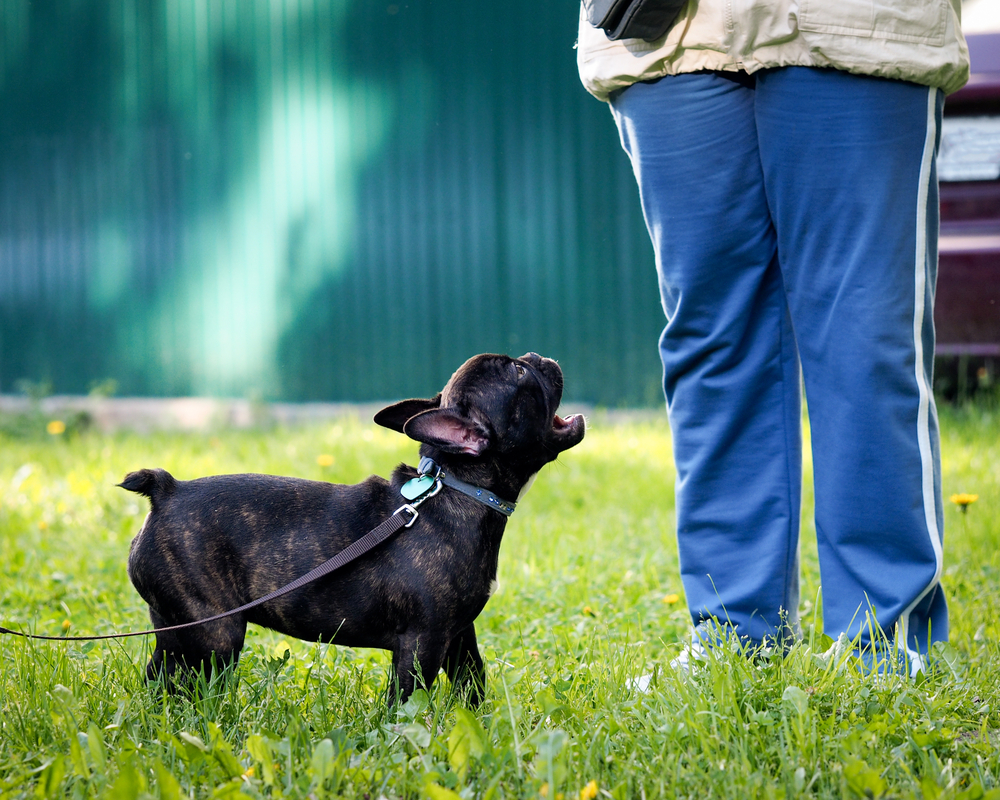
If you want to reduce barking, use consistent, humane training. Below are practical steps to help with the main reasons dogs bark at people.
- Identify the trigger
- Note what exactly causes the barking. Is it a delivery person, joggers, or strangers at the door?
- Use desensitization and counter-conditioning
- Start at a distance where the dog is calm. Reward calm behavior with treats or praise. Gradually reduce distance over many short sessions.
- Teach an alternative behavior
- Train a reliable cue like “look,” “sit,” or “go to mat.” Reward the dog for doing the cue instead of barking.
- Reinforce quiet
- Mark and reward quiet moments. Use a short praise or treat right when the dog stops barking.
- Manage the environment
- Close curtains, use privacy fencing, or create a quiet room to reduce triggers.
- Address leash reactivity
- Walk with space between your dog and strangers. Reward attention on you. Avoid crowd or close pass until progress occurs.
- Avoid punishment
- Shouting or physical correction can increase fear and escalate barking. Focus on positive reinforcement.
- Seek professional help
- For severe aggression or anxiety, work with a certified trainer or behaviorist. They can design a safe plan.
These steps explain how to address why do dogs bark at people with patience and clarity. Progress is slow. Expect small wins over weeks.

Personal experience and real-life examples
I’ve helped many owners solve barking problems. Here are two short case stories that show how to apply the steps above.
- Case 1: Neighborhood alert barking
- A small terrier barked at every passerby. We used desensitization from the sidewalk and taught “look.” After two weeks of short sessions, the dog only barked at real threats.
- Case 2: Leash reactivity toward cyclists
- A young shepherd mix lunged and barked at bikes. We increased distance, rewarded calm, and paired the sight of a bike with high-value treats. Over time the dog focused on me instead of the bike.
Lessons learned
- Start small and be consistent.
- Timing matters; reward quiet immediately.
- Owner calmness changes dog behavior. Dogs sense stress and react to it.
These examples show why do dogs bark at people and how steady training makes a real difference.

When to seek professional help or vet care
Not all barking is normal. Know when to get help.
- Sudden change in barking
- If a calm dog starts barking more, rule out pain or medical causes.
- Severe fear or aggression
- If a dog snaps, bites, or freezes with intense barking, consult a behaviorist.
- Chronic anxiety or noise phobia
- When barking is paired with pacing, drooling, or destruction, seek help from a vet or trainer.
- Lack of progress after consistent training
- If you follow a plan and see no improvement, a pro can reassess and help safely.
A vet check is an early step if the reason for why do dogs bark at people isn’t clear. Pain and illness can look like behavior problems.
Prevention: socialization and daily care to reduce barking
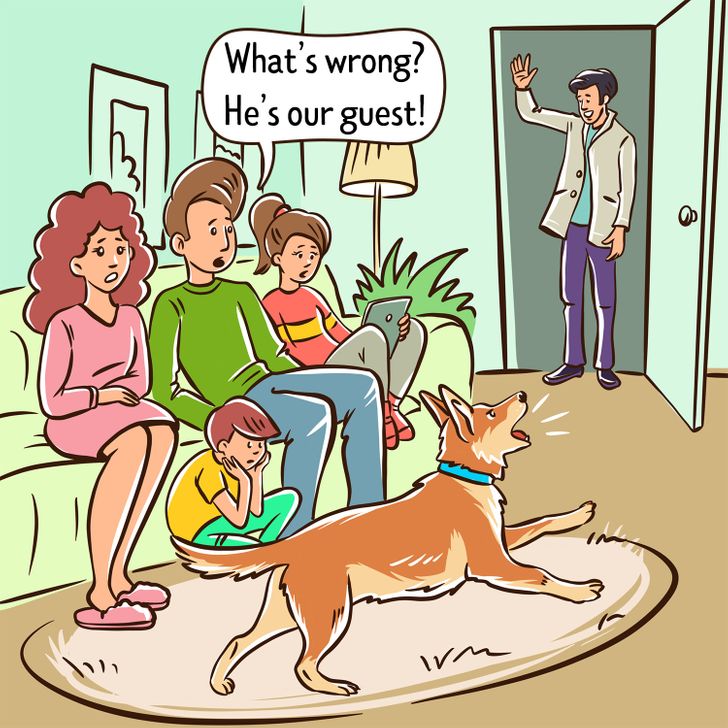
Preventing excessive barking starts early and includes daily routines.
- Socialize puppies to people and places
- Gentle, positive exposure builds confidence and reduces fear-based barking.
- Provide mental and physical exercise
- A tired dog barks less. Use walks, play, and puzzles daily.
- Establish clear rules
- Teach polite greeting behavior. Reward calm when meeting new people.
- Manage the home
- Limit window access for dogs who bark at street activity. Use white noise for sensitive dogs.
- Use consistent training
- Short, daily sessions beat long, irregular training.
Prevention addresses why do dogs bark at people before habits form. It saves stress for owners and dogs.

Common myths about barking
Here are common misunderstandings and the facts behind them.
- Myth: Dogs bark mainly to be annoying
- Fact: Barking is a form of communication. It often signals a need or feeling.
- Myth: Older dogs can’t learn new behavior
- Fact: Dogs of any age can learn with the right approach and rewards.
- Myth: Punishment stops barking quickly
- Fact: Punishment can increase fear and worsen the problem. Positive methods work better long term.
- Myth: Neutering will stop all barking
- Fact: Neutering may reduce some hormonal behaviors, but it won’t fix fear-based or learned barking.
- Myth: All barking means aggression
- Fact: Many barks are protective, alert, or playful rather than aggressive.
Knowing these myths helps you address why do dogs bark at people with realistic expectations and humane methods.
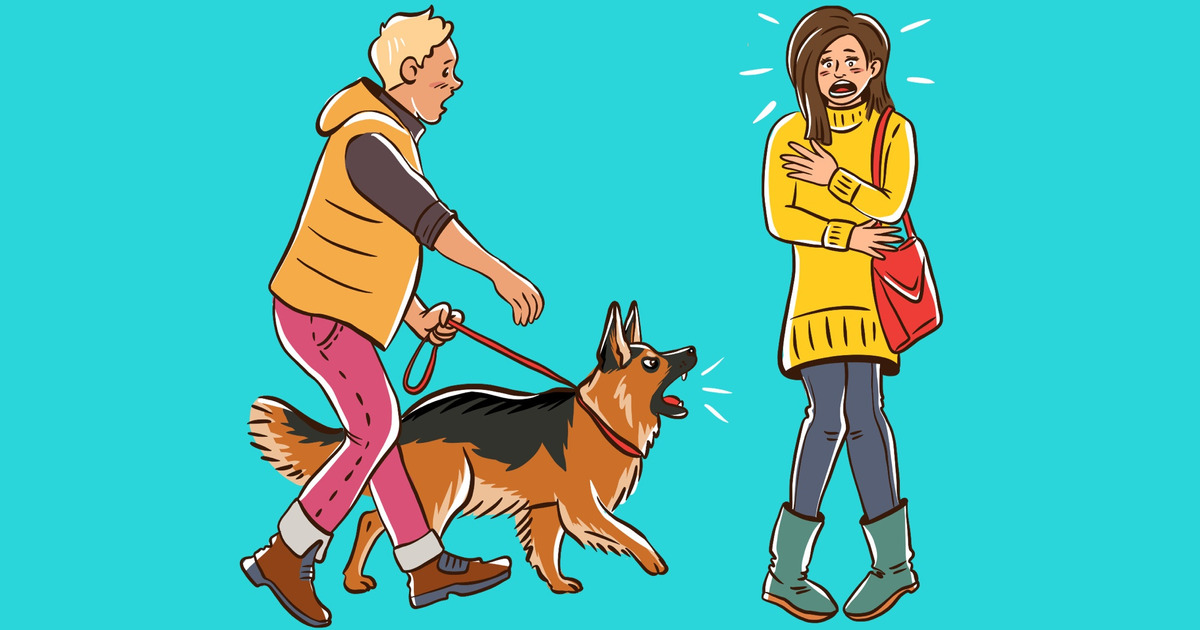
Frequently Asked Questions of why do dogs bark at people
Why do dogs bark at people walking by the house?
Dogs often bark at passersby to alert their family or to guard territory. The behavior becomes routine when dogs see frequent triggers like walkers or delivery drivers.
Can fear-based barking be fixed?
Yes. With slow desensitization, counter-conditioning, and patience, many fear-based barks can be reduced. Severe cases may need a behaviorist and a vet check.
Why does my dog bark at strangers but not family?
Dogs feel safe with family and uncertain with strangers. Lack of socialization and protective instincts or past bad experiences often explain this difference.
Will punishing barking make it stop?
Punishment often makes the problem worse by increasing fear or stress. Positive reinforcement for quiet and teaching alternative behaviors are more effective.
How long does training take to reduce barking at people?
Training time varies. Small improvements can appear in days, but meaningful change usually takes weeks of consistent work. Severe cases can take months.
Should I get my dog checked by a vet for barking?
If barking starts suddenly, increases dramatically, or comes with other signs like pain, lethargy, or appetite change, a vet exam is a good idea. Medical issues can underlie behavioral changes.
Conclusion
Understanding why do dogs bark at people gives you power to help your dog feel safer and behave better. Watch triggers, read body language, and use consistent, humane training steps such as desensitization and teaching alternative behaviors. If progress stalls or barking is tied to pain or aggression, seek professional help.
Take action today: observe your dog, note triggers, and commit to short, regular training sessions. Share your progress or questions in the comments, or subscribe for more behavior guides and tips.

Pet Care Writer & Researcher
Daniel writes practical guides on daily care, feeding, and safety, turning complex topics into simple, actionable advice.